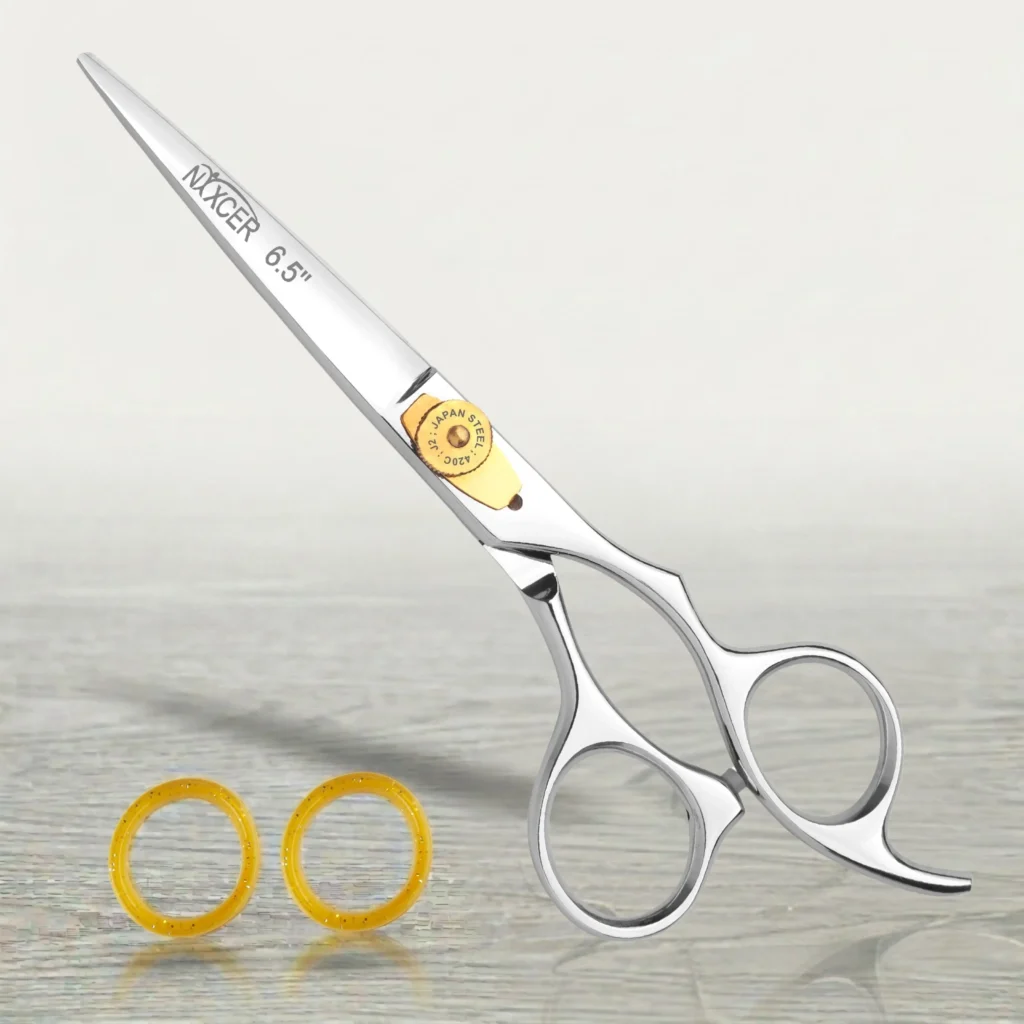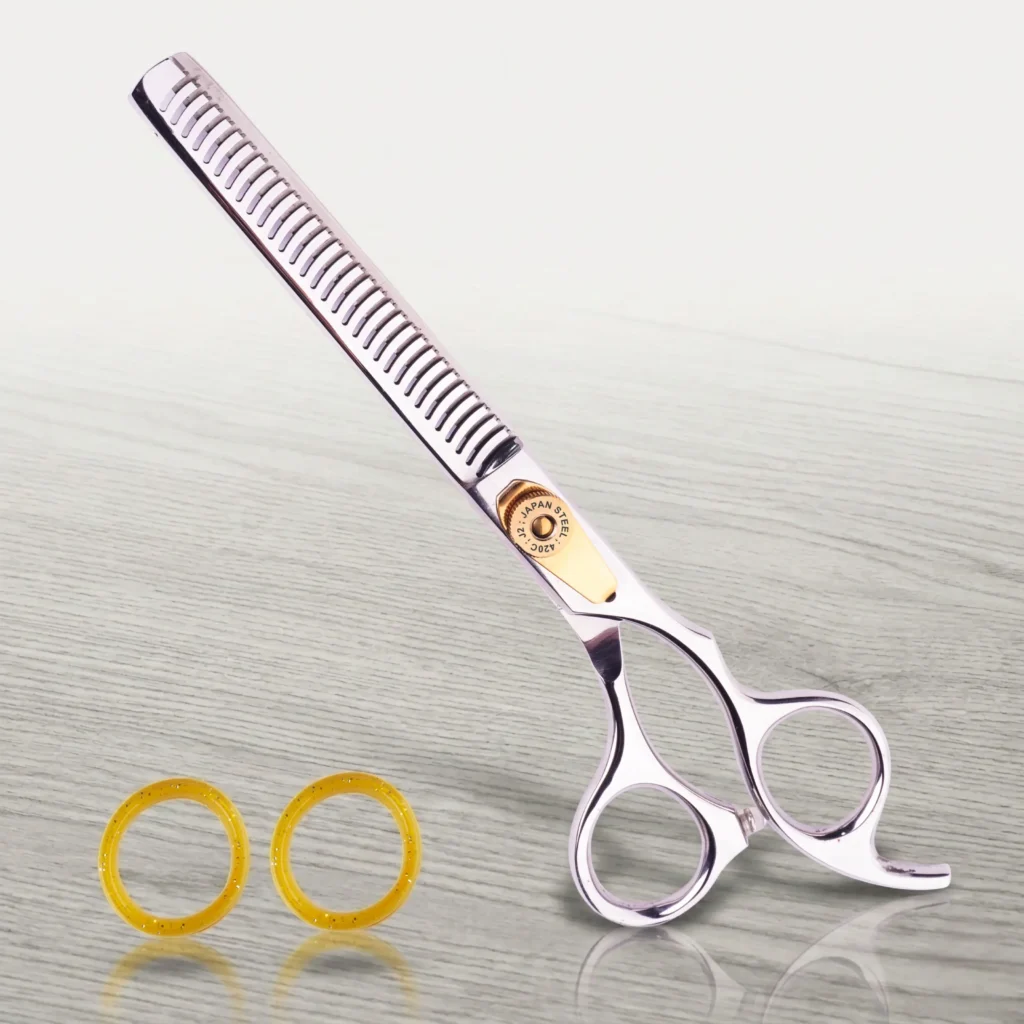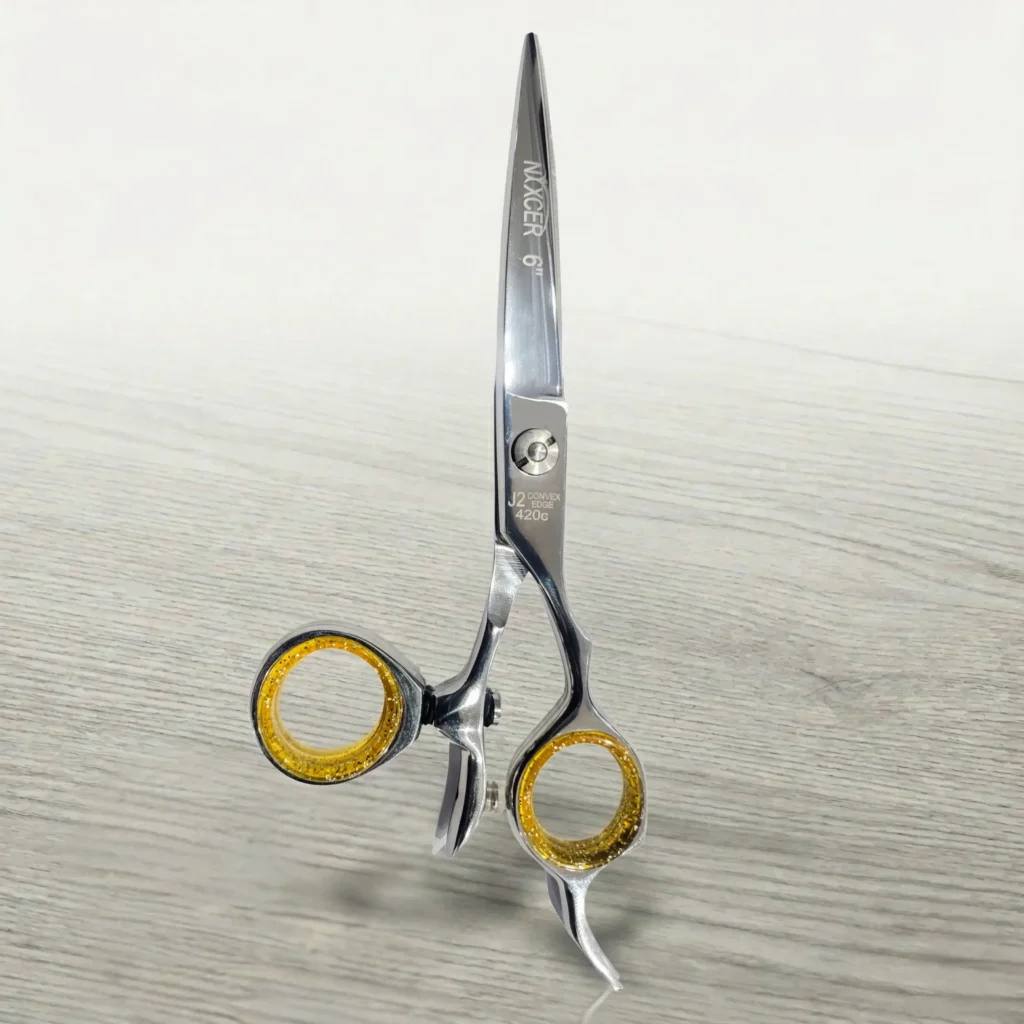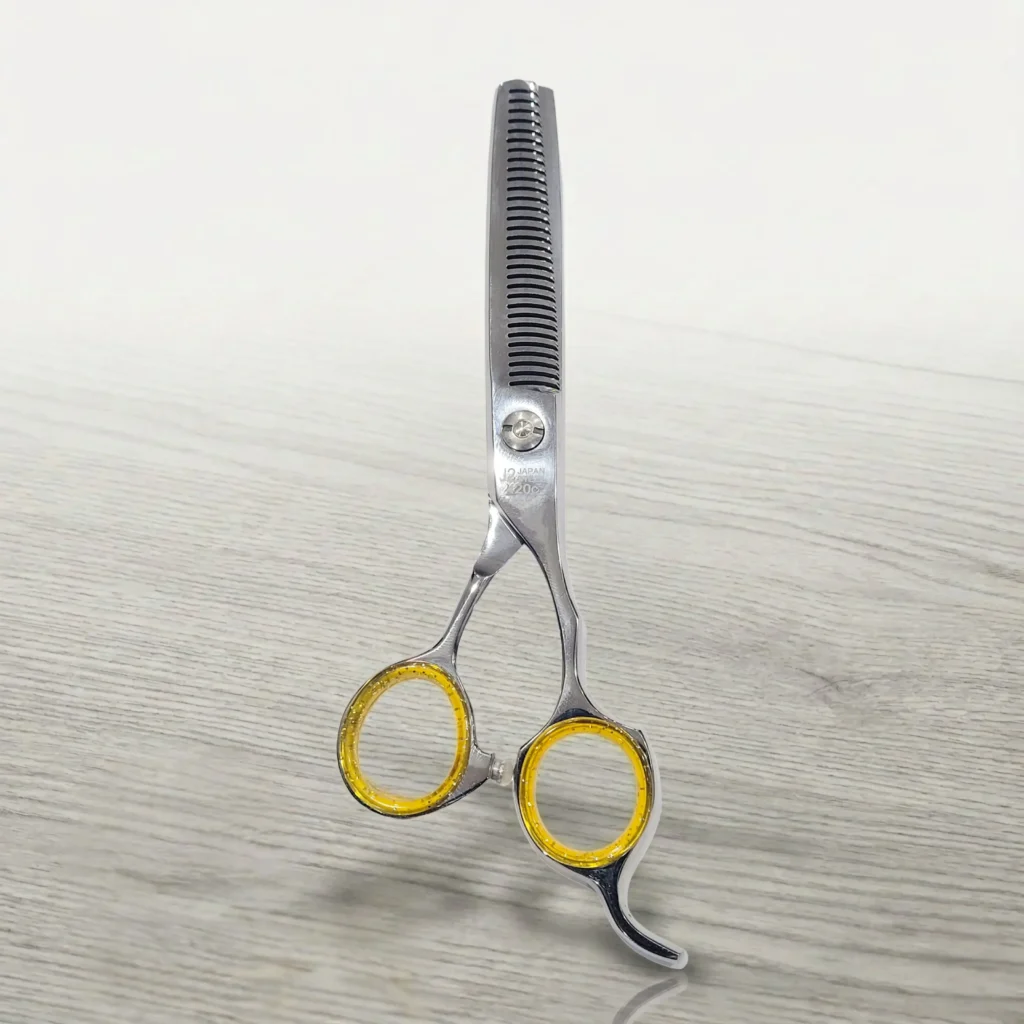
To choose hair cutting scissors, identify the technique you use most, confirm the correct handedness, and compare blade length and edge design. Then try the handle in your usual cutting positions and check the manufacturer’s care and servicing arrangements. Your best match is a shear you can control comfortably for its intended work, not simply the most expensive model or the one with the most features.
Two stylists can reasonably choose different tools. One may spend much of the day building short shapes over a comb; another may concentrate on small detail sections or softer finishing. A useful buying process connects those tasks to specific features and checks the fit before the purchase.
Start With a Description of Your Work
Before comparing catalogs, write down what you want the next pair to do. Is it replacing your everyday cutting shear, adding reach for larger sections, or supplying a specialist blending function? Describe the actual limitation of your current tool.
“I cannot see or guide the tips comfortably during detail work” is more useful than “I need premium scissors.” Likewise, hair folding should prompt a condition and tension check before you assume a new tool is necessary. Our comprehensive scissors overview explains the main tool categories.
Keep your shortlist small enough to compare each candidate properly. If a feature does not address the task you identified, ask whether you need it at all.
Use a Task Based Shortlist
| Your main requirement | Feature to compare | Question before buying |
| Small detail sections | Working blade length and tip profile | Can I see and control the tips in position |
| Greater section coverage | Longer working edge | Can I guide it without awkward reach |
| Firm blunt lines | Blade line and edge finish | Does the maker recommend it for this technique |
| Sliding or slicing work | Blade geometry intended for sliding | Is the edge smooth and suitable for the method |
| Weight reduction or blending | Tooth design and stated cut ratio | How much hair does this model remove |
| More secure grip | Ring size and handle layout | Can I hold it lightly through a normal stroke |
The table is a starting point rather than a prescription. A nominal size or edge label cannot establish the complete tool’s suitability.
Compare Working Length Before Choosing an Inch Size
JOEWELL’s sizing guidance distinguishes shorter scissors for detail and longer formats for greater coverage and powerful work. Use that relationship to compare candidates, rather than assuming all beginners or all barbers need one size.
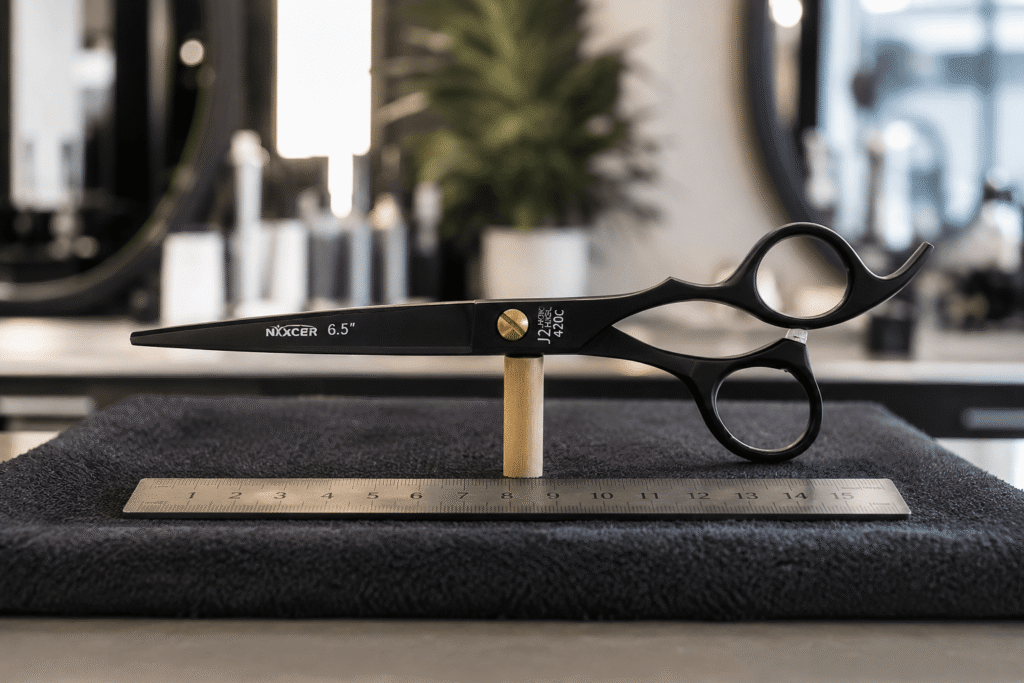
Ask how the maker measures the model. Overall scissor length and usable blade length are different specifications. A long handle can change the overall measurement without providing the same increase in cutting edge.
Hand measurements can help you start a conversation with a supplier, but they do not reproduce a haircut. Check reach and visibility while holding the shear at the angles you actually use. Do not choose a longer tool simply because it looks more professional.
For a technique specific comparison, read our guide to choosing scissors for blunt cuts.
Check Edge Geometry and Blade Line Separately
Convex and beveled describe edge forms. Straight and curved describe the lengthwise blade line. They are separate characteristics, so a convex edge does not mean the entire blade is strongly curved.
JOEWELL’s blade guide describes straighter lines as more likely to hold hair and greater curvature as encouraging sliding. It also distinguishes fine points and wider blades. Ask which design is recommended for the cut you want to perform.
Do not treat convex as an automatic upgrade over every beveled model. Compare the complete blade and intended technique. Some beveled edges have serrations and others are smooth; confirm the finish instead of inferring it from the category name.
Our convex versus beveled comparison provides a closer look. Also confirm that an appropriate technician can maintain the edge you select.
Make Handle Fit a Separate Decision
A shear may have the right blade but an unsuitable grip. Compare ring openings, thumb reach, and the arrangement of the handle arms. JOEWELL’s handle information describes symmetric and offset layouts and notes that inserts can reduce an oversized opening.
In a conventional professional grip, the ring finger supports the finger opening, the thumb operates its opening lightly, and the little finger may use the tang. An insert can change ring fit; it cannot change blade orientation or sharpen the edge.
For a fitting check, support the shear safely by its handles and make slow opening and closing movements. Check whether you need to clench to keep it secure. Recreate your normal working positions rather than judging comfort only with your hand resting on a counter.
Use our offset handle guide to compare the layout. An ergonomic label is not a guarantee that a particular model fits every person.
Confirm Handedness Explicitly
If you cut left handed, ask for a model designed with the appropriate blade arrangement. A reshaped thumb ring or an ambidextrous description does not by itself establish true left handed construction.
Confirm the exact version before ordering, particularly when a listing uses shared photographs. Ask how the blade arrangement affects your sightline in the cutting grip. A seller should be able to identify the model rather than leave you to infer it from the finish or packaging.
Buy a Thinning Shear for a Defined Purpose
Choose a specialist shear when you can describe its role in the haircut. A toothed blade cuts selected strands, allowing different removal patterns from a continuous cutting edge.
JOEWELL’s thinning instructions identify both tooth count and tooth shape as factors in cut ratio. More teeth do not supply a universal removal percentage. Compare the model’s stated ratio and intended application.
If you are still learning, ask your educator which removal pattern matches the technique being taught. Buying a large set is not a substitute for understanding each tool. Read our thinning and texturizing guide before adding a specialist pair.
Compare Ownership Costs as Well as the Purchase Price
Set a budget that includes maintenance and the possibility of downtime during service. Ask about the adjustment key, compatible replacement parts, sharpening arrangements, and warranty exclusions. Confirm the return conditions before testing a newly delivered tool.
Request an exact blade material specification when it matters to the purchase. A country label, colored coating, or reference to cobalt does not describe the complete shear. JOEWELL distinguishes stainless materials from cobalt based alloys in its specifications; these categories should not be collapsed into one marketing label.
Price is one item in the comparison. A tool with clear specifications and accessible support may be easier to assess than one advertised with impressive claims but little model information. Do not pay for an assumed benefit that the seller cannot explain.
Assess a Candidate Without Damaging It
Read the supplied instructions before adjusting the pivot or performing a cutting test. MIZUTANI’s manual includes special cautions about some newly supplied blades, including loosening them during the initial period of use. Do not apply a generic setup routine to every new shear.
Inspect the visible tool without running a finger along the cutting edges. If something appears misaligned or damaged, contact the seller. For permitted tests, use the specified setup and approved material. Hikari warns against using paper, plastic, wigs, and unsuitable treated mannequin hair with its scissors.
Test results need context. A passing gravity test does not establish sharpness, and repeatedly tightening a shear cannot repair a chipped edge. See our tension test guide for model specific precautions.
Compare Nixcer Models Against Your Shortlist
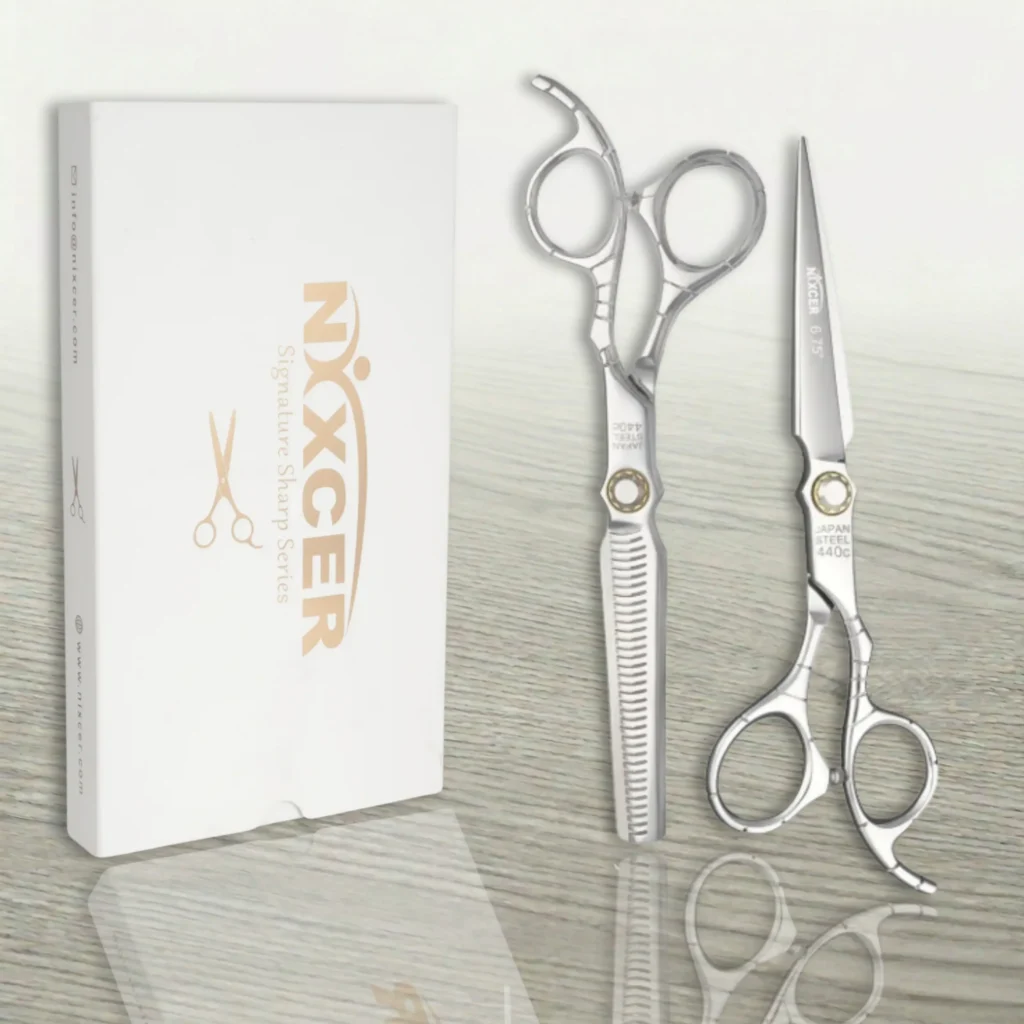
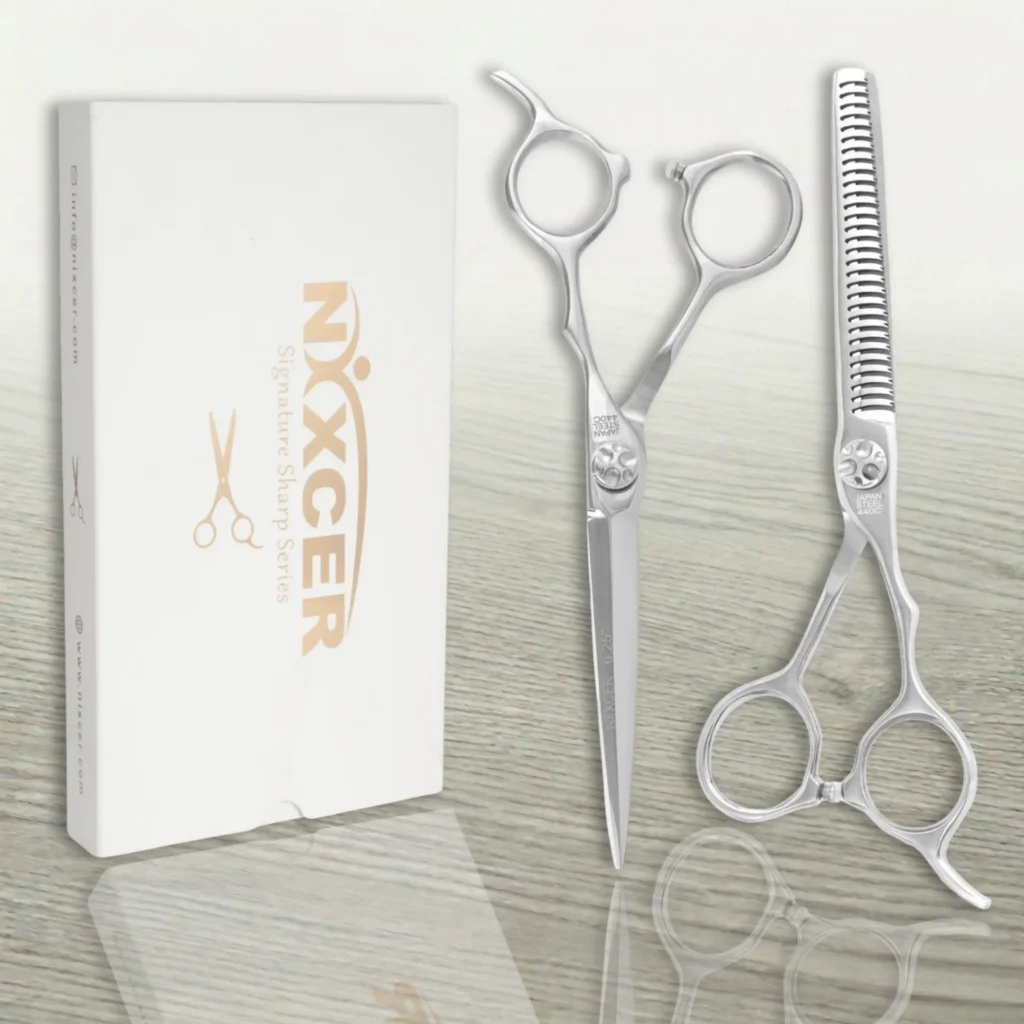
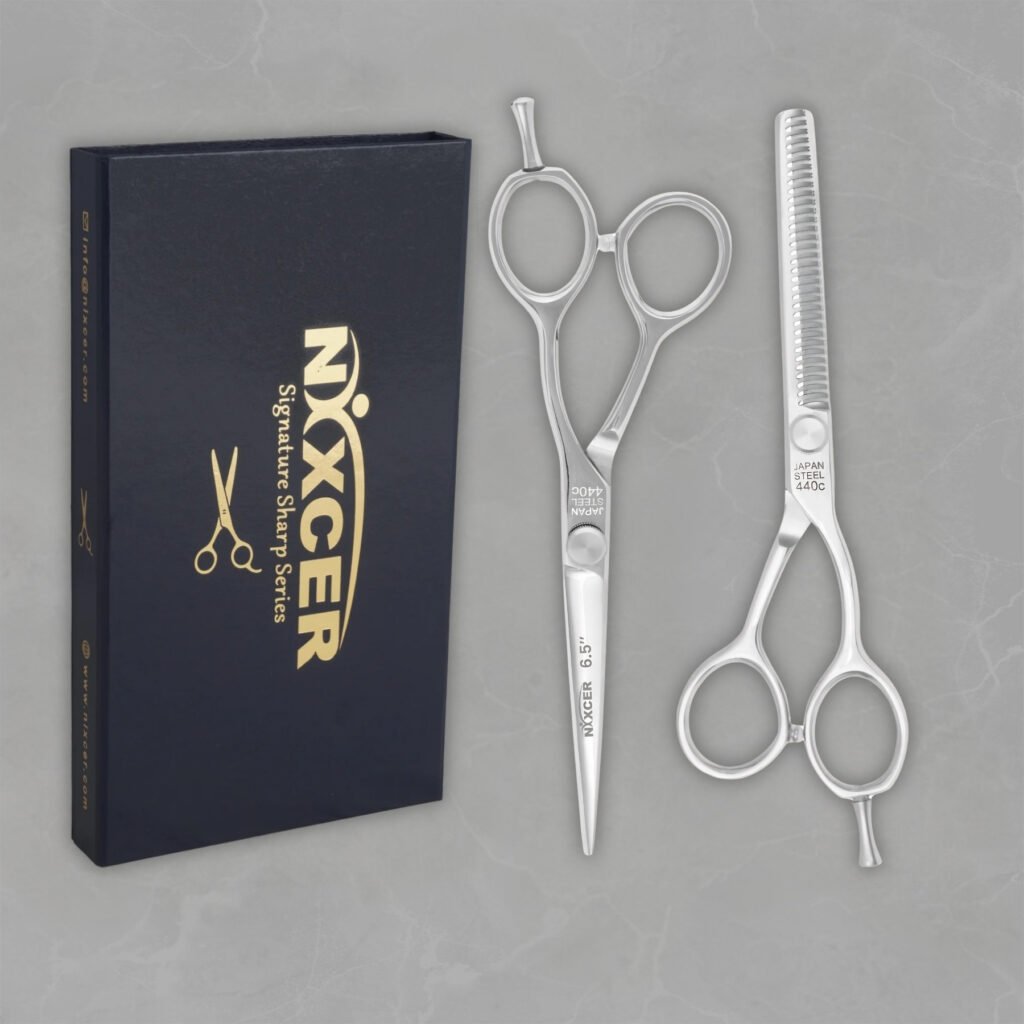
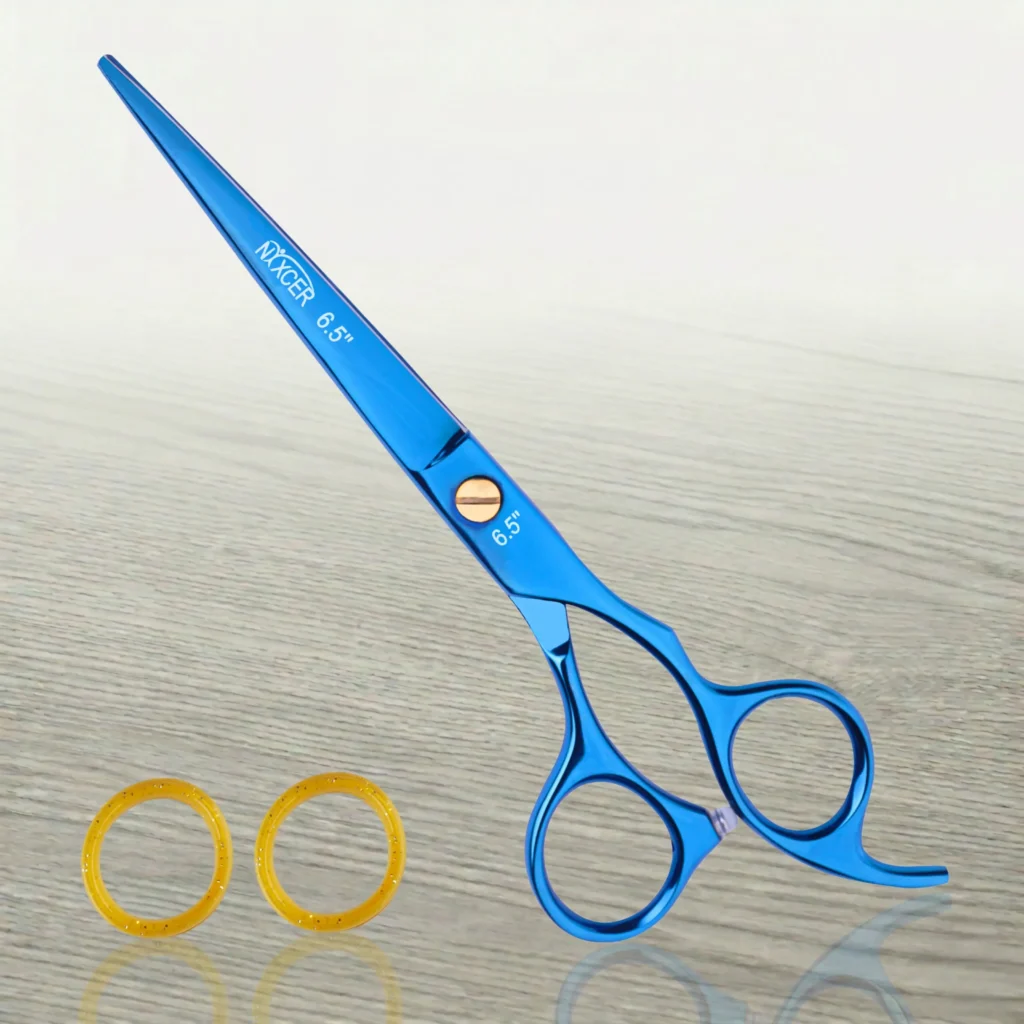
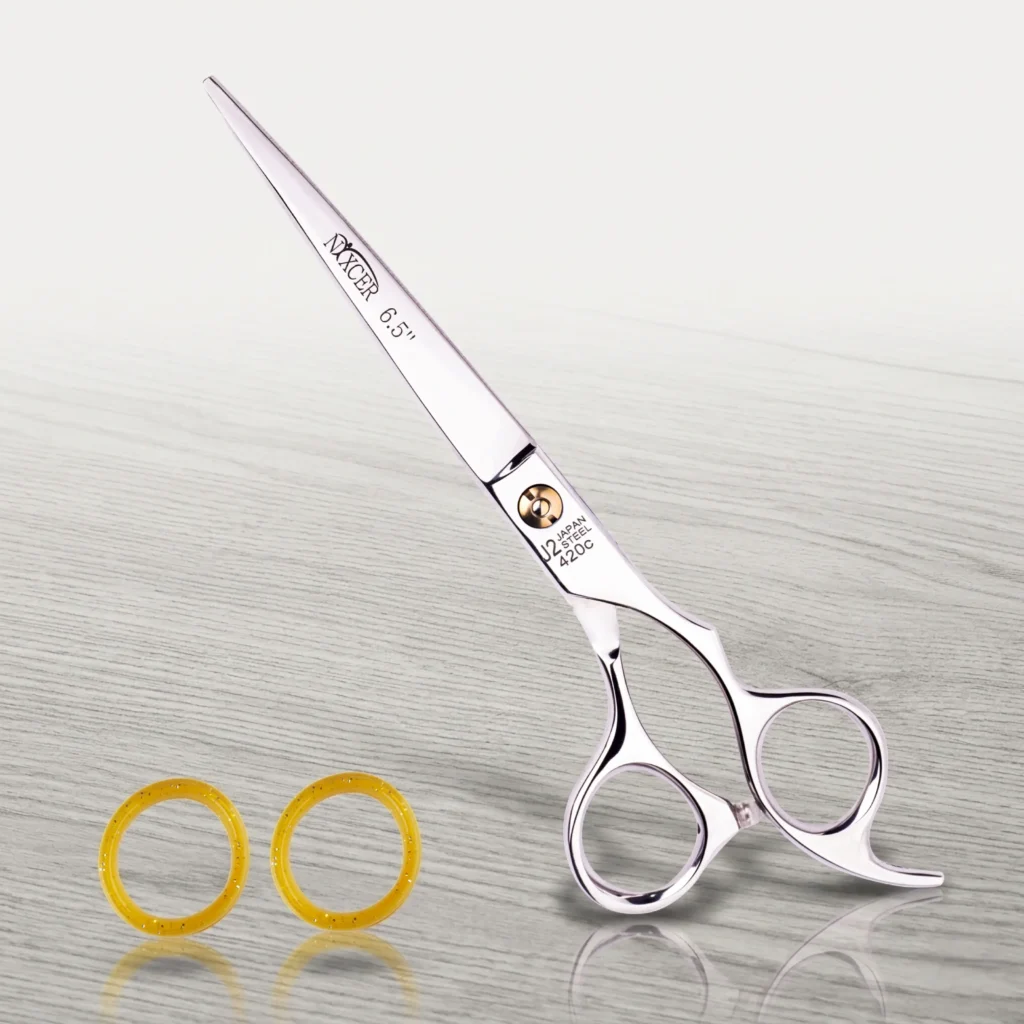
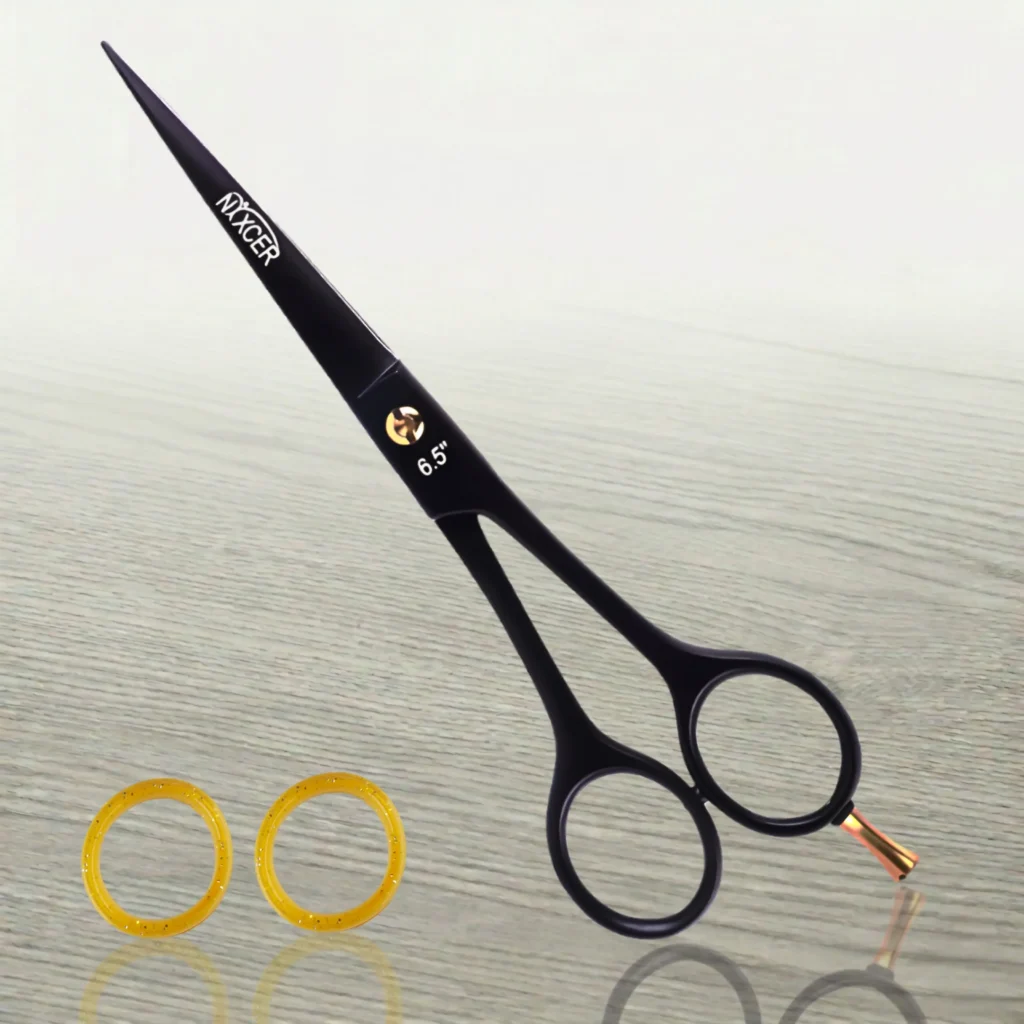
Browse the Nixcer hair cutting scissors collection after defining your main requirements. The Broad Blade scissors and Signature SWORD shears offer different formats to inspect. These are product examples, not independently tested recommendations or performance rankings.
Ask Nixcer to confirm any unclear or conflicting specifications before buying. Compare each candidate against the same criteria: intended use, working length, grip, handedness, care, and support. Keep the written confirmation with your purchase information.
Once a model fits your work, avoid changing the shortlist simply because another finish becomes available. Your decision should remain connected to the problem you set out to solve.
Keep the Fit Useful Through Routine Care
Follow the manufacturer’s cleaning, lubrication, and tension instructions. Complete disinfection according to applicable salon requirements and product labels. Oil is a lubricant, not a substitute for cleaning or disinfection.
Store the tool protected from hard objects. If it is dropped and begins catching or cutting differently, remove it from client work for assessment. Keep a record of servicing so a technician can understand changes over time. Our cleaning guide and oiling guide explain related care tasks.
Frequently Asked Questions
What Size Hair Cutting Scissors Should I Buy
Compare the usable blade length with your main technique and your control in normal cutting positions. There is no single inch size that fits every hand and task.
Are Expensive Scissors Always the Best Choice
Price alone cannot establish fit or suitability. Compare documented features, service support, and ownership costs before deciding what an additional expense provides.
Should a Beginner Buy a Full Scissor Set
Start with the tools required by your training and the techniques you can use correctly. Add specialist shears when you can explain their intended role.
Can Finger Inserts Fix an Unsuitable Handle
They can reduce an oversized ring opening when compatible with the model. They do not change the handle’s full geometry, working length, or handedness.
Can I Choose Scissors From Steel Grade Alone
No. Blade design, handle fit, condition, and service support also matter. A material label cannot demonstrate how a complete shear will work for you.
How Can I Compare Models When Buying Online
Request exact specifications, measurement details, handedness confirmation, care instructions, and return conditions. Resolve conflicting listing details before ordering.