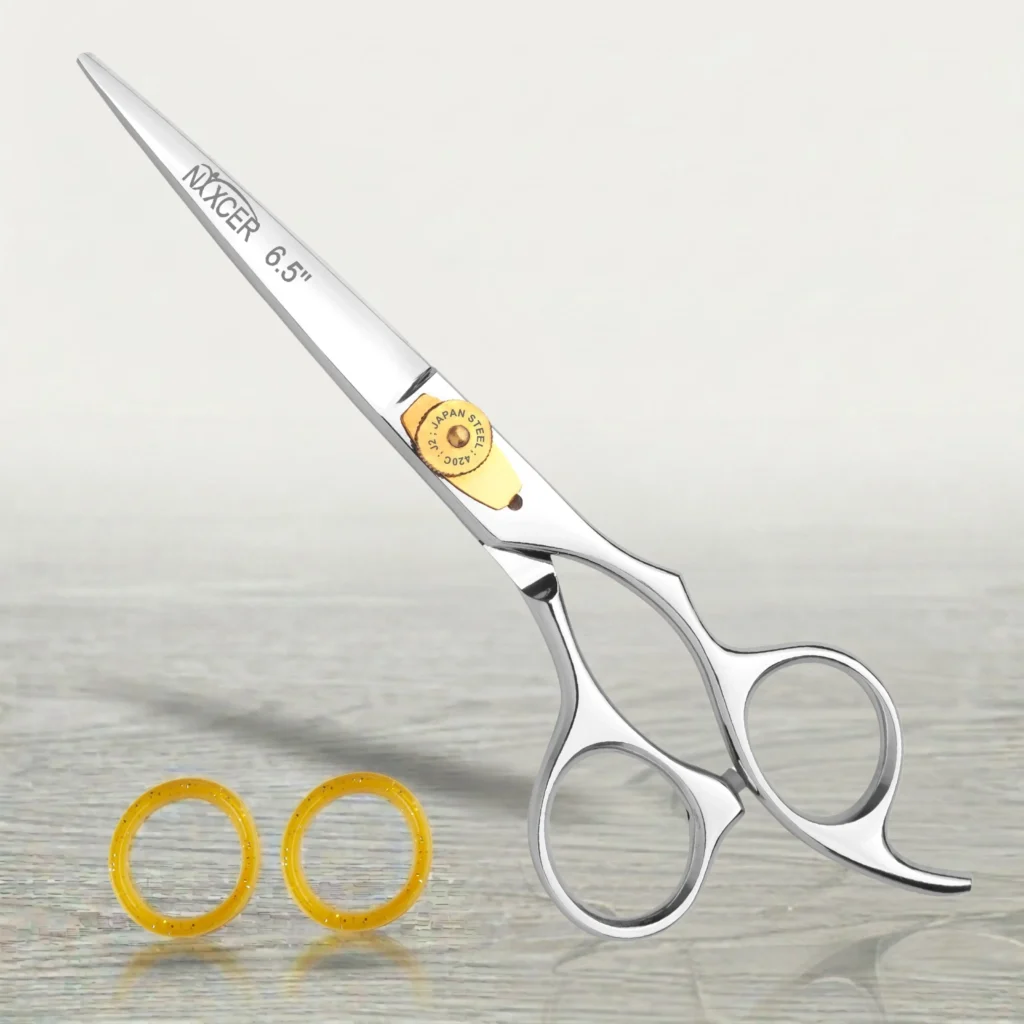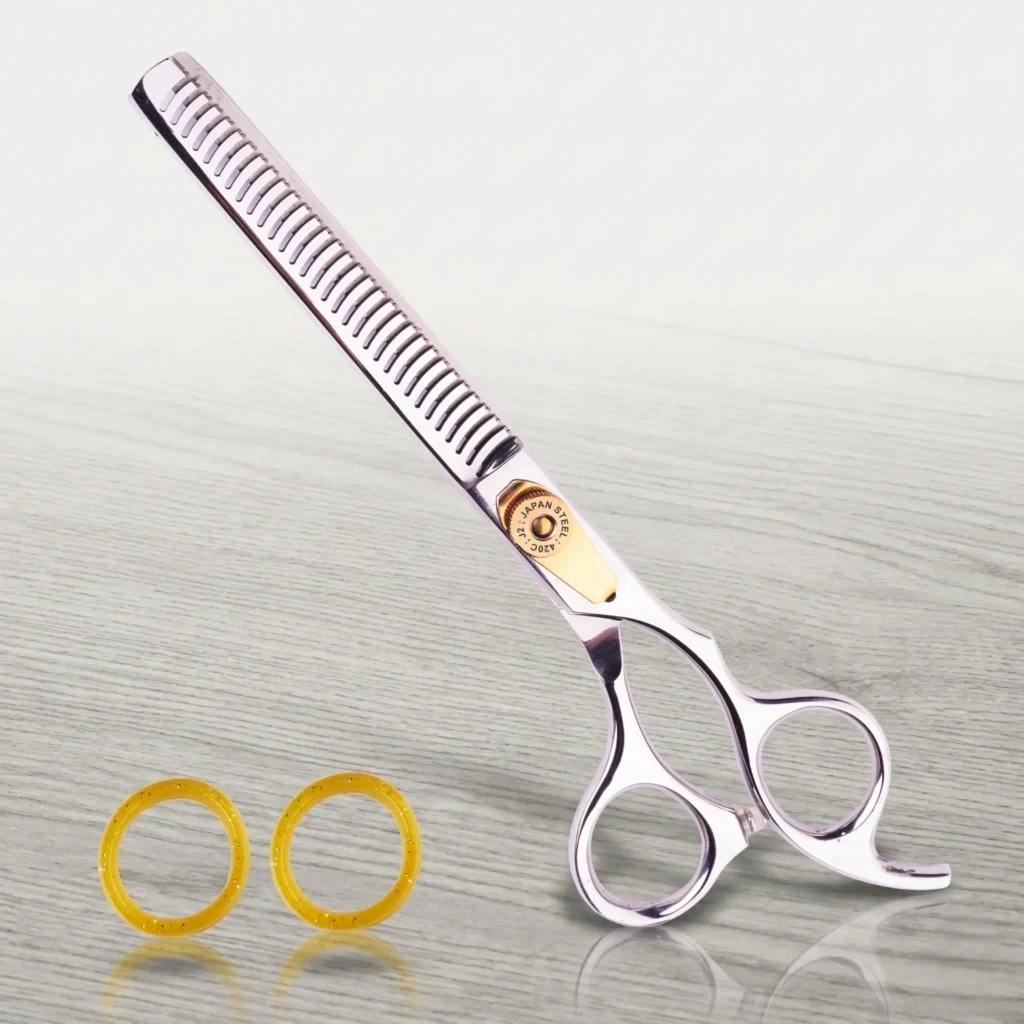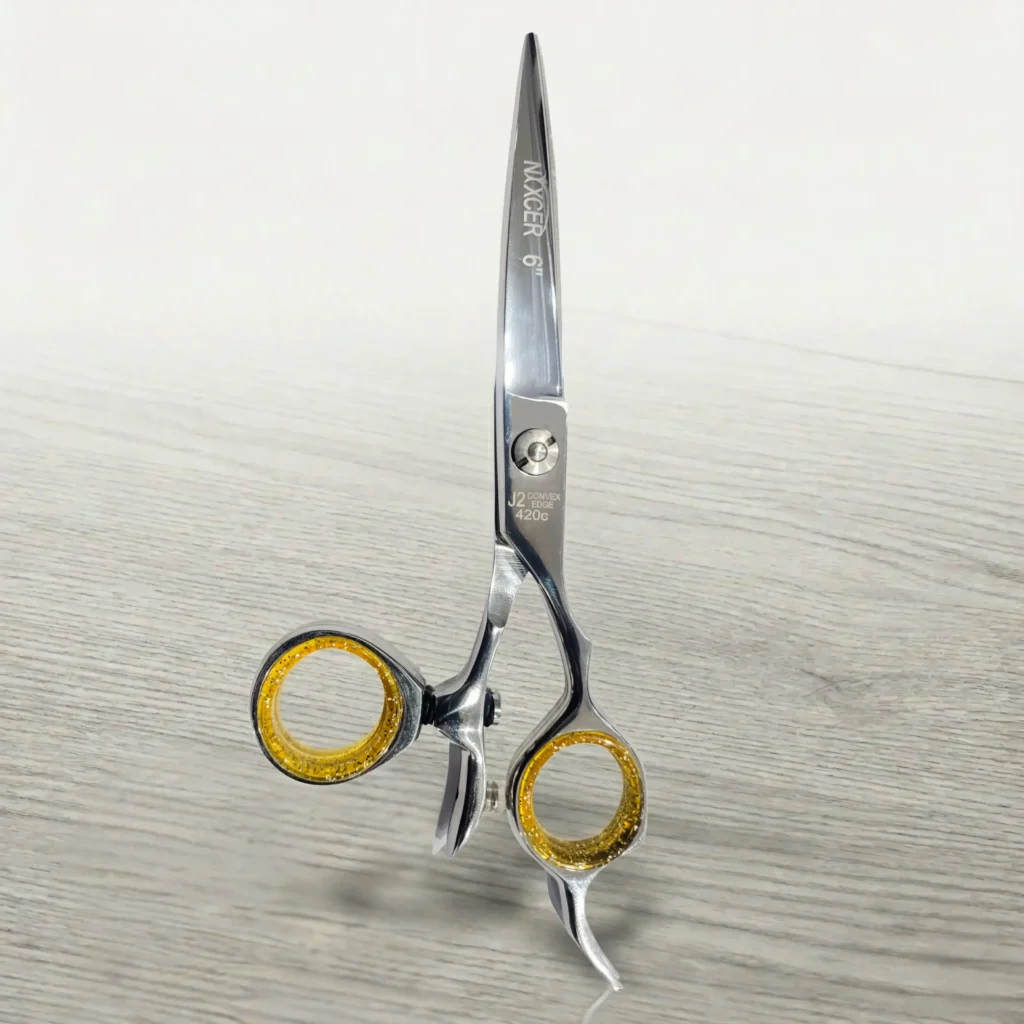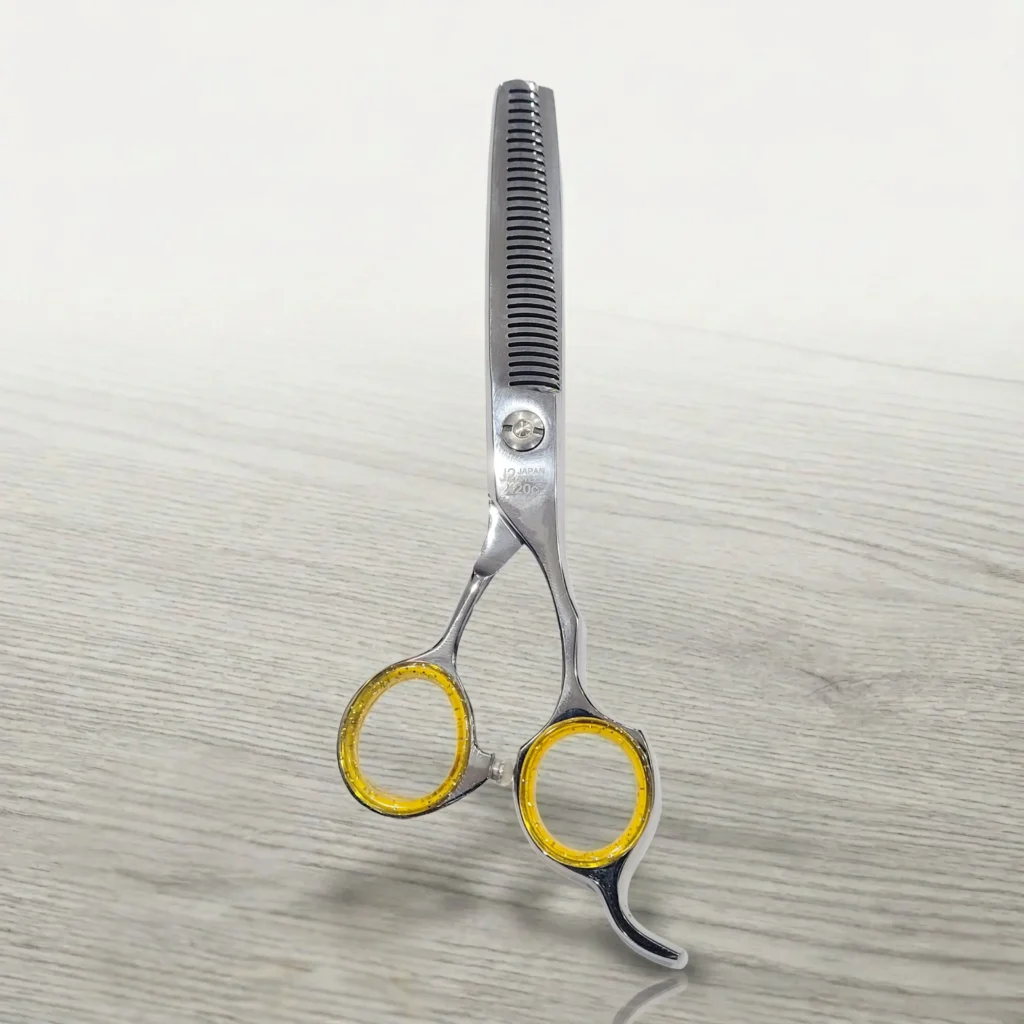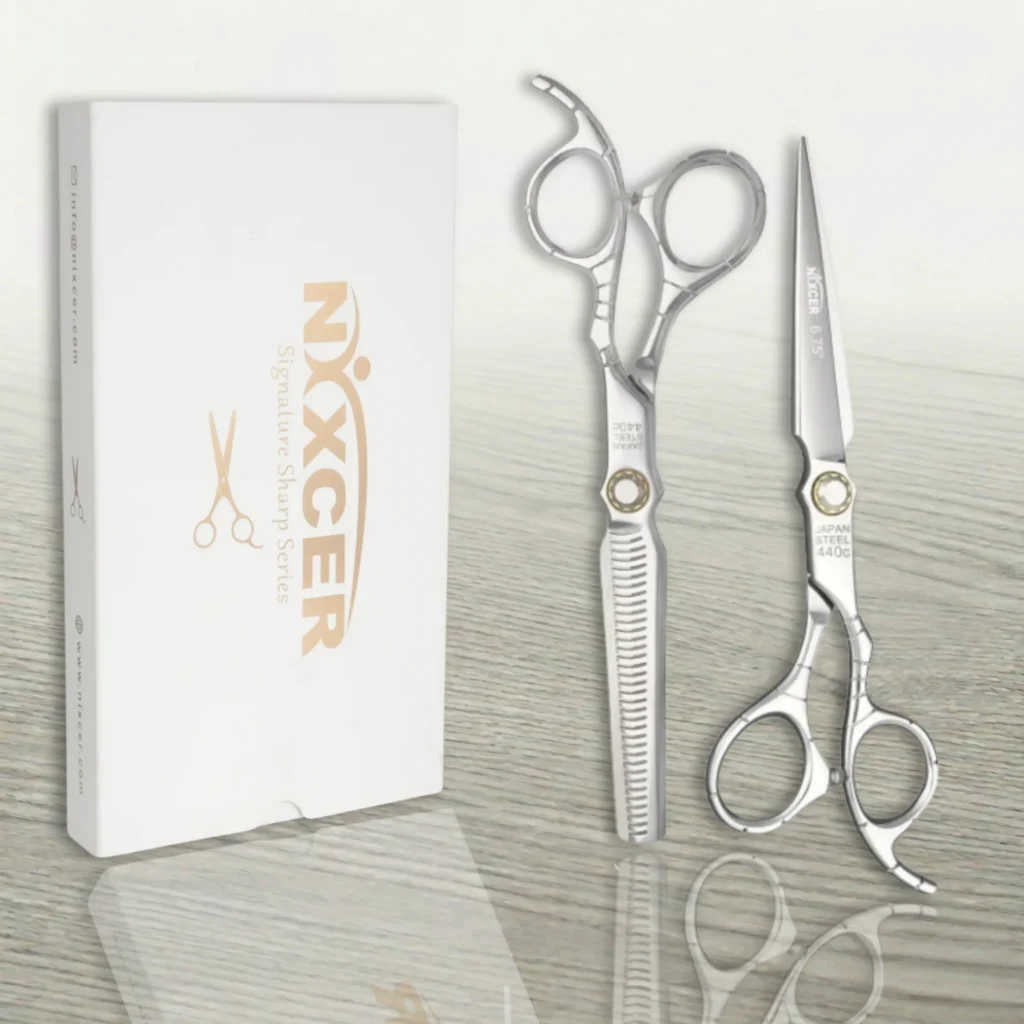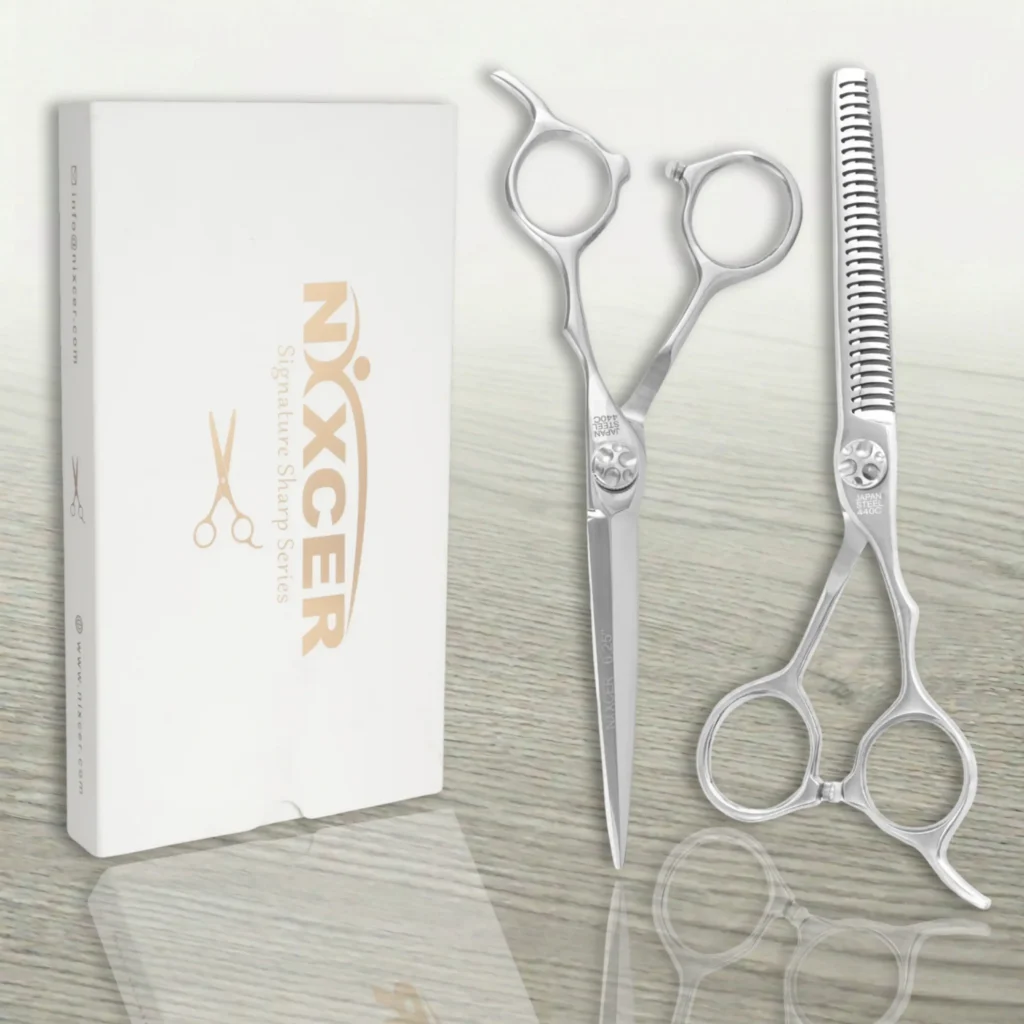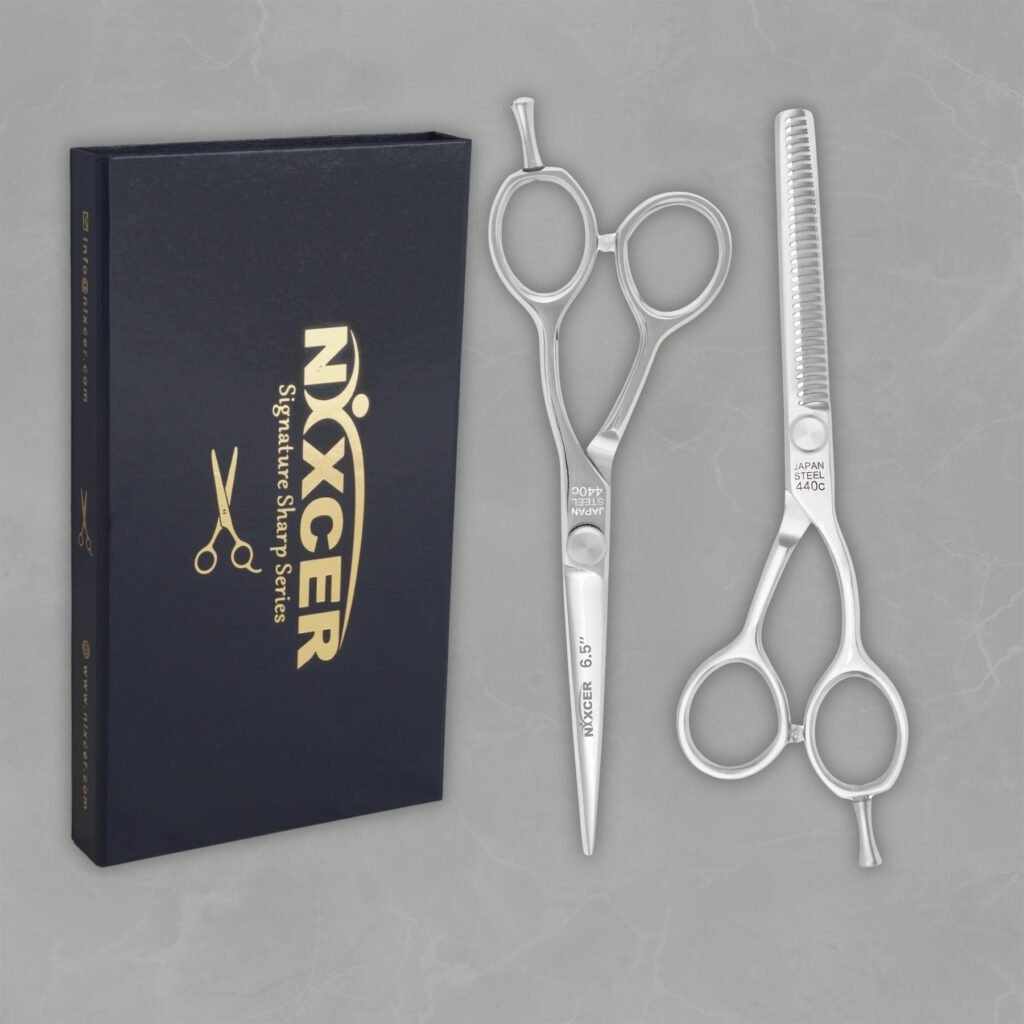
Quick Answer: What Are Texturizing and Thinning Scissors Used For?
Hair cutting scissors for texturizing and thinning are used to reduce bulk, blend weight lines, soften blunt edges, and give the hair more natural texture and movement. A thinning shear usually removes less hair per cut and is ideal for soft blending, while a texturizing shear creates more visible separation and shape.
For Nixceroutlet customers, the main rule is simple: use thinning shears when the hair needs control, use texturizing scissors when the haircut needs movement, and use chunking shears only when heavy hair needs strong weight removal. The right scissor keeps the shape clean without making the hair look weak, choppy, or over-thinned.
Who this complete guide is for
This complete guide is for a barber, professional stylist, hairdresser, student, or careful home user who wants a practical scissors guide and wants to understand the difference between thinning tools before cutting hair. It explains how to choose the right shear, how to section the hair, and how to avoid damage hair mistakes caused by dull thinning tools or poor technique.
Best short takeaway
Thinning and texturizing are not the same as regular cutting. Standard cutting removes length with a straight cutting blade, while cutting and thinning tools remove a percentage of the hair inside a hair section.
Thinning Shear vs Texturizing Shear: The Real Difference
The biggest difference between thinning tools and texturizing tools is how much hair they remove and how visible the result looks. A thinning scissor has more thinning teeth, usually closer together, so it removes a smaller percentage of hair and helps blend lines softly.
A texturizing shear usually has wider teeth or fewer teeth. It creates a stronger texturizing effect, adds texture and volume, and can make the haircut look more airy. This is why shears vs regular scissors is not the only comparison that matters; thinning vs texturizing matters just as much.
Thinning shears
Use thinning scissors when you want to reduce bulk, soften a heavy line, or control thick hair without changing the outside shape too much. Hair thinning shears are ideal for thick hair, straight hair, longer hair, some wavy hair, and sections where the hair gets too dense.
Texturizing shears
Use texturizing shears when you want to add movement, create separation, remove weight from the mid-lengths, or give the hair a lighter finish. Texturizing scissors are useful for layered cuts, modern shags, barber texture, different hair textures, and styles created by blunt cutting that need softness.
Chunking shears
Chunking shear tools remove more hair per cut than a normal thinning shear. Chunking shears are best for heavy hair, unruly hair, dense curls, and areas where a stylist needs stronger bulk removal. They can be powerful, so avoid cutting too much hair at once.
Simple comparison
Thinning shear: smooths and blends. Texturizing shear: adds shape and movement. Chunking shear: removes bigger chunks of hair from dense areas.
How Thinning and Texturizing Shears Work
Most hair thinning shears have one blade with teeth and one solid cutting blade. Some specialty hair shears have teeth on both sides. The toothed blade lets some hair pass through while the other strands are cut.
Because only part of the section is removed, the result depends on tooth spacing, tooth count, hair section size, blade sharpness, and intended use. A fine-tooth thinning scissor may remove a small percentage of the hair. A wide-tooth texturizing shear may remove more hair and create stronger separation.
Why tooth count matters
More teeth usually mean a softer finish. Fewer teeth usually mean a stronger texture. This is why professional hair cutting tools are chosen by result, not just by appearance.
Why steel quality matters
Japanese stainless steel and japanese steel are popular because they can hold a sharp edge and support smooth cutting. A high-quality scissor made from japanese stainless steel is less likely to pull hair, especially during dry cutting on dry hair.
Watch for dull thinning tools
Dull thinning scissors can snag the hair shaft, create frizz, and damage hair. If your shears may be pulling instead of gliding, stop and book professional sharpening.
When to Use Thinning Shears
Use thinning shears when the haircut looks too bulky, the shape is too heavy, or the layers need a softer blend. Thinning scissors are one of the most useful finishing tools, but the use of thinning shears should be controlled and careful because every close removes hair from the section.
Best uses for thinning shears
Thinning shears are useful for reducing bulk in thick hair, softening weight lines, blending layers, refining men’s cuts, and making heavy ends sit flatter. They are also useful when barbers use scissor-over-comb and want a softer transition.
When not to use thinning shears
Do not use thinning shears on thin hair that already lacks density. Be careful with fine hair, curly hair, and damaged hair because too many cuts can make the hair look stringy. Avoid cutting close to the scalp unless you understand how the hair will expand as it grows.
Pro control tip
Section the hair cleanly, close the thinning shear once, comb through, then check the result before making another cut. This prevents removing much hair by accident.
When to Use Texturizing Scissors
Use texturizing scissors when the goal is not just to make the hair thinner, but to create texture. Texturizing helps give the hair movement, separation, and a more natural finish.
Best uses for texturizing
Use texturizing for layered haircuts, shags, pixies, short barber styles, thick ends, and heavy interior sections. A texturizing shear can break up a strong line and add texture and movement without changing the overall length too much.
Use texturizing with care
Use texturizing only where the hair that needs movement can handle it. Too much texturizing on fine hair or thin hair can make the shape look weak. On curly hair, use hair thinning tools carefully because uneven removal may create frizz.
Dry or damp hair?
Many stylists prefer hair dry for final texturizing because dry hair shows its real shape. Damp hair can hide how much hair has been removed, so work slowly if you texturize before the final blow-dry.
How to Use Thinning Shears Step by Step
Learning how to use thinning is mostly about control. Use thinning shears only after the basic haircut shape is already built with regular cutting or hair cutting scissors.
Step 1: Choose the right section
Take a clean hair section and decide whether it needs thinning, blending, or texture. Do not thin randomly. The goal is to remove bulk where the hair is heavy, not to remove hair everywhere.
Step 2: Hold the shear at the right angle
Keep the scissor slightly open, place it in the mid-lengths or ends, then close once. Do not repeatedly open and close in the same spot. Using hair thinning shears too many times in one place can leave gaps.
Step 3: Comb and check
After each cut, comb the section and check the blend. Use thinning scissors in small steps, especially on fine hair, curly hair, or hair without much density.
Step 4: Finish with balance
Check the haircut from both sides. If one side looks thinner, stop. The purpose of shears and thinning is control, not over-removal.
Safety reminder
Use thinning shears at the right distance from the scalp. Cutting too close can create short pieces that stick up as the hair grows.
How to Use Texturizing Shears for Blend, Volume, and Movement
Texturizing shears serve a different purpose from regular cutting shears. They help blend, soften, and shape the hair without making the cut look flat.
For blending and texturizing layers
Hold the hair section with light tension, place the texturizing shear where the weight line begins, close once, and slide out gently. This helps blend layers while keeping the style natural.
For texture and volume
Use texturizing near the mid-lengths and ends to create airy movement. This can give the hair more lift and a softer finish, especially when the base cut feels too solid.
For thick hair and heavy hair
Work in small sections and use fewer cuts. Thick hair can handle more texturizing than fine hair, but removing too much hair can still create holes.
Point cutting plus texturizing
Point cutting with straight hair cutting scissors can soften the perimeter first. Then use texturizing shears only where the blend still looks heavy.
How to Choose the Right Shears for Cutting, Thinning, and Texturizing
Choosing the right tool depends on intended use, hair types, hand comfort, and steel quality. A professional hair kit should include a standard cutting shear, one thinning scissor, and possibly one texturizing shear if you do a lot of layered work. Good hair scissors and hairdressing scissors should match how the hair and use case behave in real cutting.
Choose by hair type
For thick hair, choose professional thinning shears or blending shears that reduce bulk smoothly. For fine hair, choose a gentler tooth pattern and use fewer cuts. For curly hair, work dry when possible and avoid removing weight from areas that support the curl shape.
Choose by hand and control
Look for a comfortable handle, smooth tension, and a balanced feel. If you are left-handed, left-handed thinning scissors give better control than forcing right-handed tools.
Choose by blade and steel
Japanese stainless steel, quality tension screws, and sharp teeth help the shear cut cleanly. Cheap thinning shears may feel tempting, but cheap thinning tools can pull hair, lose sharpness quickly, and make cutting harder.
Buying tip for Nixceroutlet
If you want one starter tool, choose a versatile hair thinning shear for blending. If your cuts need more visible shape, add a texturizing shear later. Barber shears can also support detail work when the cut needs clean edges before thinning.
Mistakes That Can Damage Hair
Texturizing and thinning can make a haircut look professional, but poor technique can damage hair or ruin the shape. The most common mistake is removing too much hair in one section.
Mistake 1: Cutting too close to the scalp
This creates short pieces that can stick out. Keep thinning and texturizing away from the scalp unless you are trained in a specific barber or salon technique.
Mistake 2: Using dull thinning tools
Dull thinning scissors can pull and tear the hair shaft. Professional sharpening keeps the teeth and cutting blade aligned.
Mistake 3: Using the wrong tool
A thinning scissor is not always the best choice for texture, and a chunking shear is not always safe for subtle blending. Shears are used based on the finish you want, not just because they are available.
Simple prevention rule
Cut less than you think you need. You can always remove more hair, but you cannot put it back.
Suggested Internal Links for Nixceroutlet
Keep internal links light so the article stays helpful and natural.
Shop professional hair cutting shears at Nixceroutlet
Professional Hair Thinning Scissors
Professional Sharp Series Razor Edge Hair Cutting Scissors
Frequently Asked Questions
What is the difference between thinning shears and texturizing shears?
Thinning shears reduce bulk and blend lines. Texturizing shears add visible texture, shape, and movement.
Can thinning scissors damage hair?
Yes, if they are dull, used too often, or used on the wrong hair type. Sharp shears and careful technique reduce the risk.
Should I use thinning shears on wet hair or dry hair?
Many stylists prefer dry hair for final thinning because the real shape is easier to see. Damp hair is possible, but it can hide over-thinning.
Are thinning shears good for curly hair?
They can be used on curly hair, but only carefully. Removing weight from the wrong area may disrupt the curl pattern and create frizz.
What are blending shears?
Blending shears are often another name for thinning shears. They soften transitions and help blend layers without leaving a harsh line.
Final Thoughts
Texturizing and thinning are powerful skills, but they need the right tool and a patient hand. A good thinning shear can reduce bulk and blend lines, while a texturizing shear can give the hair movement, shape, and softness.
For Nixceroutlet readers, the best approach is to choose the right shear for the hair type, cut slowly, check every section, and maintain your tools with cleaning and professional sharpening. That is how shears are the best support for cleaner, safer, more confident hair cutting.