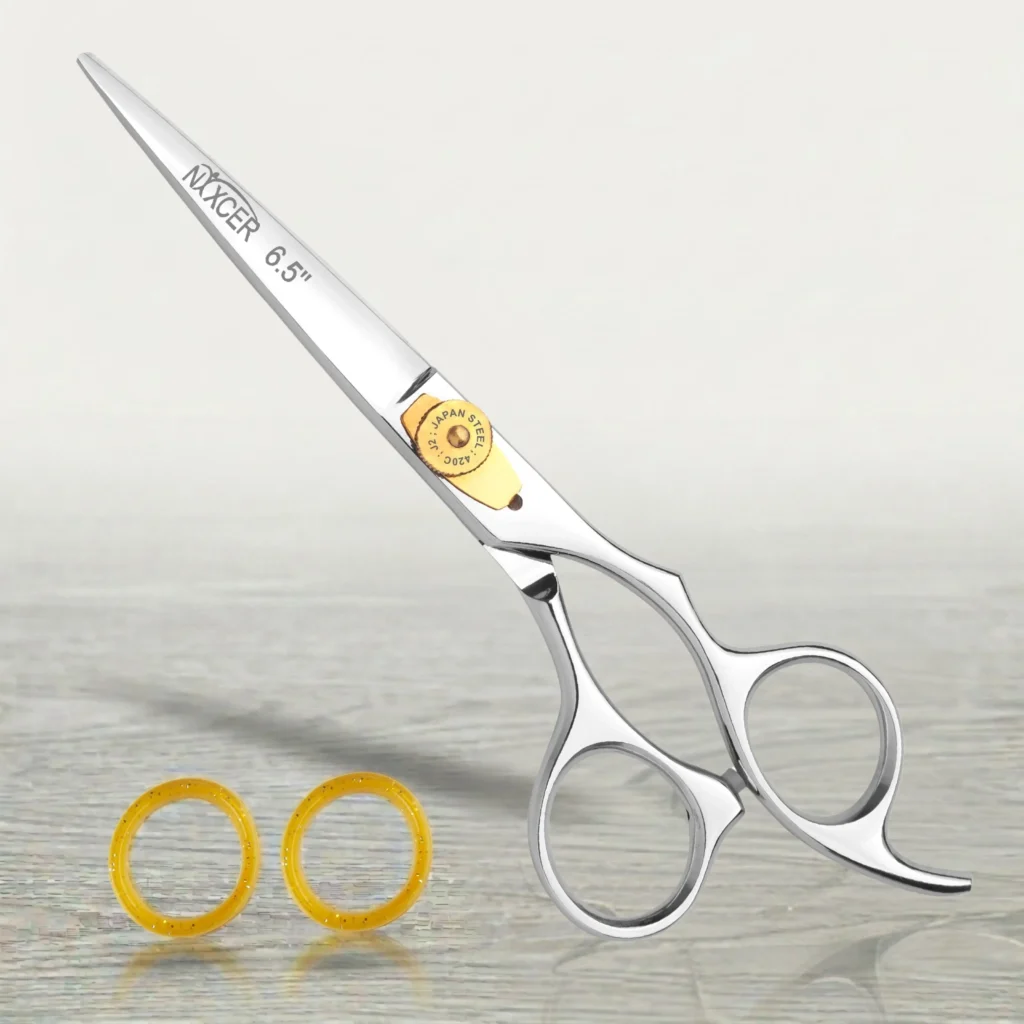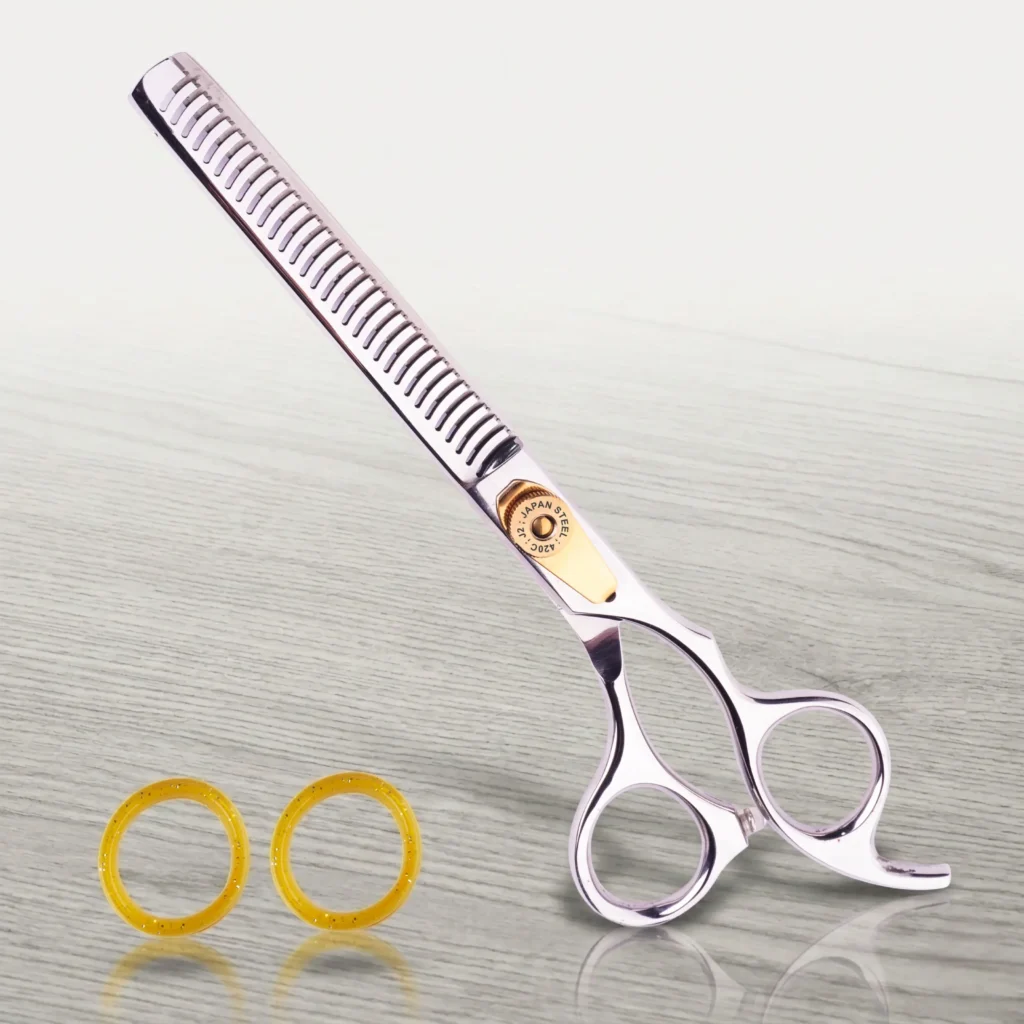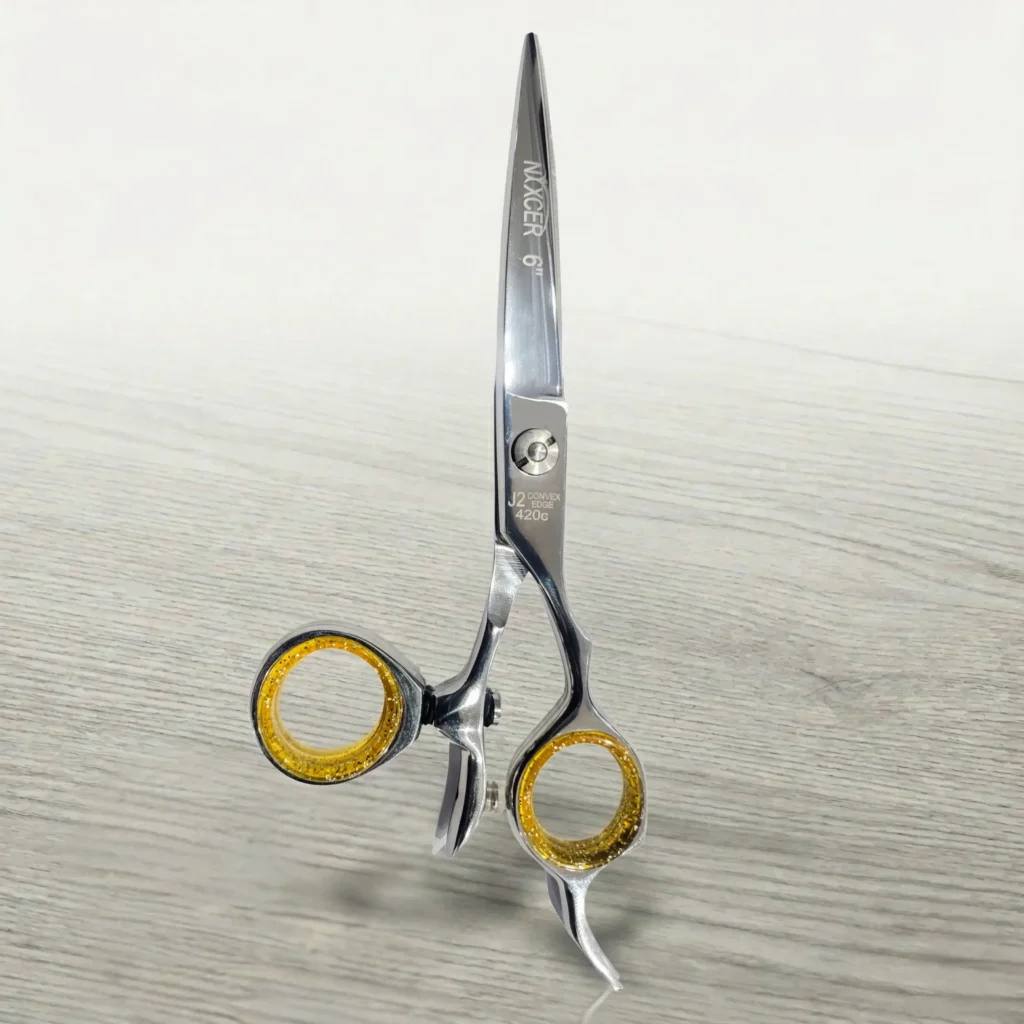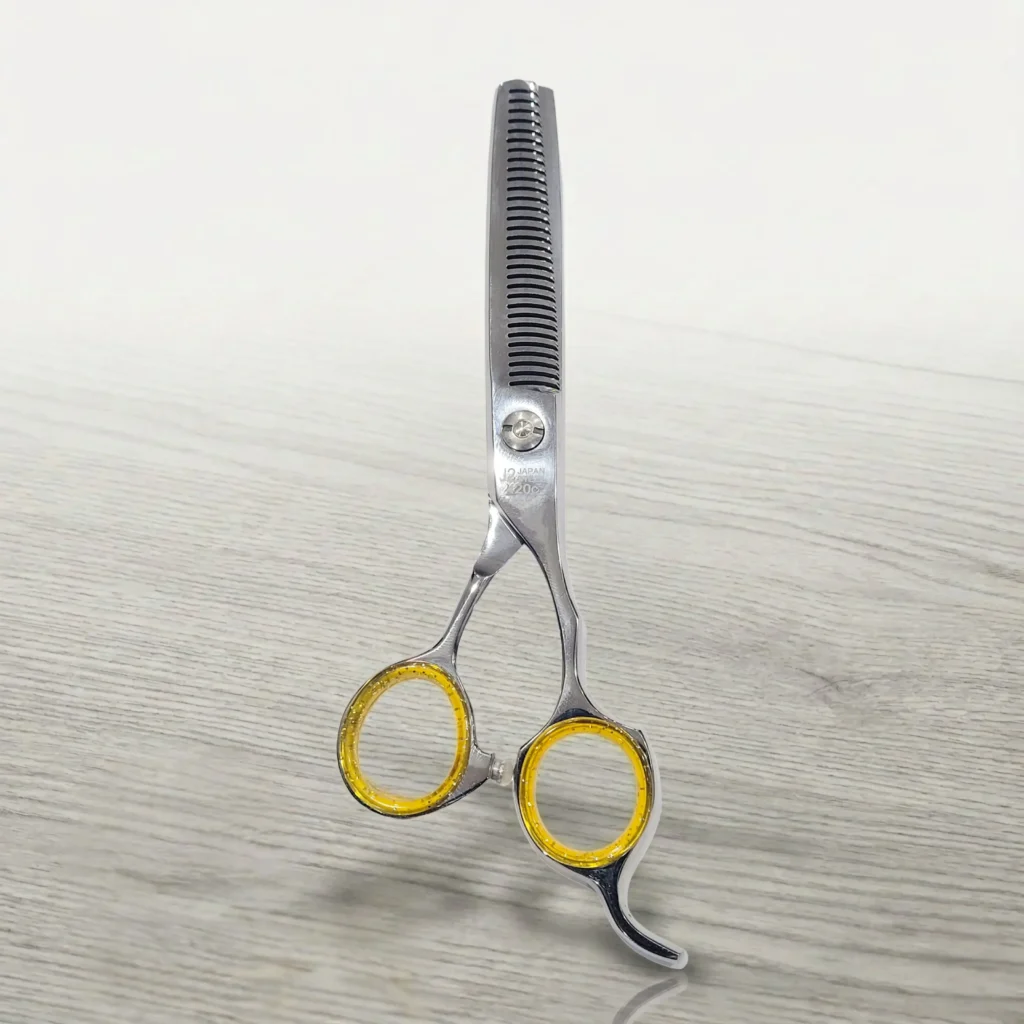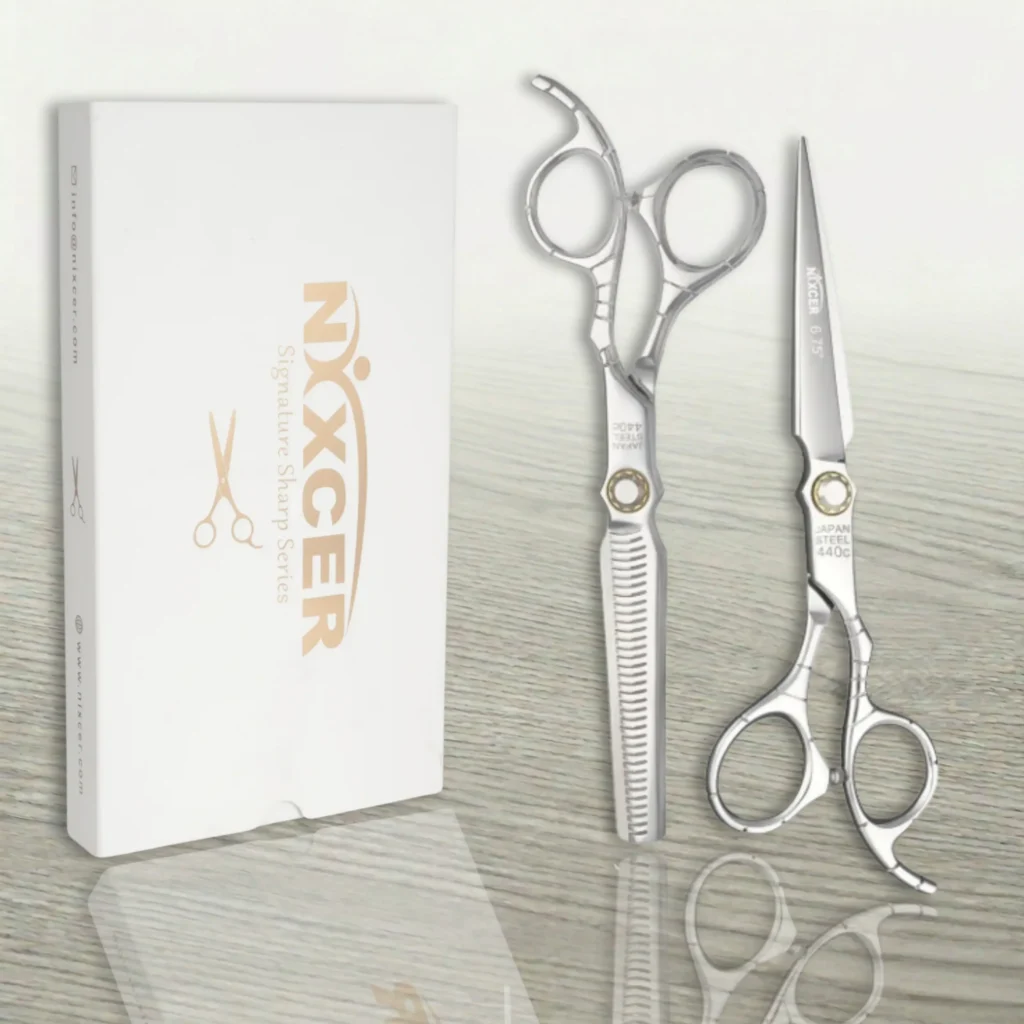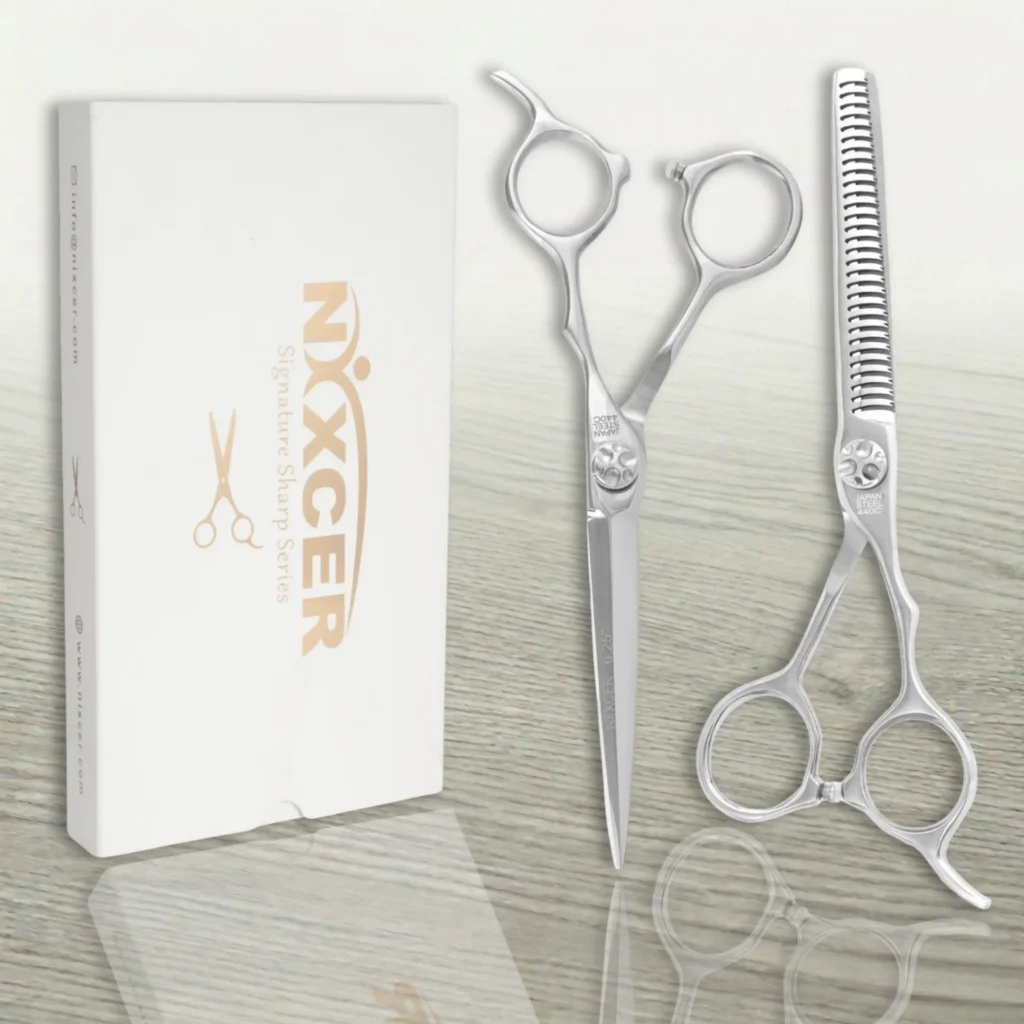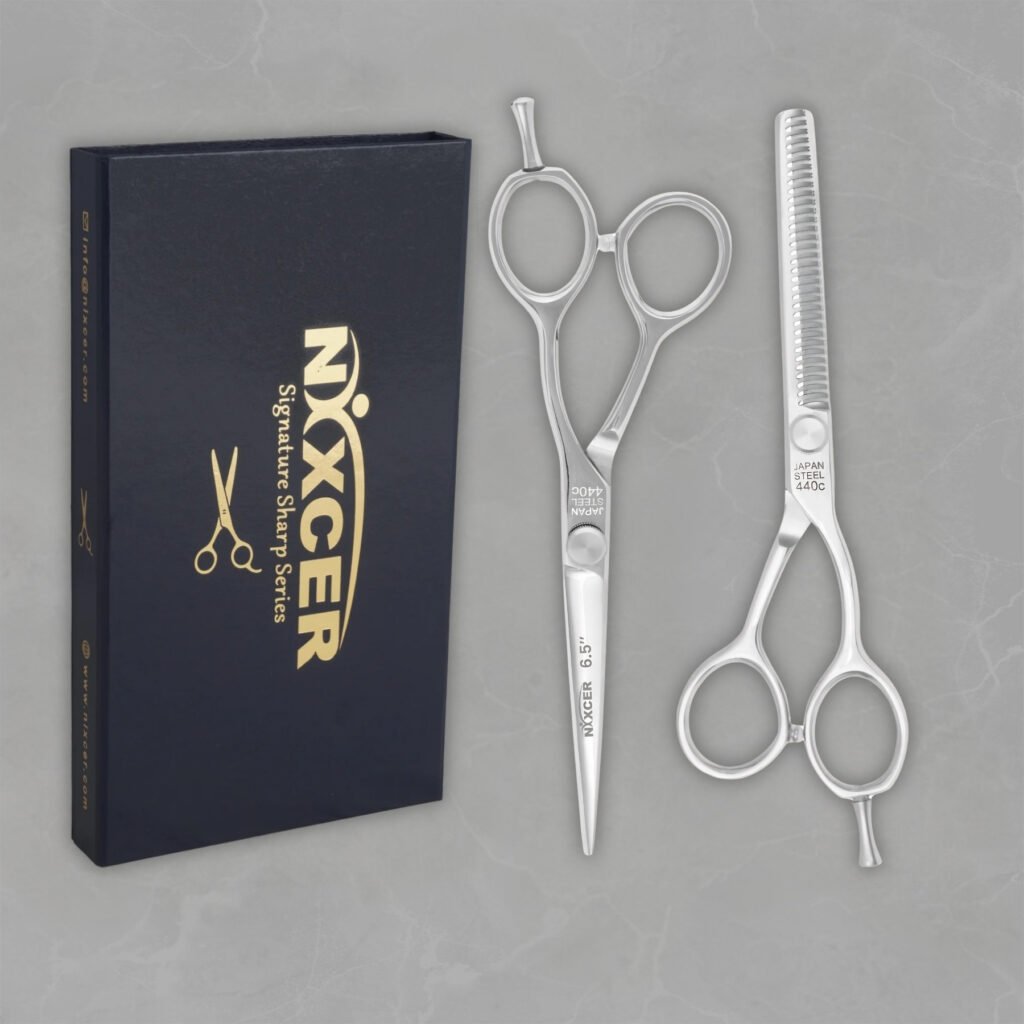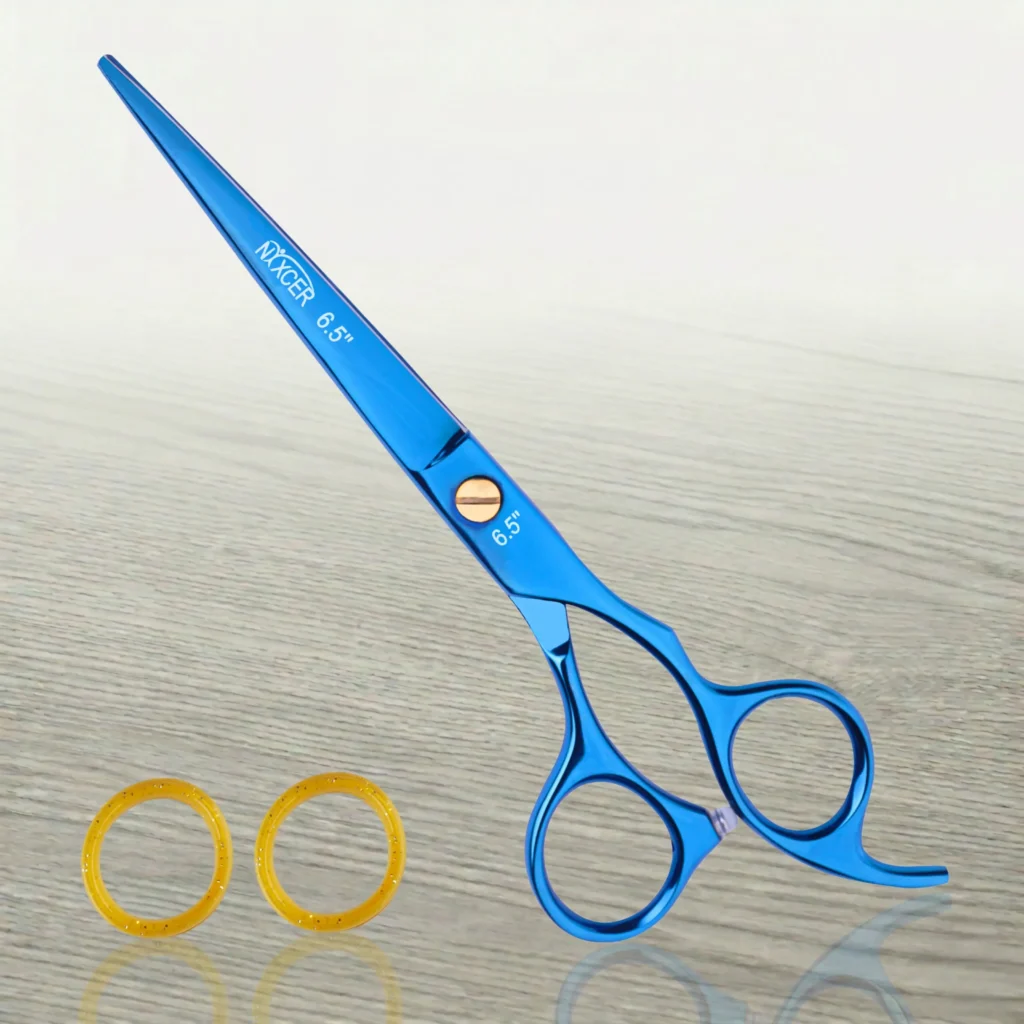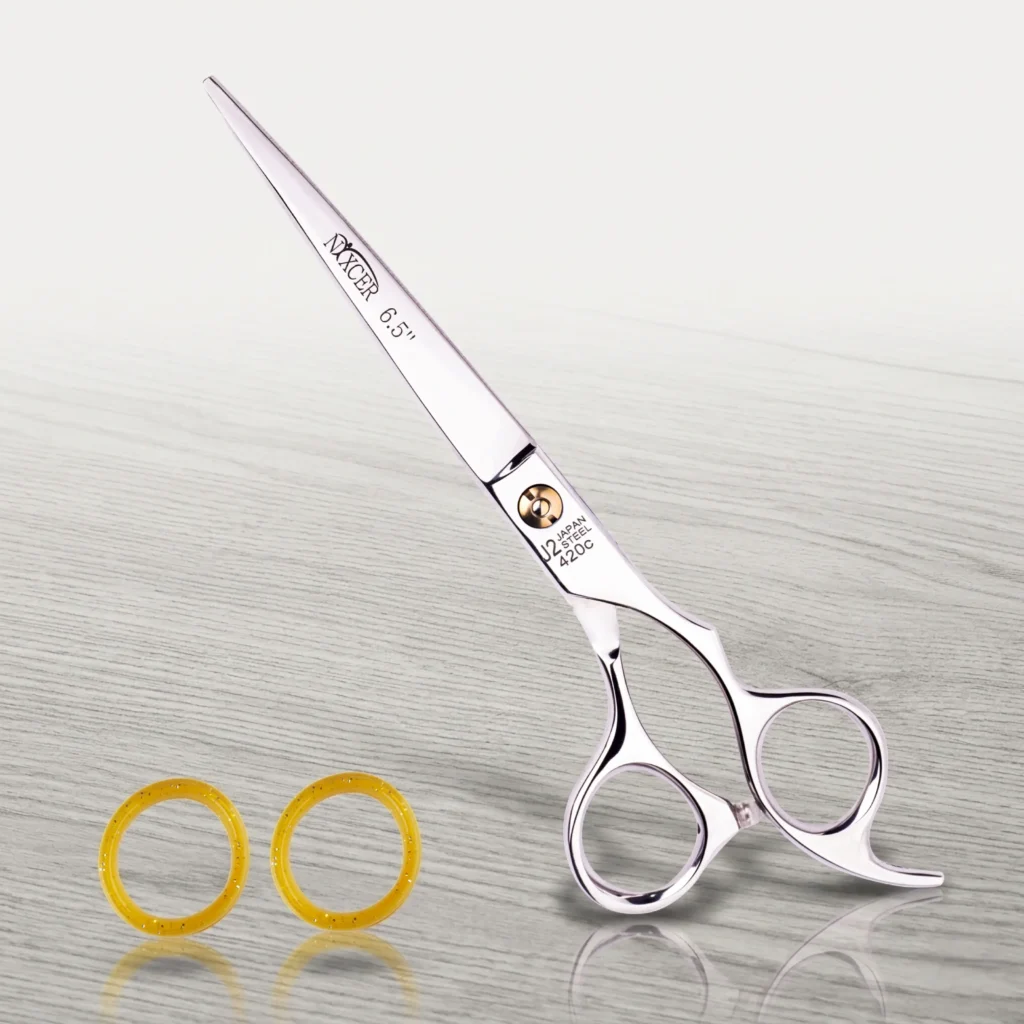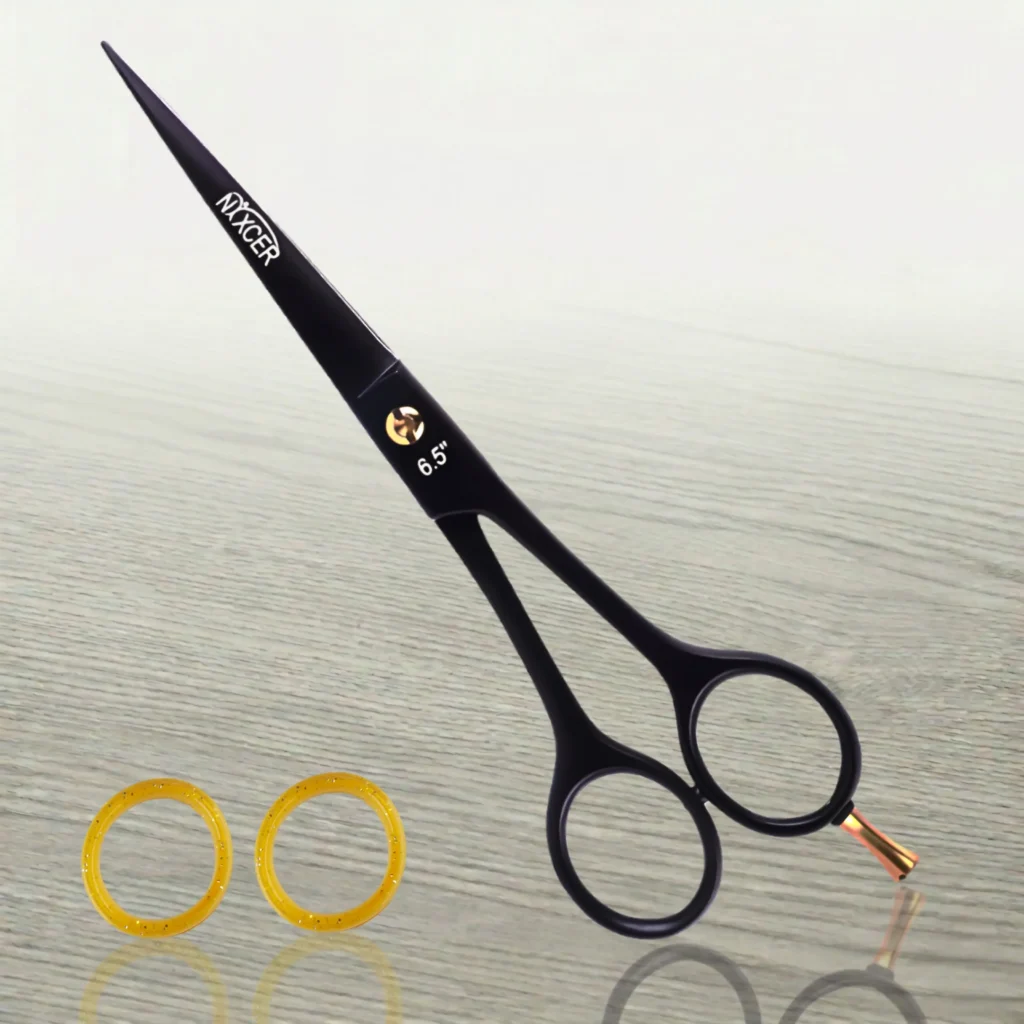

Choose salon hair cutting scissors by the services you book most often, then fit each daily pair to the stylist who uses it. Start with reliable cutting shears for core appointments. Add thinning or specialist scissors where the work calls for them, and keep compatible backups for tools that leave the salon for service. Compare the cost of sharpening and downtime alongside the purchase price.
The salon can standardize its buying checks, care routine, and service records without making every stylist use the same length or handle. A model that works for a right-handed stylist cutting blunt perimeters may not cover a left-handed colleague’s detail work or make a suitable backup.
Review Your Appointment Mix Before Ordering
Look at a representative stretch of appointments and ask the stylists which cuts recur. Include the techniques that take up meaningful time, such as blunt perimeters, short graduation, point cutting, and weight removal. Note who performs each one and what limits their current tool. A missing left-handed backup is a different problem from a daily shear that needs sharpening.
Separate purchases into three groups: daily cutting pairs, specialist tools for recurring tasks, and backups. Fund daily coverage first. A large matching set has little value if it leaves a stylist without a comfortable primary pair or a workable spare.
Match Each Purchase to a Salon Task
| Frequent work | What to compare | What to confirm before buying |
| Blunt perimeters | Continuous edge and a blade line suited to holding the section | The stylist can see the guide and complete the closure without pushing hair |
| Detail and point work | Manageable working length and tip profile | The tips are easy to see and guide in the actual working position |
| Scissor over comb | A working edge long enough for the section | The stylist can control the shear alongside the comb |
| Slide cutting | A model the maker specifies for sliding | Its edge finish and blade line suit the intended stroke |
| Blending or weight removal | Tooth design and the maker’s stated cut ratio | The amount removed matches the intended finish |
| Backup coverage | Handedness, fit, and cutting function | The intended stylist can use the spare when the primary pair is unavailable |
The table is a starting point. JOEWELL’s blade guide distinguishes edge geometry from blade line. Convex and beveled describe the edge shape, while straight and curved describe the blade along its length. Neither term alone tells you whether a shear is right for a particular stroke. See our blunt cutting scissors guide for more detail on perimeter work.
Choose thinning scissors for a specific result. JOEWELL’s thinning guidance notes that tooth shape and count affect removal. Do not buy two models as equivalents based on tooth count alone. Ask for the intended cut ratio and how the manufacturer describes its use.
Fit Daily Shears to Each Stylist
Ask each stylist to compare a small shortlist in the positions they use on the floor. With a secure grip, check thumb reach, ring fit, and visibility of the tips during slow opening and closing. The tool should feel controllable without clenching the handle. If a trial cut is permitted, follow the supplier’s conditions and use only manufacturer-approved material.
JOEWELL’s sizing guide distinguishes shorter tools for detail from longer formats for greater coverage. Ask for both overall size and working blade length, since an inch label alone does not show how much cutting edge you gain. Its handle guide also describes symmetric and offset options and ring inserts. An insert can reduce an oversized opening, but it does not change thumb reach or blade orientation.
Confirm true handedness by the model specification. A ring that feels comfortable in the left hand does not establish that the blades are arranged for left-handed cutting. Record left-handed requirements for backup pairs as well as daily tools. For a more detailed individual fitting process, use The Ultimate Shear buying guide.
Plan Backup Coverage Around Service Downtime
Choose spares by considering which stylists would lose the ability to complete booked services if a tool were damaged or sent away. A spare does not need the same color or model name. It does need the right handedness, a familiar fit, and the ability to perform the essential cut.
For example, if two right-handed stylists can both use a fitted backup but a third stylist cuts left-handed, one right-handed spare does not cover the whole team. Stagger sharpening appointments so the stylists who share a backup are not relying on it at the same time. Keep backup tools protected and in a ready-to-use condition rather than discovering a fault on a busy shift.
Compare the Full Cost of Owning Each Model
Request the exact model, handedness, edge finish, adjustment tool, and care instructions. Get a written sharpening quote or service policy where possible. Compare the purchase cost plus expected sharpening, shipping, and replacement parts over the same planning period. Account for downtime separately if no suitable backup is available.
Ask who can service the edge without changing its intended geometry, what the turnaround normally looks like, and whether outside sharpening affects the warranty. Confirm return terms before trialing any new tool. A low upfront price may still suit the salon, but only if the model fits and the team can maintain it.
Avoid treating a steel label or hardness rating as a complete quality score. Those specifications do not tell you whether a stylist can reach the thumb ring or whether the seller supplies a compatible adjustment key. Start with fit and function, then compare material and support claims for the remaining candidates.
Set a Routine for Care and Service
Label each salon-owned pair and record its assigned user or station, model, handedness, compatible key, and last service date. Give the team a clear place to put tools that are ready to use and a separate place for tools awaiting cleaning or inspection. For shared pairs, assign responsibility for returning them to ready-to-use condition before another stylist takes them.
Follow the manufacturer’s care instructions and the salon’s applicable sanitation requirements. Cleaning, disinfection, and lubrication are separate tasks; oil does not replace disinfection. See our scissor cleaning and disinfection guide for the related workflow.
If scissors start folding hair or feel rough, stop and check the tool rather than automatically ordering a replacement. Use the manufacturer’s prescribed tension method. The MIZUTANI product manual illustrates why adjustment and maintenance are model-specific. Persistent catching, visible damage, or changes after a drop warrant inspection. The Nixcer tension test guide explains how to interpret a test without mistaking it for a sharpness check.
Pilot the Shortlist Before Buying for the Team
Start with the Nixcer hair cutting scissors collection and compare only the formats that meet the salon’s requirements. The Signature Sharp SWORD shears are one model to inspect, not a universal recommendation. Browse the Nixcer thinning scissors collection separately if the salon needs a toothed tool.
Check fit with the actual users and confirm any unclear listing details with Nixcer Outlet. Once the shortlist is tested under permitted conditions, order the daily and backup pairs first. Review whether specialist purchases are still needed after the main gaps are covered.
Frequently Asked Questions
Should Every Stylist Use the Same Scissors
No. Standardize purchasing criteria and care records, but fit each daily shear to the user’s handedness, hand, and techniques. Share a model only when it suits the intended users.
How Many Backup Scissors Does a Salon Need
There is no universal count. Map compatible spares to the users and services they need to cover, including left-handed work and overlapping service downtime.
Does Every Stylist Need Thinning Scissors
Not necessarily. Buy them where the salon performs techniques that need selective weight removal or blending. A standard cutting shear remains the primary tool for establishing length and shape.
Are Longer Scissors Better for Busy Salons
A longer working edge can cover more of a section per closure, but it still needs to fit the stylist and task. Try it alongside a shorter format before choosing it for speed alone.
How Often Should Salon Shears Be Sharpened
Follow the maker’s service guidance and assess the tool’s performance. Cutting volume, condition, and maintenance vary. Rotate pairs through service instead of sending every primary pair away together.