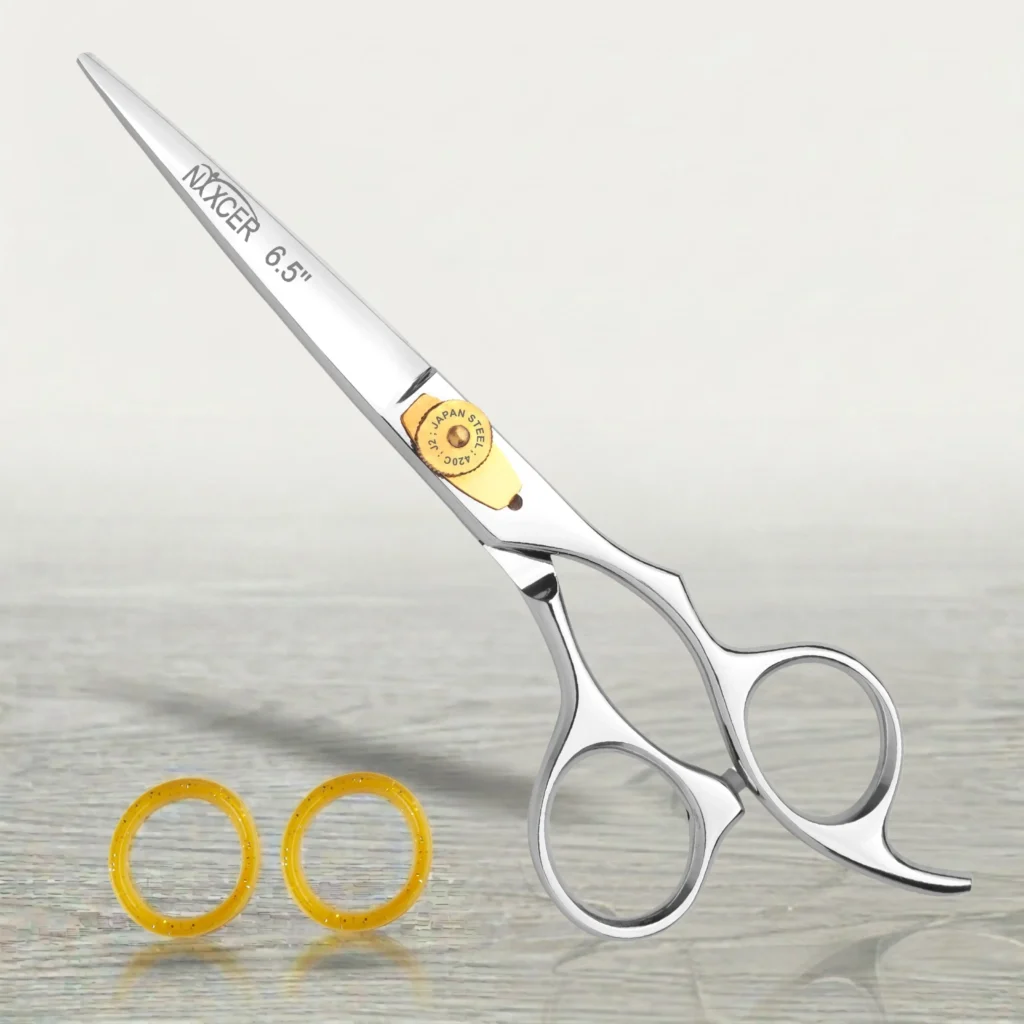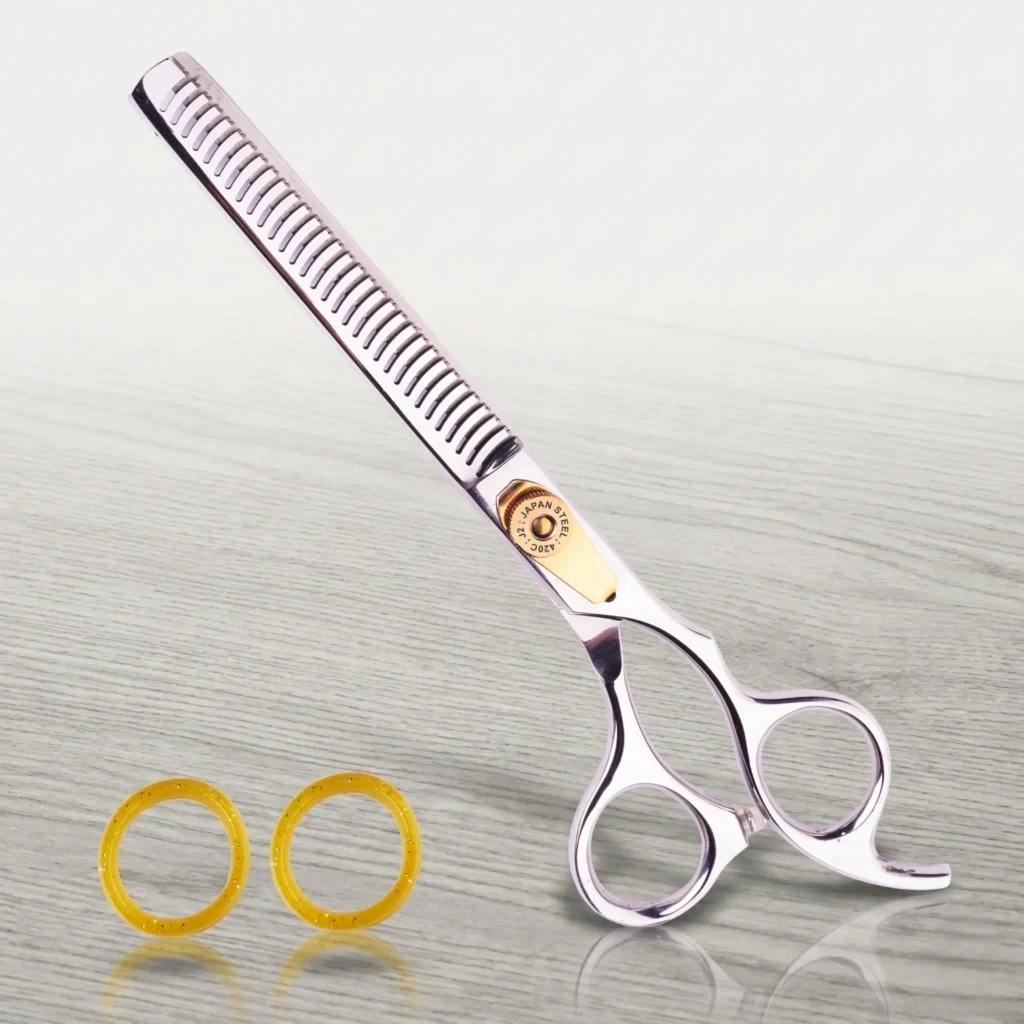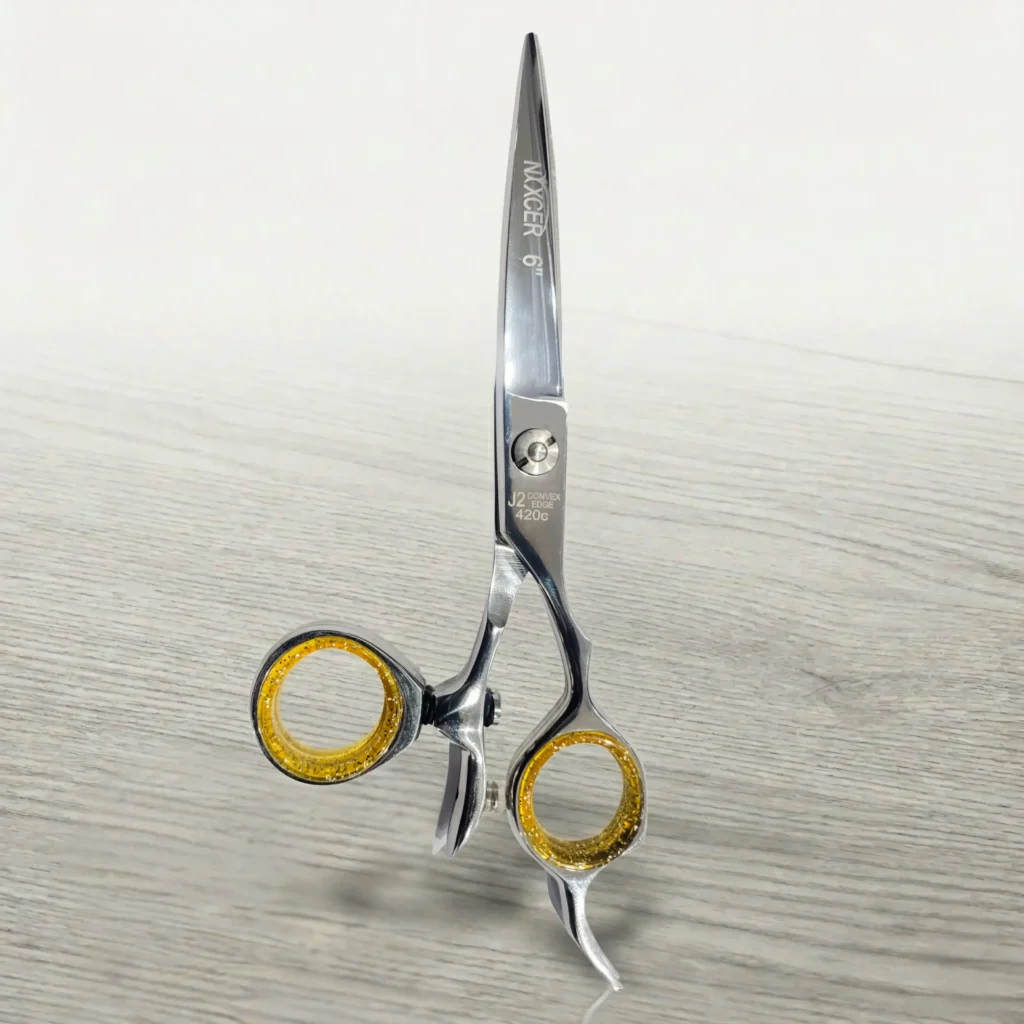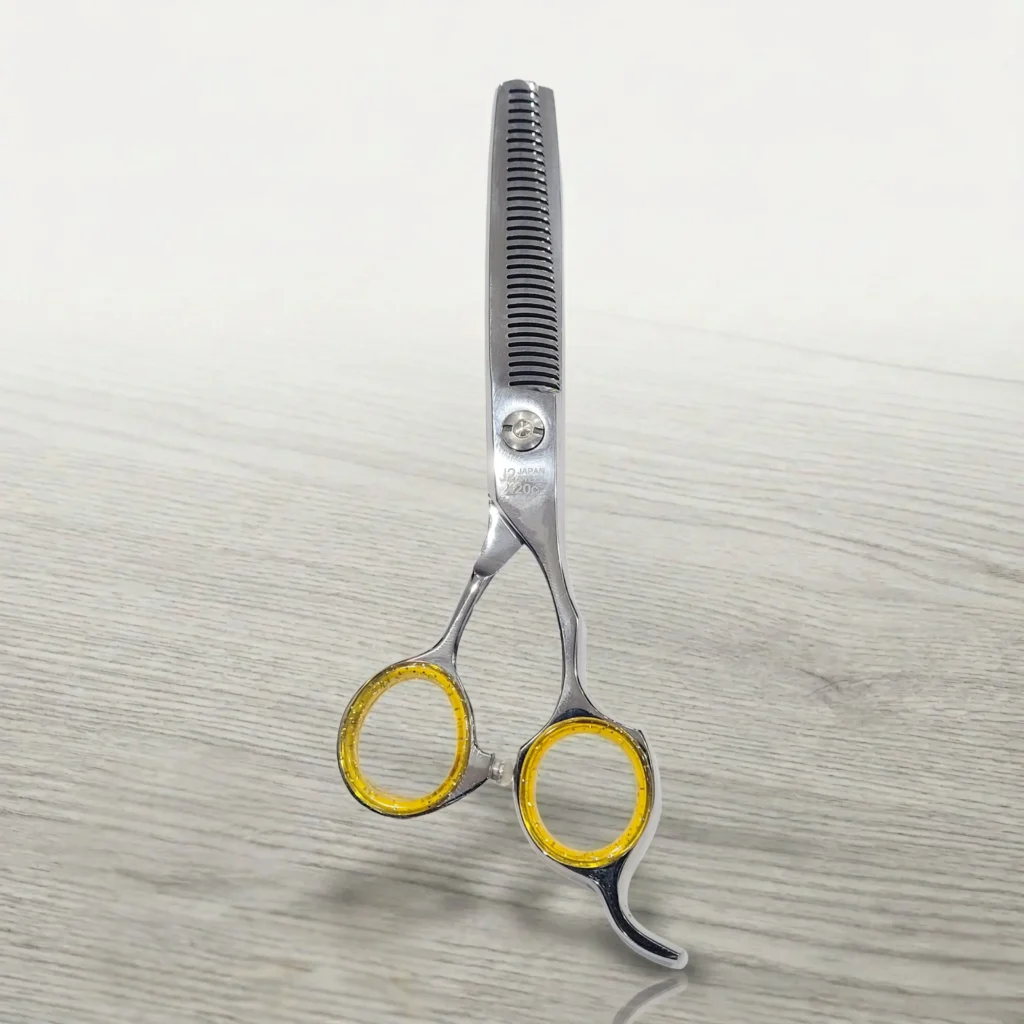
The best hair cutting scissors for graduated haircuts are sharp, stable 5.5- to 6.0-inch shears with precise tip alignment, a straight or gently curved blade, and an edge that cuts cleanly across an elevated section. For most professional hair cutting, a semi-convex or refined razor edge gives a useful balance of control and smoother cutting. An ergonomic offset handle can also reduce unnecessary thumb reach during repeated use.
Graduation is unforgiving. Small changes in elevation, over direction, blade angle, or tension can shift the weight line and affect the whole hairstyle. This guide compares the most relevant Nixcer Outlet scissors, explains how each feature changes cutting performance, and shows when a separate thinning shear or longer barber scissor belongs in the kit.
Quick Picks: Best Hair Cutting Scissors for Graduated Haircuts
| Editorial category | Nixcer option | Best use |
| Best overall match | Professional Sharp Series Razor Edge Hair Cutting Scissors | General graduation, point work, cross-checking, and dry refinement |
| Best for dense sections | Broad Blade Razor Edge Hair Cutting Scissors | Thick hair, broad sections, and stable perimeter work |
| Best for controlled weight removal | Professional Series Hair Thinning Scissors | Soft blending after the structure is complete |
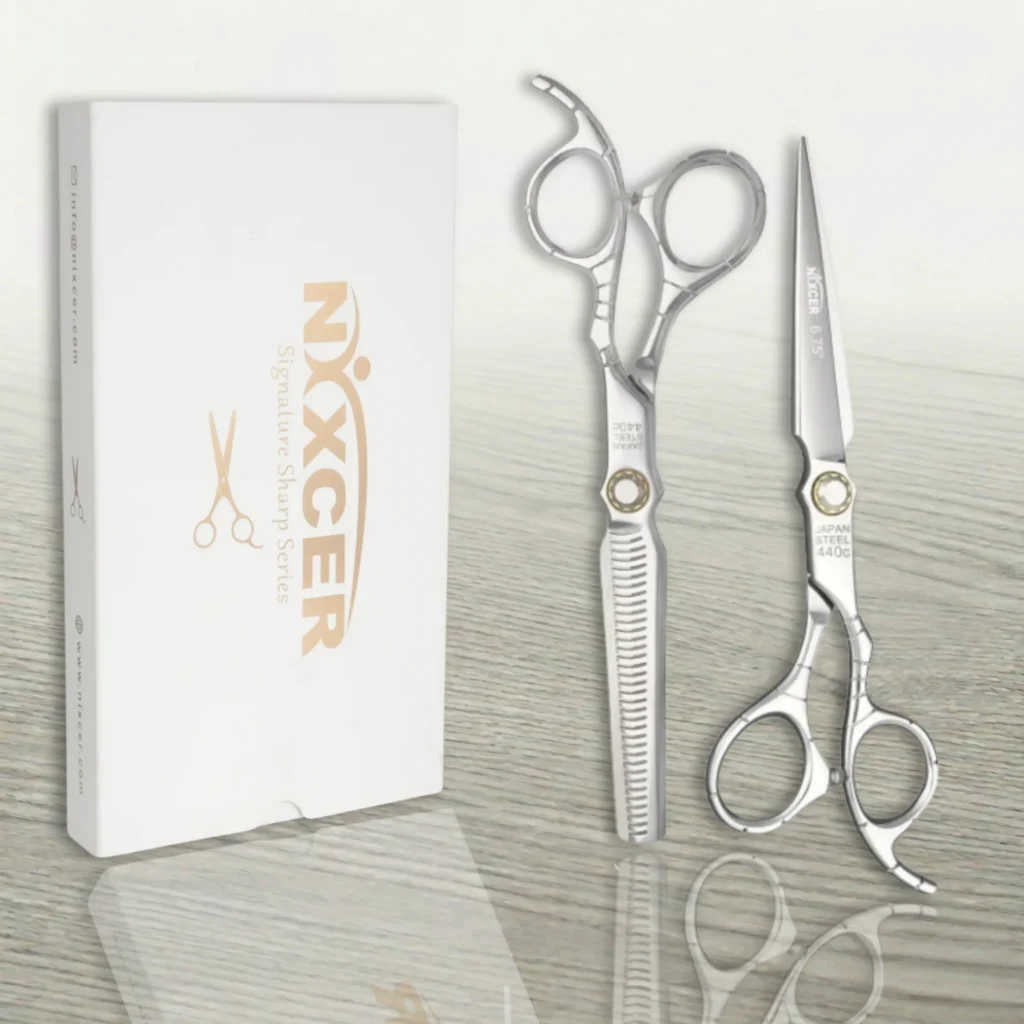
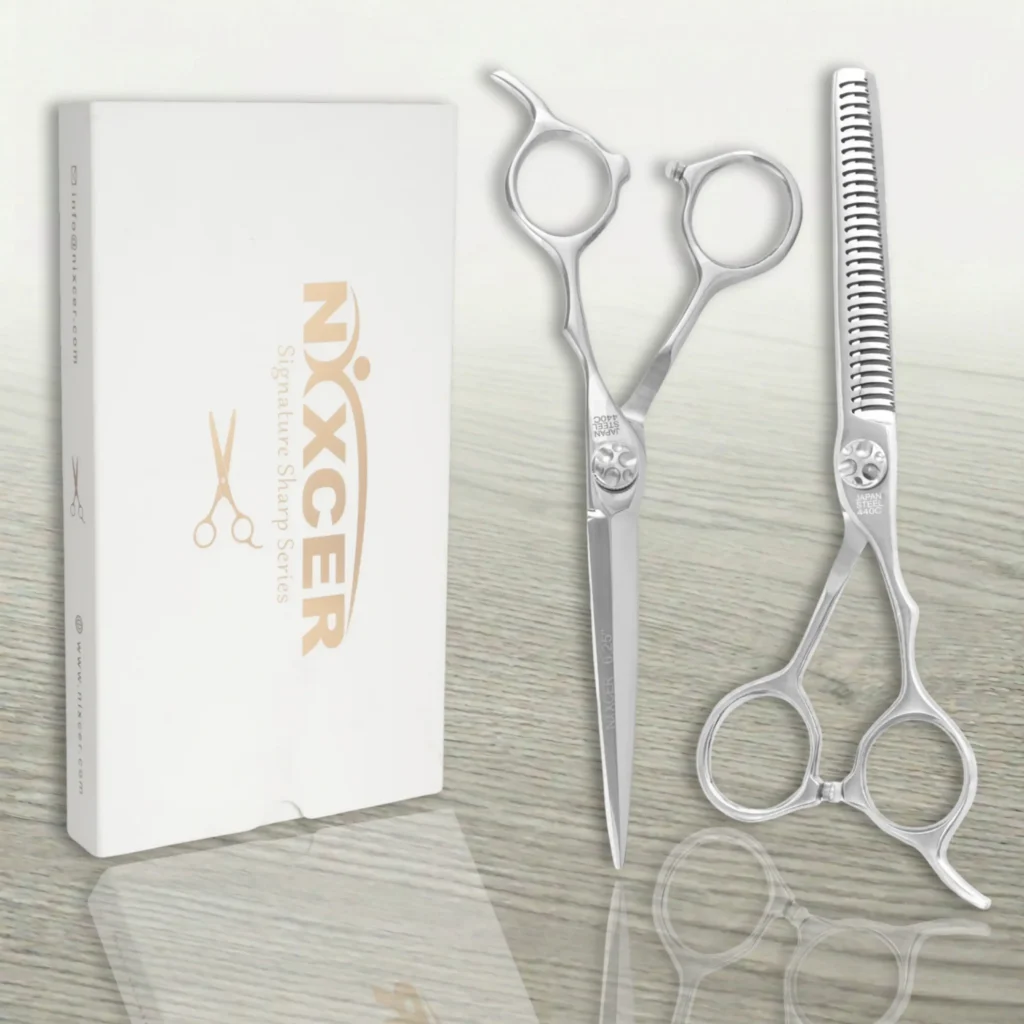
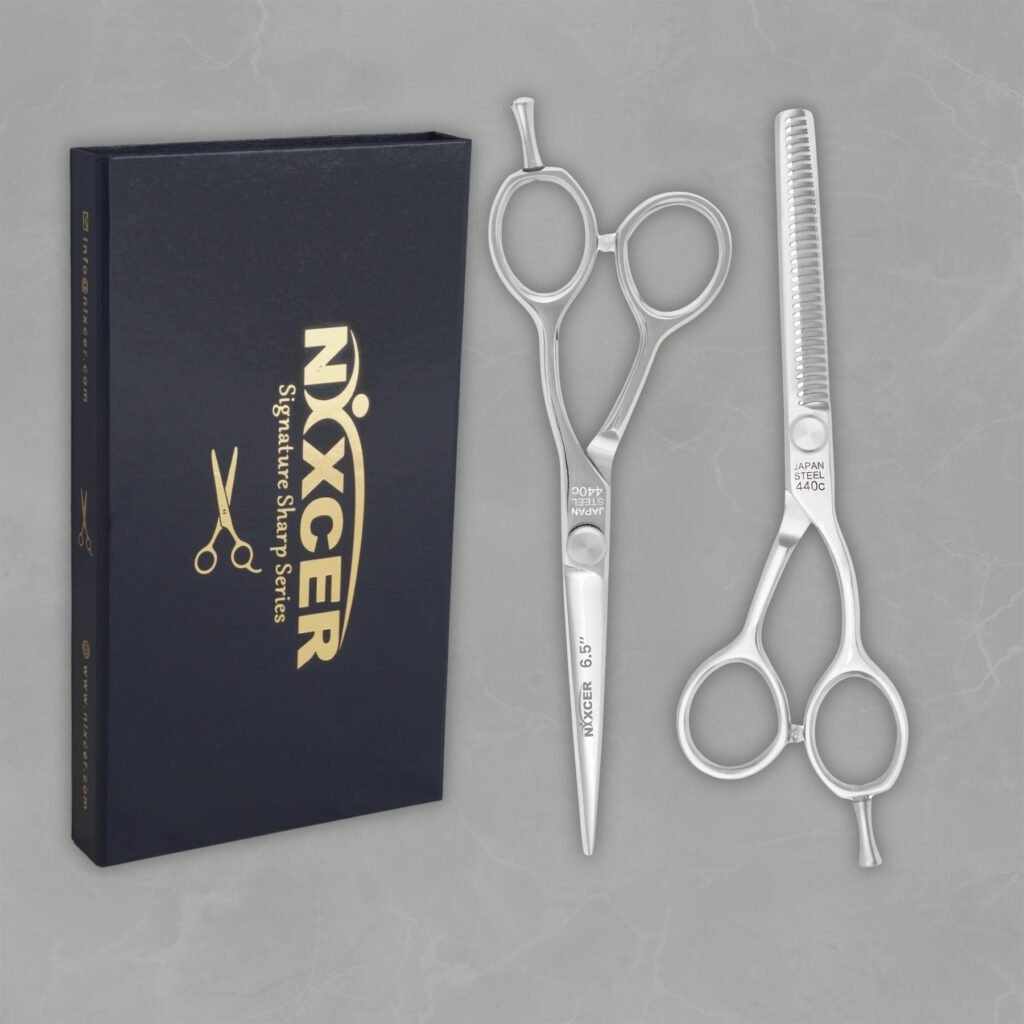
| Best coordinated set | Signature Sharp Series SWORD Hair Cutting and Thinning Scissors | Stylists who want separate cutting and texture tools |
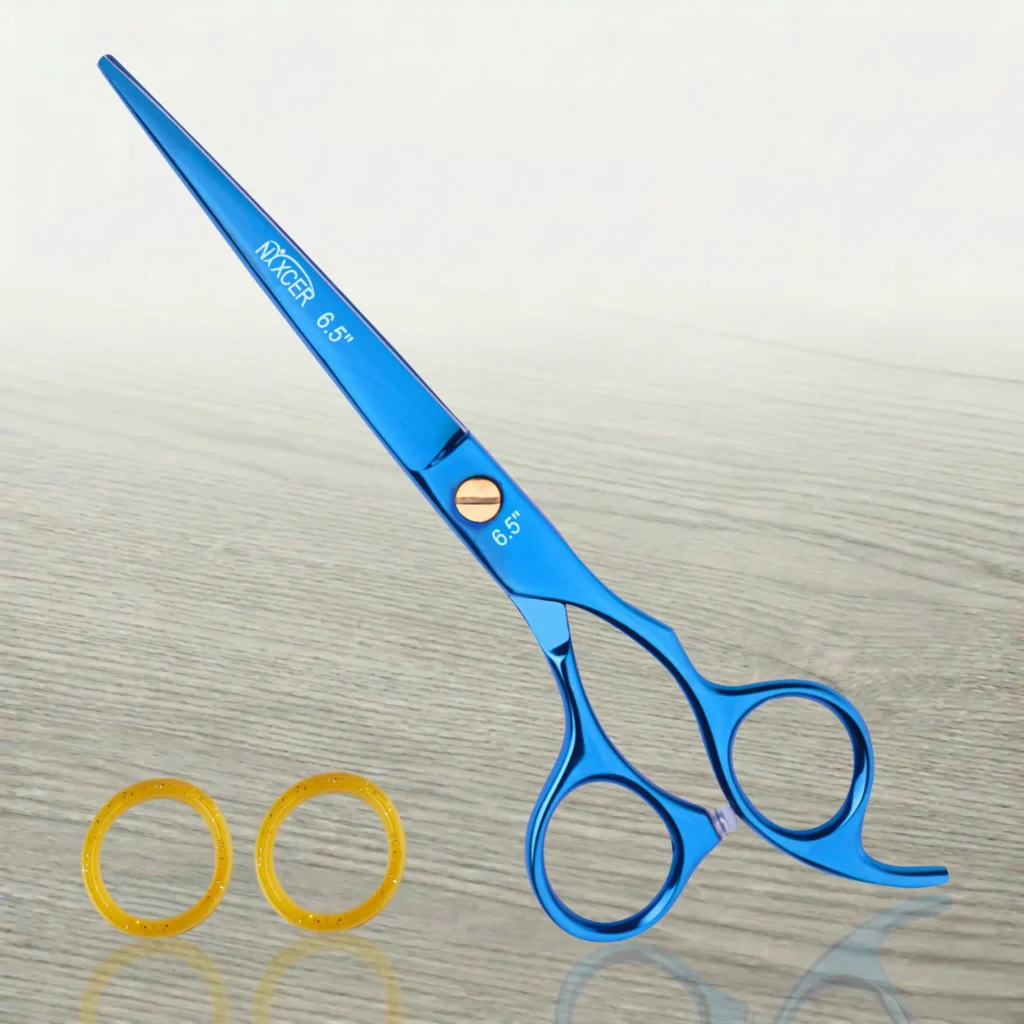
| Best distinctive finish | Professional Series Hair Cutting Scissors – Black | Buyers who want a matte black option without ignoring function |
These are editorial matches based on the task and available product information, not independent laboratory rankings. Confirm the current size, steel, handedness, edge, and included accessories on each listing before buying.
Why Graduated Haircuts Need the Right Shears
A graduated haircut builds weight by cutting sections at controlled elevation. The shape may be compact at the nape, rounded through the back, or longer toward the front. The stylist must follow a guide while keeping the comb, fingers, and cutting shear aligned.
Government hairdressing training materials describe graduation as a foundational structure created through controlled elevation and sectioning. They also stress that different cutting methods and tools change the finish (South African Department of Basic Education hairdressing guide; Bharat Skills Cosmetology Trade Theory).
Tool behavior matters because the shear closes across an angled section. A dull or misaligned blade may push hair before it cuts, changing the guide. A correctly tensioned pair of shears makes precise cuts with less compensation from the hand.
What to Look for in Professional Hair Shears
The right pair should match the hand and the technique. Professional hairdressing shears designed for graduation must cut hair cleanly while the section is elevated. Focus on these factors:
- Blade profile and cutting edge
- Length and balance
- Steel and heat treatment
- Handle geometry and ergonomics
- Tension stability
- Handedness
- Texture or thinning requirements
- Service, sharpening, and customer reviews
Marketing language is not enough. A listing that calls the scissors professional does not prove alignment, steel quality, edge retention, or ease of use.
Blade Design: Straight, Convex, Semi-Convex, or Razor?
Straight or Beveled Blade
A straight blade gives a clear visual line against the fingers or comb. A beveled edge can add grip, which helps when the stylist is cutting an elevated section of coarse or slippery hair.
This design suits controlled club cutting, perimeter work, and graduation that depends on a predictable close. It may feel slightly more weighty than an ultra-fine convex cutter, but stability can be useful.
Semi-Convex Blade
A semi-convex edge combines some grip with a smoother cutting action. It works well across multiple hair types and supports graduation, layering, blunt work, and general salon services.
For many professional stylists, this is the best overall blade category because it balances precision with everyday durability. The exact result still depends on steel, finishing, tension, and maintenance.
Full Convex Blade
A convex blade has a finely curved profile and low-resistance edge. It can deliver smoother cutting during slide techniques, point work, and dry refinement.
Convex blades need specialist service. An inexperienced sharpener can flatten the geometry or disturb the ride line. Always ask whether the technician regularly services Japanese-style convex hair scissors.
Razor Edge
A refined razor edge is extremely sharp and can support clean, fluid cutting. It suits detail work and techniques where the blade needs to enter or move through hair without dragging.
Sharpness is not permission to rush. Use small, controlled sections and keep the blade away from the skin. If the edge catches after cleaning and tension correction, stop and sharpen it professionally.
Choose the Right Length: 5.5, 6.0, or 6.5 Inch
5.5 Inch Scissors
A 5.5-inch shear gives close tip control for detail, short sections, a bang, and work around the ears. It is a strong choice for graduation over fingers because the blade follows smaller sections easily.
Shorter shears may require more closures across a broad perimeter, but they help the stylist read the guide closely.
6.0 Inch Scissors
A 6.0 inch model is a versatile middle ground. It covers more hair than a 5.5 while retaining enough control for vertical sections, point work, and most salon graduation.
For a new pair intended to handle many services, this length often provides the most practical balance.
6.5 Inch Scissors
A 6.5 inch shear offers greater coverage for broad sections, longer graduation, and scissor-over-comb. Professional barber scissors in this range may suit larger hands or stylists who combine graduation with barber work.
The extra lever length can feel less precise in tight areas. Many professionals keep a 6.5 or longer cutter for coverage and a shorter pair for detail.
Steel Quality and Edge Retention
Hair cutting scissors are commonly made from stainless steel because it resists corrosion and can hold a refined edge when correctly treated. Japanese steel is associated with many high-quality professional hair scissors, but the country label alone does not establish performance. Professional hairdressing work also depends on balance, tension, and alignment.
Compare:
- Named steel grade when available
- Heat treatment and hardness information from a credible source
- Edge geometry
- Blade alignment
- Pivot quality
- Corrosion resistance
- Manufacturer or seller service support
“Stainless steel hair scissors” is a broad description. Two steel shears can feel very different because forging, casting, heat treatment, grinding, polishing, and assembly affect the final tool.
Ergonomic Handles and Repeated Use
Graduation requires many consistent cutting motions. A handle that fits poorly can make the user grip harder or lift the elbow unnecessarily.
Offset Handle
An offset handle moves the thumb ring forward, reducing thumb reach. This can support a more relaxed hand position and may help reduce hand fatigue during long salon sessions.
Crane Handle
A crane layout brings the thumb closer to the pivot and angles the handle downward. It may help the stylist keep the elbow lower, although it can feel unfamiliar at first.
Swivel Thumb
A swivel ring rotates with the thumb and can increase freedom during changing cutting angles. It may suit a hairdresser who works around the head without wanting to repeatedly reposition the wrist.
Finger Rest and Insert
A removable or permanent finger rest supports the little finger. A finger-ring insert can improve control when the ring is too large. Neither feature should pinch, trap the thumb, or force an unnatural position.
Ergonomics are personal. Try the hair shear through the same positions used in a real haircut before deciding.
Right-Handed and Left-Handed Scissors
True left handed scissors reverse the blade arrangement so the user can see the cutting line and apply natural pressure. A left-handed stylist should not simply flip a right-handed pair.
Check both the handle and blade orientation. The label “left-handed” should describe genuine geometry, not only a symmetric grip.
Cutting vs. Thinning and Texturizing Shears
Primary Cutting Shears
Standard hair cutting shears build the structure. These are the primary shears for hair graduation: they establish the guide, create elevation, set the perimeter, and cross-check the finished shape.
Thinning Scissor
A thinning scissor uses one toothed blade to remove part of a section. It can soften a heavy transition or reduce internal bulk after the graduation is correct.
Texturizing and Hair Thinning Shears
Hair thinning scissors with fine teeth tend to create softer blending. A texturizing tool with wider tooth spacing can create stronger separation and movement.
Use a pair of thinning shears conservatively. Thinning hair too aggressively can create gaps, short flyaways, or a weak weight line. On fine hair, the best decision may be to skip thinning altogether.
Nixcer Outlet Recommendations by Task
Best Overall: Professional Sharp Series Razor Edge Scissors
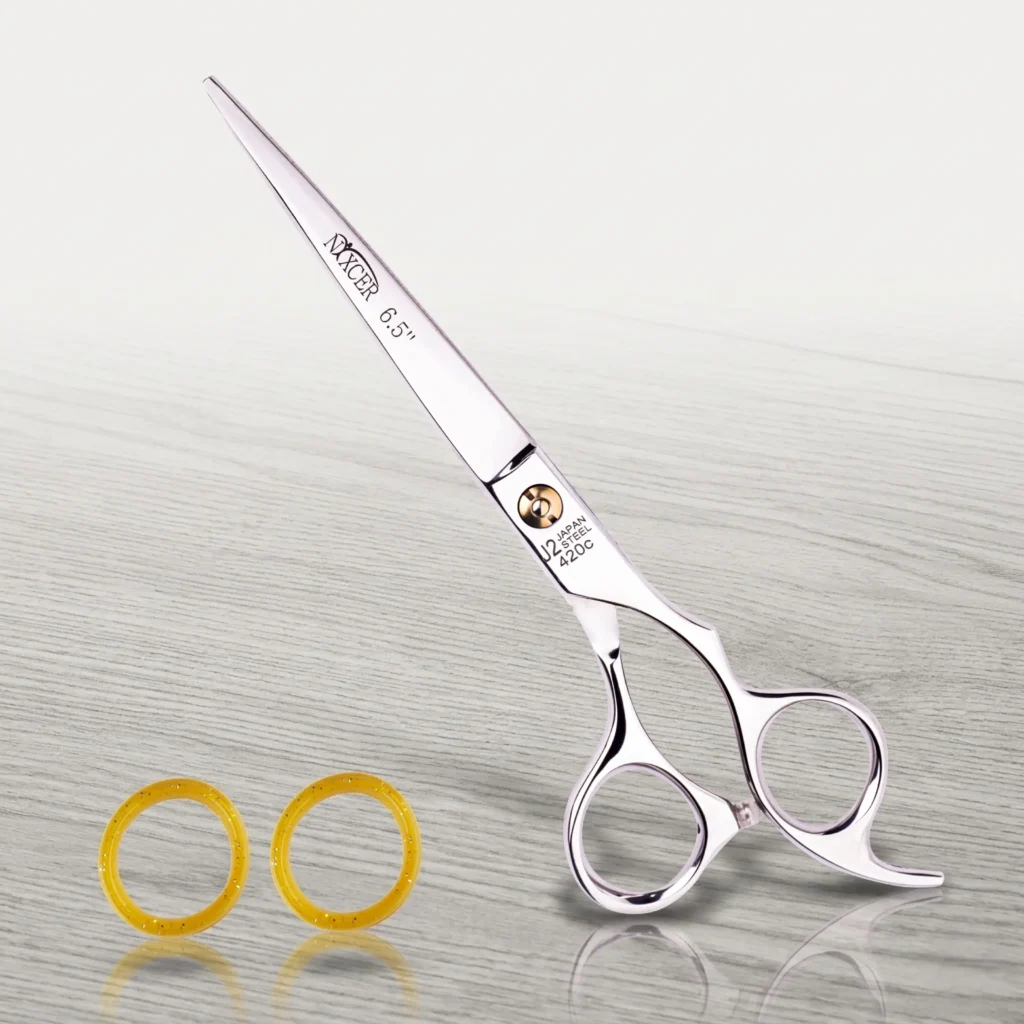
The Professional Sharp Series Razor Edge Hair Cutting Scissors are offered in 6.0- and 6.5-inch options. The listed adjustable tension and sharp edge make this model relevant for professional hair cutting, point refinement, and cross-checking.
Choose the shorter available option when tip control matters most. Choose the longer size when coverage and scissor-over-comb are important parts of the service.
Best for Thick or Dense Graduation: Broad Blade Razor Edge Scissors
The Nixcer Broad Blade Razor Edge Hair Cutting Scissors use a 6.25-inch broad format. The blade profile can add stability when cutting dense sections or building a strong perimeter.
Do not overload the blades. Clean sectioning remains more important than forcing a large amount of hair through one closure.
Best for Controlled Blending: Professional Hair Thinning Scissors
The Nixcer Professional Series Hair Thinning Scissors provide a separate option for controlled bulk removal. Use them after the structural cutting is complete and the hair has settled into its natural shape.
Best Two-Tool Setup: Signature Sharp Series SWORD Set
The Signature Sharp Series SWORD Hair Cutting and Thinning Scissors combine a cutter with a texture tool. This lets the stylist build the shape with a standard blade and switch tools only when density needs correction.
Matte Black Option: Professional Series Hair Cutting Scissors – Black
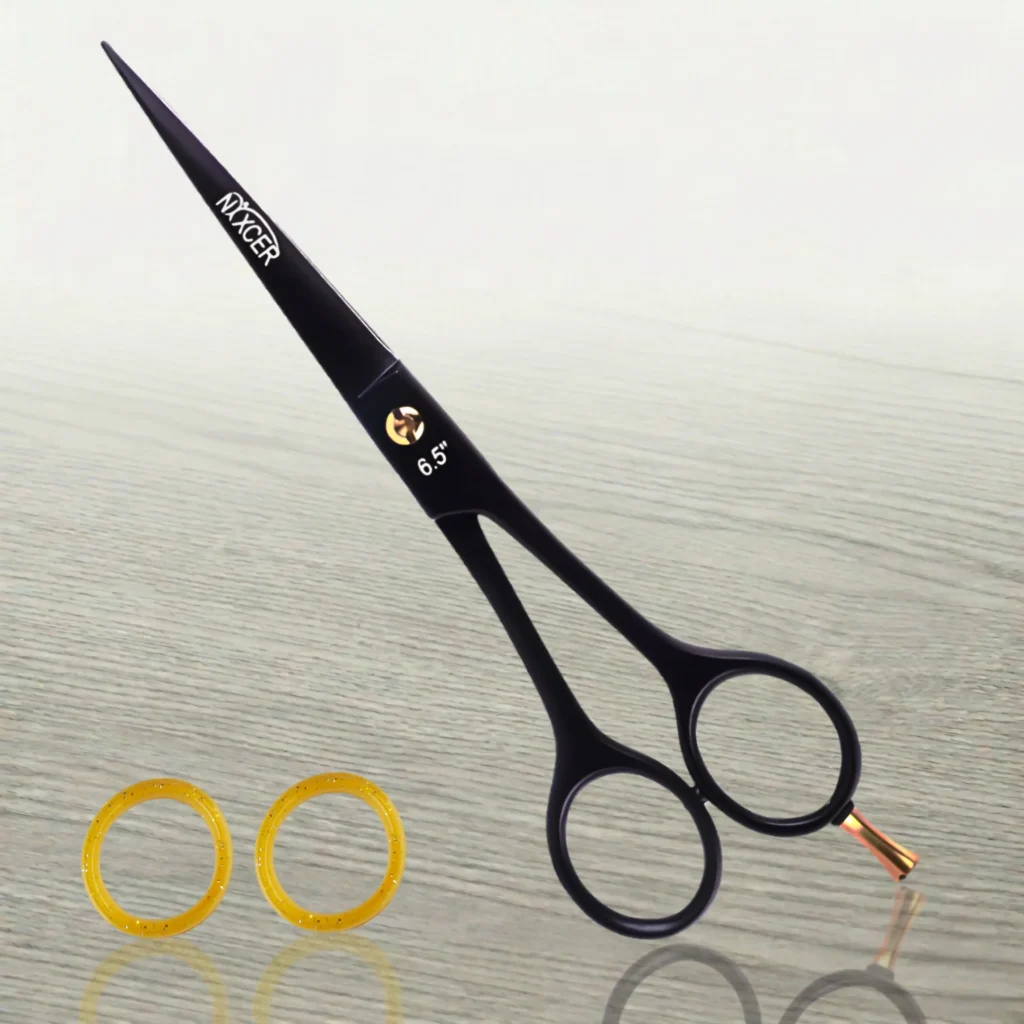
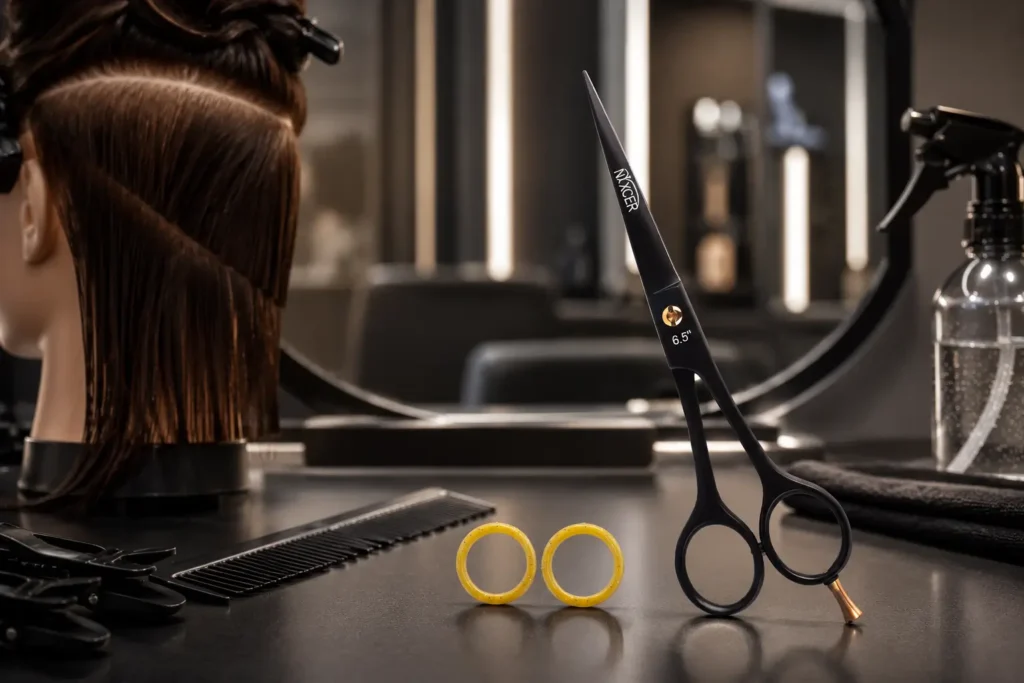
The Professional Series Hair Cutting Scissors – Black offer a matte black finish for buyers who want a distinctive tool. Finish should remain secondary to fit, alignment, and cutting performance.
Best Budget Strategy
Instead of naming a universal best budget product without current price and independent testing, begin with one versatile, correctly fitted cutting pair. Add thinning or specialty shears only when the service mix requires them.
Browse all Nixcer Outlet professional scissors.
How to Evaluate Brands and Customer Reviews
Shoppers may compare Nixcer Outlet with established names such as Jaguar or Joewell. Brand reputation can help, but compare model-level specifications rather than logos.
Read customer reviews for repeated observations about:
- Hand fit and balance
- Edge durability
- Smoothness from heel to tip
- Tension stability
- Packaging and included tools
- Service and return experience
A single review does not prove best quality. Look for consistent patterns from users doing similar hairdressing work.
Match the Shears to Graduation Techniques
Shear-Over-Finger Graduation
Use a 5.5- or 6.0-inch pair for controlled elevation and a clear guide. Keep the blade parallel to the fingers and close smoothly through the section.
Scissor-Over-Comb
Longer barber scissors can cover more hair above the comb and help create smoother transitions with fewer interruptions. A 6.5 or longer shear may improve ease of use when the user has the training and hand size to control it.
Point Cutting
Use the tips to soften the ends without destroying the graduated structure. Keep the entries shallow unless the style calls for strong separation.
Slide Cutting
A polished convex or razor edge can move through the hair with less drag. The blade should glide; it should never scrape or saw.
Dry Refinement
After styling, cross-check balance and remove small corners. Dry refinement reveals the real fall of different hair types and helps the stylist make precise cuts without rebuilding the entire shape.
Maintenance and Sharpening
Even quality hair shears lose performance when residue, poor tension, or edge damage increases resistance.
- Wipe the blades after each service.
- Clean and disinfect according to product directions and salon rules.
- Dry the shear fully before storage.
- Apply suitable scissor oil to the pivot.
- Check tension regularly.
- Store each pair of shears in a protective case.
- Keep professional hair shears away from paper, packaging, and hard surfaces.
- Use a technician who understands the exact cutting edge.
Sharpen based on performance, not a fixed date alone. Warning signs include pushing, folding, snagging, poor tip performance, or a rough closing action. Convex and razor edges need specialist equipment and knowledge.
Professional vs. DIY Use
A DIY user can perform a simple trim with appropriate scissors, mirrors, lighting, and conservative sections. Graduation is more difficult because the guide, elevation, and weight line must remain consistent around areas the user cannot see well.
For a complex graduated haircut, book a trained stylist or barber. A high-quality tool improves control but does not replace sectioning skill, head-shape analysis, or safety.
Final Verdict
The best hair cutting scissors for graduated haircuts combine a stable blade, precise tip, suitable length, clean alignment, and comfortable handle. A 5.5- to 6.0-inch semi-convex, beveled, or refined razor-edge shear will suit most salon graduation. A 6.5 inch or broad-blade cutter can improve coverage on dense hair, while a separate thinning tool handles controlled texture.
Choose by task, hand fit, and hair types before choosing by finish or brand. When the right shears are clean, correctly tensioned, and professionally sharpened, they help the stylist repeat accurate elevation and create a smoother, more intentional result.
Frequently Asked Questions
What size scissors are best for graduated haircuts?
Most stylists work comfortably with 5.5- to 6.0-inch scissors for graduation. A 6.5-inch model may suit larger hands, broad sections, or scissor-over-comb.
Are convex blades good for graduation?
Yes. A convex blade can create smooth, clean cuts and support point or slide work. Semi-convex or beveled edges may offer more grip on an angled section.
Do I need thinning shears for every graduated haircut?
No. Build the shape with standard cutting shears first. Use a thinning shear only when specific density needs to be reduced without changing the overall length.
Are Japanese steel shears always better?
Japanese steel can offer excellent hardness and edge refinement, but the label alone is not enough. Heat treatment, blade geometry, alignment, assembly, and sharpening all affect performance.
How can scissors reduce hand fatigue?
Choose the correct ring size, blade length, balance, and an ergonomic handle that keeps the thumb and wrist relaxed. Maintain sharpness and tension so the hand does not compensate with extra pressure.
Should left-handed stylists buy dedicated scissors?
Yes. True left-handed scissors reverse the blades and improve sightline and natural cutting pressure. A flipped right-handed model is not equivalent.
What is the best way to test a new pair?
Check ring fit, balance, tension, heel-to-tip smoothness, tip accuracy, and performance on a permitted clean hair sample. Test the motions used in your normal cutting techniques.
Can thinning scissors create graduation?
They can soften or blend weight, but they should not create the main structure. Use a standard cutting pair to establish the guide and elevation first.