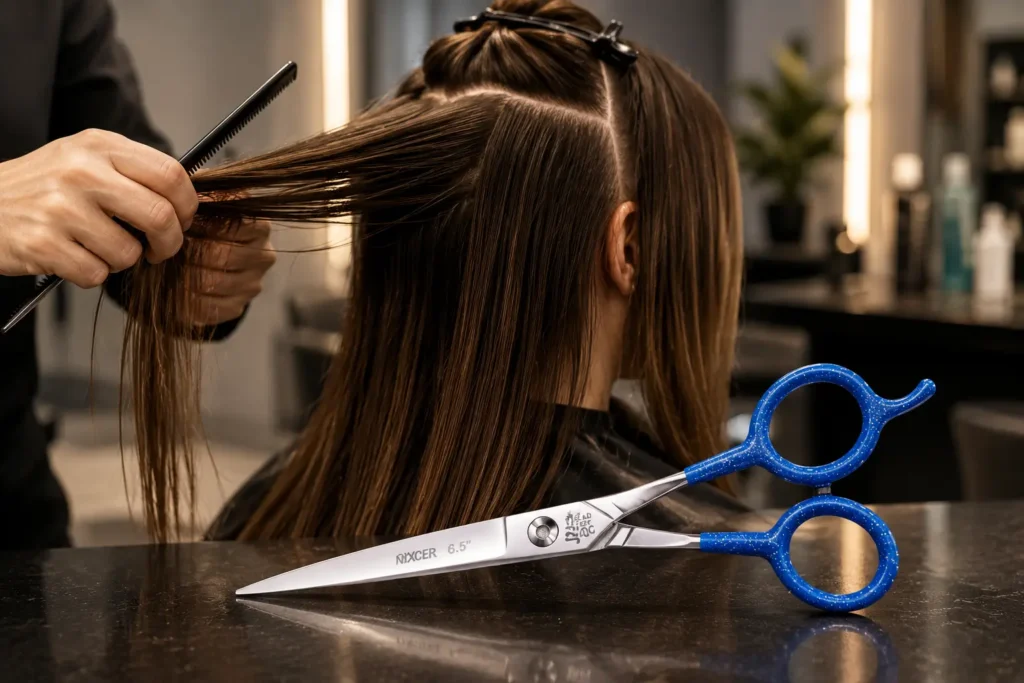
Layering creates movement, volume, and shape by cutting sections of hair at different lengths. The key to smooth, balanced layers is not simply cutting shorter pieces—it is controlling the elevation, section size, guide, tension, and cutting angle from one section to the next.
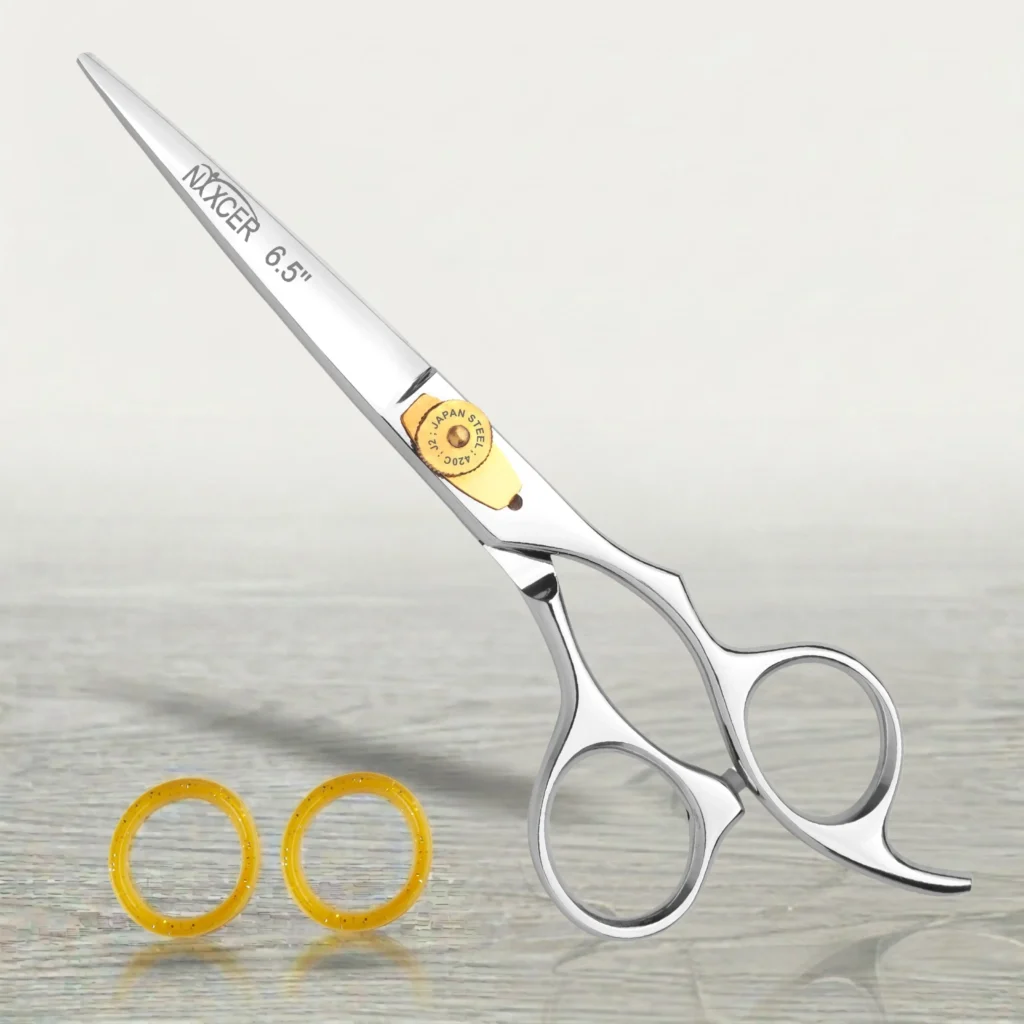
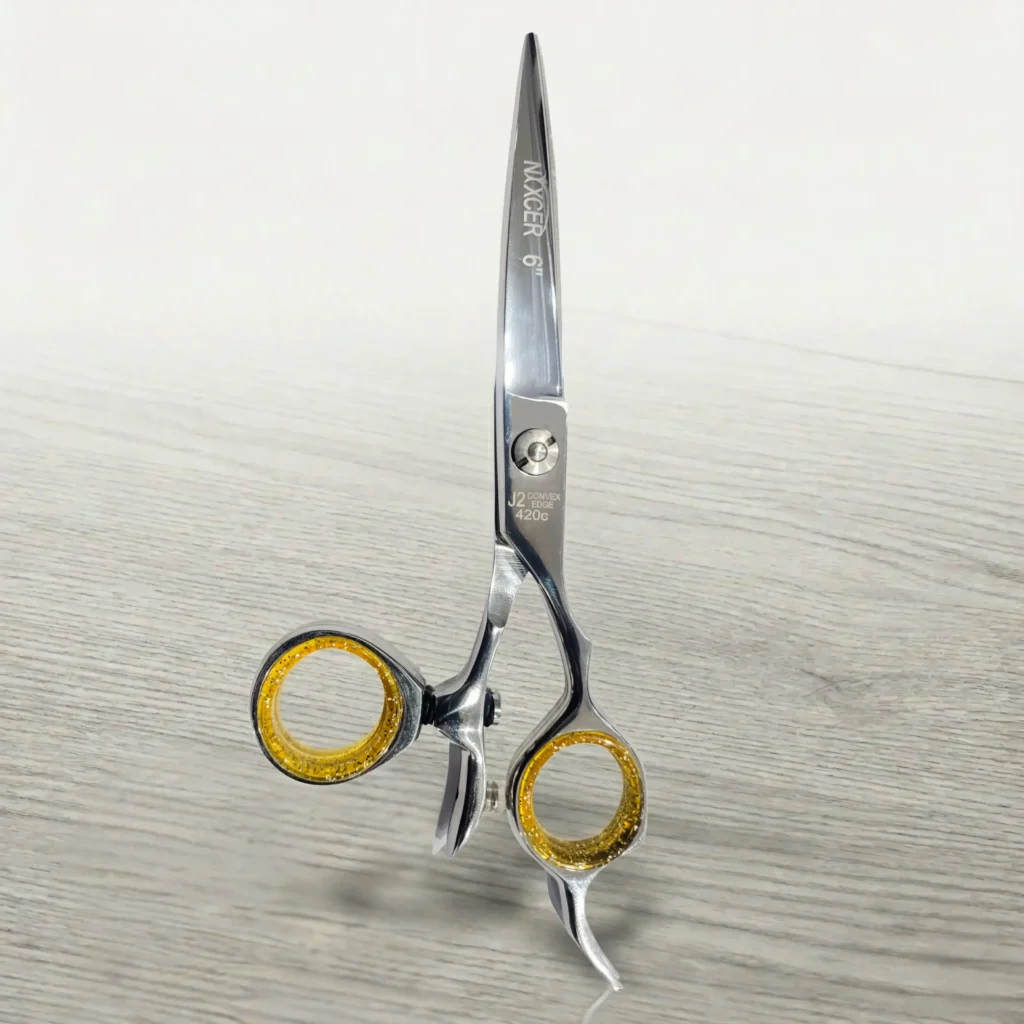
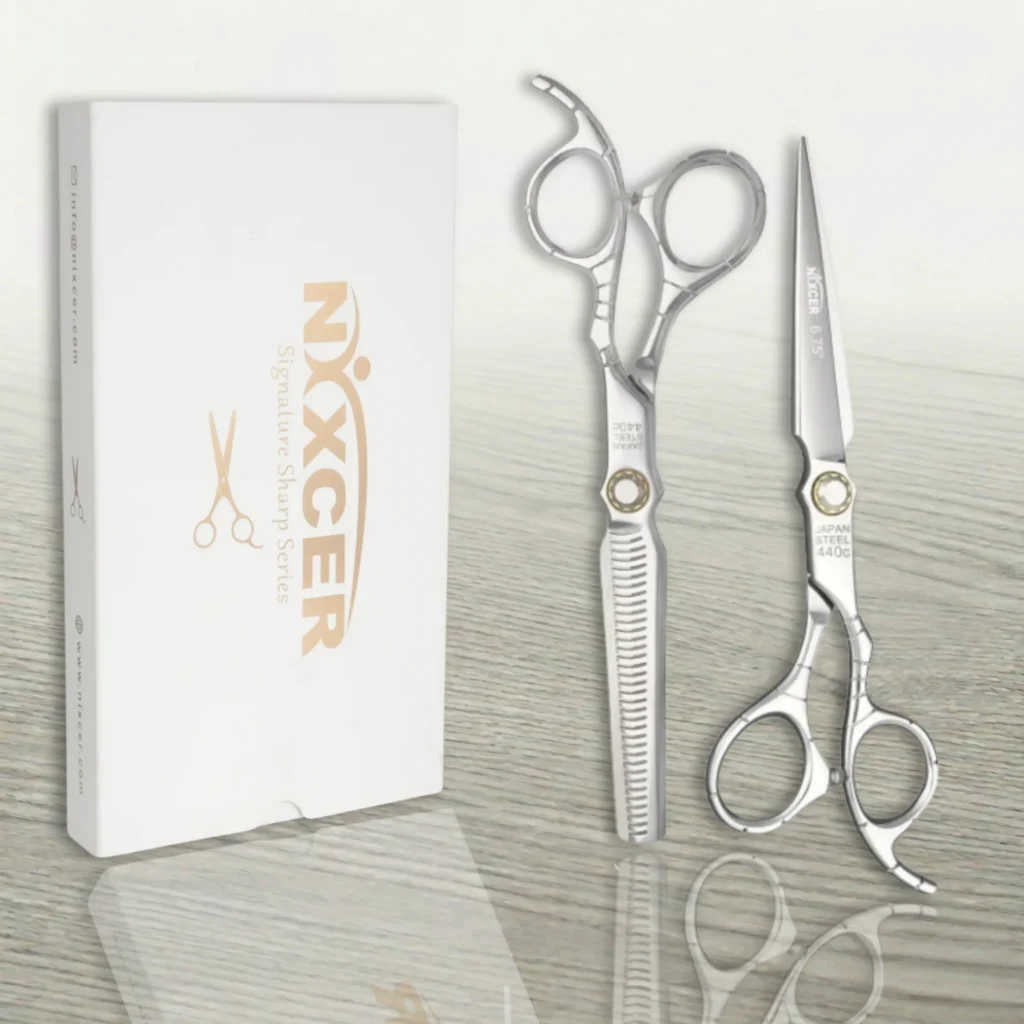
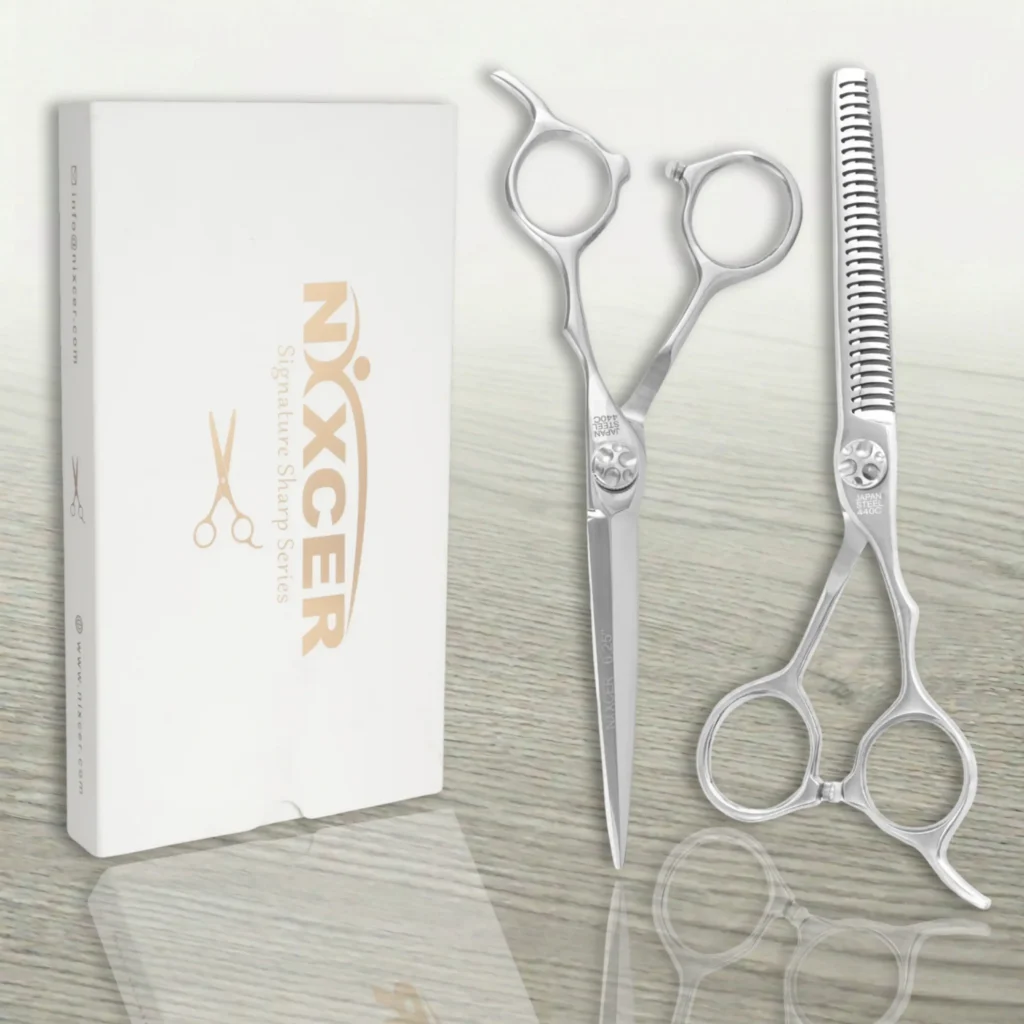
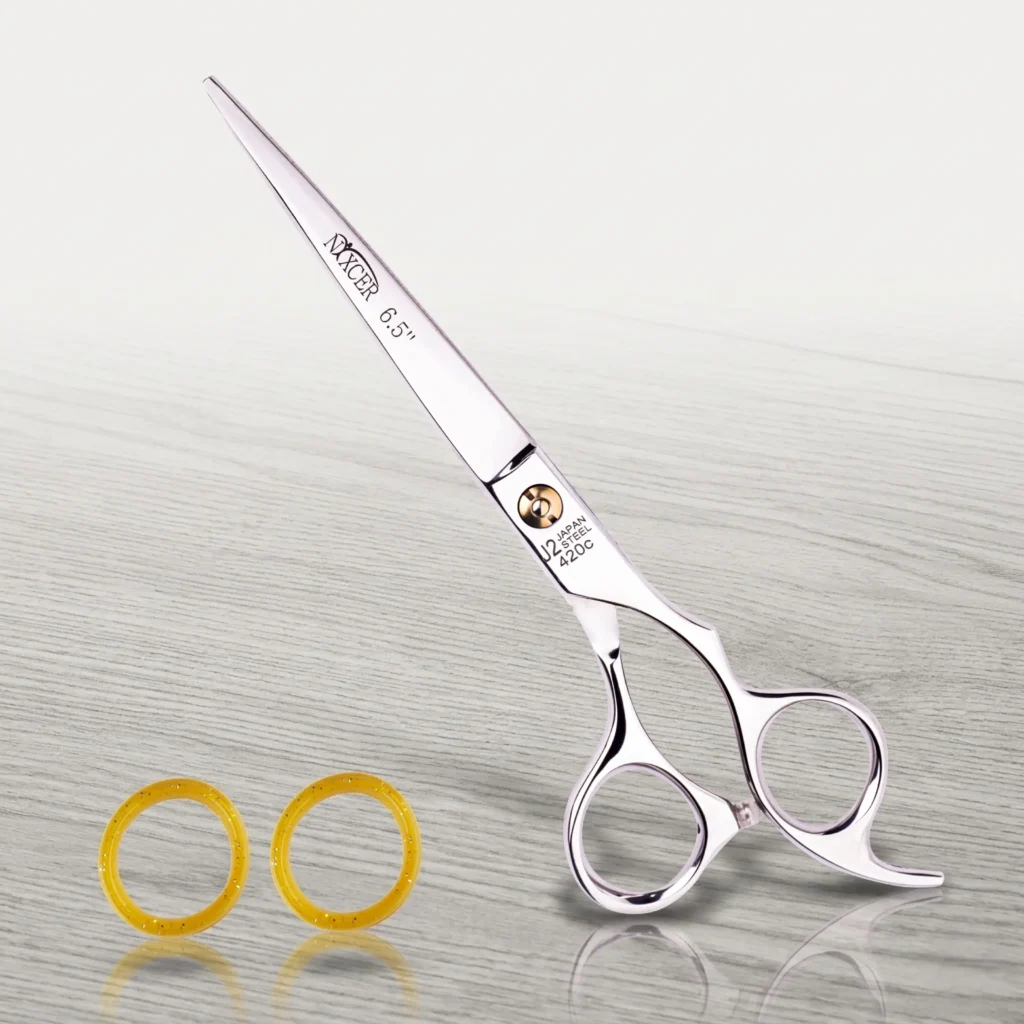
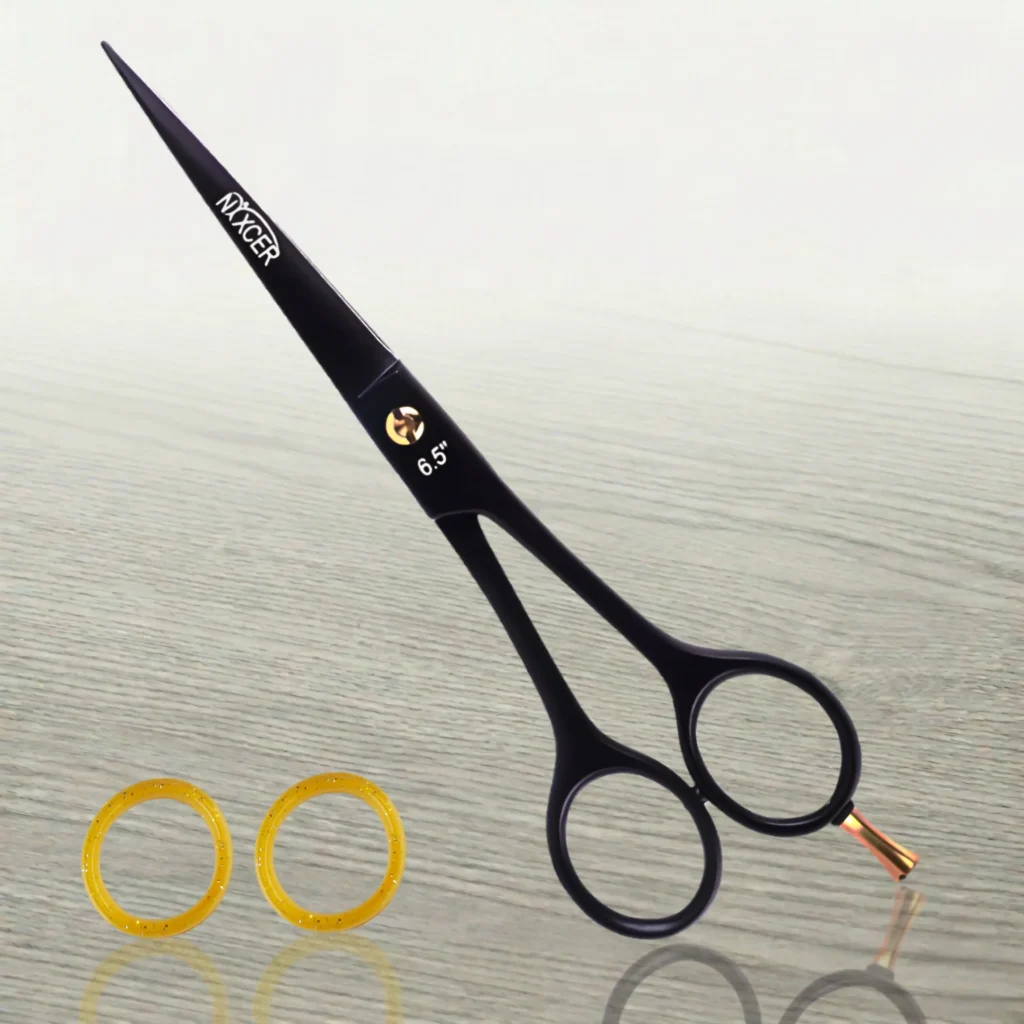
For most layered haircuts, use sharp, well-balanced professional shears in the 5.5- to 6.5-inch range. A smooth convex or razor-style edge works especially well for point cutting and slide cutting because it can move through the hair without pushing or folding the section. If you are upgrading your tools, explore Nixcer Outlet’s professional hair cutting scissors before starting.
What Does Layering Do to Hair?
A layered haircut removes internal weight while keeping selected areas longer. Shorter strands support or separate from longer strands, helping the hair appear fuller, lighter, or more mobile depending on the technique.
Layering can be used to:
- Add volume around the crown
- Remove excess weight from thick hair
- Create movement through long hair
- Shape curls and waves
- Blend a fringe or face frame into the rest of the cut
- Prevent a dense haircut from looking heavy or triangular
Layering is different from graduation. Layering generally distributes weight through the interior, while graduation builds a visible weight line. Many modern haircuts combine both techniques, so the intended silhouette should be clear before the first cut.
Layering Angles: 45, 90, and 180 Degrees
Elevation determines where weight remains in the haircut. Consistency matters: changing the angle unintentionally can shift the weight line and produce uneven layers.
| Elevation | Result | Best used for |
| 45 degree* | Soft layering with more weight near the perimeter | Fine hair, long layers, and fuller outlines |
| 90 degree* | Even or uniform layers with balanced weight | Rounded shapes, medium-length cuts, and general layering |
| 180 degree* | Shorter crown layers with a lighter perimeter | Shags, high layers, and maximum movement |
These angles are reference points rather than rigid rules. A stylist may use lower elevation around the perimeter to protect density and higher elevation in the interior to release weight.
How to Choose Hair Cutting Scissors for Layering
The best layering scissors should feel stable in the hand, close smoothly, and cut without pushing the hair. Consider the following features.
Sharp, Smooth Cutting Edge
A convex or polished razor edge is useful for clean section cutting, point cutting, and controlled slide cutting. A dull edge can bend, drag, or fray the hair instead of cutting it cleanly.
Suitable Scissor Length
Shears between 5.5 and 6.5 inches suit most layering work. Shorter scissors offer detailed control around the face and fringe, while 6- to 6.5-inch scissors can cover wider elevated sections with fewer blade closures.
Nixcer’s 6.25-inch Broad Blade Razor Edge Hair Cutting Scissors provide extra blade length for controlled work through wider sections.
Ergonomic Handle
An offset handle allows the thumb to remain in a more open position and can reduce unnecessary wrist elevation. Comfort is particularly important when the stylist repeatedly lifts sections around the crown.
Correct Tension
The blades should close smoothly without feeling loose or stiff. Excessively loose tension can fold hair; overly tight tension increases hand fatigue and may affect the cutting action. Test the scissors before beginning and adjust the pivot only when necessary.
How to Layer Hair With Scissors: Step by Step
The following method describes the core workflow used in many layered cuts. The exact section pattern and elevation should always match the desired shape and hair texture.
1. Assess the Hair and Plan the Shape
Check the hair’s length, density, texture, growth patterns, and natural fall. Decide where the shortest layer should begin and how much weight must remain at the perimeter. For long layers, leaving a small perimeter section out of the initial layering process can help prevent gaps or a thin outline.
2. Prepare and Section the Hair
Detangle the hair completely. Create clean, manageable sections with a cutting comb and clips. A common setup separates the head into front, side, crown, and back zones.
Wet cutting offers control and even tension for many straight or slightly wavy textures. Curly and coily hair may be assessed and refined dry because water and tension temporarily stretch the curl pattern.
3. Establish the Guide
Choose a stationary or traveling guide based on the desired result:
- A stationary guid* brings multiple sections to one location and creates increasing length away from the guide.
- A traveling guid* moves with each subsection and produces more consistent lengths through the working area.
Make the guide easy to see. If it disappears inside an oversized section, reduce the section size instead of guessing.
4. Elevate at a Consistent Angle
Comb the section cleanly and lift it to the planned elevation. Keep your body position aligned with the section so your hands do not drift. Use the comb, mirror, and head shape as visual references.
Avoid pulling every texture with maximum tension. Excess tension can cause curls, cowlicks, and fine areas to spring shorter than expected after release.
5. Cut Parallel to the Intended Shape
Position your fingers and scissors according to the cutting line. Cut only the amount required to meet the guide. Work with small, clean sections and avoid repeatedly recutting the same area.
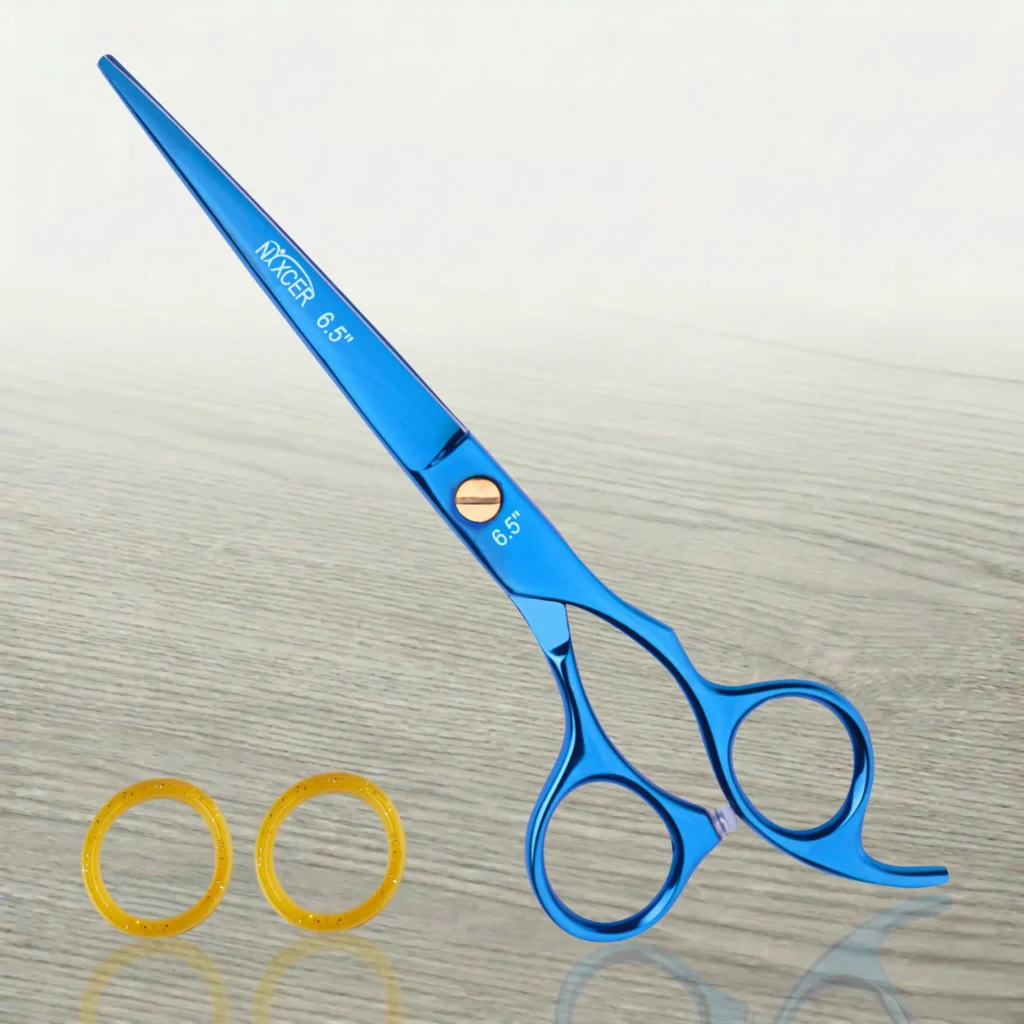
For dependable control during detailed work, a pointed shear such as the Nixcer Super Cut Dip Grip 6.5-inch Cutting Shears can help with section cutting and tip work.
6. Cross-Check the Layers
Cross-check in the opposite direction from the original sectioning. If the hair was cut in vertical sections, check it horizontally or diagonally. Cross-checking reveals corners, imbalance, and sections that may have been elevated differently.
Do not automatically cut every hair that appears longer during a cross-check. First confirm whether the difference is part of the intended shape or over-direction.
7. Dry, Style, and Refine
Dry the hair in its natural or intended finish. Observe how the layers move and where weight collects. Refine only the areas that need connection, softness, or balance. This is the stage for conservative point cutting, slide cutting, or texturizing.
Four Scissor Techniques for Softer, Better-Blended Layers
Point Cutting
Point cutting places the tips of the scissors into the ends rather than cutting a solid horizontal line. Shallow point cutting softens the edge; deeper point cutting removes more internal weight.
Use small, deliberate cuts and keep fingers safely away from the tips. Point cutting is useful for blending visible steps, softening a face frame, and preventing a heavy baseline.
Slide Cutting
Slide cutting moves a partially open scissor along the hair to create a soft transition. It is useful for long layers and face-framing sections, but it requires a very sharp, smooth edge. Never drag closed or dull blades through the hair, as this can pull or damage the strands.
Channel Cutting
Channel cutting removes narrow paths of internal weight. It can add separation and movement to dense hair without shortening the entire section. Use it sparingly, especially near the scalp or on fine hair, because excessive channel cutting can create short pieces and visible gaps.
Thinning and Texturizing
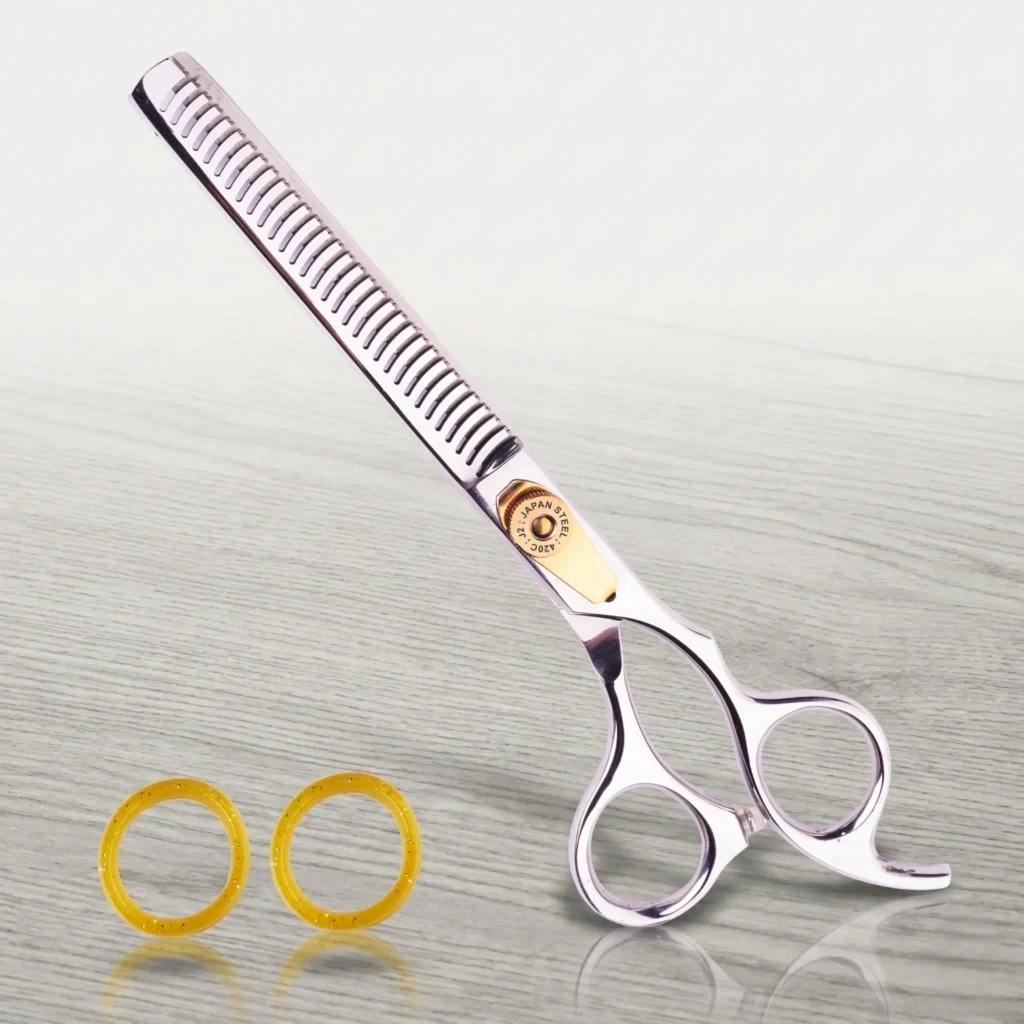
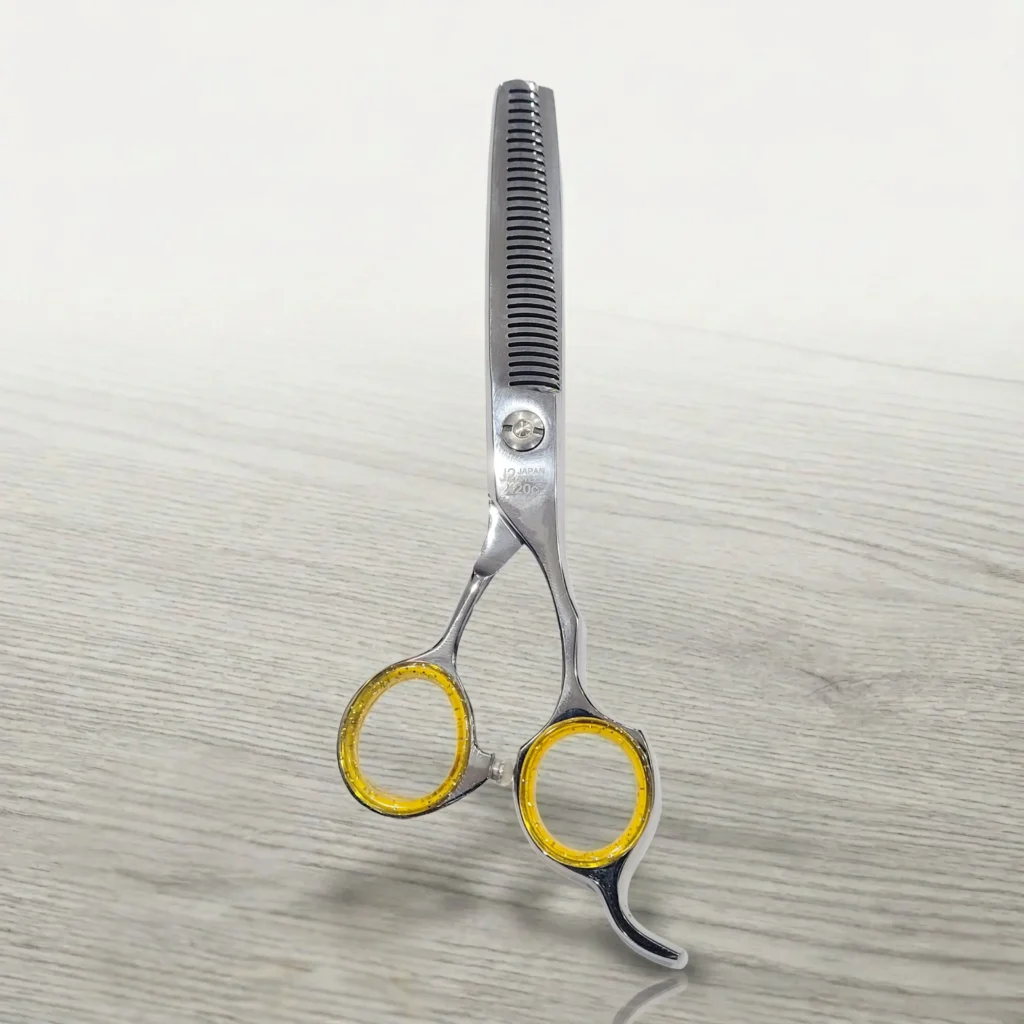
Thinning scissors remove selected strands rather than cutting a complete line. They are best used after the basic layered shape has been established. Work through the mid-lengths or heavier transition areas instead of repeatedly cutting the ends.
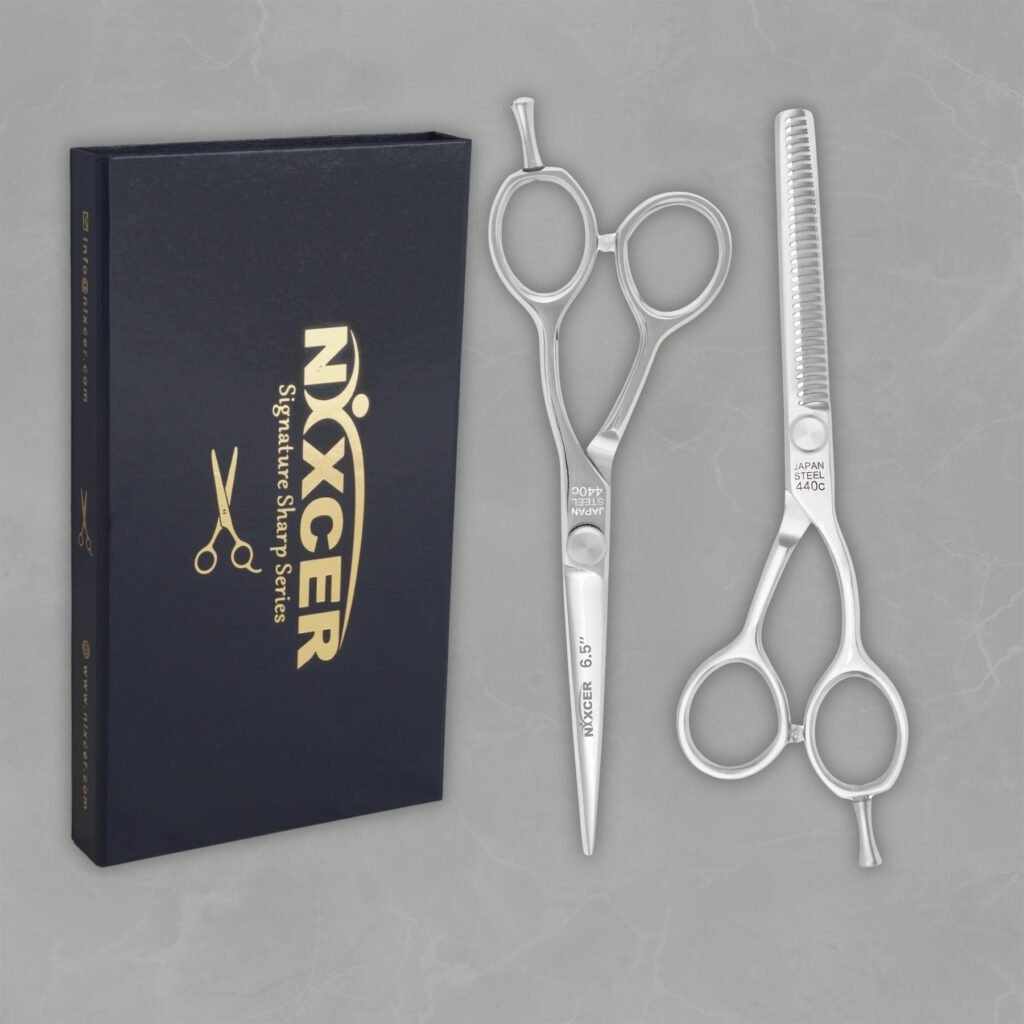
For controlled blending, browse Nixcer Outlet’s hair thinning scissors, or consider a coordinated 6.5-inch cutting and thinning scissor set.
Adjusting Layering Techniques for Different Hair Types
Fine Hair
Use lower elevation and protect the perimeter so the haircut retains fullness. Avoid aggressive thinning or deep point cutting. Fine hair usually benefits from fewer, strategically placed layers rather than heavy internal removal.
Thick Hair
Higher elevation can release bulk and create movement. Work in controlled sections and refine dense areas after the main shape is complete. Removing weight gradually is safer than taking large sections and overcutting.
Curly and Coily Hair
Account for shrinkage and variations in curl pattern. Use lower tension, smaller sections, and frequent visual checks. A dry or curl-by-curl refinement can preserve the natural pattern and prevent unexpected short areas.
Wavy Hair
Check the hair both damp and dry. Waves can hide uneven lines when wet and expand differently after styling. Use gentle point cutting to connect layers without removing the movement that gives the hair its shape.
Common Layering Mistakes to Avoid
Losing the Guide
If the guide cannot be seen, the section is probably too large or the hair is not combed cleanly. Re-section rather than estimating the length.
Changing Elevation From Section to Section
Even a modest change in hand position can alter weight distribution. Recheck your body position, finger angle, and elevation throughout the cut.
Over-Directing Without a Plan
Over-direction preserves length in the direction away from the guide. It is valuable for creating length increases, but inconsistent over-direction can produce an unbalanced shape.
Removing Too Much From the Perimeter
Excessive high elevation can leave long hair looking thin at the ends. Protect the outline, particularly on fine hair or clients who want their length to appear full.
Using Thinning Scissors Too Early
Build the haircut’s structure with cutting scissors first. Thinning shears should refine an established shape, not replace accurate sectioning and elevation.
Working With Dull or Incorrectly Tensioned Scissors
If the blades push hair, fold the section, or require extra thumb pressure, stop and inspect the tool. Clean, oil, and correctly tension the scissors; arrange professional sharpening when the edge is no longer clean.
How to Maintain Layering Scissors
Clean loose hair from the blades after every service, wipe the scissors dry, and apply a small amount of scissor oil around the pivot. Open and close the blades several times to distribute the oil, then remove the excess. Store the scissors in a protective case and never use professional hair shears to cut paper, packaging, or fabric.
If you are comparing tools for different experience levels, read From Beginner to Pro: Hair Cutting Scissors for Every Skill Level.
Frequently Asked Questions
What scissors are best for layering hair?
Sharp, balanced hair-cutting scissors between 5.5 and 6.5 inches work well for most layered haircuts. A convex or smooth razor-style edge is helpful for clean section cutting, point cutting, and controlled slide cutting.
What angle should I use when cutting layers?
Use approximately 45 degrees to preserve more perimeter weight, 90 degrees for balanced uniform layering, and 180 degrees for shorter crown layers and maximum movement. The correct angle depends on the desired shape, length, density, and texture.
Can I create layers with thinning scissors?
Thinning scissors can blend and soften layers, but they should not usually create the primary structure. Establish the shape with regular cutting shears, then use thinning scissors conservatively to refine bulky transitions.
Is point cutting good for layers?
Yes. Point cutting softens the ends and helps connect one layer to another. Shallow point cutting creates subtle softness, while deeper point cutting removes more weight and should be used carefully.
Should layered hair be cut wet or dry?
Wet cutting provides even tension and control, while dry cutting shows the hair’s natural fall, density, and texture. Many stylists establish the structure wet and refine it dry. Curly and coily textures often require dry visual checks to account for shrinkage.
How do I prevent choppy layers?
Use small sections, maintain a visible guide, keep elevation consistent, and cross-check the haircut. Finish with controlled point cutting instead of making repeated blunt cuts into uneven areas.
Can beginners cut layers at home?
Simple trimming may be manageable with proper tools and conservative sectioning, but full layering is technically demanding—especially at the back of the head. For major changes, short layers, curly hair, or corrective work, a trained stylist is the safer choice.
Final Thoughts
Successful layering comes from control: a clear design, clean sectioning, a visible guide, consistent elevation, and sharp professional scissors. Choose the angle according to where you want to preserve or remove weight, then refine the dry haircut with point cutting, slide cutting, or thinning only where needed.
Ready to improve your toolkit? Shop professional hair cutting and thinning scissors designed for clean cutting, comfortable control, and precise finishing.