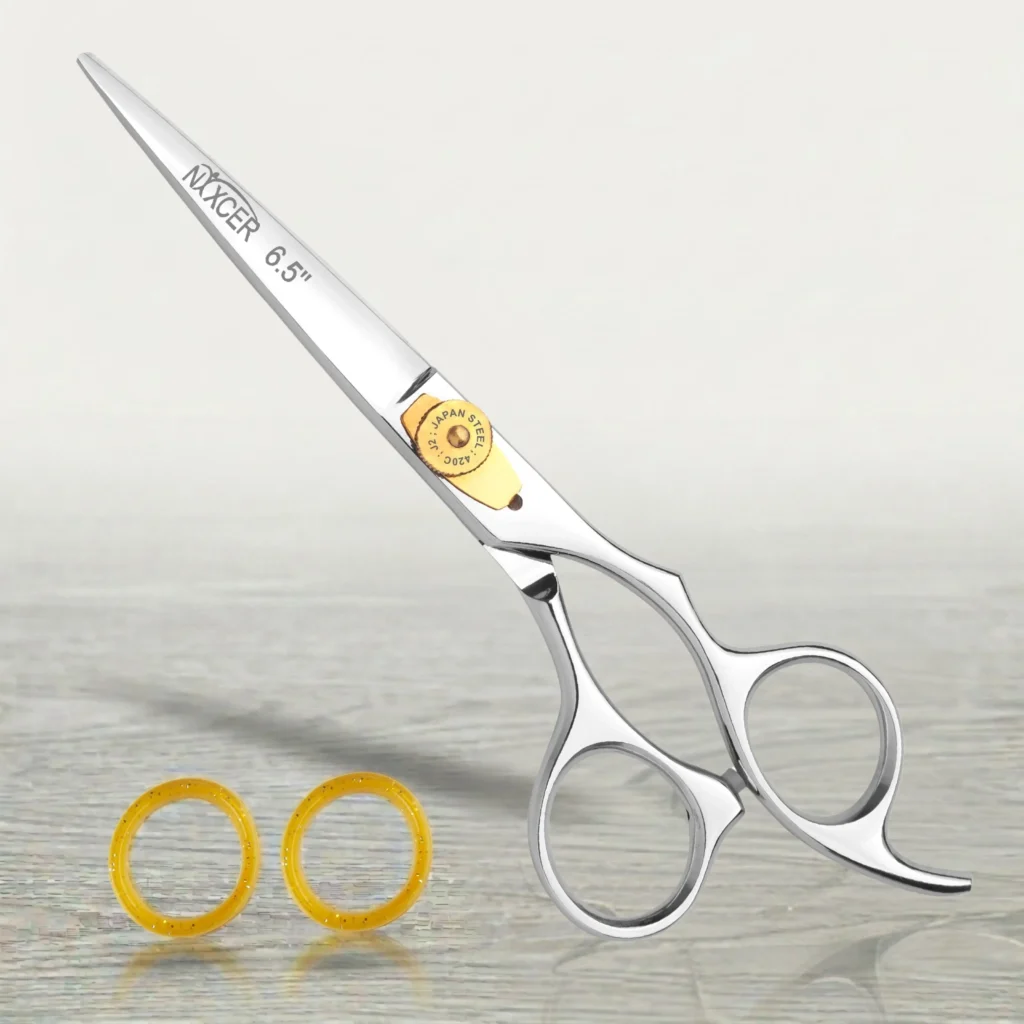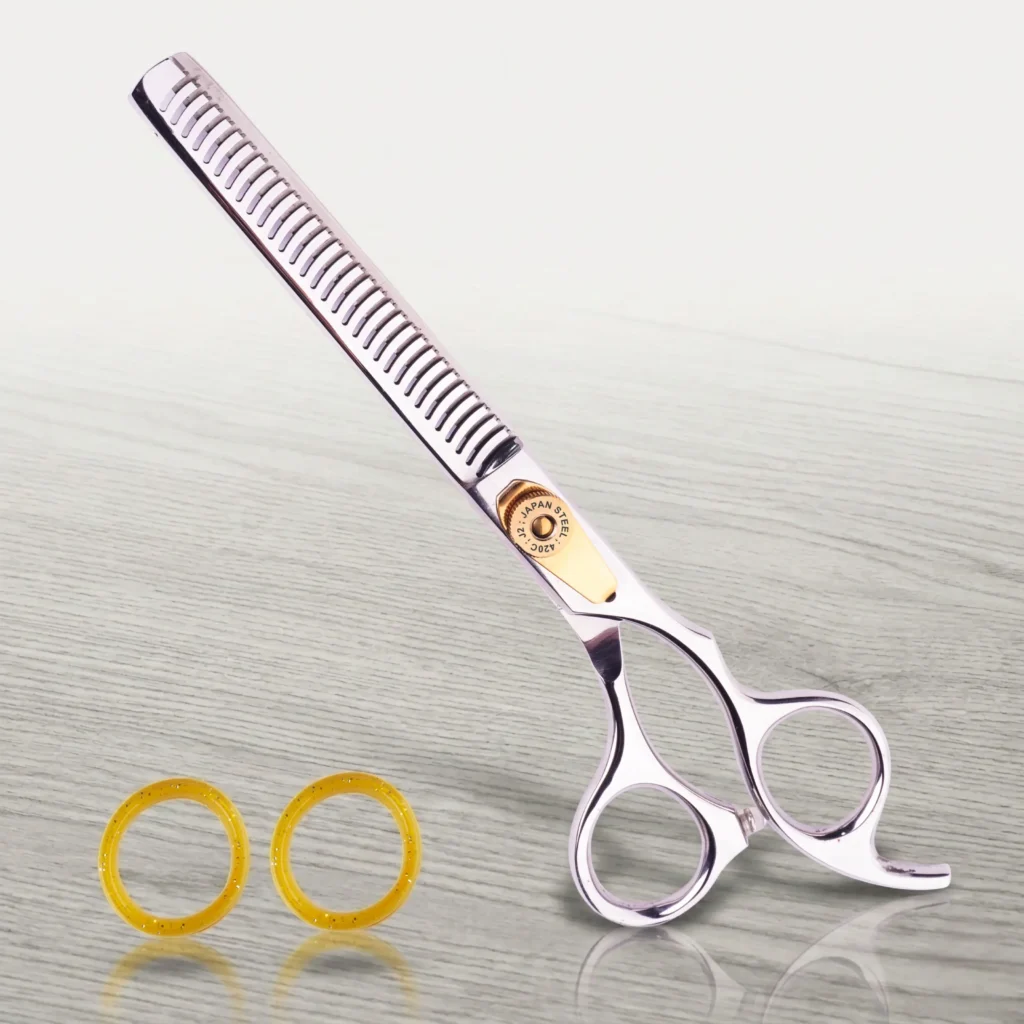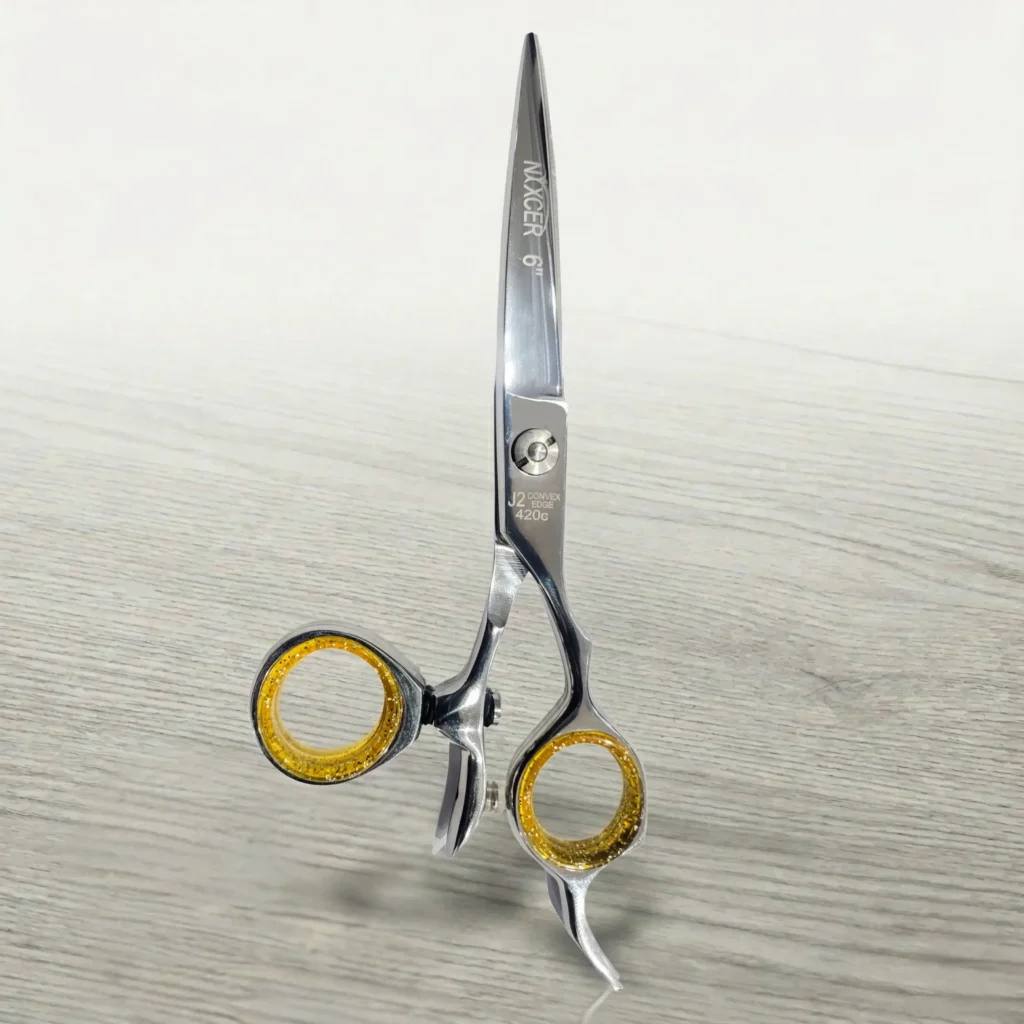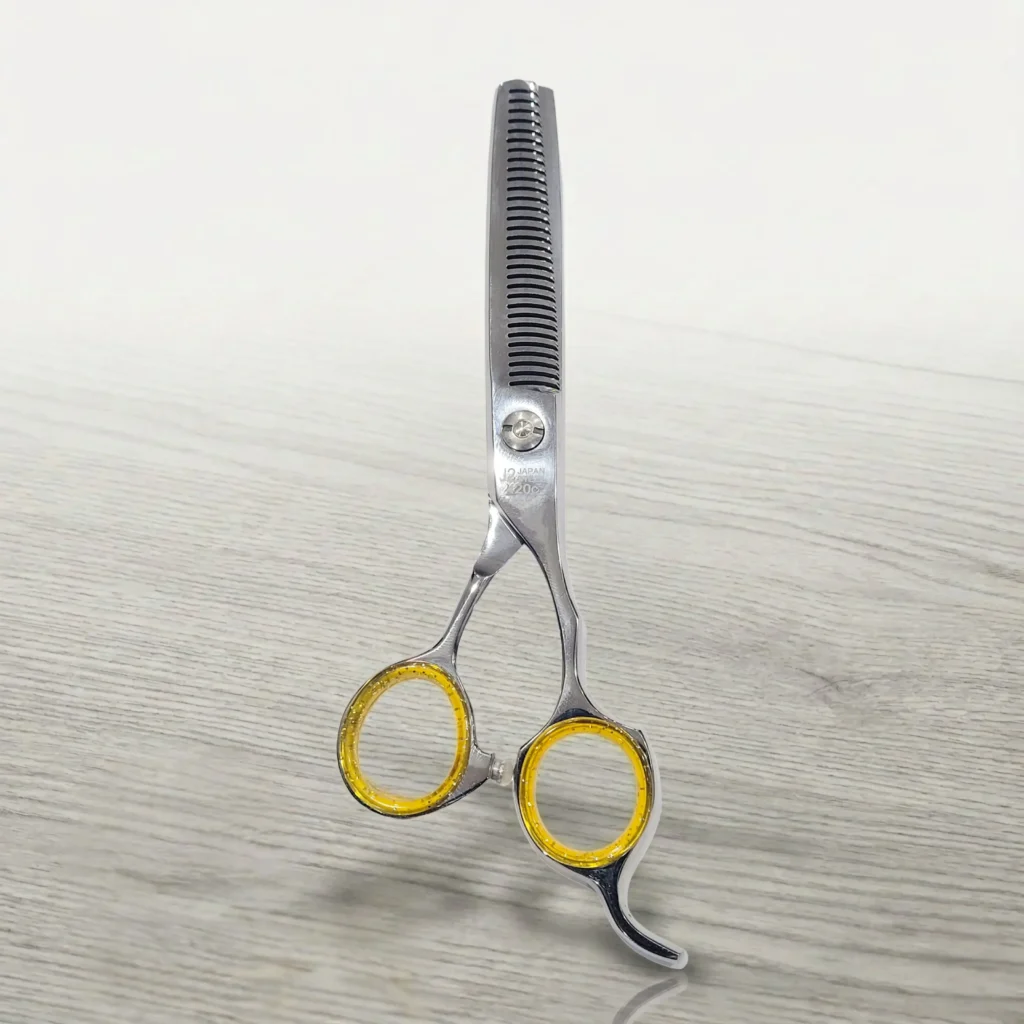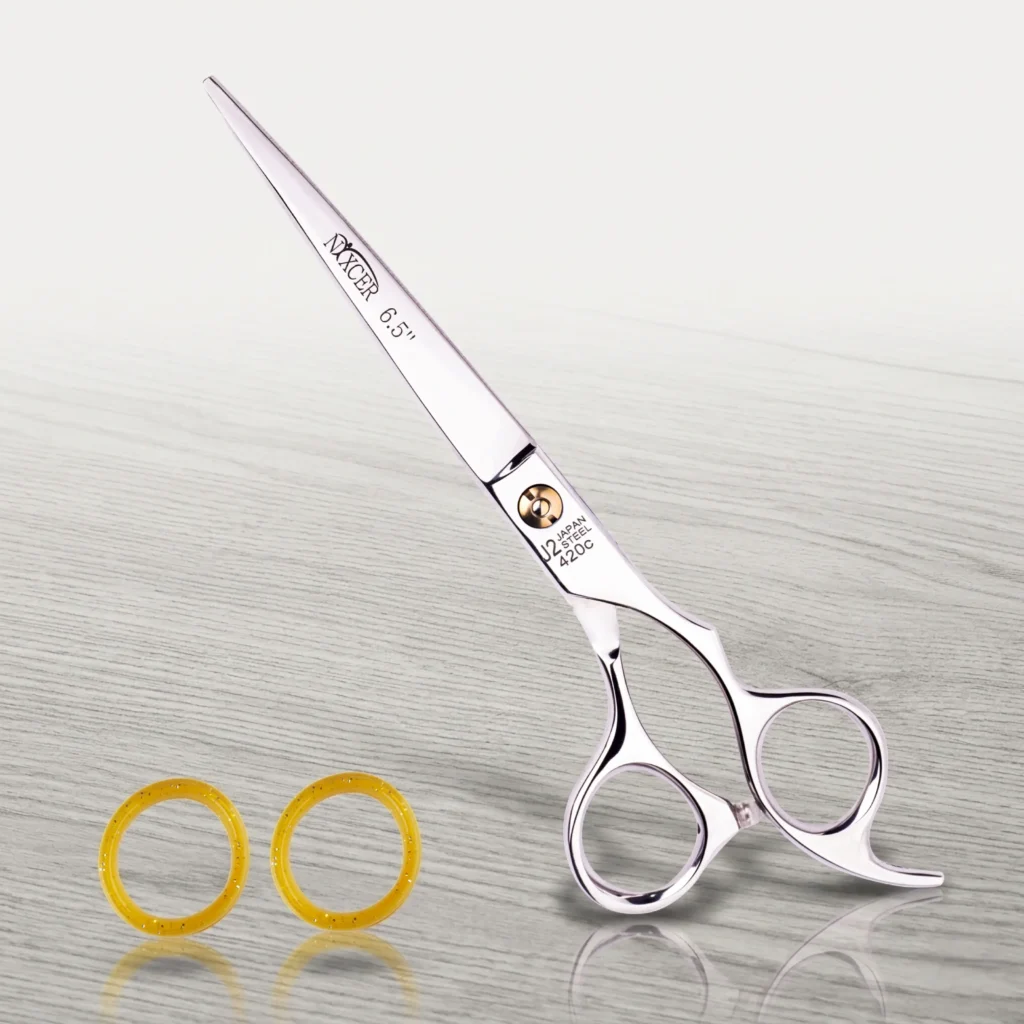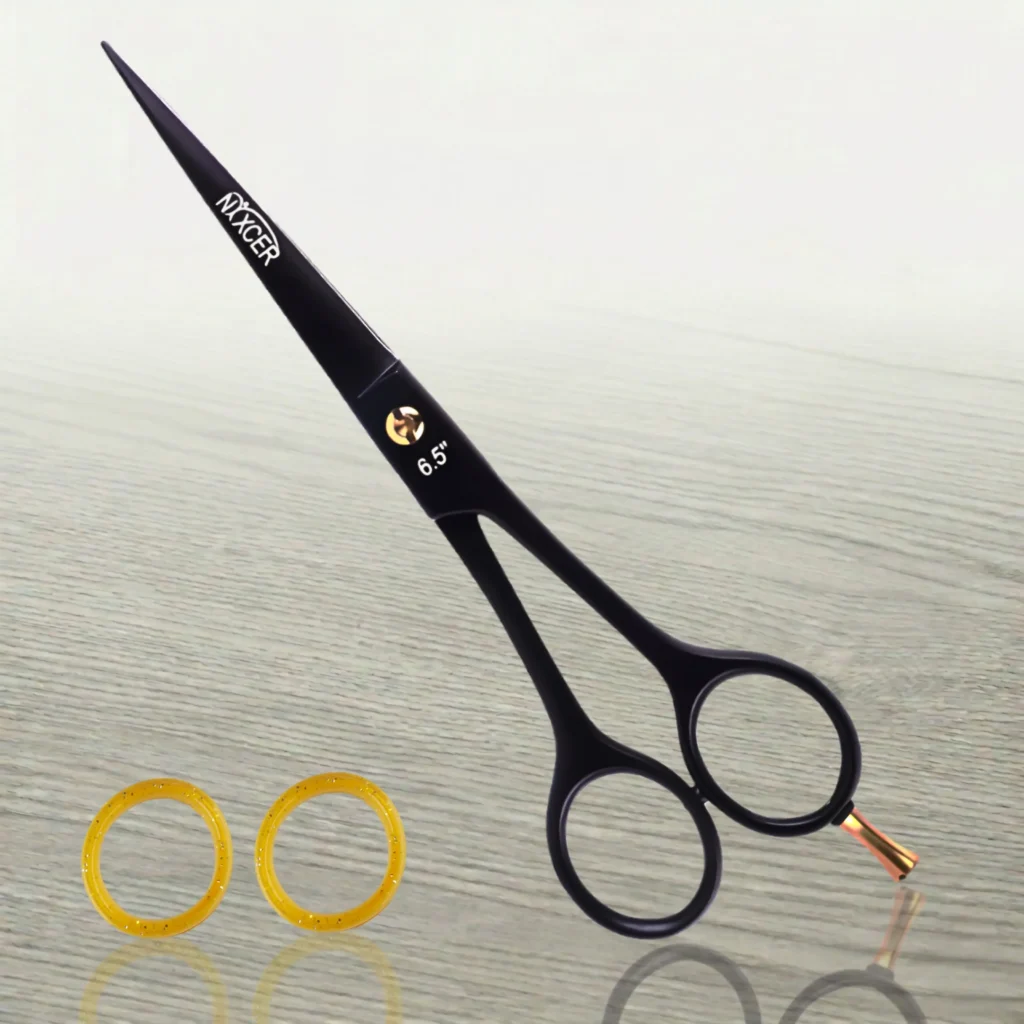
Proper care and maintenance are essential for keeping hair cutting scissors sharp, smooth, hygienic, and reliable. Whether you are a professional hairstylist, barber, salon owner, or home user, learning how to properly handle, clean, lubricate, sharpen, and store your professional hair cutting scissors can significantly extend their lifespan and maintain cutting performance.
High-quality hair scissors are precision tools. Using them incorrectly, exposing them to moisture, or storing them without protection can lead to dull blades, corrosion, loose tension, and poor cutting performance.
In this guide, we explain the best practices for hair cutting scissor care, including proper handling, cleaning, oiling, sharpening, storage, and regular maintenance.
1. Handle Hair Cutting Scissors Correctly
Proper handling is one of the most important parts of maintaining professional hair cutting scissors. Scissors designed for cutting hair should only be used for their intended purpose.
Use Hair Scissors Only on Hair
Never use your hair cutting scissors to cut paper, fabric, plastic, packaging, or other materials. These materials can quickly dull the cutting edges and affect the precision of the blades.
Using your salon scissors exclusively for hair helps preserve their sharpness and ensures smoother, more accurate cuts.
Use the Correct Scissor Grip
A proper hair cutting scissor grip provides better control while reducing unnecessary hand and wrist strain.
Place your thumb in the larger finger ring and your ring finger in the smaller ring. Your index and middle fingers should rest comfortably along the handle or shank for stability.
Avoid placing your pinky finger inside the finger ring. If your scissors have a tang or finger rest, allow your pinky to rest naturally on it.
A relaxed grip is particularly important for hairstylists and barbers who use scissors for long periods.
Avoid Dropping Your Scissors
Dropping professional hair scissors can cause serious damage. A fall may misalign the blades, damage the handles, loosen the tension screw, or chip the cutting edge.
Always place your scissors securely on a workstation when they are not being used. Avoid leaving them near the edge of a counter where they can easily fall.
Check Scissor Tension Regularly
Correct hair scissor tension is essential for smooth cutting.
If the tension is too loose, the blades may separate and fold or push the hair instead of cutting it cleanly. If the tension is too tight, the scissors may feel stiff and create unnecessary friction and hand fatigue.
Check the tension regularly and make small adjustments when necessary. The blades should open and close smoothly without feeling excessively loose or tight.
Wipe the Blades During Use
Hair, styling products, oils, and moisture can accumulate on the blades during a haircut. Wipe your hair cutting scissors with a clean, soft cloth when necessary to remove debris.
Keeping the blades clean helps maintain smooth cutting performance and reduces residue buildup.
Avoid Forcing Scissors Through Hair
Do not force your scissors through extremely thick, tangled, or unsuitable sections of hair. Use controlled movements and appropriate cutting techniques.
Professional barber scissors and salon scissors should cut hair smoothly without excessive force. If your scissors begin pulling, folding, or pushing hair, inspect the blade condition and tension.
2. Clean Hair Cutting Scissors Regularly
Regular cleaning is essential for maintaining the performance and appearance of hair cutting scissors.
Hair, natural oils, styling products, and moisture can accumulate around the blades and pivot area. If these residues are not removed, they can contribute to corrosion and affect the movement of the scissors.
Wipe Scissors After Every Use
After each haircut, wipe your hair scissors with a clean, soft, lint-free cloth.
Remove:
- Loose hair
- Hair products
- Oils
- Moisture
- Dust and debris
Pay particular attention to the pivot area and the surfaces around the blades.
Deep Clean Your Scissors
For regular maintenance, gently clean your scissors using an appropriate mild cleaning solution.
If water is used, avoid soaking the scissors. Apply a small amount of mild soap solution to a soft cloth or suitable brush and carefully clean the surfaces.
Keep the cutting edge protected while cleaning and avoid rubbing the sharp edge unnecessarily.
After cleaning, rinse away any residue if appropriate and dry the scissors immediately and thoroughly.
Moisture left on metal surfaces can contribute to rust and corrosion.
Disinfect Hair Scissors Properly
Hygiene is especially important in professional salons and barbershops where scissors may be used on multiple clients.
Use a suitable professional disinfectant according to the manufacturer’s instructions. Alcohol-based wipes or an appropriate salon-grade disinfectant may be used when compatible with the scissors’ materials and finish.
After disinfecting, dry the scissors completely and apply lubricant if necessary.
Never leave professional scissors wet after cleaning or disinfecting.
3. Oil Your Hair Cutting Scissors
Regular lubrication helps maintain smooth blade movement and reduces friction around the pivot.
Apply a small amount of professional scissor oil to the pivot area. Depending on the manufacturer’s recommendations and how frequently the scissors are used, lubrication may be needed regularly as part of your maintenance routine.
How to Oil Hair Cutting Scissors
- Clean and dry the scissors first.
- Place a small drop of scissor oil at the pivot.
- Open and close the scissors several times.
- Allow the oil to distribute around the moving parts.
- Wipe away excess oil with a clean cloth.
Avoid applying excessive oil. Too much lubricant can attract dust, hair, and product residue.
Regular oiling can help your professional hair cutting scissors operate smoothly and reduce unnecessary friction.
4. Sharpen Hair Cutting Scissors Professionally
Even high-quality hair cutting scissors eventually become dull with regular use.
Signs that your scissors may need sharpening include:
- Pulling or tugging hair
- Folding hair between the blades
- Difficulty making clean cuts
- Increased hand pressure
- Uneven cutting performance
- Hair sliding between the blades
- Reduced cutting precision
Have Your Scissors Sharpened by a Professional
Professional sharpening is recommended for high-quality salon and barber scissors.
Avoid sharpening expensive professional hair cutting scissors yourself unless you have the appropriate training and equipment. Incorrect sharpening can alter the blade geometry, damage the cutting edge, or permanently affect the performance of the scissors.
The ideal sharpening schedule depends on the scissors, cutting technique, frequency of use, and hair type. Instead of following a fixed schedule, have them professionally serviced when performance noticeably declines or according to the manufacturer’s recommendations.
5. Store Hair Cutting Scissors Safely
Proper storage is just as important as cleaning and sharpening.
When hair cutting scissors are left exposed on a salon workstation, they can be damaged by moisture, chemicals, dust, accidental drops, or contact with other tools.
Use a Protective Scissor Case
Store your scissors in a dedicated hair scissor case, pouch, or protective sheath when they are not being used.
A protective case helps prevent:
- Blade damage
- Accidental drops
- Scratches
- Dust buildup
- Moisture exposure
- Contact with other tools
Keeping your scissors protected also makes it easier to organize and transport them safely.
Keep Scissors Away From Moisture
Moisture is one of the biggest concerns when storing metal salon scissors.
Always make sure your scissors are completely dry before putting them into a case or pouch. Store them in a cool, dry environment away from sinks, wet towels, and areas with excessive humidity.
Do Not Store Scissors Loose With Other Tools
Avoid throwing your hair scissors into a drawer or tool bag with combs, clips, razors, brushes, and other metal instruments.
Other tools can scratch the handles or blades and may damage the cutting edge.
Keep your professional barber scissors separated and protected whenever possible.
Avoid Extreme Heat and Direct Sunlight
Store scissors away from excessive heat and prolonged direct sunlight.
A stable, dry environment is preferable for long-term storage and helps protect the metal finish and moving components.
Use Magnetic Holders Carefully
If you use a magnetic holder to store your scissors, make sure they are securely positioned.
Remove them carefully rather than allowing the blades to hit hard surfaces. The goal is to prevent accidental impacts that could affect blade alignment or sharpness.
6. Inspect Your Hair Scissors Regularly
Regular inspection helps identify small problems before they become expensive repairs.
Before or after use, check your hair cutting scissors for:
- Loose tension
- Damaged blades
- Chips or nicks
- Rust or corrosion
- Unusual resistance
- Loose screws
- Uneven blade movement
- Reduced cutting performance
If you notice a significant problem, stop using the scissors until they can be properly inspected or serviced.
7. Schedule Professional Scissor Maintenance
Professional hair cutting scissors benefit from periodic maintenance, particularly when they are used every day in a busy salon or barbershop.
Professional maintenance may include:
- Blade inspection
- Tension adjustment
- Deep cleaning
- Lubrication
- Blade alignment
- Professional sharpening
- Pivot inspection
Regular maintenance can help keep your scissors performing consistently and may extend their useful life.
8. Common Hair Cutting Scissor Care Mistakes to Avoid
Avoiding common mistakes can make a significant difference in the lifespan of your scissors.
Don’t Cut Non-Hair Materials
Paper, fabric, plastic, and other materials can quickly affect the sharpness of professional hair scissors.
Don’t Leave Scissors Wet
Always dry scissors thoroughly after cleaning or disinfecting.
Don’t Over-Tighten the Tension Screw
Excessive tension can increase friction and make the scissors uncomfortable to use.
Don’t Force Dull Scissors
If your scissors are pulling or folding hair, they may require professional sharpening or adjustment.
Don’t Attempt DIY Sharpening Without Training
Improper sharpening can permanently change the blade’s cutting geometry.
Don’t Store Scissors Unprotected
A quality protective case or pouch can help prevent scratches, impacts, moisture exposure, and accidental damage.
Final Thoughts
Proper hair cutting scissor care is essential for maintaining sharpness, precision, comfort, and long-term performance. Whether you use professional hair cutting scissors, barber scissors, salon scissors, or hairdressing scissors, simple maintenance habits can make a major difference.
Clean your scissors regularly, disinfect them appropriately, apply a small amount of scissor oil when needed, maintain proper tension, have dull blades professionally sharpened, and store your scissors in a clean, dry, protective case.
Taking care of your professional scissors not only helps protect your investment but also gives hairstylists and barbers the reliable cutting performance they need for precise, professional results.