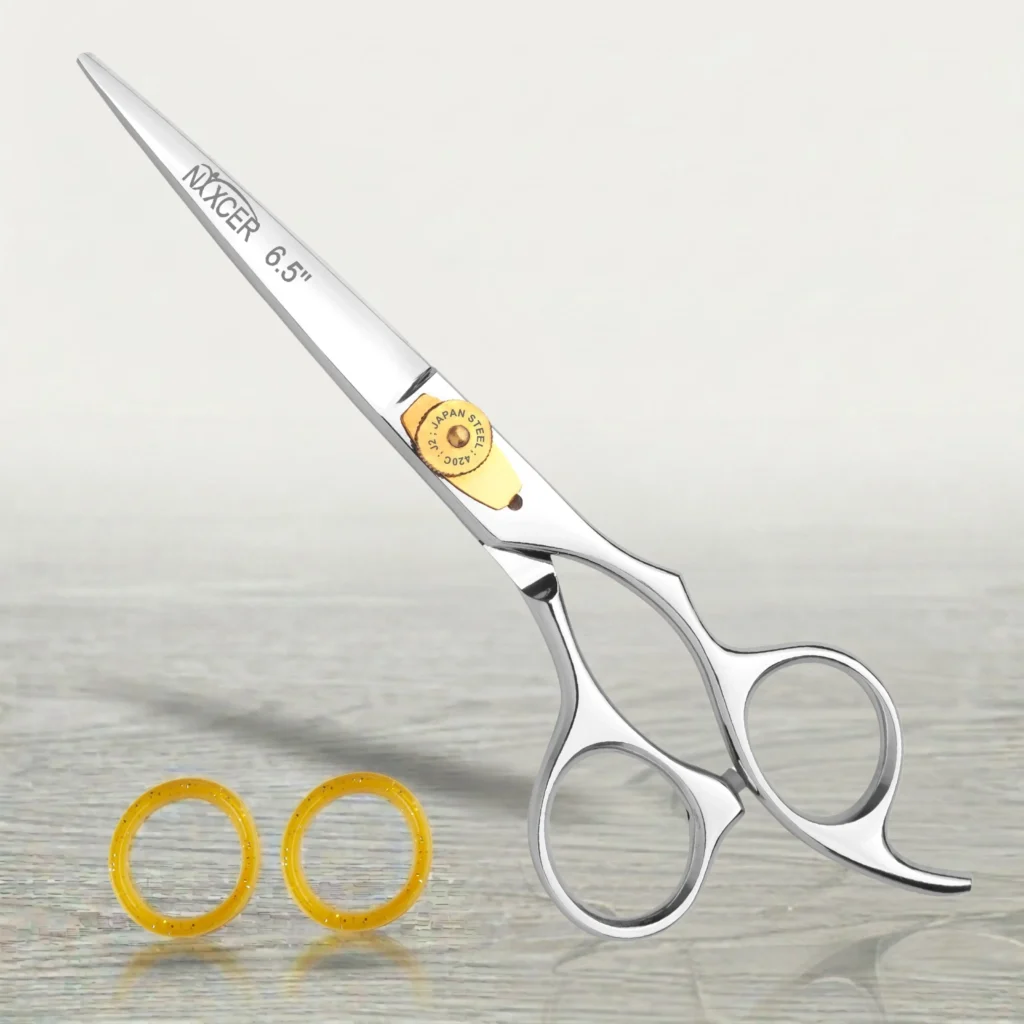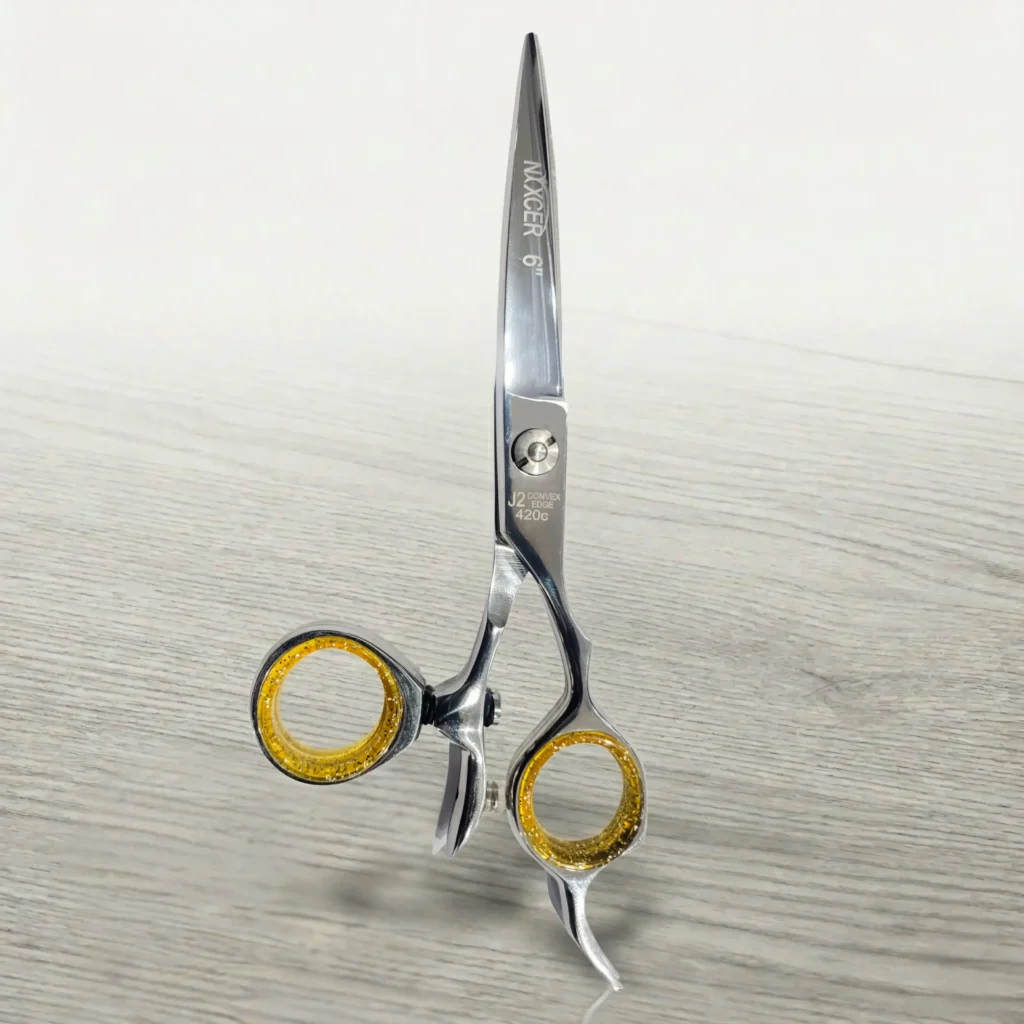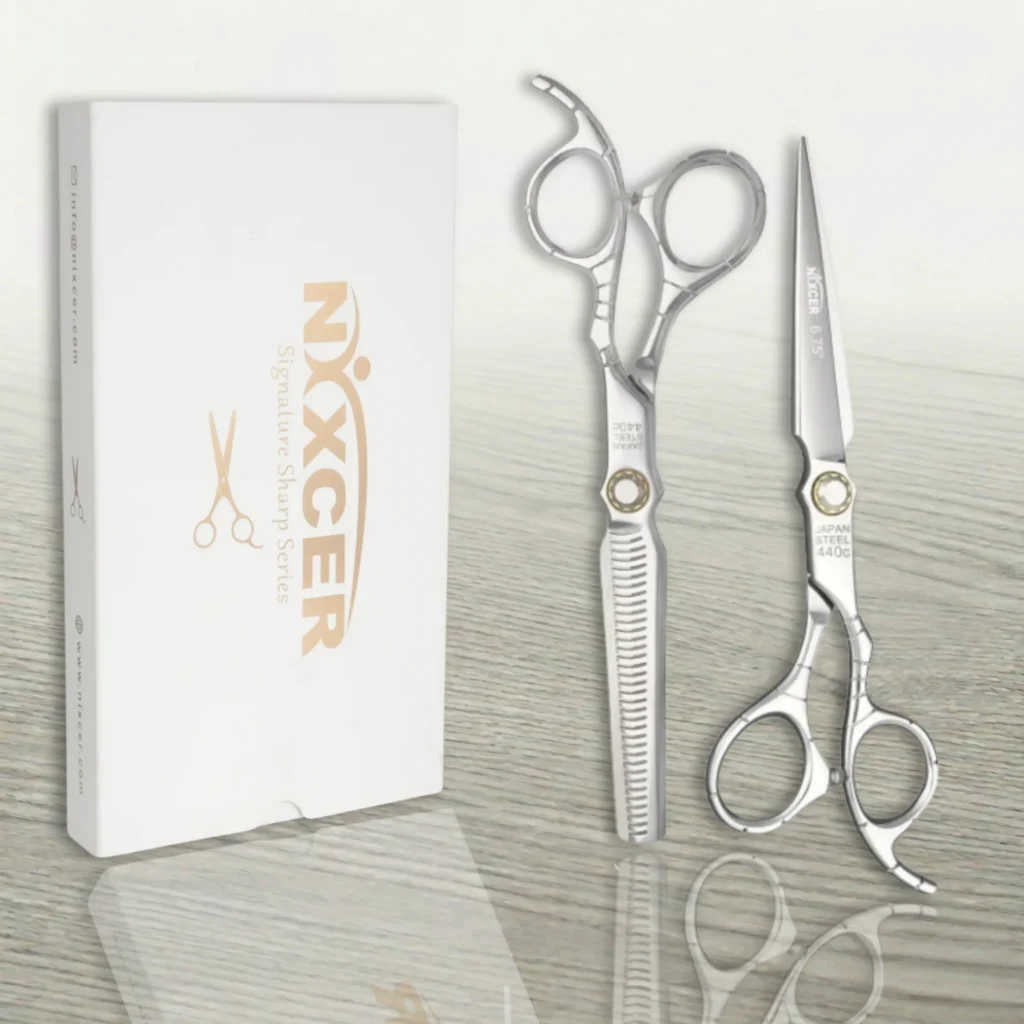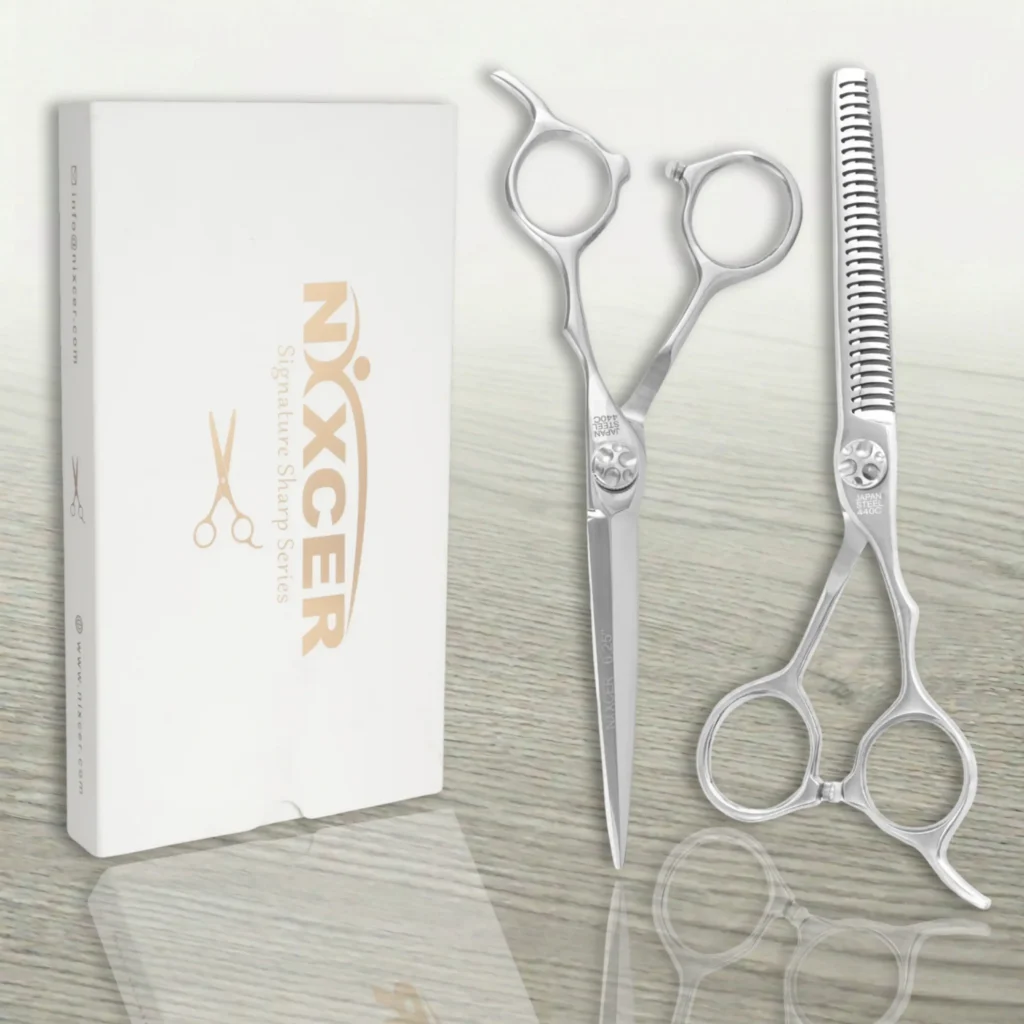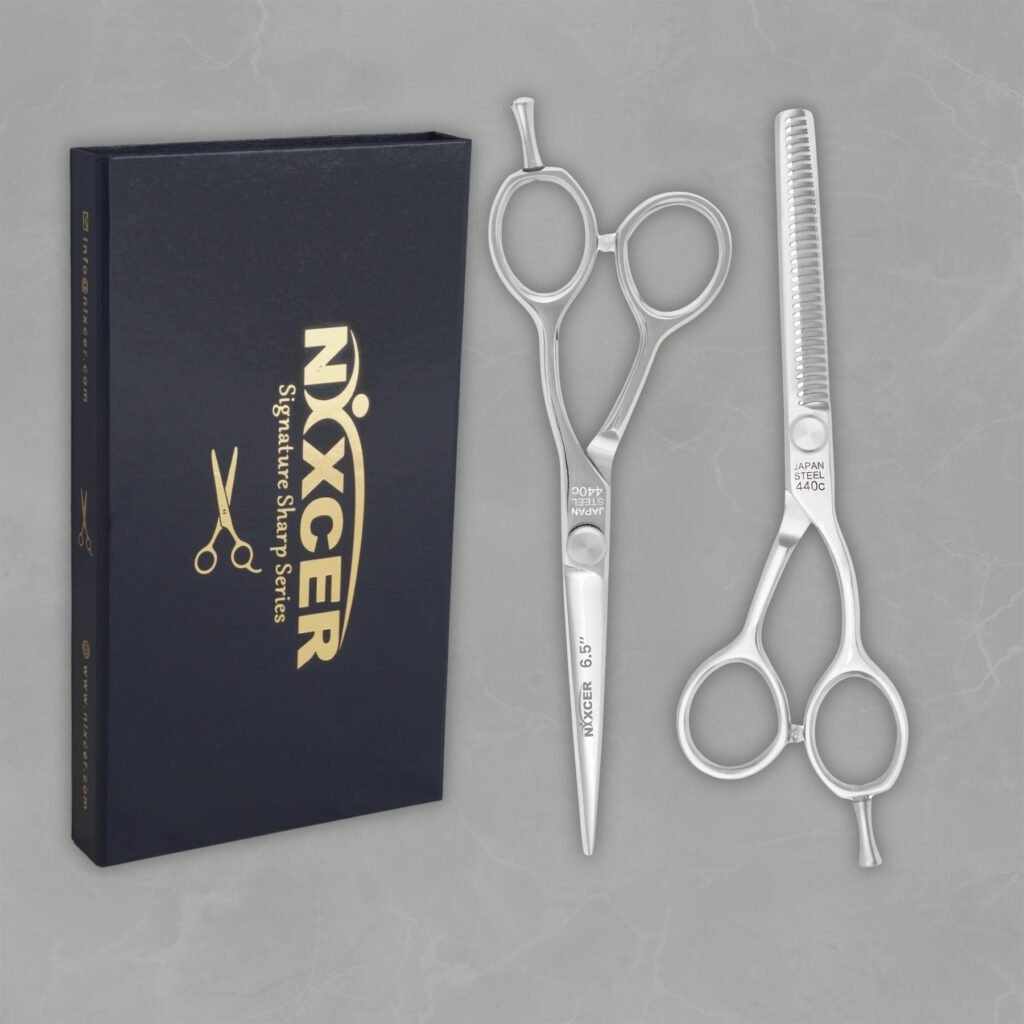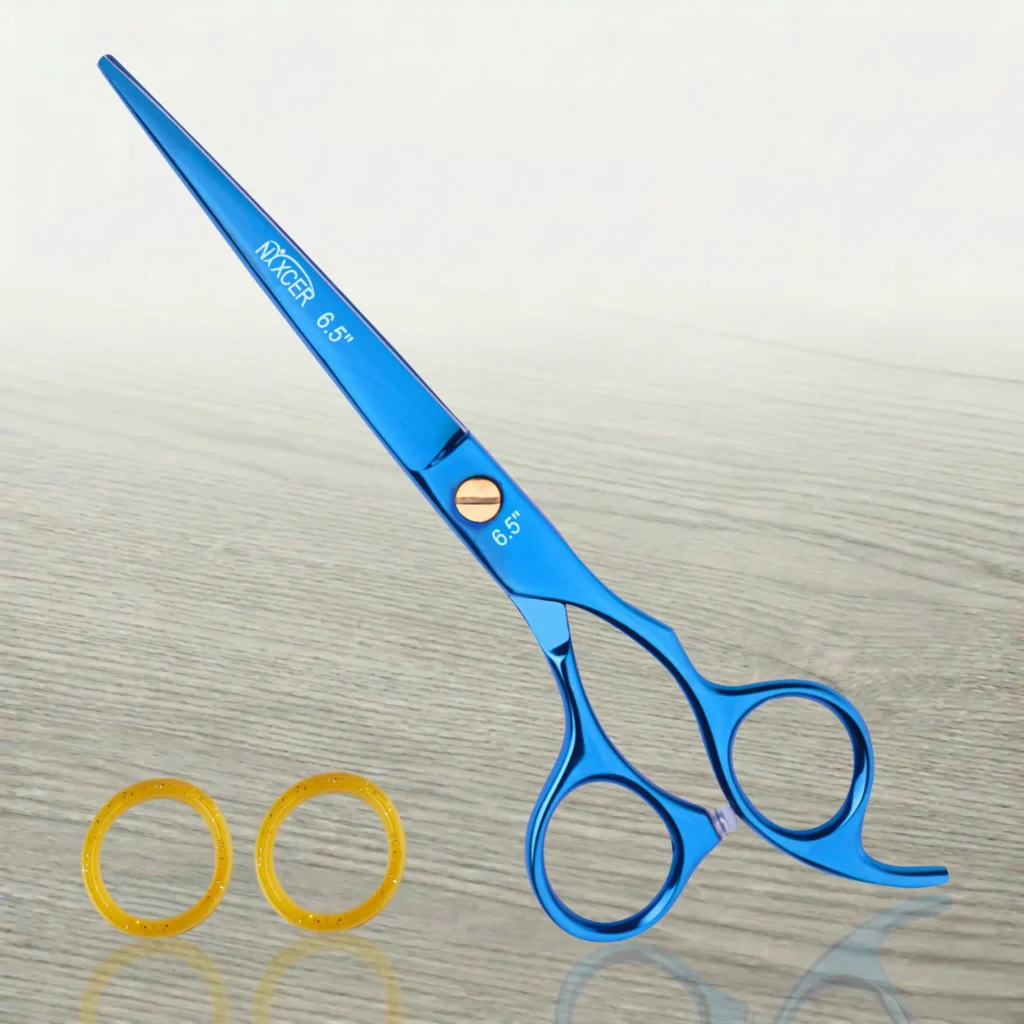
Quick Answer: Why Balance and Tension Matter
Balance and tension matter because they control how a scissor feels in the hand and how the blade moves through hair. When shear balance is right and scissor tension is correct, hair cutting feels smoother, cleaner, and easier on the hand.
For Nixceroutlet customers, the practical answer is simple: a good hair shear should feel stable, open and close smoothly, and cut hair without pushing, folding, or snagging. If the tension is loose or too tight, even high-quality shears can feel uncomfortable and perform poorly.
What this guide covers
This guide explains balance and weight, tension adjustment, pivot care, proper care, regular cleaning, and the signs that your haircutting scissors need service. It is written for every stylist or barber who wants better comfort and precision.
What Is Shear Balance?
Shear balance is how the weight of the scissors is distributed between the blade, pivot, handle, and finger rest. A balanced hair scissor does not feel tip-heavy, handle-heavy, or awkward when you start cutting hair.
Balance and weight affect comfort and control during every haircut. If a professional shear feels balanced, the hand does less extra work. If it feels uneven, the wrist and fingers compensate, which can reduce hand comfort during long cutting sessions.
Why balance matters for stylists
A stylist uses small cutting motions all day. Poor balance can make the scissors twist, drift, or feel heavy. Better shear balance helps with precision cutting, point cutting, scissor-over-comb, and detailed finishing.
Why balance matters for barbers
A barber needs comfort and control around tight areas such as the neckline, ears, and beard line. Balanced barber shears make short cutting techniques more predictable.
Simple balance test
Hold the pair of haircutting shears naturally. If the tips pull downward or the handles feel bulky, the balance may not match your hand or cutting style.
What Is Scissor Tension?
Scissor tension is the pressure between the two blades at the pivot. It is controlled by the screw or tension system in the center of the hair cutting scissors. Correct tension keeps the blades in contact without making them stiff.
Too much tension makes the scissors hard to open and close. Loose tension lets the blades separate, which can bend hair instead of cutting it cleanly. Proper tension protects the cutting performance of your scissors.
How tension affects the blade
The blade needs smooth contact from heel to tip. If the screw is too loose, the blades may not meet correctly. If the screw is too tight, excessive tension can create friction, heat, blade wear, and damage to the blades.
Key idea
Scissor tension is not just a comfort setting. It is a cutting quality setting.
Signs Your Scissor Tension Is Too Loose
Loose tension often feels easy at first because the scissors open quickly. But that easy movement can hide poor blade contact.
Common loose tension symptoms
The hair folds between the blades, the scissors push hair away, the blade falls completely during a drop test, and the cut looks uneven. Loose tension or looser tension can also make thin sections slip instead of cutting cleanly.
Why loose tension is risky
When the blades separate, hair can bend or fold before it cuts. That creates rough ends and forces the stylist to cut the same area again.
Quick fix
Clean and oil the pivot first. Then adjust the tension in tiny increments and test again.
Signs Your Scissor Tension Is Too Tight
Tighter tension is not always better. When tension is too tight, the shear may feel controlled for a moment, but the hand works harder with every cut.
Common tighter tension symptoms
The scissors feel stiff, the blades barely move during the drop test, the hand tires quickly, or you hear rough movement around the pivot. Tighter tension can reduce hand comfort and damage the scissors over time.
Why excessive tension causes fatigue
Excessive tension makes the hand squeeze harder. This can reduce hand fatigue only when corrected; if ignored, it can increase wrist strain and reduce hand control during long salon days.
Quick fix
Loosen the screw a tiny amount, open and close the scissors, then test again. Never force a stuck screw.
How to Adjust the Tension Safely
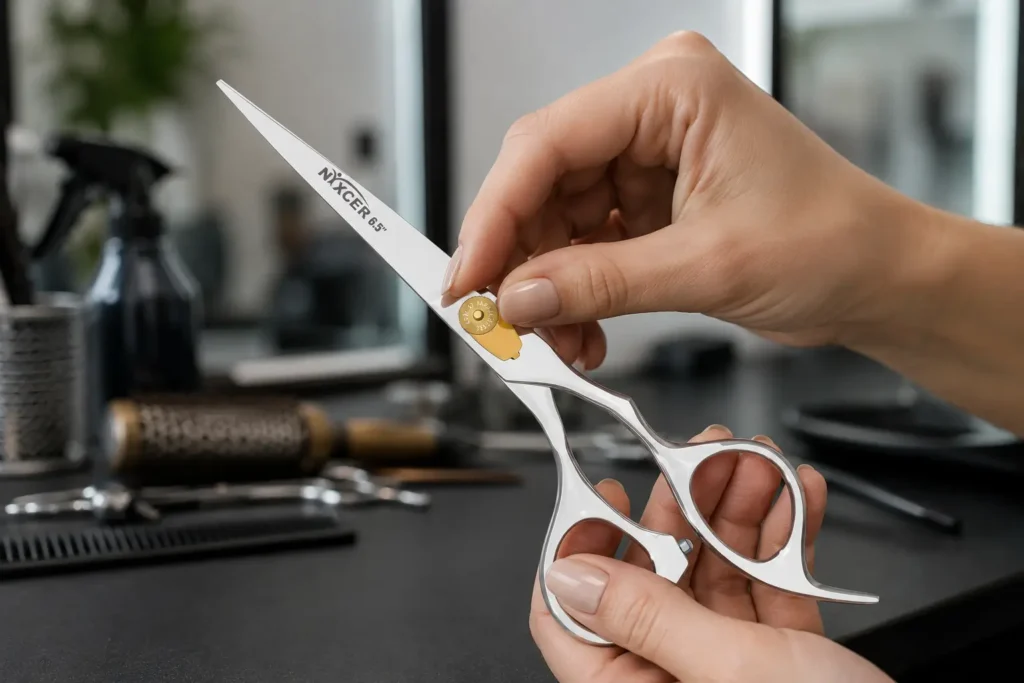
Tension adjustment should be slow and careful. Before you adjust the tension, clean the blades, sanitize if needed, dry the scissors, and add a small drop of shear oil to the pivot.
Step 1: Clean before adjusting
Regular cleaning matters because hair, product residue, and old oil can make the pivot feel tighter than it really is. Washing and sanitizing should be followed by complete drying to prevent rust and corrosion.
Step 2: Use the correct tool
Use the tension key or dial made for your professional scissors. Do not use a coin, knife, or random screwdriver because the wrong tool can cause damage to the scissors or strip the screw.
Step 3: Make tiny changes
Turn the screw only a little at a time. Clockwise usually tightens; counterclockwise usually loosens. After each change, open and close the scissors several times so the pivot settles.
Step 4: Test the movement
Hold the scissors upright, open one blade to about 90 degrees, then let it drop naturally. If the blade falls completely closed, the tension is too loose. If it stays open, the tension may be too tight.
Professional warning
If the screw skips, binds, spins freely, or the scissors still feel wrong after cleaning and oiling, ask a shear sharpener or service technician for help.
Balance and Weight: Choosing the Right Feel
Choosing the right balance and weight depends on hand size, technique, cutting style, and the type of hair cutting you do most. A heavy shear is not always stronger, and a light shear is not always easier.
Shorter scissors
Shorter hair cutting scissors are often easier for detail work, precision cutting, and control around the face. They can feel lighter and more responsive.
Longer scissors
Longer scissors can be useful for barber work, scissor-over-comb, and cutting larger sections. But if the blade feels too long for your hand, comfort and precision may drop.
Handle and pivot position
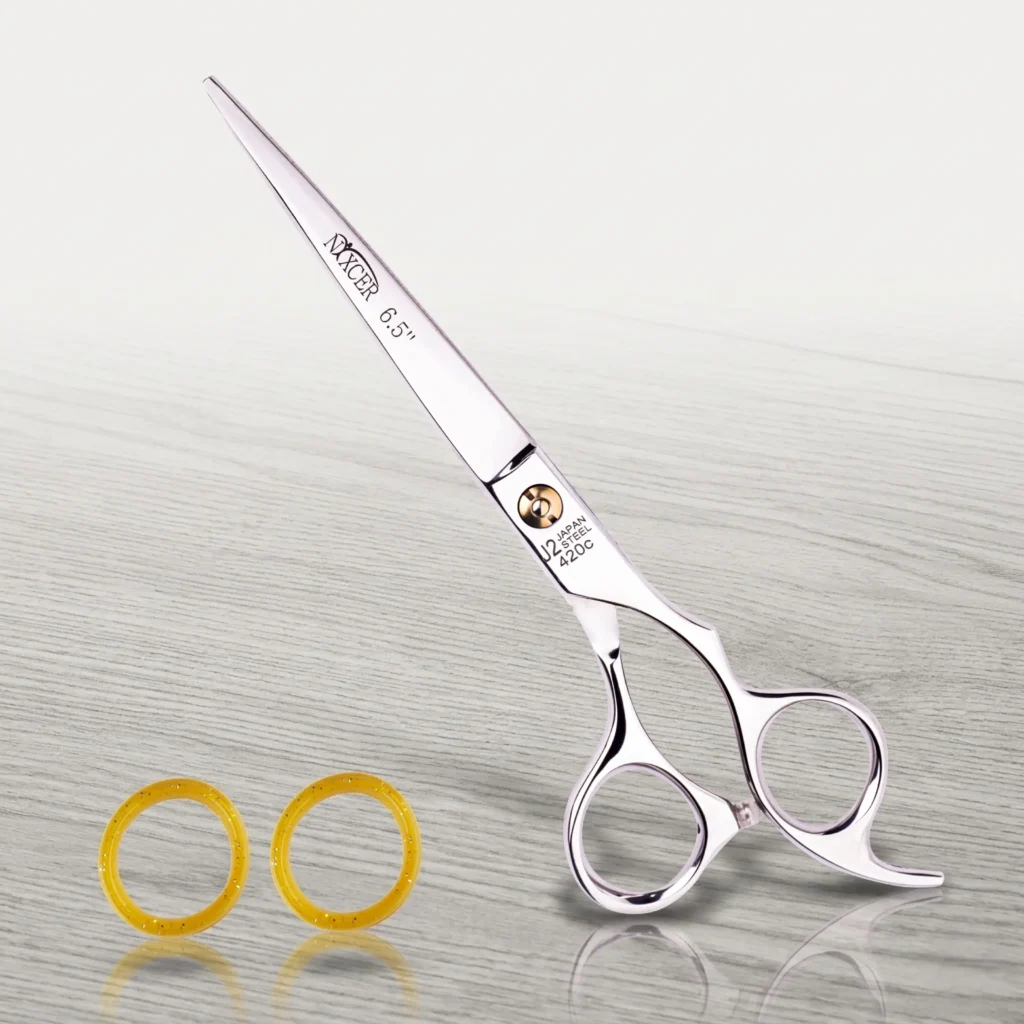
The pivot location changes how the shear feels. A well-designed pivot, offset handle, and finger rest can improve comfort and control without making the scissor heavier.
Nixceroutlet tip
Choose scissors by feel, not only by size. The best hair cutting scissors disappear in the hand instead of fighting your motion.
How Balance and Tension Improve Cutting Performance
Balance and tension work together. A balanced shear with poor tension will still cut badly. A sharp shear with awkward balance may still cause hand fatigue.
When both are right, the hair cutting scissors move smoothly, the blades stay aligned, and the stylist can focus on shape instead of fighting the tool.
Better clean cutting
Correct tension helps the blades meet cleanly. Good shear balance keeps the hand steady. Together, they improve cutting performance for blunt lines, point cutting, slide cutting, and cutting and thinning shears work.
Better comfort
Balanced scissors and proper tension reduce hand strain. This creates better comfort and precision over a full day of hairdressing.
Result for the client
The client may not know why the haircut feels cleaner, but they can see the result in smoother lines and a more polished style.
Proper Care for Balance, Tension, and Blade Life
Proper care keeps scissors stable. A clean pivot, a sharp blade, and safe storage help your shears stay sharp and last longer.
Regular cleaning
Wipe hair and product residue from the blades after each cut. If you sanitize, dry the scissors fully afterward so moisture does not sit around the screw.
Oil to the pivot
Add one small drop of oil to the pivot, then open and close the scissors to distribute it. Wipe away extra oil so it does not transfer to hair.
Store your shears safely
Store your shears in a case or sleeve. Loose storage can cause damage to the blades, tip chips, corrosion, or misalignment.
Sharpen at the right time
Do not wait until the scissors pull hair. Sharpen with a professional shear sharpener who understands the quality of the steel, convex edges, and hairdressing scissors.
Care rhythm
Clean, sanitize, dry, oil, test tension, and store. This rhythm gives better care of your shears and helps extend the life of the tool.
Common Mistakes That Damage the Scissors
Many scissor problems are caused by small habits repeated daily. Fixing those habits protects both the tool and the haircut.
Mistake 1: Cutting non-hair materials
Professional shear tools are made for hair. Paper, tape, fabric, and plastic can dull the blade and damage the scissors.
Mistake 2: Adjusting dirty shears
A dirty pivot can feel like incorrect tension. Clean and oil first, then adjust only if the movement still feels wrong.
Mistake 3: Ignoring corrosion
Rust and corrosion can damage the pivot and blade surface. Dry tools fully after washing and sanitizing.
Mistake 4: Over-tightening
Excessive tension can grind the blades, reduce comfort, and cause damage to the scissors. Tight is not the same as correct tension.
Simple rule
If the scissors feel loose or too tight, diagnose the cause before making big changes.
How to Choose Professional Scissors with Better Balance
Choosing the right scissors is easier when you know your hand, your haircutting style, and your care habits. Look for high-quality shears with smooth pivot action, stable tension, and a comfortable handle.
For stylists
A hair stylist who cuts all day should prioritize comfort and precision, not just blade length. Professional scissors should reduce hand fatigue and support smooth movement.
For barbers
A stylist or barber doing short cuts may prefer longer blades for scissor-over-comb, but the shear still needs stable balance and controlled tension.
For thinning and texturizing
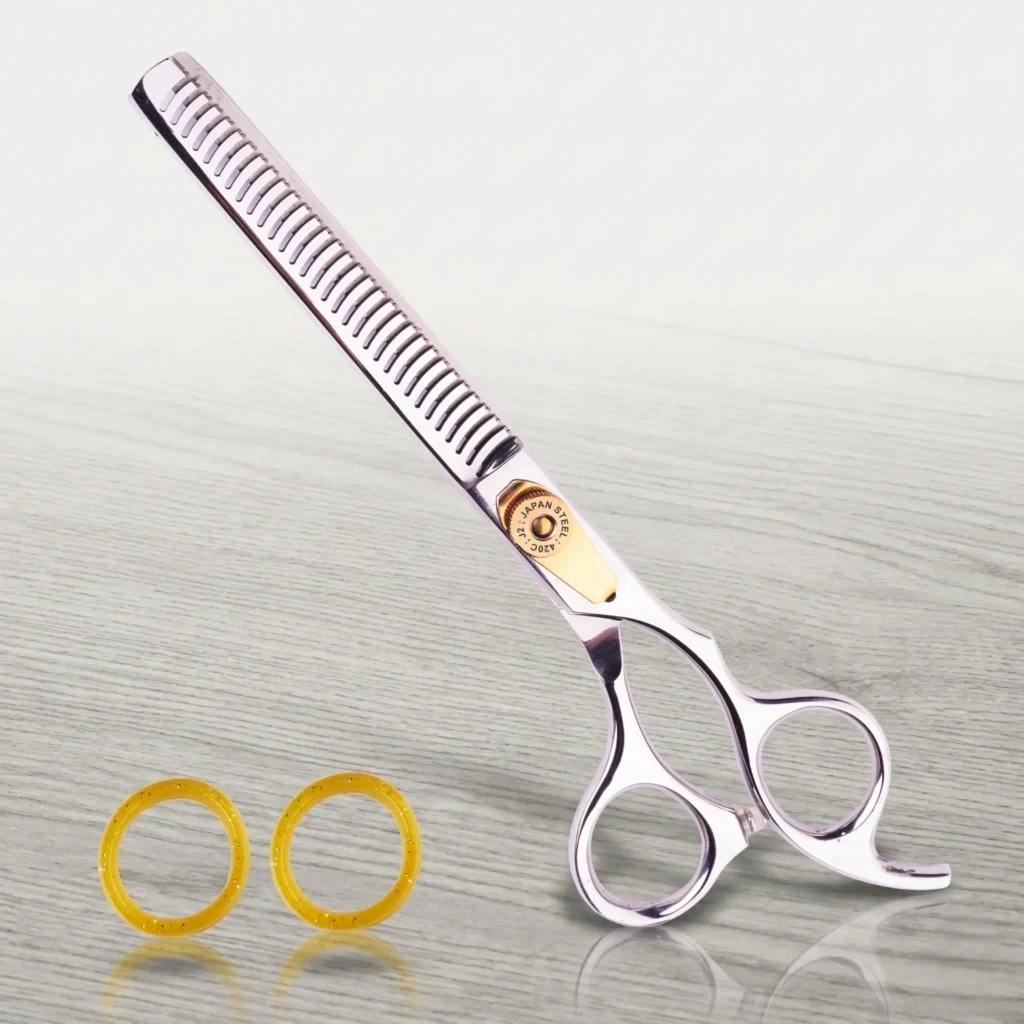
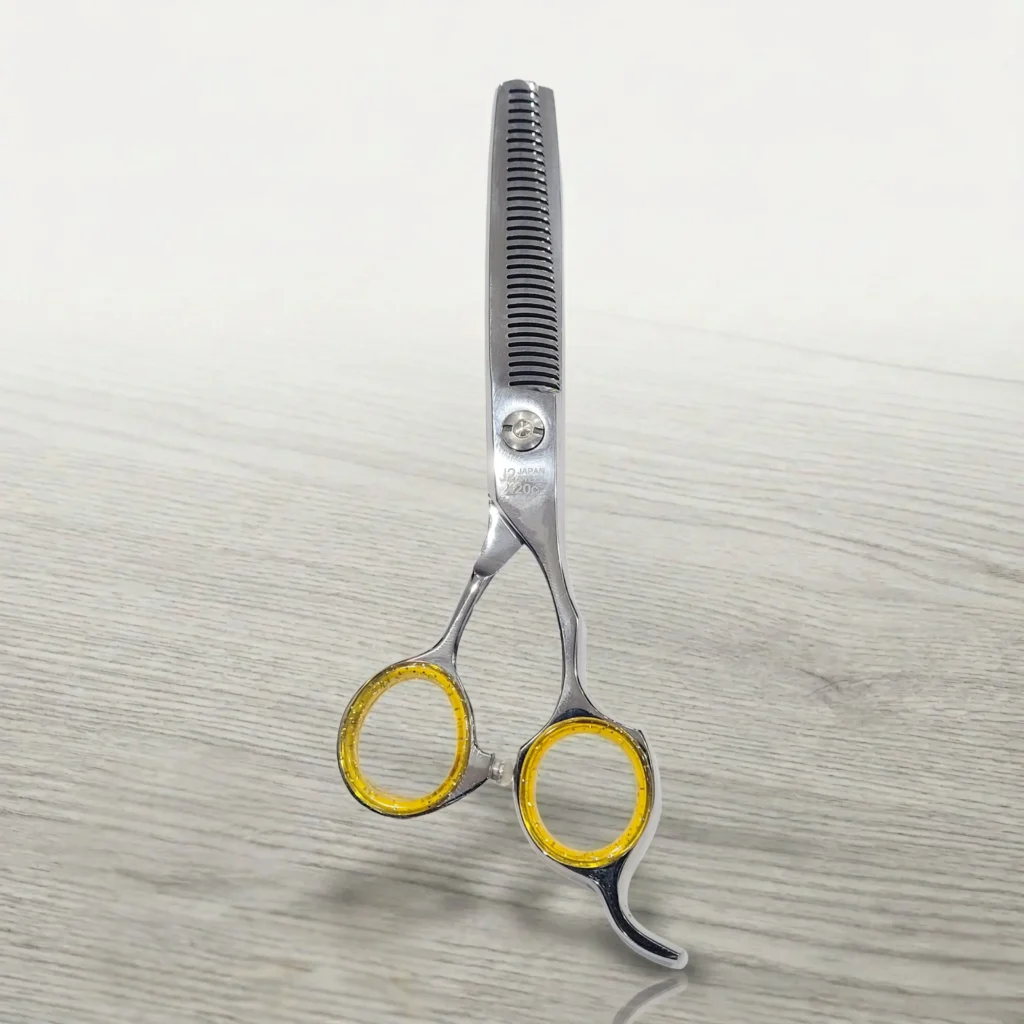
Thinning shears and cutting and thinning shears also need correct tension. Loose tension can make thinning shears grab or fold hair instead of removing weight smoothly.
Buyer checklist
Check balance, pivot smoothness, blade sharpness, tension system, steel quality, handle fit, and whether the scissors open comfortably in your hand.
Frequently Asked Questions
What is the correct tension for hair cutting scissors?
Correct tension lets the blades stay aligned without feeling stiff. In a drop test, the blade should fall smoothly and stop before slamming fully closed.
What happens if scissor tension is too loose?
Loose tension can make hair fold, push, or slip between the blades. It can also create uneven cutting results.
What happens if scissor tension is too tight?
Tighter tension can cause hand fatigue, blade wear, rough movement, and reduced comfort during long cutting sessions.
How often should I check scissor tension?
A busy stylist or barber should check tension daily. Home users can check before each haircut or whenever the scissors feel different.
Does shear balance affect haircut quality?
Yes. Better shear balance improves comfort, control, and precision, which helps the stylist create cleaner cutting results.
Final Thoughts
Balance and tension decide how a scissor behaves in the hand. When both are right, the blade moves cleanly, the pivot feels smooth, and the haircut looks more controlled.
For Nixceroutlet customers, the best approach is to choose a balanced hair shear, keep the tension correct, use proper care, and service the tool before small issues become expensive damage. That is how professional scissors stay reliable, comfortable, and ready for every cut.