Quick Answer: Does Scissor Quality Really Affect Hair Health?
Yes. The impact of hair cutting scissor quality on hair health is real because the scissors you use decide whether the blade slices hair cleanly or bends, folds, and tears through the hair. A sharp, well-balanced shear can create a smooth cut, while blunt scissors and regular scissors can leave uneven ends, split ends, and rough texture.
For Nixceroutlet readers, the simple rule is this: use hair cutting scissors designed to cut hair, keep them sharp, and avoid household scissors for trims. The right cutting scissor protects hair health, improves precision, and helps every haircut look cleaner for longer.
Who should care about shear quality?
A salon stylist, barber, professional hair student, and home user should all care about shear quality. If you cut hair regularly, trim your hair between salon visits, or cut your hair at home, the type of scissors you use matters more than most people think.
Bottom line
Good shears are not just about style. Quality shears protect hair health, help maintain hair health, and reduce cuts that can damage hair.
Why the Scissors You Use Can Protect or Damage Hair
Hair looks strong, but the hair shaft can be damaged by poor tools, heat, friction, and harsh handling. When scissors are sharp and aligned, they cut the hair cleanly. When scissors are dull, loose, or not meant for hair, they can crush the strand before separating it.
This is why scissors you use to cut hair should be different from scissors used for paper, fabric, or packaging. Hair cutting requires a thin, sharp blade and smooth tension so the cut does not drag.
What happens with a low-quality cut?
A bad cut can look uneven right away, but the bigger problem shows up later. Rough ends can fray, split, and make healthy hair look dry. Over time, repeated rough cuts may cause more breakage and make the health of your hair harder to maintain.
Hair-health warning
If the scissors pull, chew, bend or fold the hair, or make the ends look white and frayed, stop using them for hair cutting.
Regular Scissors vs Professional Hair Cutting Scissors
Regular scissors are designed for everyday materials. They may cut paper cleanly, but they are not designed to cut hair. Household scissors can feel sharp in the hand, yet still create rough, jagged ends on delicate strands.
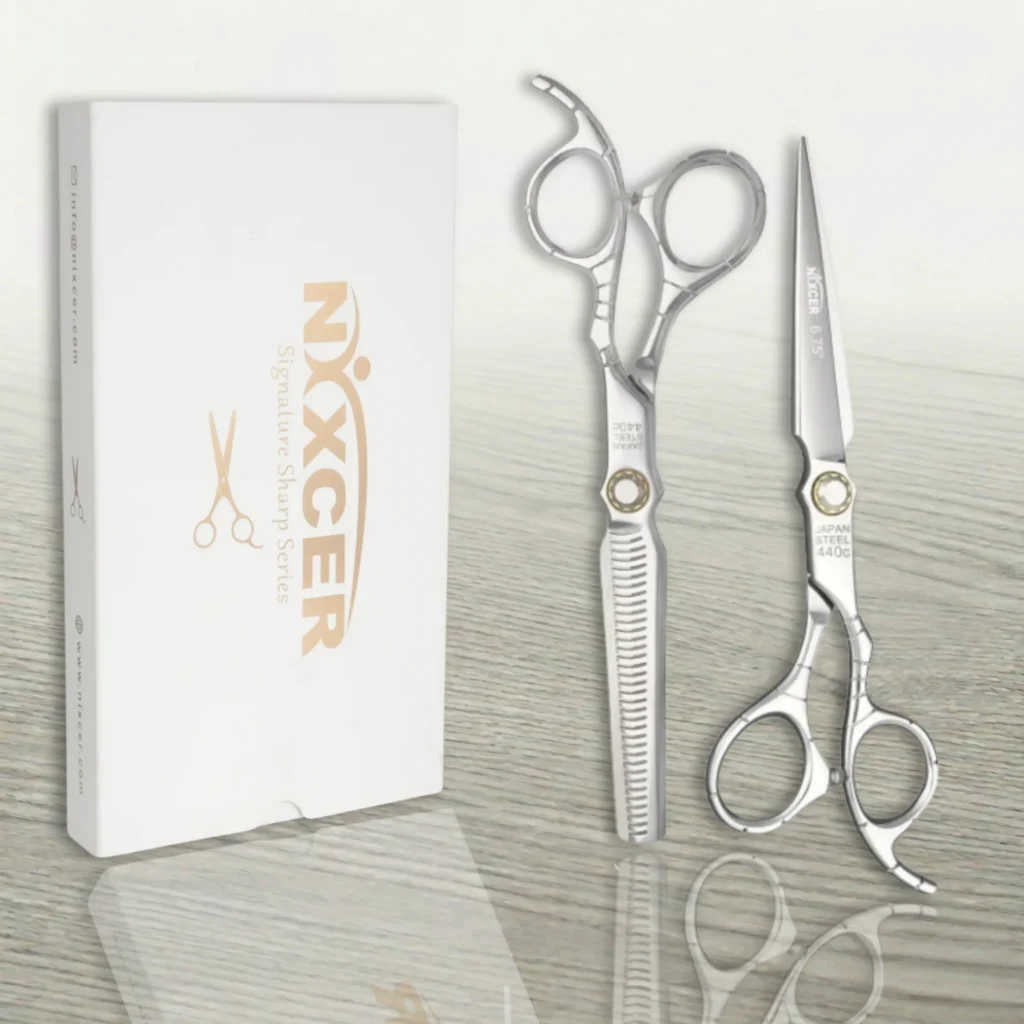
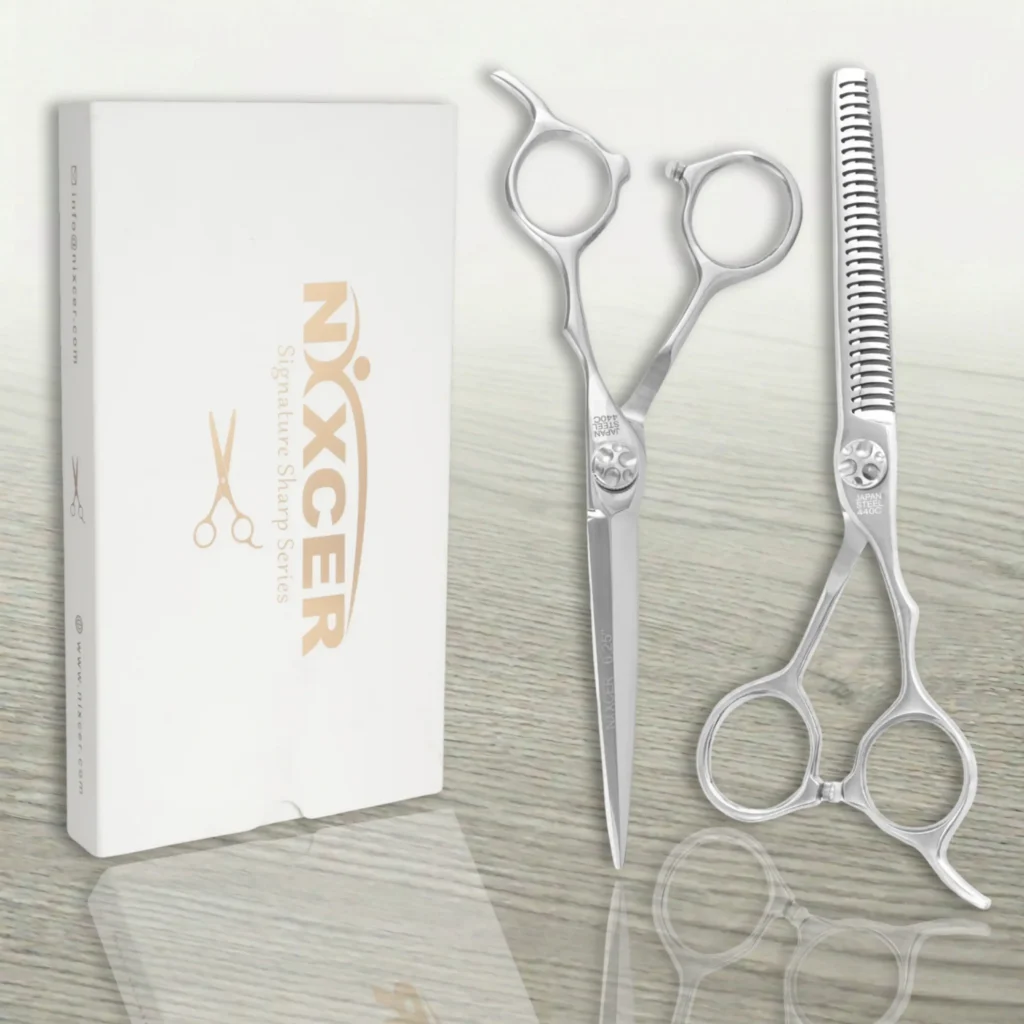
Professional hair cutting scissors are designed for hair. They use better steel, thinner cutting edges, smoother pivot control, and a handle shape that gives better control. This helps the stylist cut hair cleanly without forcing the hand.
Why regular scissors for hair are risky
Regular scissors for hair can push the strand away, make the cut uneven, and create split ends. The blade is often too thick and the tension too rough for precision work. These scissors damage hair because they are not made to glide through the section, and using scissors meant for paper can make hair ends rough.
Why professional-grade shears work better
Professional-grade shears are designed to cut hair with less pressure. Professional-grade scissors provide cleaner lines, smoother movement, and better control for point cutting, slide cutting, trimming, and detailed finishing.
Simple rule
If you are serious about cutting, use shears to cut hair instead of household scissors. If you’re serious about cutting professionally, invest in quality and maintain your tools.
How a Sharp Blade Helps Prevent Split Ends
A sharp blade makes a precise cut. That matters because split ends usually begin when the hair fiber becomes weak or frayed. A cleanly cut end is not a guarantee against all damage, but it gives the hair a better chance to stay smooth between trims.
Sharp scissors also reduce repeated passes. When a scissor cuts cleanly the first time, you do not need to keep going over the same section. That means less pulling, less friction, and less stress on the hair shaft.
Signs your scissors are too dull
Your shears may be dull if they push hair instead of cutting, fold the ends, leave uneven lines, or force you to squeeze harder. Blunt scissors can tear through the hair, especially on dry hair or fragile hair textures.
Maintenance tip
Do not wait until a shear feels terrible. Schedule shear sharpening when the cut starts feeling rough, and sharpen only through a qualified professional.
The Role of Precision in Healthy Hair Cutting
Precision affects hair health because a controlled scissor creates less stress on the strand. A precise cut also helps the haircut keep its shape, which can reduce the need for aggressive correction later.
Good hairdressing scissors help with clean lines, soft layers, and smooth finishing. They let a barber or stylist remove exactly what is needed and avoid cutting extra hair by mistake.
Precision and cutting techniques
Cutting techniques like point cutting and slide cutting need sharp, balanced shears. If the tool is dull, these techniques can snag or damage hair instead of softening the style.
Precision for different hair textures
Fine hair shows every uneven end, thick hair needs strong sharp shears, and curly hair needs careful control so the shape stays natural. Different hair textures respond differently, so the scissors designed for the task matter.
Salon example
In a hair salon, a professional hair cutting tool helps create consistent sections and cleaner finish work. That is why quality on hair health is also quality on the final haircut.
How Poor Scissor Quality Causes Hair Damage
Poor scissor quality can damage hair in several ways. The blade may be dull, the pivot may be loose, the steel may not hold sharpness, or the handle may make the cutting motion unstable.
When the tool is not designed for hair, it can bend or fold the hair before it cuts. This creates stress at the end of the strand and may lead to split ends, frizz, and a rough finish.
Common damage patterns
Low-quality scissors can create jagged ends, uneven texture, and extra breakage. They can also make the stylist press harder, which makes cutting less controlled.
Can scissors damage hair immediately?
Yes, scissors damage hair when they are dull, misaligned, or used incorrectly. The damage may look small at first, but repeated rough trims can make ends look thinner, drier, and less healthy.
Do not blame only products
Hair care products matter, but the scissors you use to cut can be just as important. A good routine still needs the right cutting tools.
Why Shear Quality Matters for Barbers, Stylists, and Home Haircuts
Shear quality affects the person cutting and the person receiving the cut. A professional stylist needs clean movement all day. A barber needs control for detail work. A home user needs a tool that prevents accidental damage during simple trims.
When you trim your hair with proper hair scissors, you are more likely to get a clean finish. When you use regular scissors, the cut may look acceptable at first but become frizzy or split faster.
Salon and barber use
In a salon or barber setting, professional shears support speed, consistency, and comfort. High-quality shears help with clean edges, controlled texture, and detailed finishing.
Hair at home
If you cut your hair at home, use scissors to cut only hair. Do not use the same pair of scissors on paper, tape, thread, or plastic because those materials can damage the scissors and dull the edge.
Best practical habit
Keep one pair of scissors for hair only. Store it safely, clean it after each use, and avoid cutting anything except hair.
What Makes High-Quality Shears Better for Hair Health?
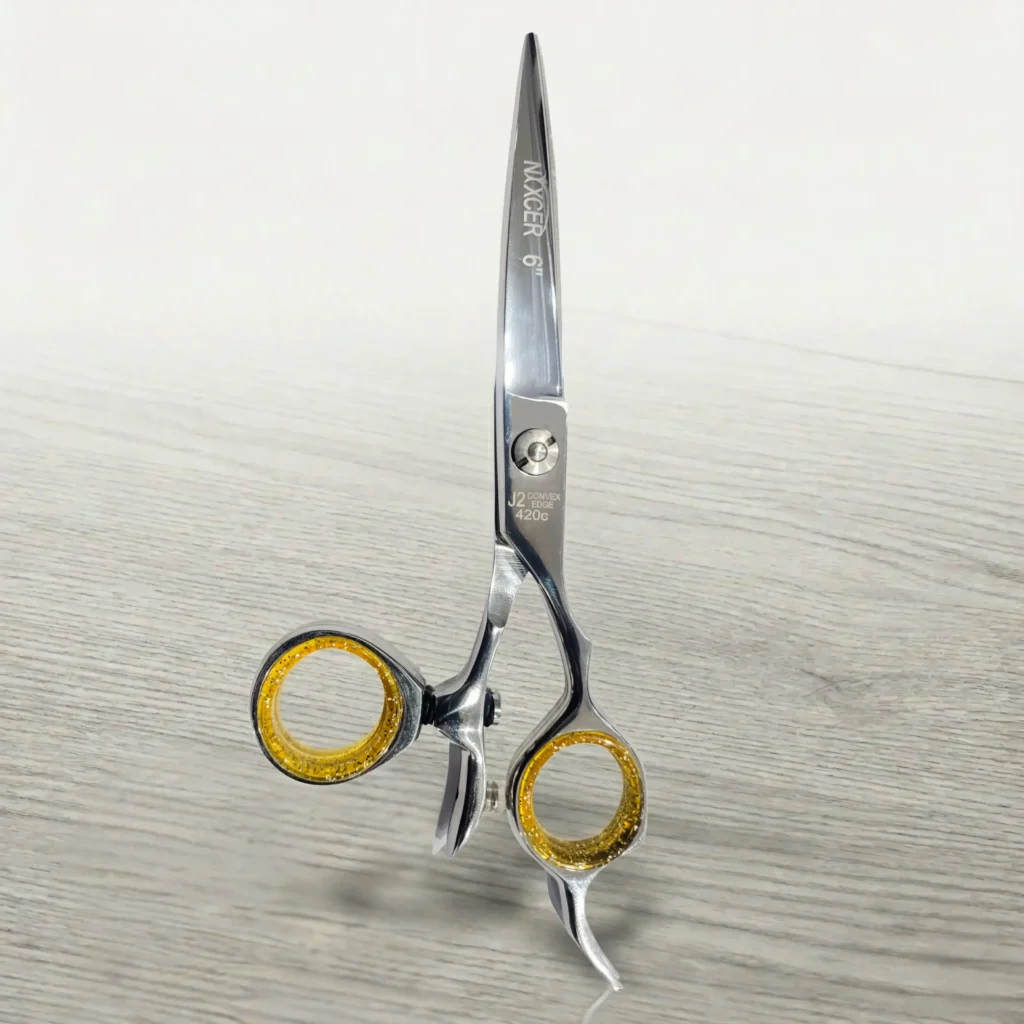
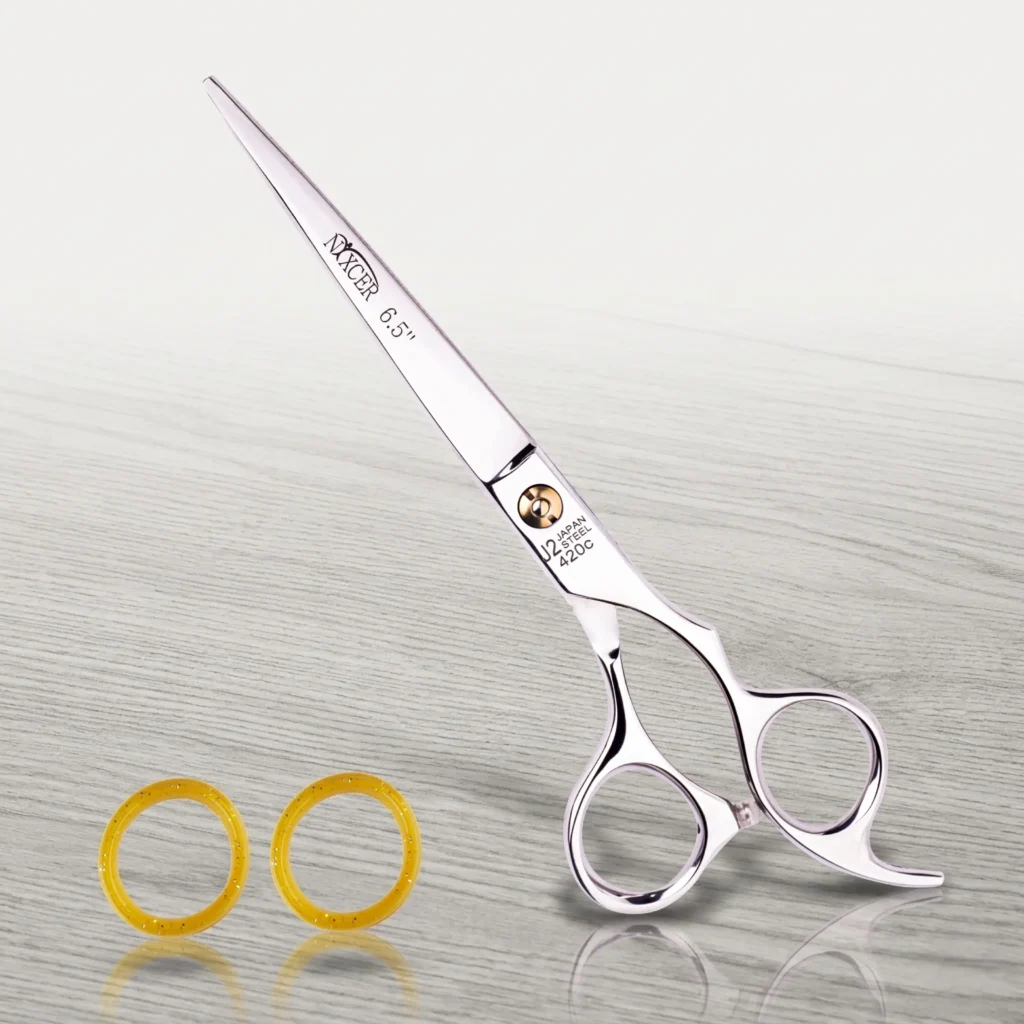
High-quality shears protect hair because every part of the tool is built around a clean cutting motion. The blade, steel, tension screw, handle, and finger rest all influence the result.
Blade quality
A sharp, smooth blade cuts cleanly and reduces pulling. A good cutting scissor should close smoothly from heel to tip without catching.
Steel and edge life
Better steel keeps the edge sharper for longer. This does not mean every expensive shear is perfect, but investing in quality usually gives better edge retention and smoother performance.
Handle comfort
A comfortable handle helps the hand stay steady. Better control means a cleaner cut and less chance of making uneven corrections.
Professional-grade design
Proper hairdressing scissors are meant for hair, shaped for control, and made for regular maintenance. Shears are designed to support both the health of the hair and the comfort of the cutter.
Maintenance: How to Keep Scissors Healthy So Hair Stays Healthy
Even the best hair shears need regular maintenance. Cleaning, oiling, correct storage, and shear sharpening all help protect the cutting edge.
After each haircut, wipe the scissor clean, remove hair and product residue, and add a tiny drop of oil near the pivot. Open and close the shear gently so the oil spreads through the joint.
Sharpening schedule
How often you sharpen depends on use. A busy salon professional may need sharpening several times a year, while a home user may need it much less often. The right timing is when the shear stops giving a smooth cut.
Storage rules
Store sharp scissors in a case. Do not drop them, toss them in a drawer, or let the blades hit other metal tools. Damage to the edge can make the scissor pull hair.
Maintenance checklist
Clean, oil, dry, store, and service. That small routine protects hair health and helps the shear last longer.
How to Choose Scissors That Protect Hair Health
The best type of scissors depends on skill level, cutting style, hair textures, and how often you cut. A beginner may need a comfortable basic shear, while a salon professional may need multiple professional shears for different techniques.
Choose by intended use
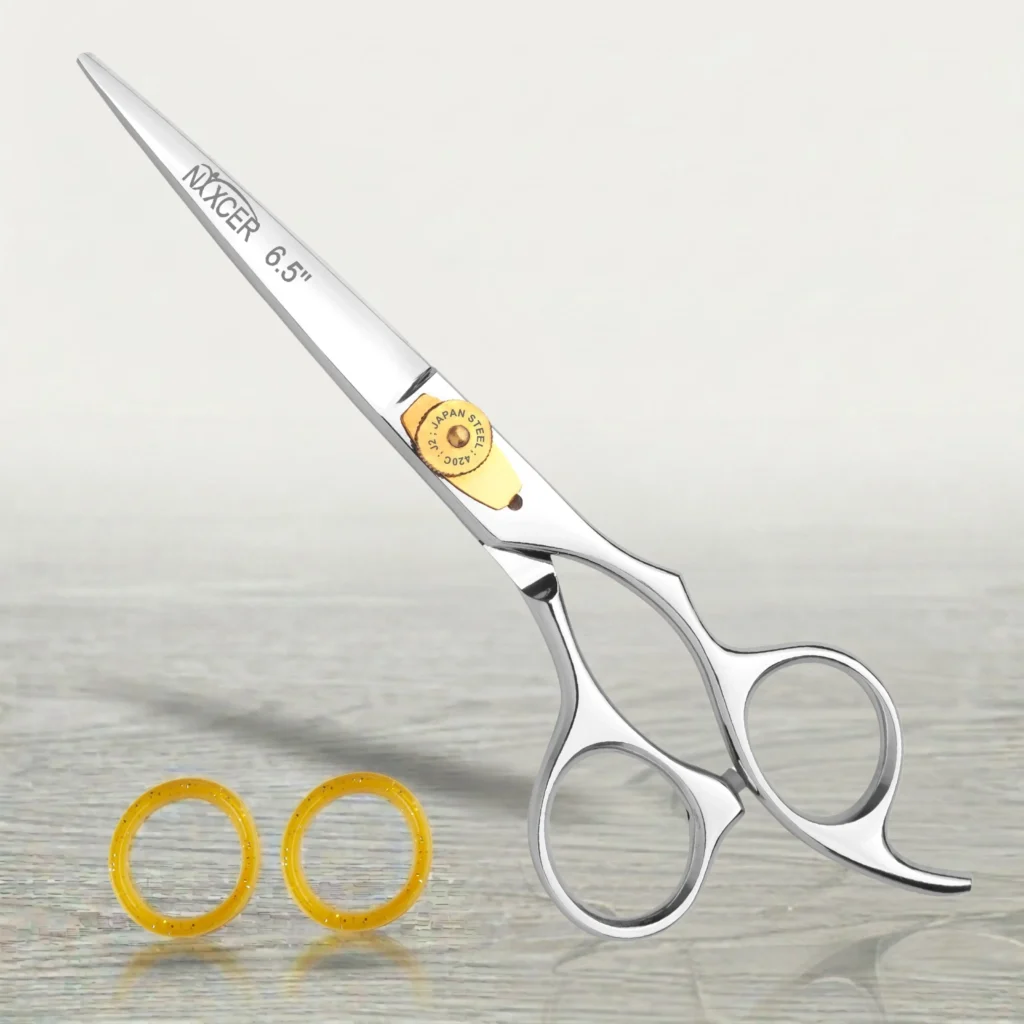
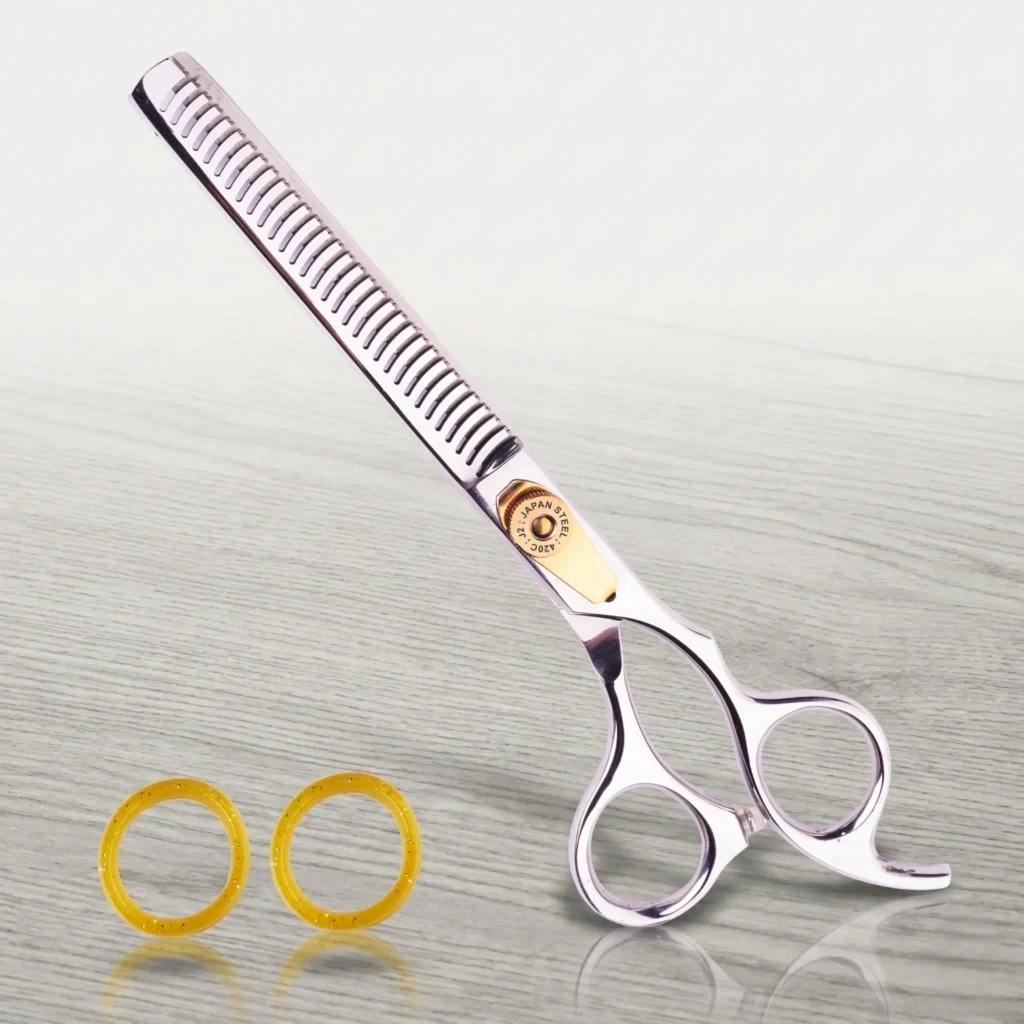
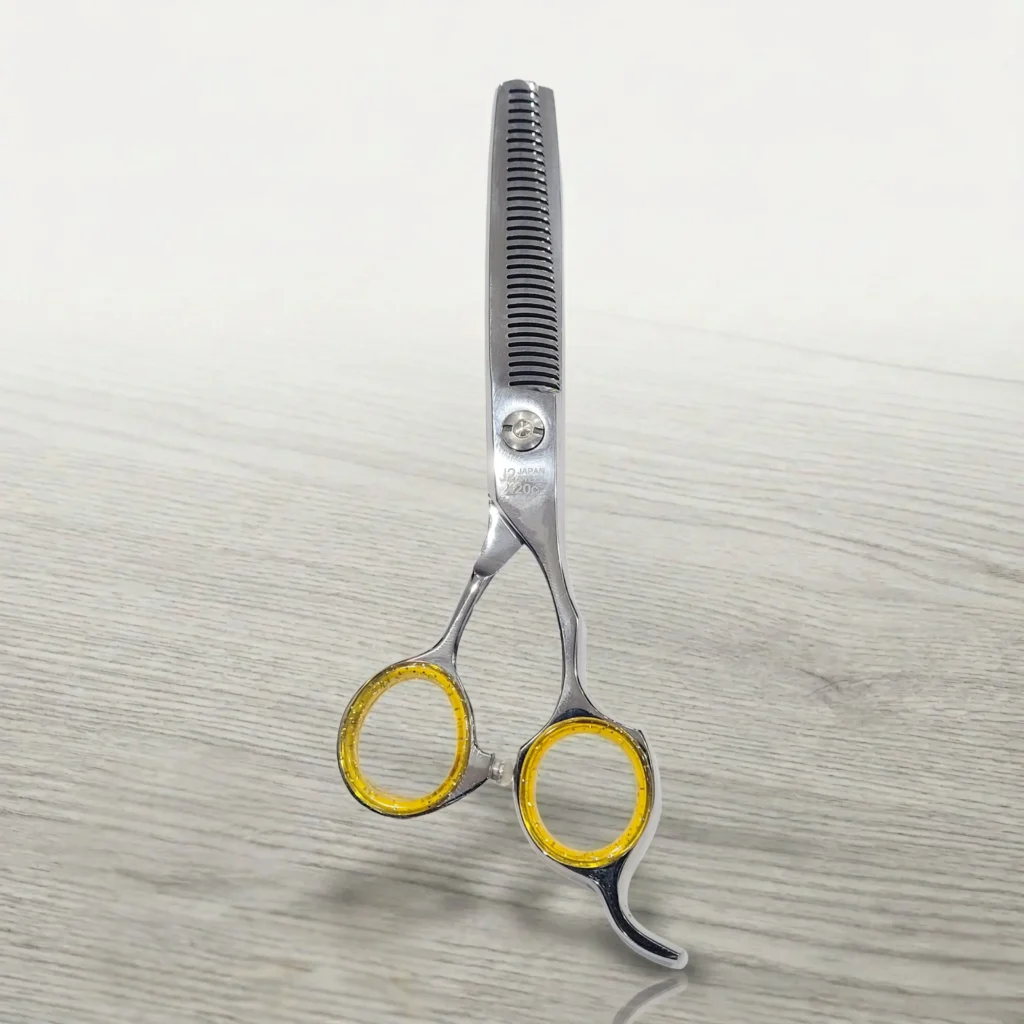
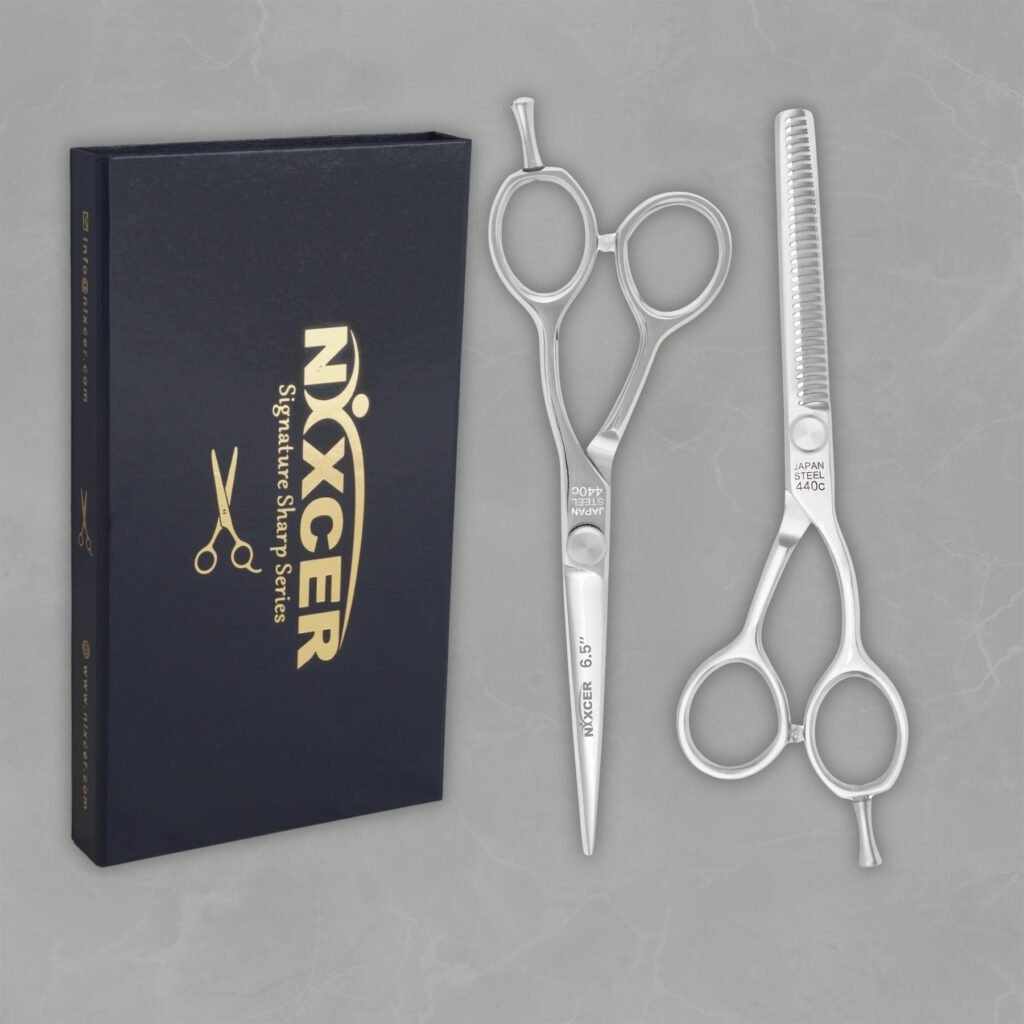
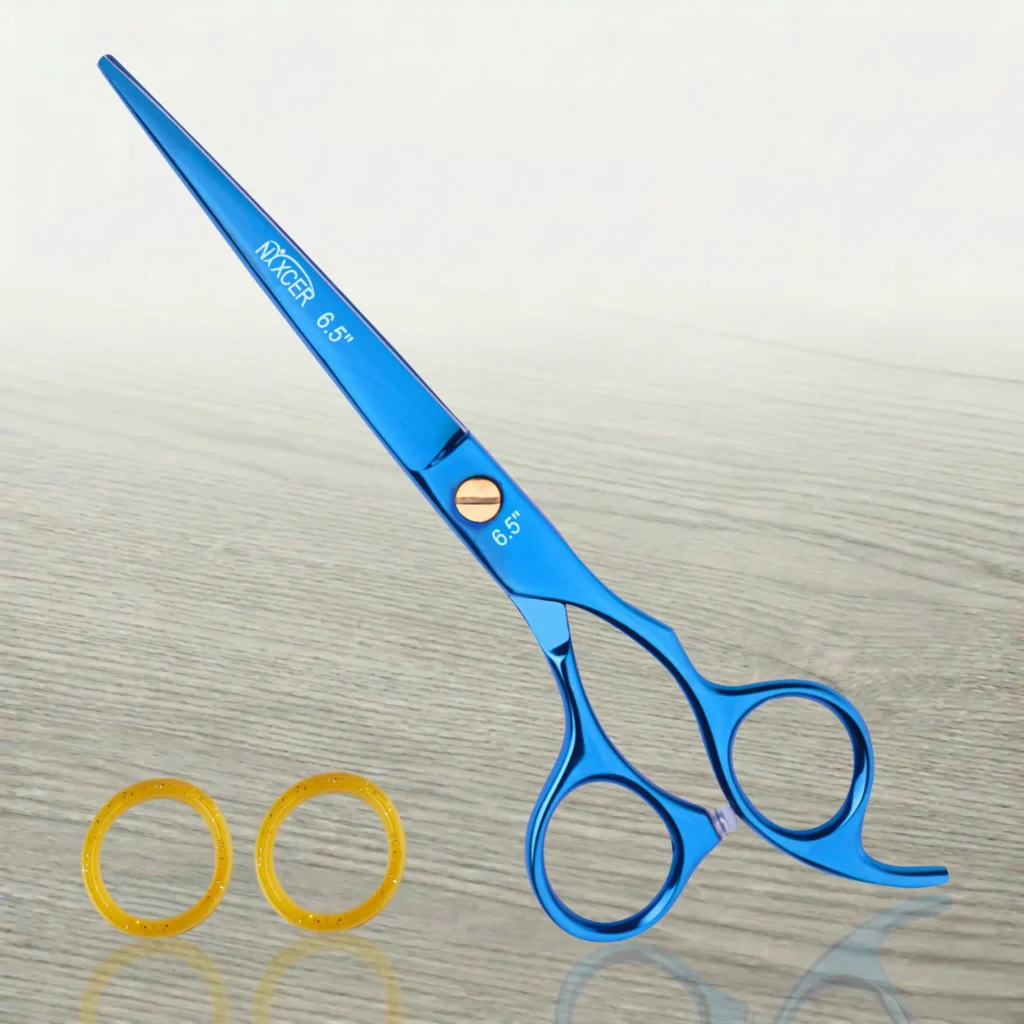
Use straight hair cutting scissors for standard trims and blunt lines. Use thinner or texturizing tools only when the haircut needs weight removal or texture. Use a cutting scissor that matches the job instead of forcing one tool to do everything.
Choose by hair type
Fine hair needs a very clean edge. Thick hair needs stronger sharp shears. Dry hair needs careful cutting because rough edges are easier to see. Curly hair needs control so the shape stays balanced.
Choose by comfort
Pick scissors that feel balanced in your hand. If the tool feels stiff, heavy, or awkward, it can affect precision and create uneven cuts. Better comfort can improve cutting control because your hand stays steady.
Nixceroutlet recommendation
Start with a high-quality straight shear, then add specialty tools as your cutting techniques grow. Nixceroutlet readers should choose shears based on hair health, not just price.
Frequently Asked Questions
Can regular scissors damage hair?
Yes. Regular scissors can damage hair because they are not designed for hair. They may crush, bend, or tear the strand instead of making a clean cut.
Do sharp scissors prevent split ends?
Sharp scissors help reduce split ends by creating a cleaner cut. They cannot prevent all damage, but they reduce rough cutting stress.
How often should I trim my hair for health?
It depends on your hair type, style, and damage level. Many people trim every 6 to 12 weeks, but fragile or heavily styled hair may need more frequent care.
Are professional shears worth it for hair at home?
Yes, if you trim your hair at home. You do not need the most expensive shear, but you should use scissors designed for hair.
What is the best way to maintain hair cutting scissors?
Clean them after use, oil the pivot, store them safely, avoid non-hair materials, and get professional shear sharpening when they stop cutting cleanly.
Final Thoughts
The quality of the scissor affects the quality of the cut, and the quality of the cut affects the health of the hair. Sharp, professional hair cutting scissors help create cleaner ends, better shape, and less stress on the hair shaft.
For Nixceroutlet customers, the safest path is simple: use proper shears, maintain them well, and never treat hair cutting tools like household tools. Better scissor quality means better hair health, better control, and a more polished haircut.