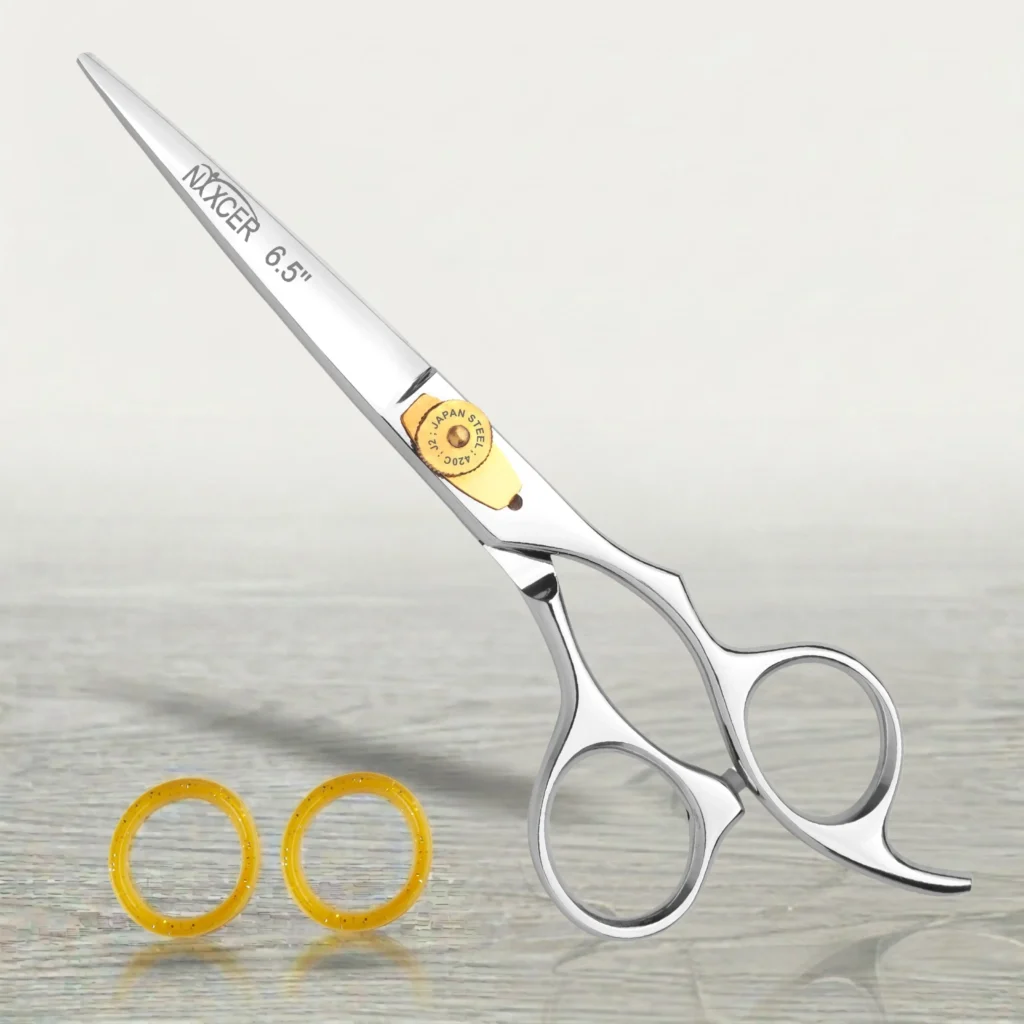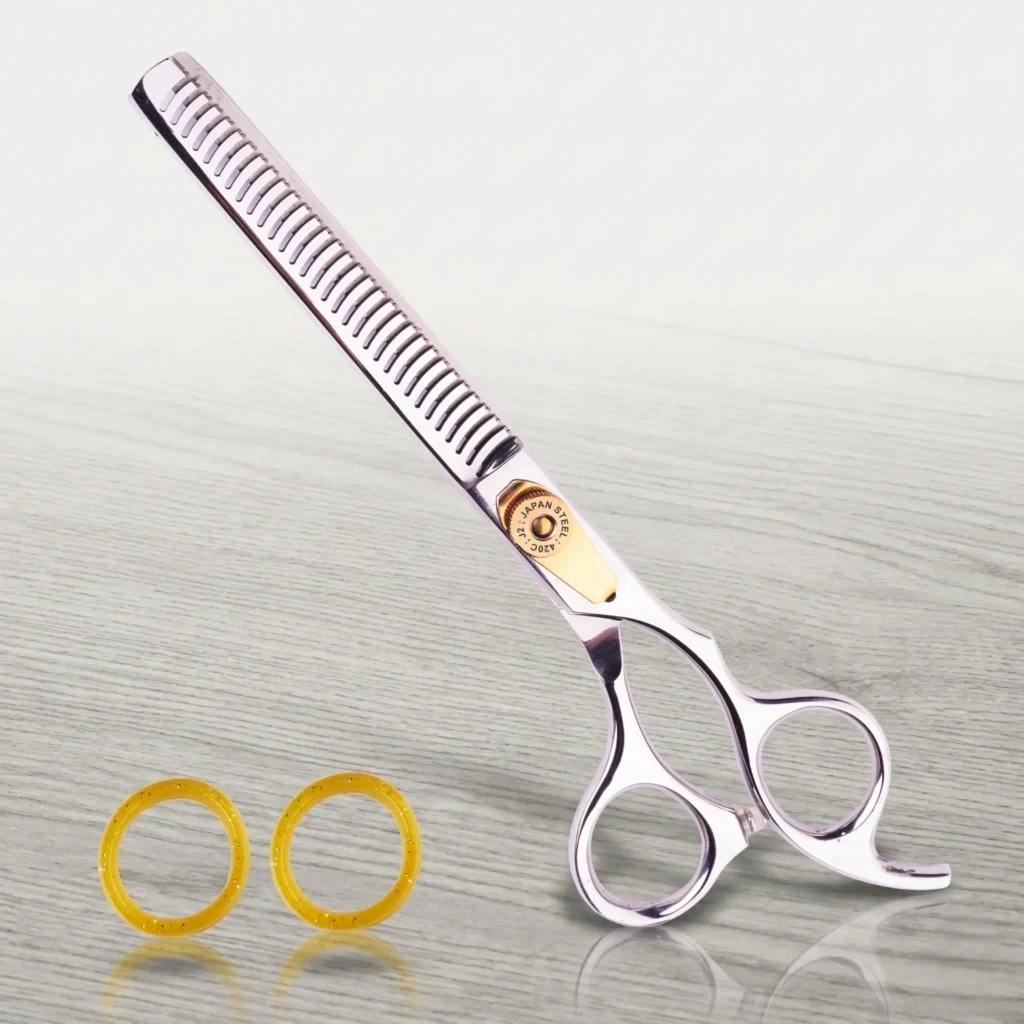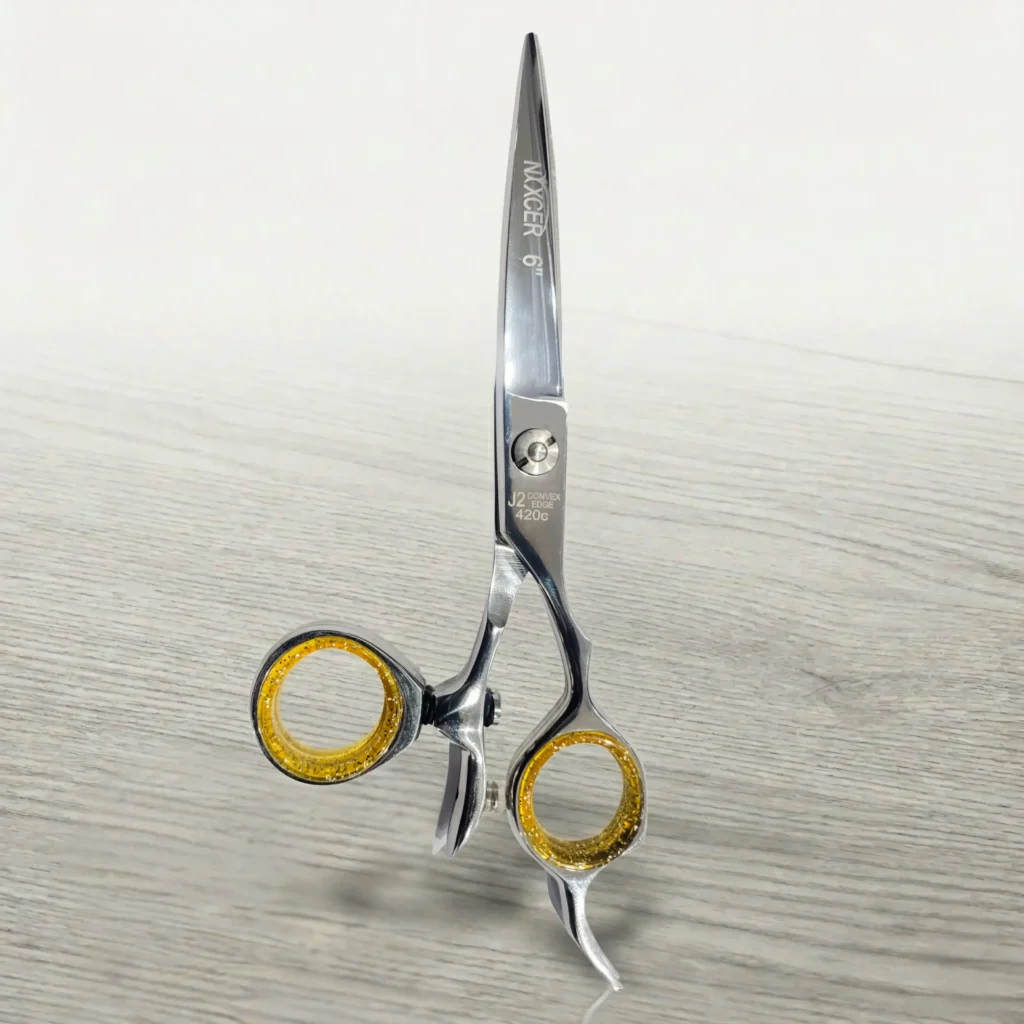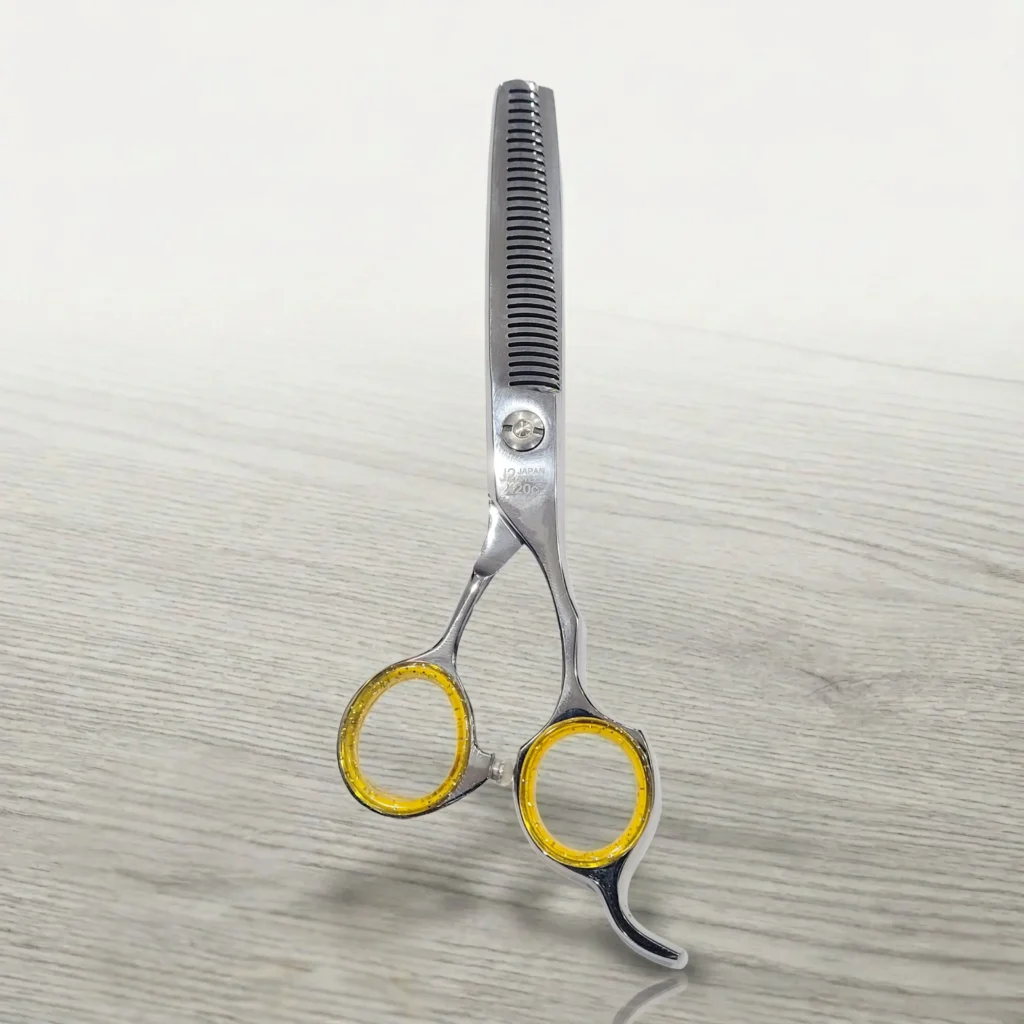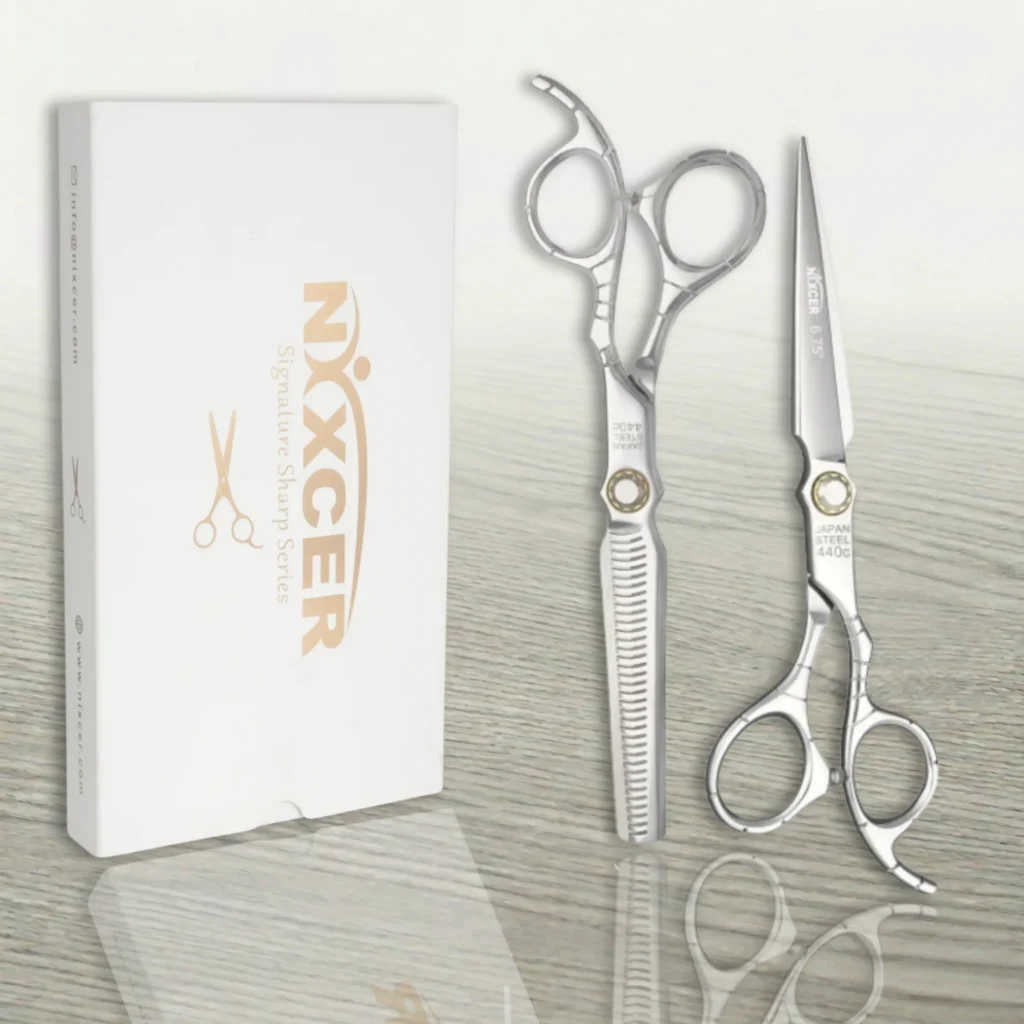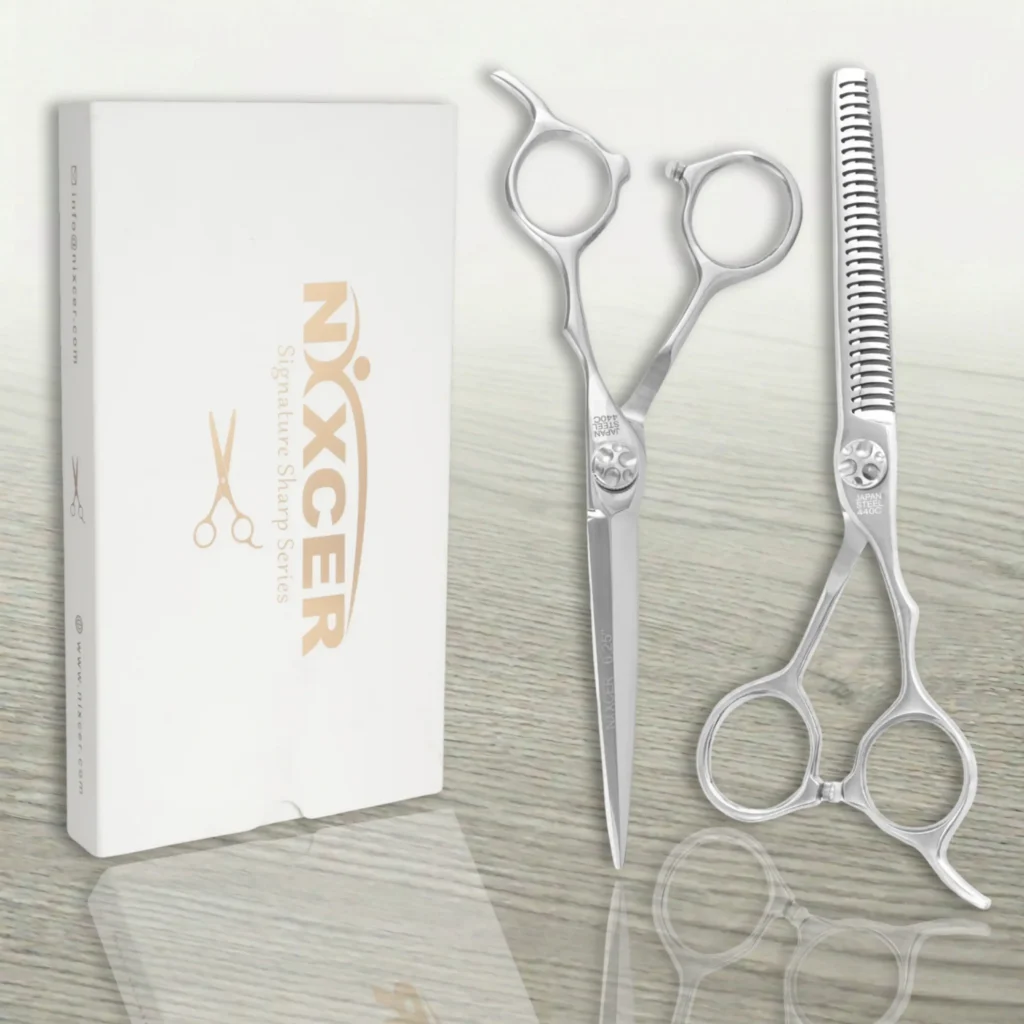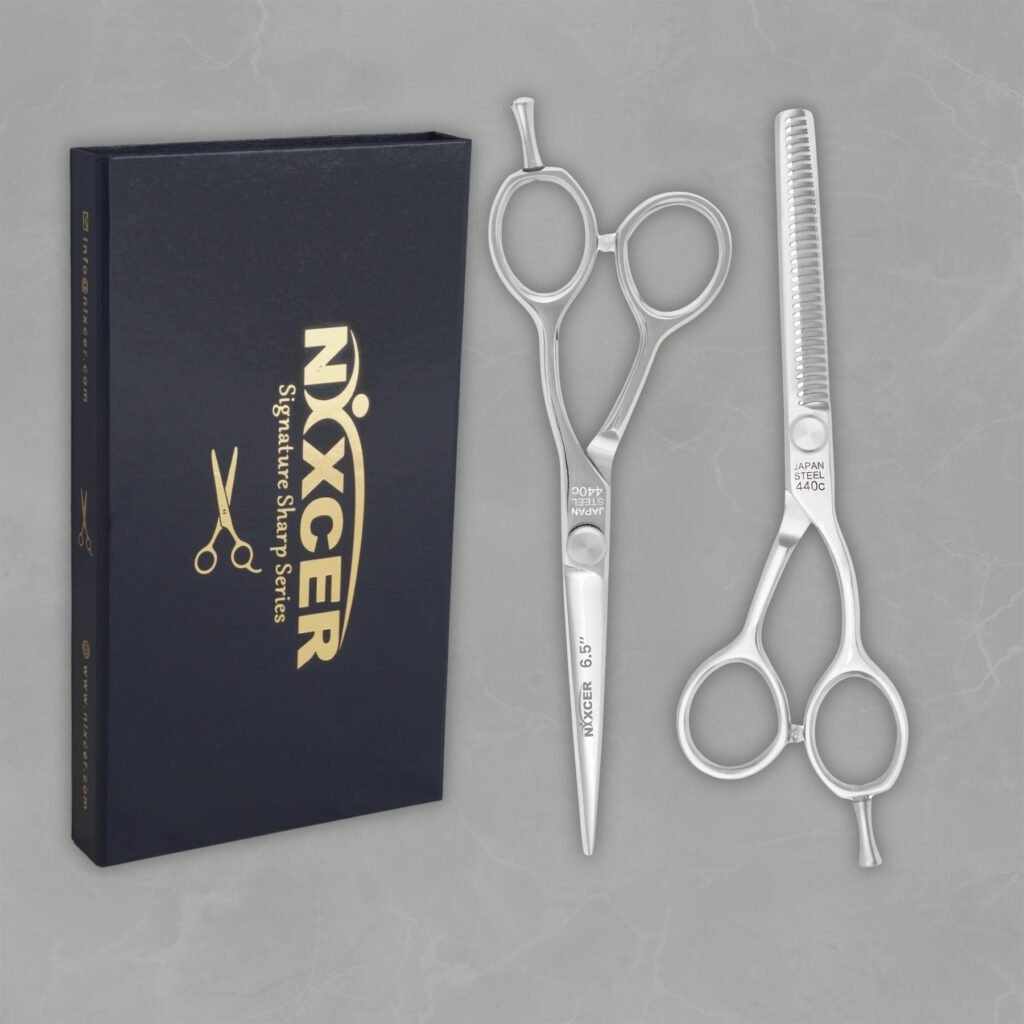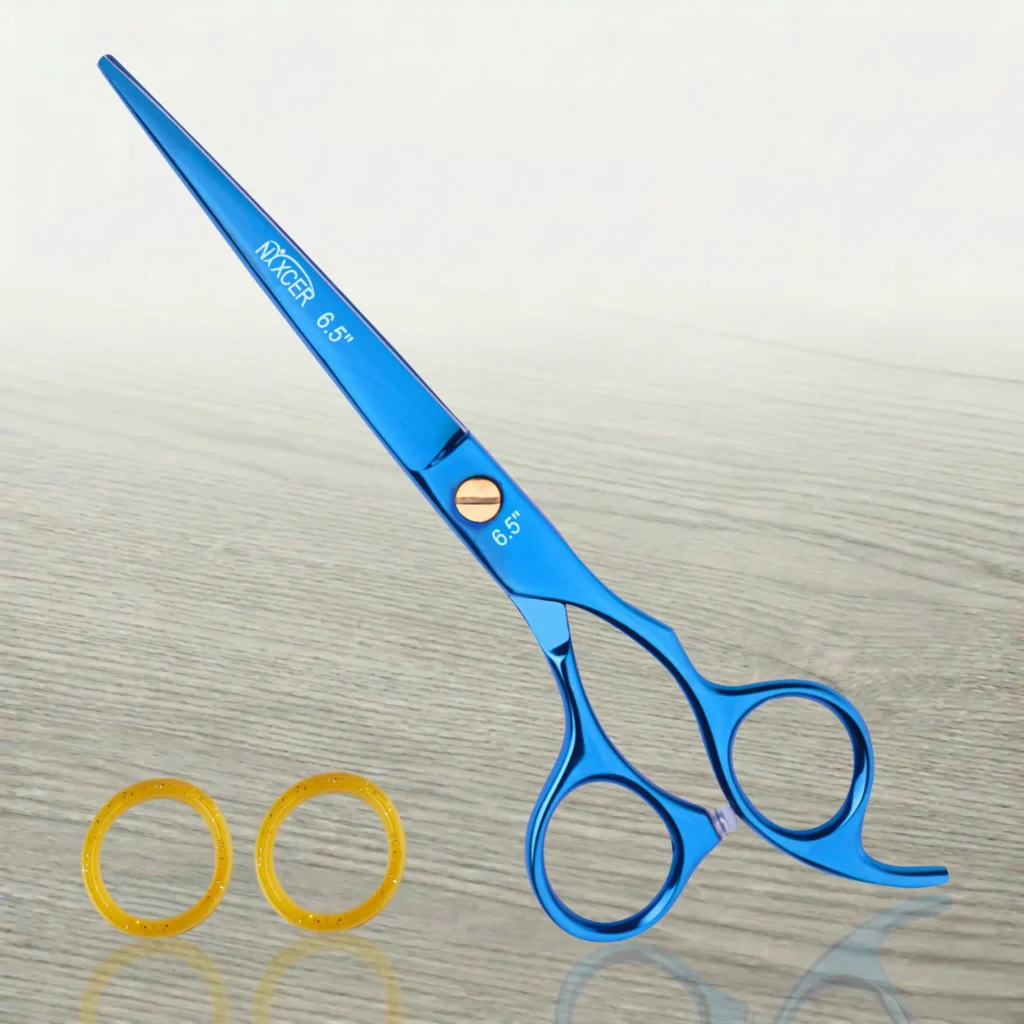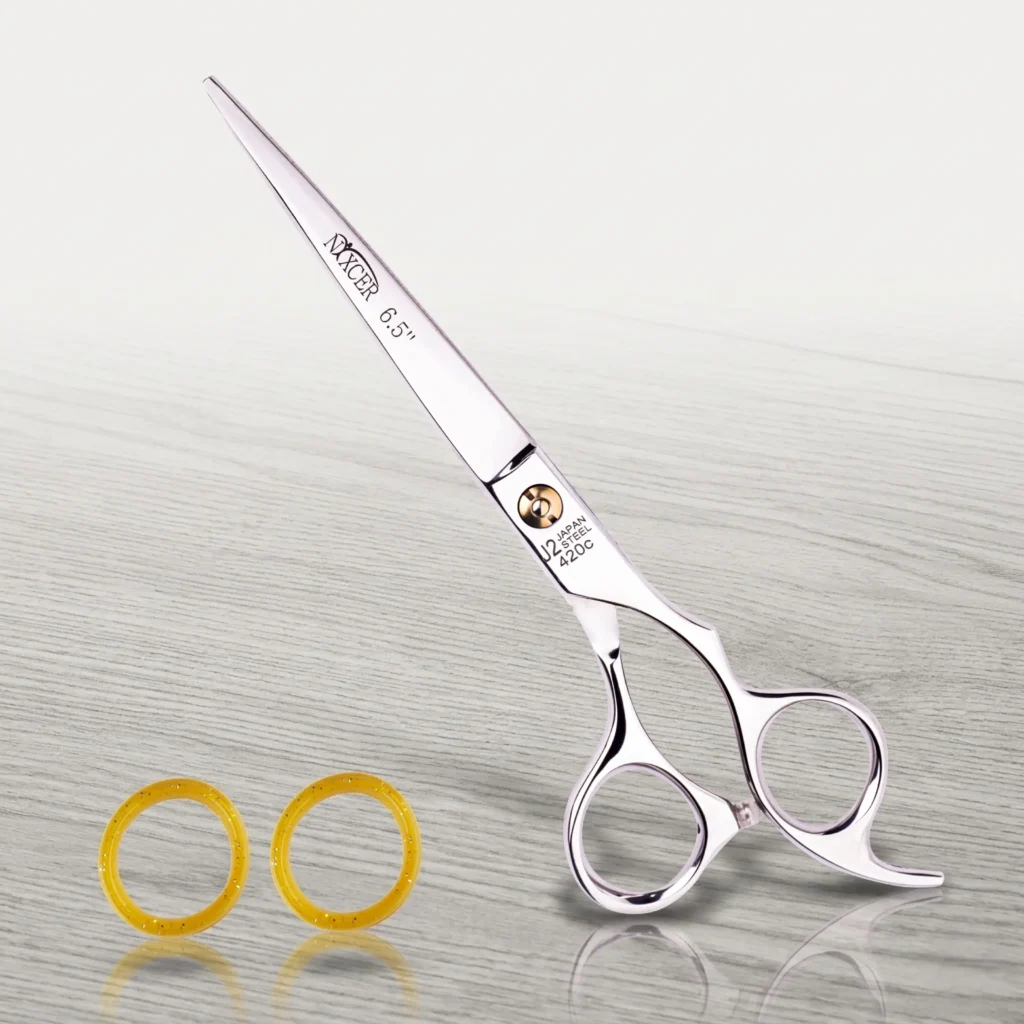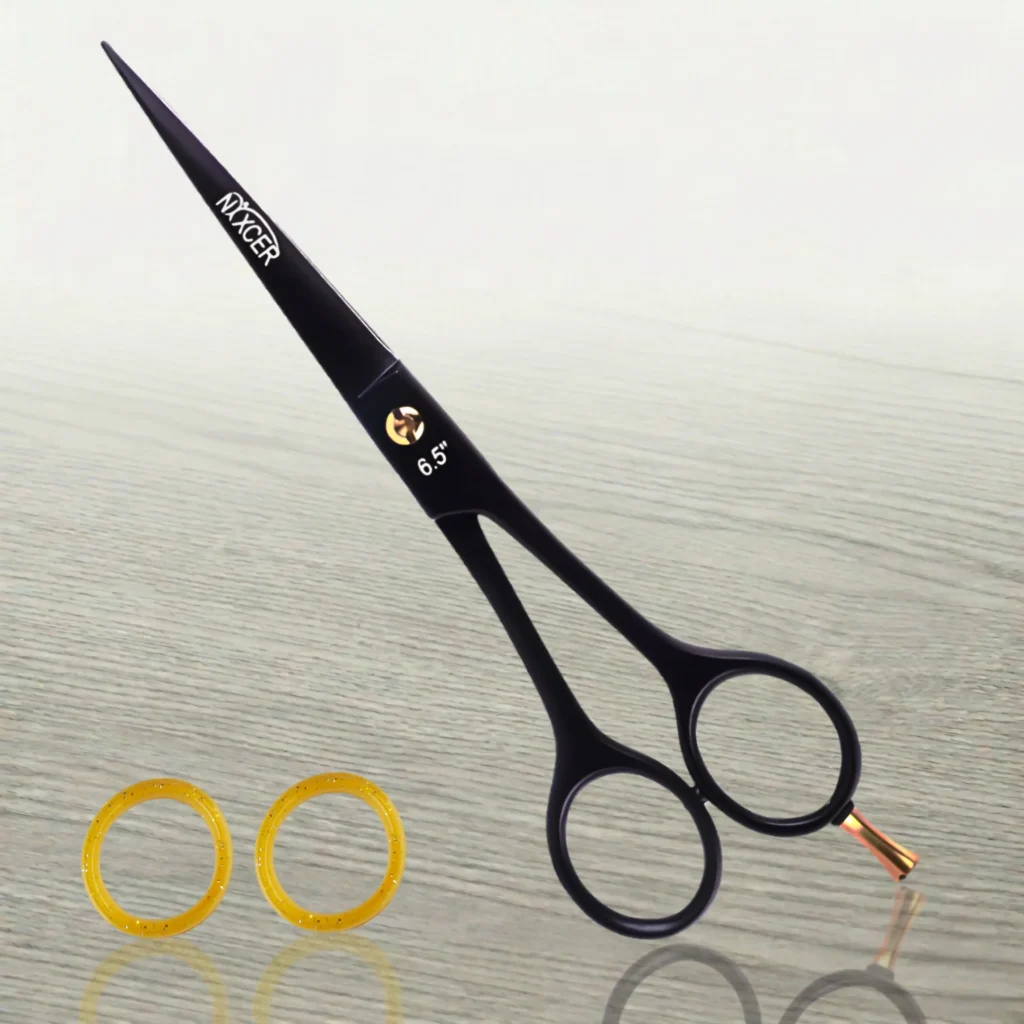
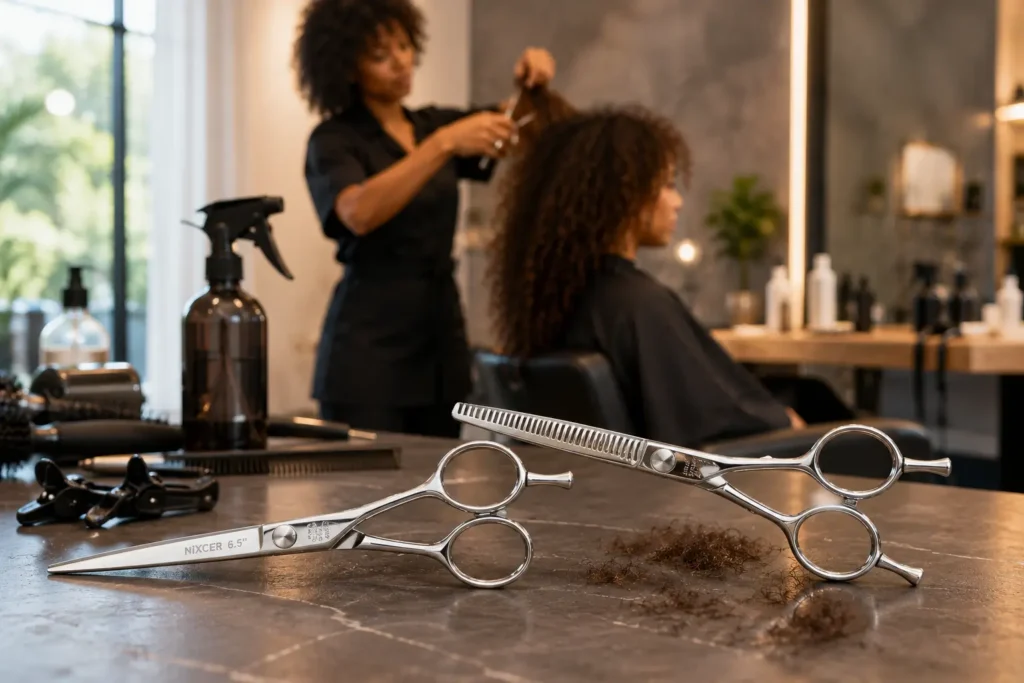
Textured hair needs control, sharpness, and the right scissor for the job. A stylist may need to cut, blend, trim, thin, or add movement without snagging delicate strands. At Nixceroutlet, the goal is to help salon professionals, barbers, hairdresser teams, and people cutting hair at home choose hair shears, hair cutting shears, and hair cutting scissors that support precise cuts and healthy-looking style.
The best hair cutting scissors for textured hair usually include a sharp main shear, texturizing shears, and thinning shears when bulk needs to be reduced. Look for stainless steel, Japanese stainless steel, ergonomic handle design, a smooth screw, offset grip, convex blade geometry, and a sharp edge that glides through dry hair without pulling.
Why Textured Hair Needs the Right Scissors
Textured hair can be curly, wavy, coily, thick, delicate, coarse, or a mix of several patterns. That means the blade must cut cleanly and the shear must give the stylist enough precision to avoid frizz, split ends, and uneven shape.
Texture shows mistakes quickly
When scissors are dull, textured hair can look rough after the cut. A sharp scissor gives cleaner ends and helps protect the final haircut.
Bulk needs controlled removal
Bulk is not always bad. The goal is to remove weight only where the style needs movement, not thin the entire shape.
Hair care still matters
Hair care supports the cut. Shampoo, conditioner, and serum can affect how dry hair sits, so judge the haircut after the hair is clean, conditioned, and styled naturally.
Texture rule
Use the right tool, then cut less than you think. You can always refine more.
Best Hair Cutting Scissors for Textured Hair: What to Look For
The best hair tool is not always the most expensive one. It is the pair that matches your technique, hand, hair type, and preference.
Sharp blade and clean edge
A sharp blade and sharp edge help the scissor cut through hair without folding the strand. This is important for dry cutting, trimming, and precision work.
Stainless steel construction
Stainless steel hair cutting scissors are popular because they can be durable and easier to maintain. Japanese stainless steel and japanese steel options are often chosen by professional stylists for durability and edge retention.
Ergonomic handle and offset grip
An ergonomic handle, offset handle, or offset grip can reduce hand strain during long salon work. The handle should fit the hand without forcing the wrist into an awkward angle.
Buying rule
Choose sharpness, balance, and comfort before color or accessory extras.
Texturizing Shears vs Thinning Shears
Texturizing shears and thinning shears look similar, but they are not the same tool. Both can remove hair, but they affect texture differently.
What thinning shears do
Thinning scissors remove weight in a softer, more even way. They are useful when thick hair needs less bulk without changing the outer shape too much.
What texturizing shears do
Texturizing shears create separation, movement, and style. They are often used inside the shape to add texture or break up heavy areas.
Why tooth spacing matters
Fine teeth remove less hair, while wider teeth remove more. For textured hair, use fewer passes and check the result often so the hair does not become thinner than planned.
Tool rule
Thinning controls weight. Texturizing creates movement. A pro should know when each one belongs in the haircut.
Top Scissor Features for Textured Hair
Good hair cutting shears should feel stable, smooth, and controlled. These features matter whether you work in a salon or cut hair at home.
Convex edge
A convex blade can glide through textured hair with less resistance. It is useful for slide work, dry cutting, and soft finishes.
Adjustable screw
An adjustable screw helps tune the blade tension. If the screw is too tight, the hand works harder. If it is too loose, the blade may fold the hair.
Ambidextrous or right-handed fit
Some scissors are ambidextrous, while others are right-handed. Choose the handle and grip that match your hand so the shear stays controlled.
Control rule
A smooth scissor should open, close, and cut without snagging.
Best Scissor Types for Different Texture Goals
Different texture goals need different tools. A set of scissors can include cutting shears, thinning shears, texturizing shears, and accessory tools.
For clean trimming
Use a main cutting shear for clean trim work. It should have a sharp edge, durable blade, and comfortable grip.
For blending
Use texturizing shears to blend heavy areas, soften transitions, and add shape. A comb can help control the section while blending.
For reducing bulk
Use thinning shears carefully when hair feels heavy. Work inside the shape and avoid removing too much from the ends.
Technique rule
The best texture comes from placement, not random cutting.
Dry Cutting Textured Hair
Dry cutting is popular for textured hair because it shows how the hair naturally sits. Wet hair can hide shrinkage, movement, and bulk.
Why dry hair helps
Dry hair lets the stylist see the final shape during the cut. It also makes it easier to judge where texturizing is needed.
When wet cutting still works
Wet cutting can help with clean sectioning and structure. Many stylists combine wet and dry checks for a more balanced result.
How to trim hair at home
If you trim hair at home, use real hair cutting scissors, not kitchen scissors. Clip away small sections, use a cape or cloth to keep hair controlled, and remove less than you think.
Home rule
Hair at home trims should be small. Big reshaping belongs with a stylist or barber.
Scissor Kits and Accessories for Textured Hair
A good kit can help beginners stay organized. A 10-piece kit may include scissors, comb, clip, cape, cloth, and other accessory items, but the shear quality still matters most.
What belongs in a basic kit
A practical kit includes one main cutting scissor, one thinning shear, a comb, sectioning clip, cape, cleaning cloth, and a safe coat or case for storage. If you specialize in textured haircutting, keep the kit simple but high quality.
What to avoid
A large kit is not useful if the blade is dull or the handle feels awkward. Do not choose a kit only because it has more pieces.
Accessory care
Keep accessories clean. A dirty comb, clip, or cloth can make a careful haircut feel messy.
Kit rule
Buy quality scissors first, then accessories.
Popular Product and Brand Terms Buyers Search
Searchers often compare brand, price, steel, size, and included accessories before buying. Some also look for terms like Jaguar, Tweezerman, Equinox International, ULG hair, and Coolala stainless steel hair cutting scissors.
Edge series searches
Many buyers search for edge series hair cutting scissors, professional razor edge series hair, and razor edge series hair cutting because they want sharp, salon-style cutting tools.
Size and model searches
Search terms like scissors 6.5, stainless steel hair cutting scissors, and japanese stainless steel often show that buyers want a durable tool with enough blade length for smooth cutting.
Value and pro searches
Terms like pro, high quality, durable, sharper, and professional hair shears show that readers want tools that last and perform beyond one haircut.
Search note
Brand names help compare options, but the right shear still depends on fit, blade, grip, and cutting techniques.
Nixceroutlet Product Links for Textured Hair
Nixceroutlet offers hair cutting scissors, hair shears, professional hair shears, and hair cutting shears for textured hair needs. You can compare current options on the Nixcer Outlet shop.
For clean cutting and trimming
The Professional Sharp Series Razor Edge Hair Cutting Scissors can support clean cutting hair work, precise cuts, and smooth trimming when used correctly.
For thinning and blending
The Nixcer Professional Series Hair Thinning Scissors can help reduce bulk and blend texture without over-cutting when used carefully.
Internal linking note
Keep links focused so readers can choose tools without too many distractions.
How to Maintain Scissors for Textured Hair
Maintenance affects every cut. A dull or dirty blade can pull, snag, or create split ends.
Clean after use
Wipe the scissor after each haircut. Remove hair, moisture, and product from the blade and screw area.
Oil and adjust
Oil the pivot and check the adjustable screw. Smooth movement protects the hand and improves precision.
Sharpen professionally
Sharpen shears before they become dull. A professional sharpening service can protect the convex edge and stainless steel finish.
Care rule
A cared-for shear performs better than an expensive tool that is ignored.
Common Mistakes to Avoid
Textured hair responds quickly to tool mistakes. Avoid these problems before they show up in the final style.
Over-thinning
Removing too much bulk can make textured hair collapse or frizz. Use thinning shears lightly and check the shape often.
Using blunt or dull tools
A blunt or dull blade can create rough edges and split ends. Sharp scissors are essential for delicate texture work.
Ignoring product buildup
Heavy shampoo residue, conditioner buildup, or serum can change how textured hair sits. Clean hair makes the cut easier to judge.
Mistake rule
If the hair starts snagging, stop and check the blade, tension, and section size.
Frequently Asked Questions
What are the best hair cutting scissors for textured hair?
The best hair cutting scissors for textured hair are sharp, ergonomic, and matched to the job. A main cutting shear handles clean lines, while texturizing shears and thinning shears manage movement and bulk.
Should textured hair be cut dry?
Dry cutting is helpful because it shows the natural shape and movement. Wet cutting can still work for structure, but dry hair reveals texture more clearly.
Are thinning scissors good for textured hair?
Thinning scissors can be useful, but they must be used lightly. Too many passes can make textured hair look thin or frizzy.
What size scissors should I choose?
Many stylists like 5.5 to 6.5 inch scissors depending on the technique. Scissors 6.5 can help with longer sections, while shorter shears can give more detail control.
Can I cut textured hair at home?
Small trims can be done at home with real hair cutting scissors, clips, comb, and a cape. Major shape changes are safer with a trained stylist.
Final Thoughts
The best hair cutting scissors for textured hair should make the cut feel controlled, clean, and gentle. Choose a sharp scissor, smooth shear, ergonomic grip, durable stainless steel, and the right texturizing or thinning tool for the result you want.
Whether you are building a salon kit or learning to trim hair at home, focus on blade quality, comfort, and technique. Textured hair rewards patience, sharp tools, and careful placement.