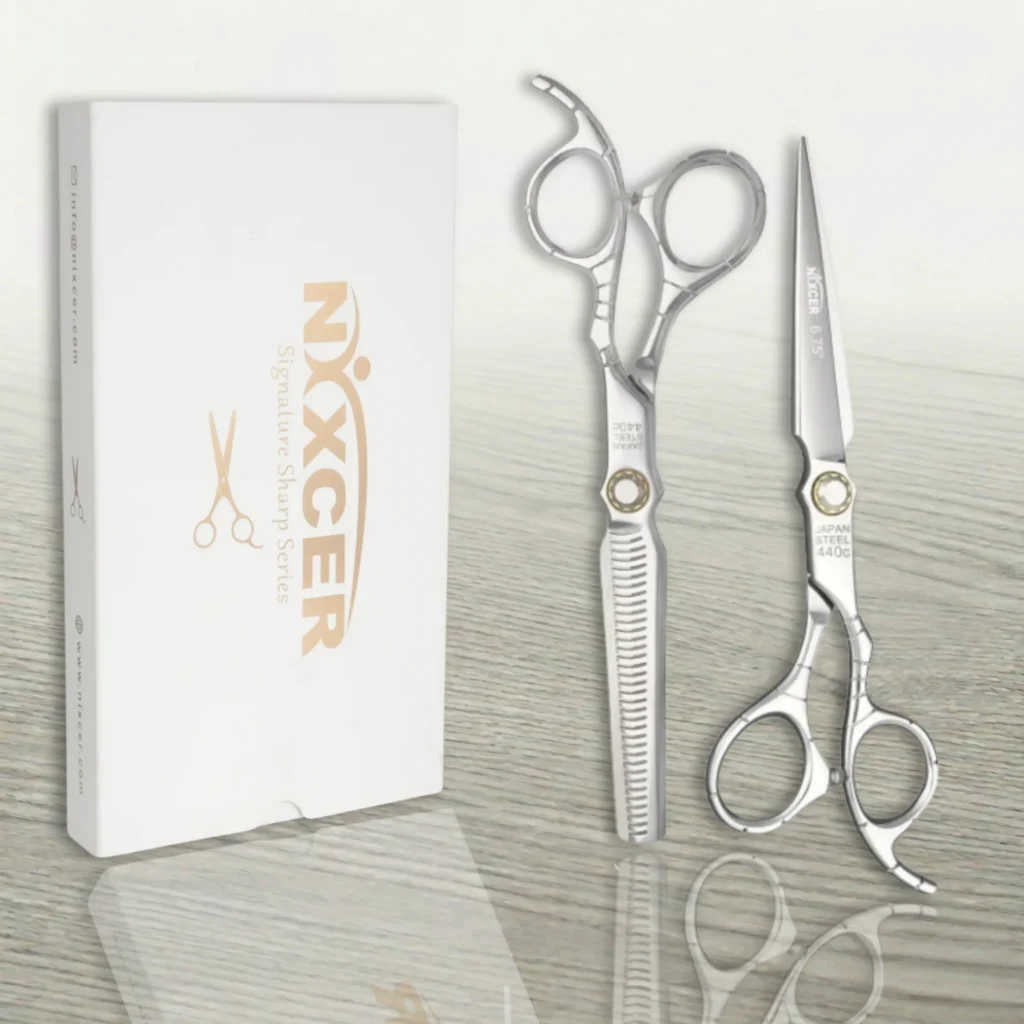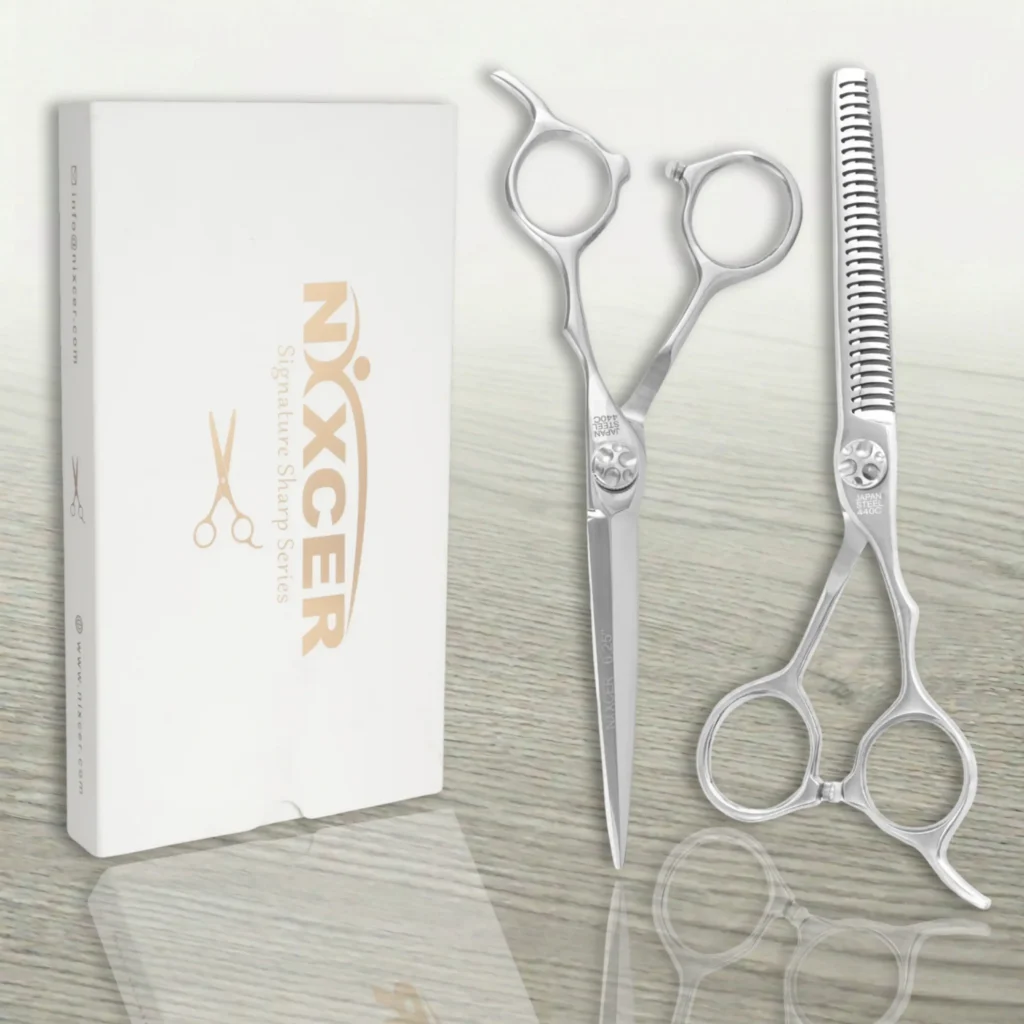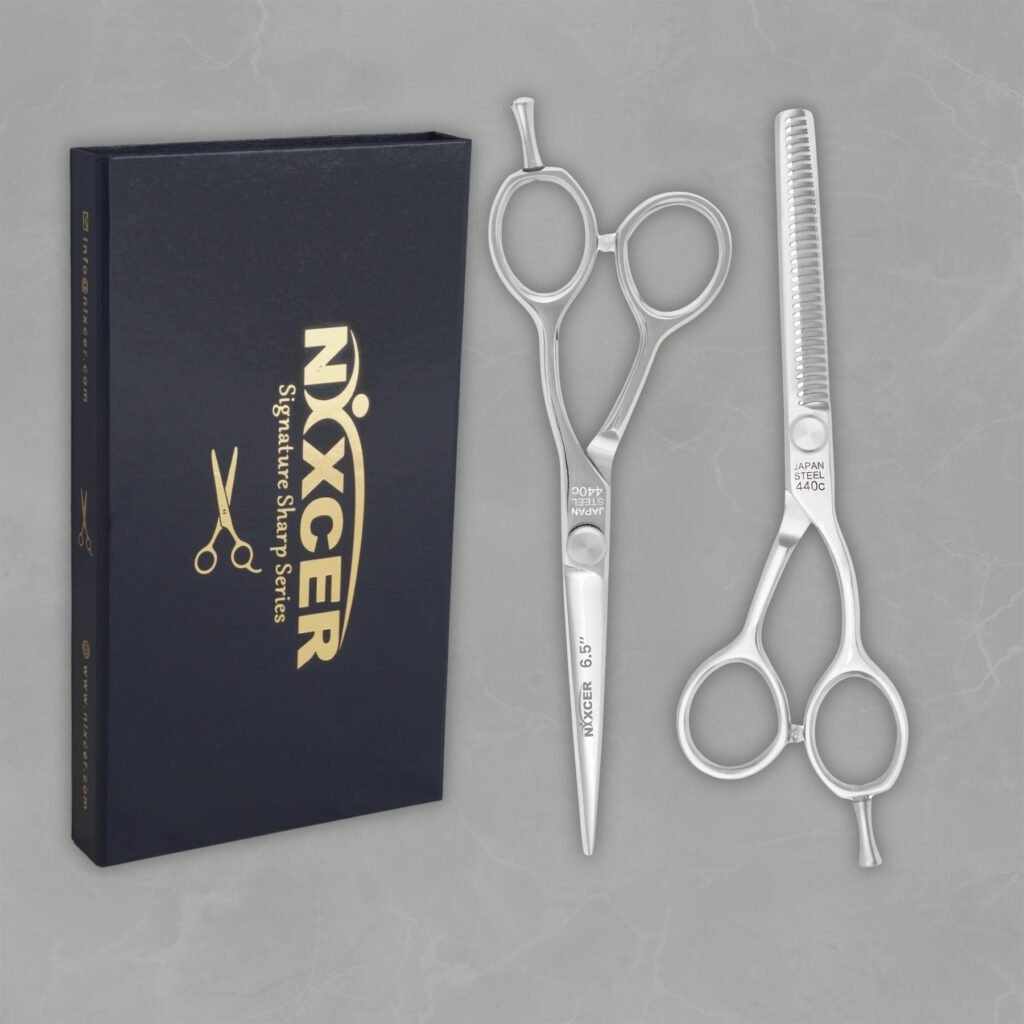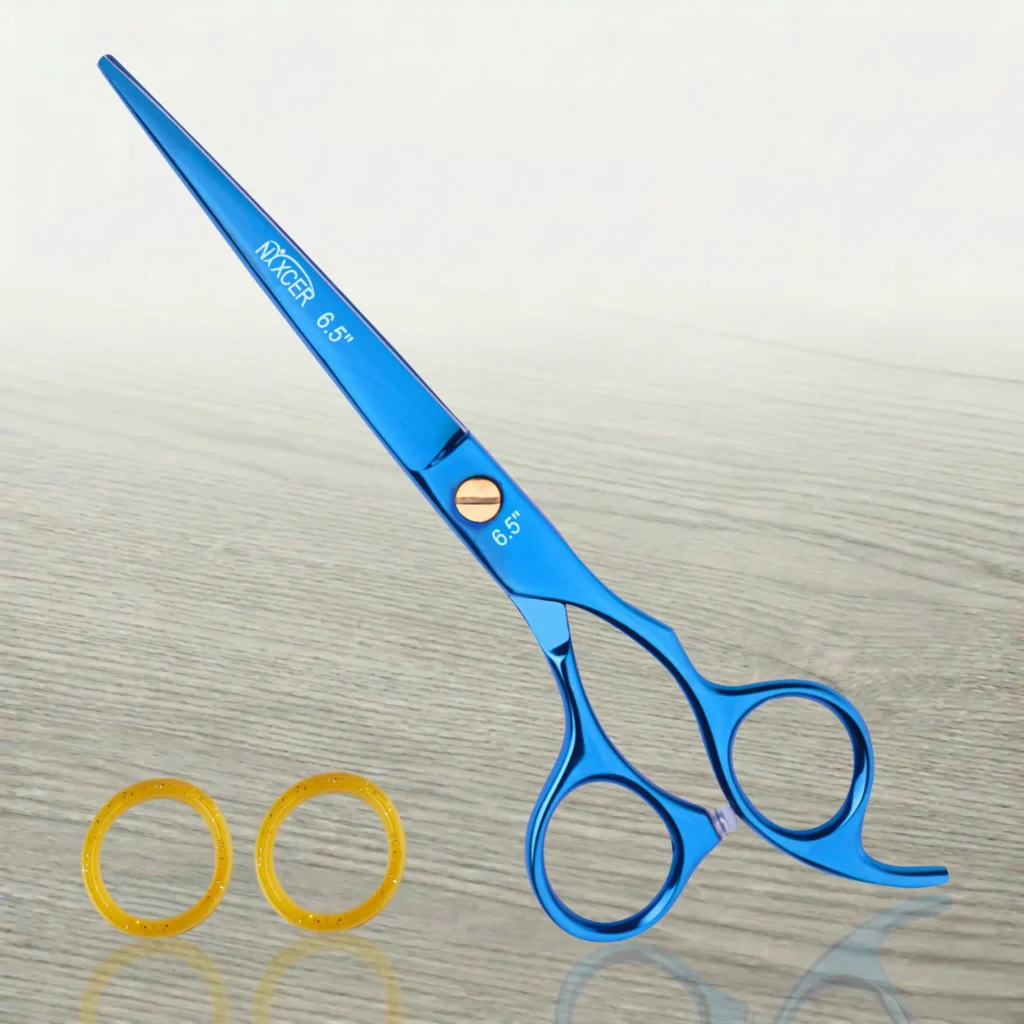
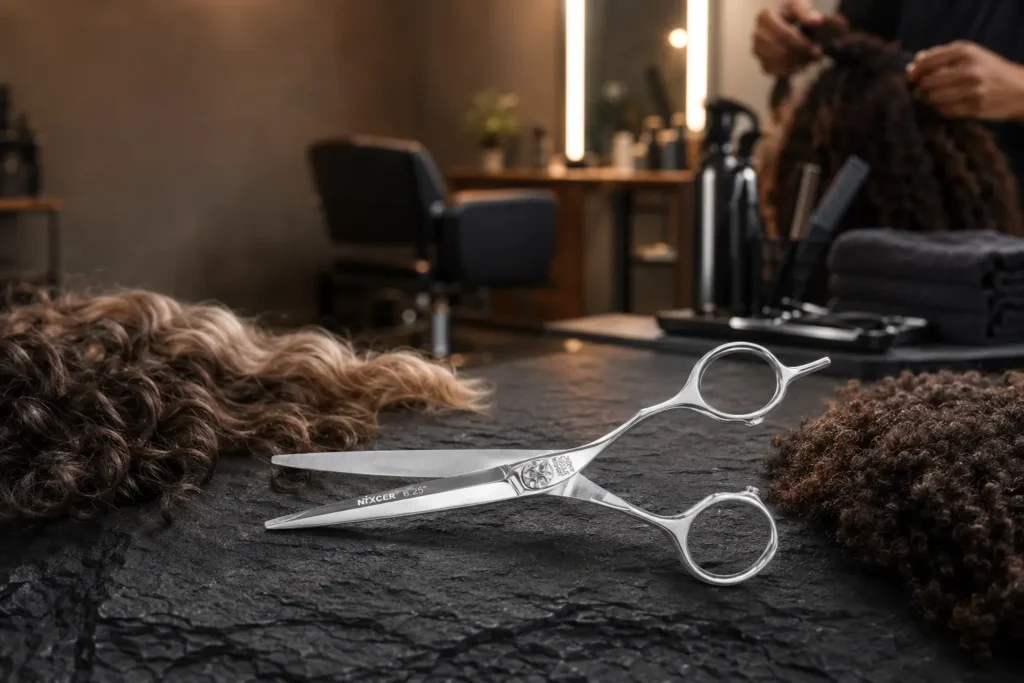
Textured hair and a pixie cut both demand control. A stylist needs a scissor, shear, hair cutting scissors, and hair scissors that can create precision, remove bulk, shape a bang, and cut hair around the ears without rough edges. At Nixceroutlet, the goal is to help barbers, hairdresser teams, and salon professionals choose the right tools for a clean haircut and a precise cut.
The best scissors for this job usually have sharp blades, strong steel quality, a comfortable ergonomic design, and a blade that supports point cutting, slide cutting, scissor over comb, dry cutting, and straight cutting. Pixie cuts demand small sections of hair, steady hands, and professional hair scissors that are used for precision work in daily use.
Why Textured Hair and Pixie Cuts Need Precision Scissors
Textured hair can show every mistake when the blade is dull or the cutting technique is rushed. A pixie cut is even less forgiving because the shape sits close to the head and the outline is visible.
Pixie cuts demand control
Pixie cuts demand exact sectioning, sharpness, and careful blending. The right pair of scissors allows the stylist’s cutting hand to stay relaxed while shaping the nape, fringe, and around the ears. In real salon work, the stylist’s cutting angle decides whether the texture looks soft or choppy.
Texture needs movement
Texture should look intentional, not choppy. Texturizing can soften heavy areas, but too much hair removal can make fine hair look thinner.
Precision cuts protect the shape
Precision cuts help the finished style grow out more cleanly. This matters for short hair because uneven areas become visible fast.
Core rule
For textured pixie work, use sharp tools, small sections, and a clear cutting style.
Best Hair Cutting Scissors for Textured Hair: Key Features
The best hair cutting tools for textured hair should balance sharpness, comfort, and control. Look for hair cutting shears that feel stable in the hand and cut through hair without snagging.
Sharp blades and edge retention
Sharp blades reduce pulling and help the scissor cut cleanly. Edge retention matters because long cutting sessions can expose weak steel quickly.
Convex edge and bevel options
A convex edge gives smooth cutting and is often preferred for slide cutting and detailed texture. A bevel blade can offer grip and control for blunt cuts or wet hair.
Japanese steel and 440C stainless steel
Japanese steel, japanese stainless steel, and 440c stainless steel are common in professional hair scissors because they can support sharpness and durability. Razor sharp or razor-sharp edges need correct sharpening to stay reliable.
Feature rule
The right blade should cut cleanly, feel controlled, and stay sharper with proper care.
Choosing Scissors for a Pixie Cut
A pixie cut needs a different setup than long layers or larger sections. Short hair requires detail control and smooth blending.
5.5 inch scissors for detail
5.5 inch shears are often useful for precision work, trimming, bang shaping, and around the ears. Shorter blades help the stylist make tiny corrections.
6.5 inch shears for broader work
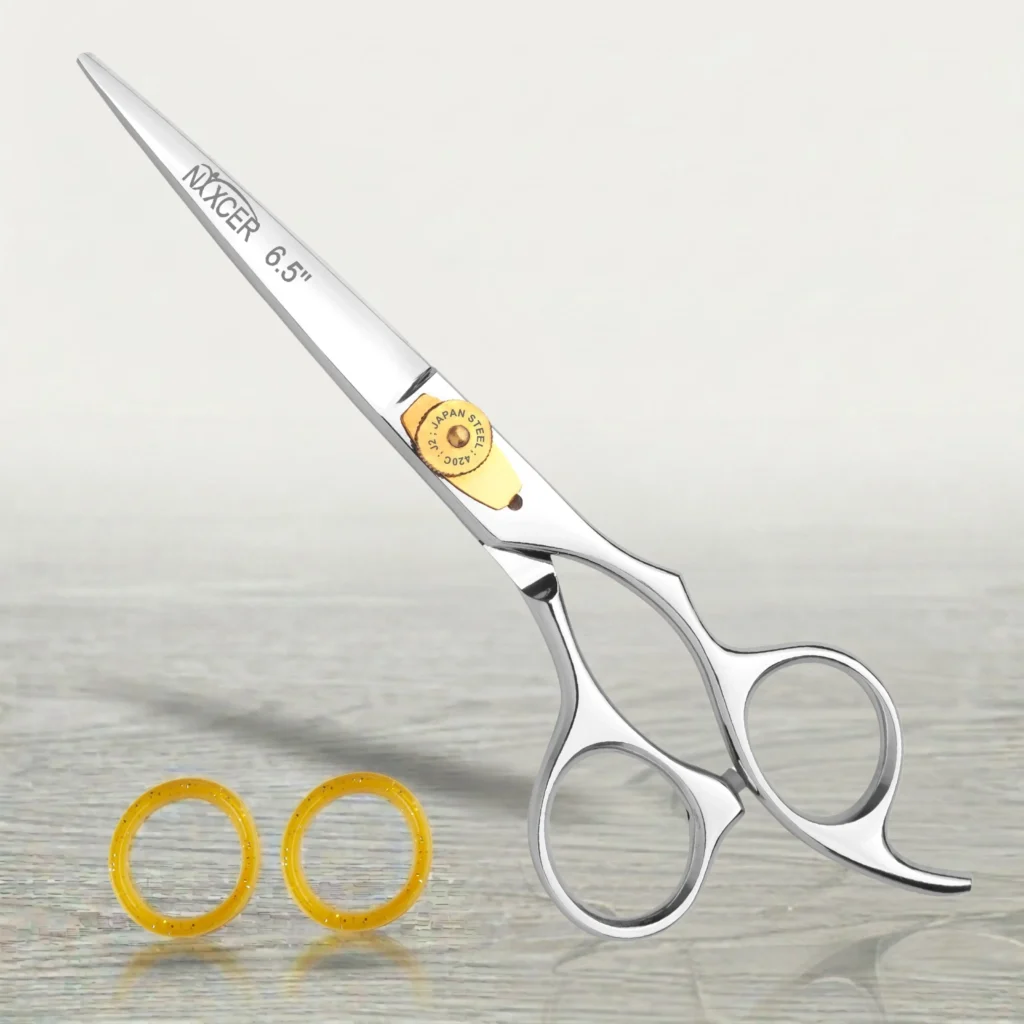
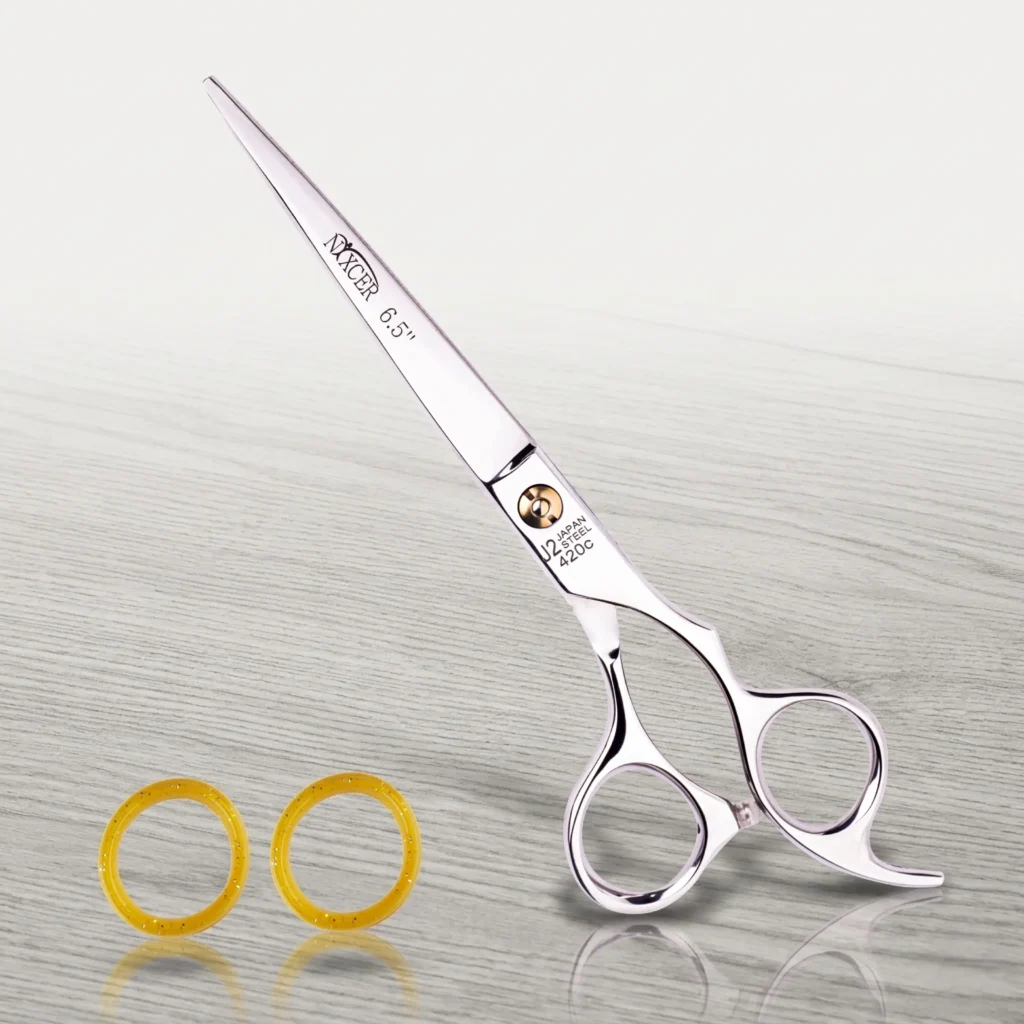
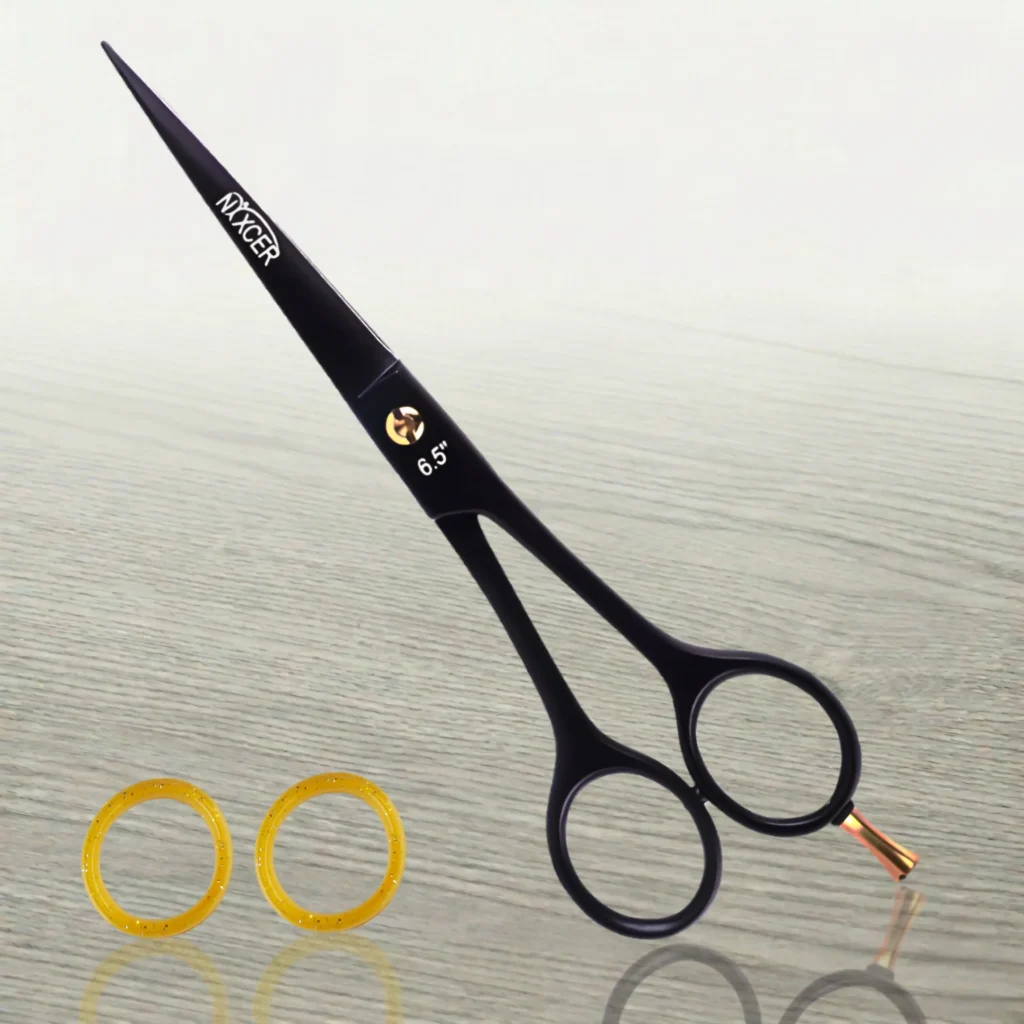
6.5 inch shears can help when cutting larger sections or using scissor over comb. They are less nimble for tiny detail but useful for controlled straight cutting.
Long blades vs short blades
Long blades are useful for wider sections, while shorter blades help with detailed pixie cut shaping. Long blades are not always better for precision.
Size rule
For pixie work, choose control over speed.
Professional Hair Scissors for Precision Work
Professional hair scissors should make precision feel calm. They should not force the wrist, drag through the hair, or leave rough marks.
Hair cutting scissors for precision
Hair cutting scissors for precision need a stable blade, smooth screw, and consistent closing motion. A cutting shear should feel balanced from handle to tip.
Pair of shears for different tasks
A pair of shears for textured hair may include one main cutting scissor and one thinning shear. Some stylists also keep swivel scissors for ergonomics.
Pair of professional tools
A pair of professional scissors helps every hairdresser handle detailed work with more confidence. Using the right tool can improve precise results and reduce corrections.
Professional rule
Professional scissors do not replace skill, but they make skilled work easier.
Texturizing Shears and Thinning Shears
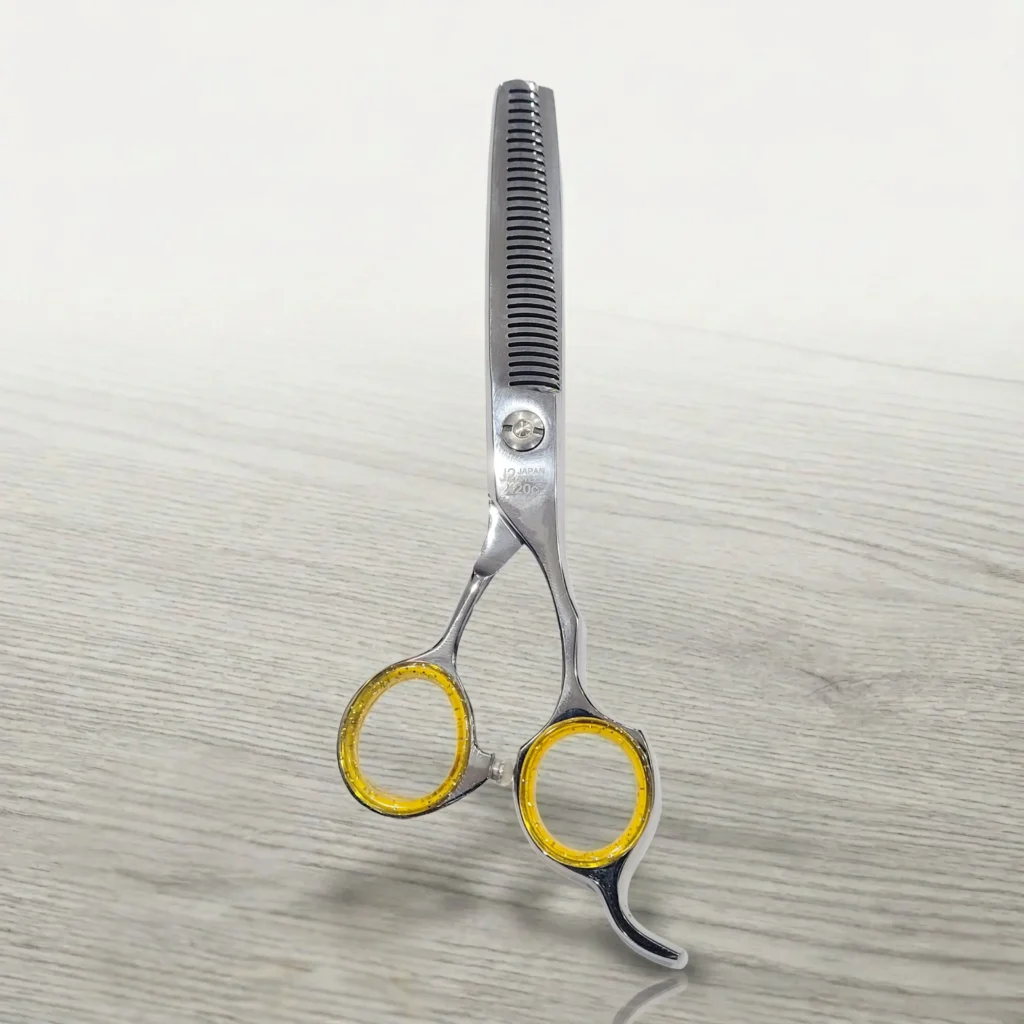
Texturizing shears and thinning shear options are useful for pixie cuts, but they must be used carefully. They can create texture, reduce bulk, or soften a line.
When to use texturizing shears
Use texturizing shears when the haircut needs separation, movement, or a softer surface. They are helpful on textured pixie styles and short layered shapes.
When to use thinning shear tools
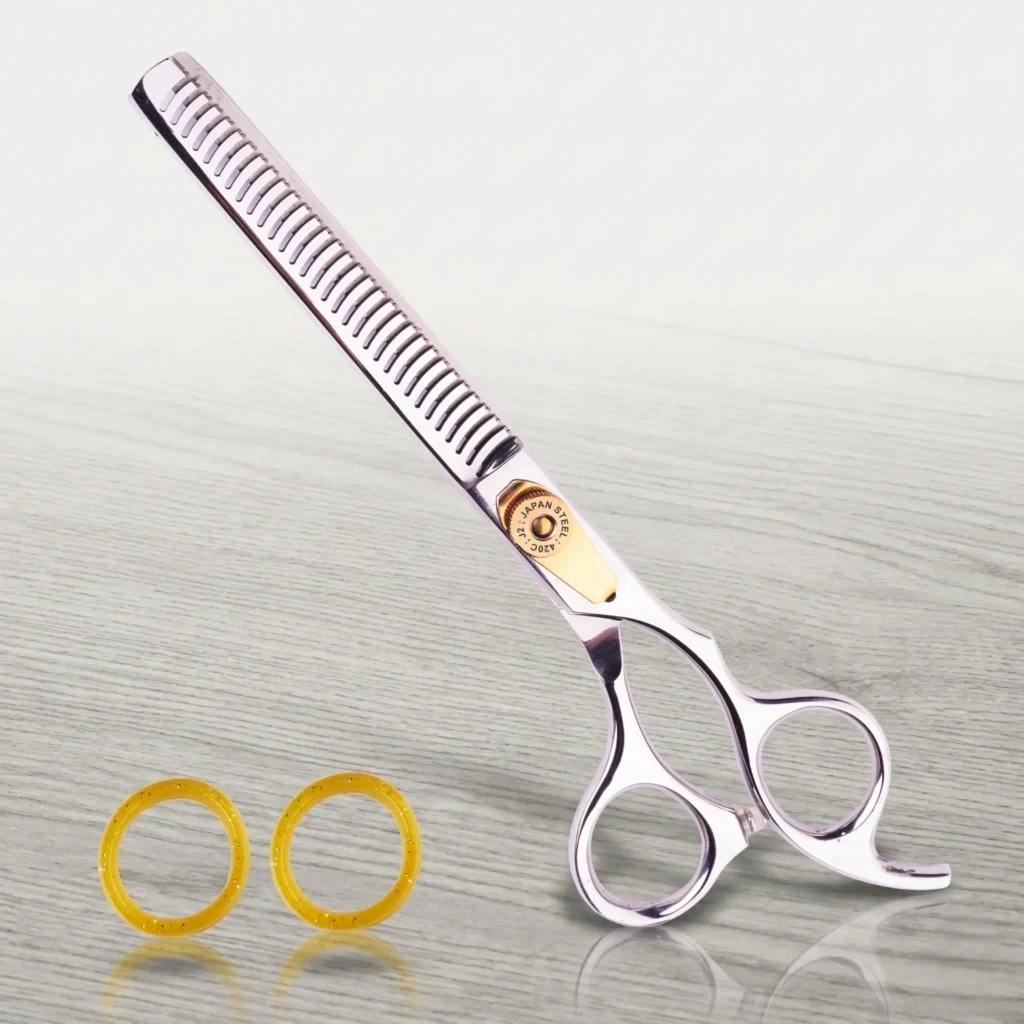
A thinning shear can remove bulk, but it can also remove too much hair. Fewer teeth remove larger pieces, while more teeth often blend more softly.
Point cutting vs thinning
Point cutting lets the stylist remove weight with the tips of the blade. This cutting technique can be safer than aggressive thinning on fine hair.
Texture rule
Texture should support the shape, not destroy it.
Handle Design, Ergonomics, and Comfort
Ergonomics matters because pixie and textured cutting often means long cutting sessions. The design of scissors affects wrist position, control, and fatigue.
Offset scissors
Offset scissors can reduce thumb reach and improve comfort. An ergonomic handle can help during precision cutting and scissor tech work.
Swivel scissors
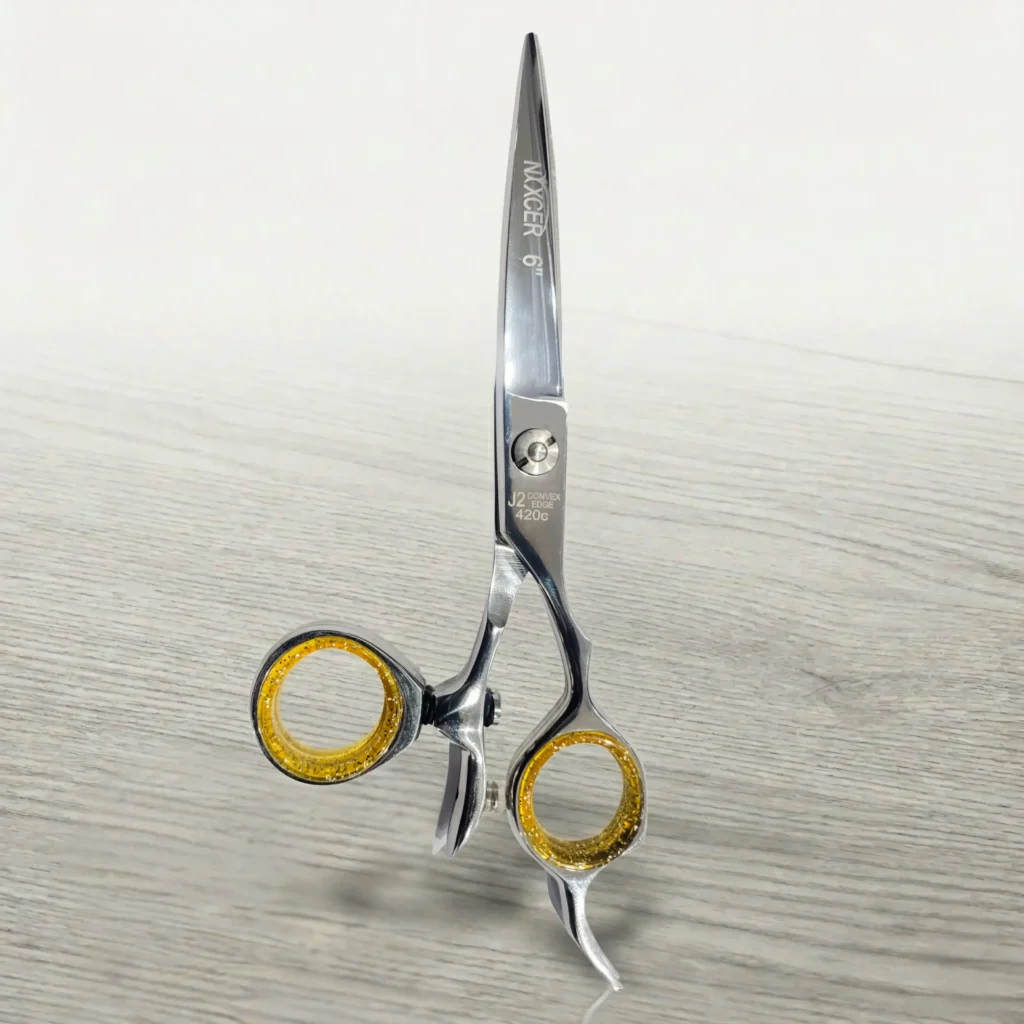
Swivel scissors allow the thumb to rotate more naturally. This can help with around the ears work, dry cutting angles, and detailed trimming.
Ergonomic design for daily use
An ergonomic design is useful for daily use because the hand stays steadier. A steady hand gives the stylist more control over every precise cut.
Comfort rule
If the scissors fight your hand, they will fight your haircut.
Blade Sharpness and Steel Quality
Sharpness and steel quality decide how the scissors perform over time. Extremely sharp scissors can make smooth cutting easier, but they also require careful handling.
Convex and convex edge blades
Convex blades glide smoothly and are useful for slide cutting, point cutting, and precision cuts. A convex edge is common in high-end hairdressing scissors.
Bevel blades
A bevel edge can grip wet hair and support blunt cuts. It may feel more controlled for beginners or barber scissors used on short shapes.
Sharpening and maintenance
Keep scissors sharp and clean. Poor sharpening can damage the edge, while correct sharpening protects razor sharp performance.
Steel rule
Good steel hair tools are easier to maintain and more reliable for precision work.
Cutting Techniques for Textured Pixie Hair
Tools matter, but technique decides the final look. The best hair cutting result comes from using the right shears with the right method.
Point cutting for softness
Point cutting creates controlled softness without removing too much weight. It is useful on fringe, crown, and textured pixie sections.
Slide cutting for movement
Slide cutting helps create movement and a lived-in texture. Use sharp blades and avoid forcing the blade through hair.
Scissor over comb
Scissor over comb helps refine short areas around the sides and nape. It is a classic barber and hairdressing technique for short hair.
Technique rule
Use the right tools and the right technique together; one cannot cover for the other.
Choosing Scissors by Hair Types
Hair types affect which shears offer the best result. Fine hair, thick hair, wet hair, and textured hair all behave differently under the blade.
Fine hair
Fine hair needs clean sharp blades and planned texturizing. Random cuts can make fine hair look weak.
Thick or dense hair
Thick hair may need texturizing shears, thinning shear control, or larger sections when shaping the base. Remove bulk slowly.
Wet hair and dry hair
Wet hair is easier to section, but dry cutting shows the real texture. Many stylists use both checks for precision results.
Hair type rule
Choose scissors based on the hair in front of you, not only the picture.
Nixceroutlet Product Links for Textured Pixie Cutting
Nixceroutlet offers hair cutting scissors, hair shears, cutting scissors, hairdressing scissors, and barber shears for precision work. Browse the Nixcer Outlet shop for current tools.
For clean precision cutting
The Professional Sharp Series Razor Edge Hair Cutting Scissors can support sharp lines, trimming, dry cutting, and detailed pixie work.
For texture and blending
The Nixcer Professional Series Hair Thinning Scissors can help with controlled blending when a pixie cut needs softer internal texture.
Linking note
Keep links limited so the buyer can focus on choosing the right scissors.
Brands and Models People Compare
Stylists often compare Joewell, Tondeo, Japanese steel tools, and other salon brands when choosing the best scissors. Brand helps, but fit and blade quality matter more.
Joewell and Tondeo searches
Joewell and Tondeo are often discussed in professional hairdressing equipment conversations. Compare size, blade shape, edge retention, and handle design before choosing.
Swivel and offset options
Swivel, offset, and offset scissors can all help different hands. The best choice depends on the stylist’s cutting style and comfort preference.
Used for precision
Scissors used for precision should be selected by blade control, not only brand name. Shears include different lengths, tooth counts, and handle types.
Brand rule
A famous name is useful only if the scissors fit your hand and technique.
Common Mistakes to Avoid
Pixie and textured hair mistakes show quickly. Avoid these problems before they affect the final haircut.
Using dull scissors
Dull scissors pull hair and reduce precision. If the blade struggles to cut through hair, sharpen it before continuing.
Removing too much hair
Too much hair removal can flatten texture. Work in small sections of hair and check shape often.
Ignoring the ears and hairline
Around the ears and nape areas need extra patience. These areas define the finished pixie cut.
Mistake rule
Small careful cuts beat big rushed corrections.
External Source Suggestions
For reader trust, this article can reference Ogle School’s pixie tutorial on sectioning, point cutting, and blending:
It can also cite Scissor Lab’s 2026 guide on convex, flat, and bevel blade types:
Frequently Asked Questions
What are the best hair cutting scissors for textured hair?
The best hair cutting scissors for textured hair are sharp, balanced, and comfortable. For pixie cuts, 5.5 inch convex shears are often useful for detail and precision.
Are texturizing shears good for pixie cuts?
Yes, texturizing shears can help create movement in a pixie cut. Use them carefully so you do not remove much hair or weaken the shape.
What size scissors should I use for a pixie cut?
Many stylists prefer 5.5 inch shears for short precision work, while 6.5 inch shears can help with larger sections and scissor over comb.
Should pixie cuts be cut on wet hair or dry hair?
Both can work. Wet hair helps with structure, while dry cutting shows texture, movement, and the final shape more clearly.
What makes scissors good for precision work?
Sharp blades, convex edge control, smooth screw tension, ergonomic design, and strong steel quality all help create precise results.
Final Thoughts
The best hair cutting scissors for textured hair should help the stylist create clean shapes, soft texture, and precise cuts without fighting the hair. For pixie cut work, choose sharp blades, a comfortable handle, strong edge retention, and a size that supports detail.
Whether you are a barber, hairdresser, or stylist doing precision work, using the right shears makes every cut safer, smoother, and more controlled.