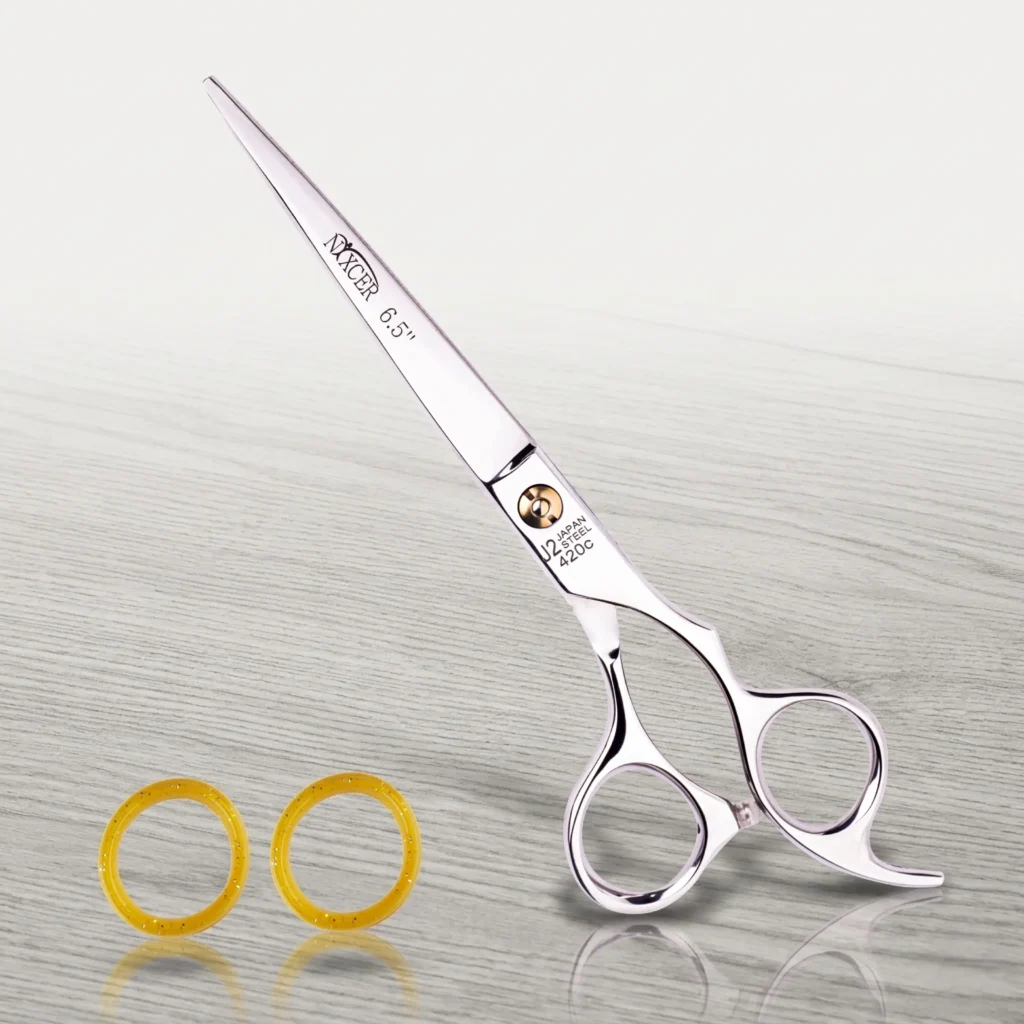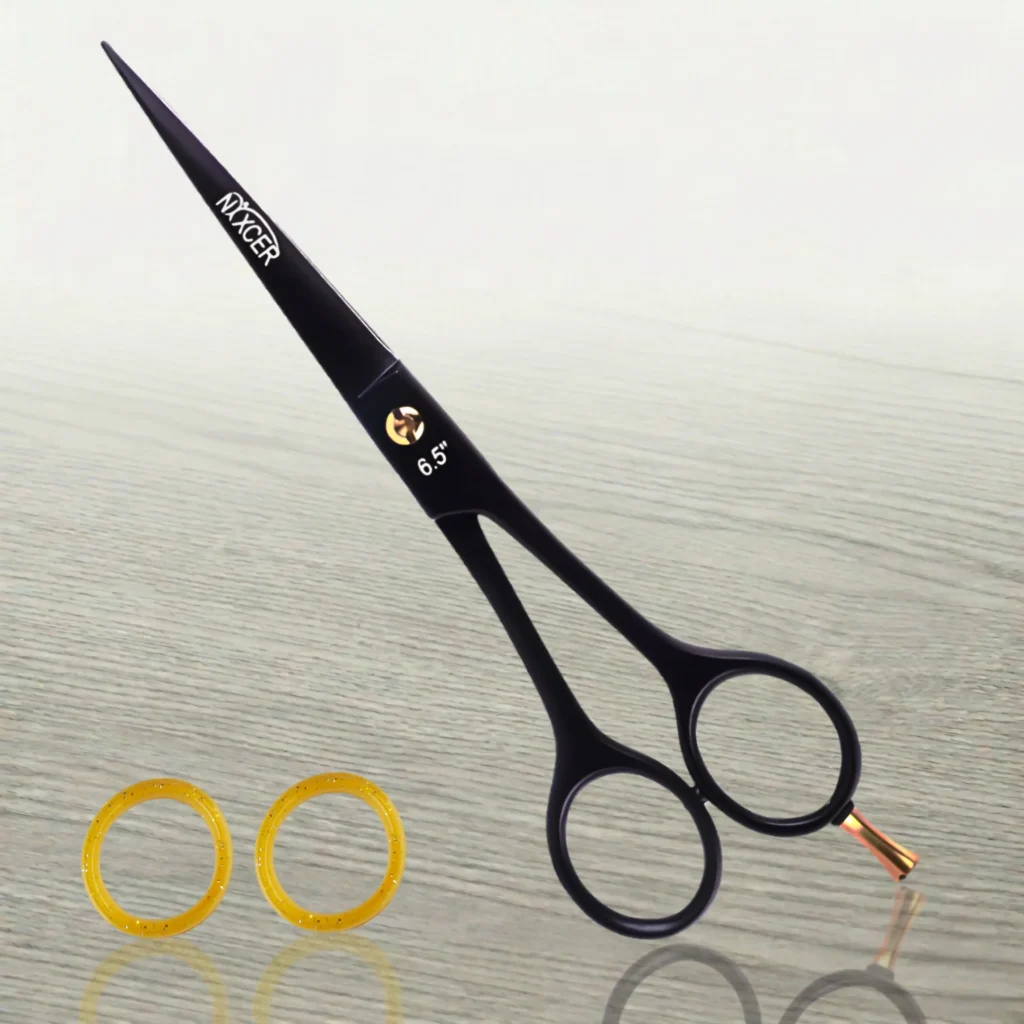
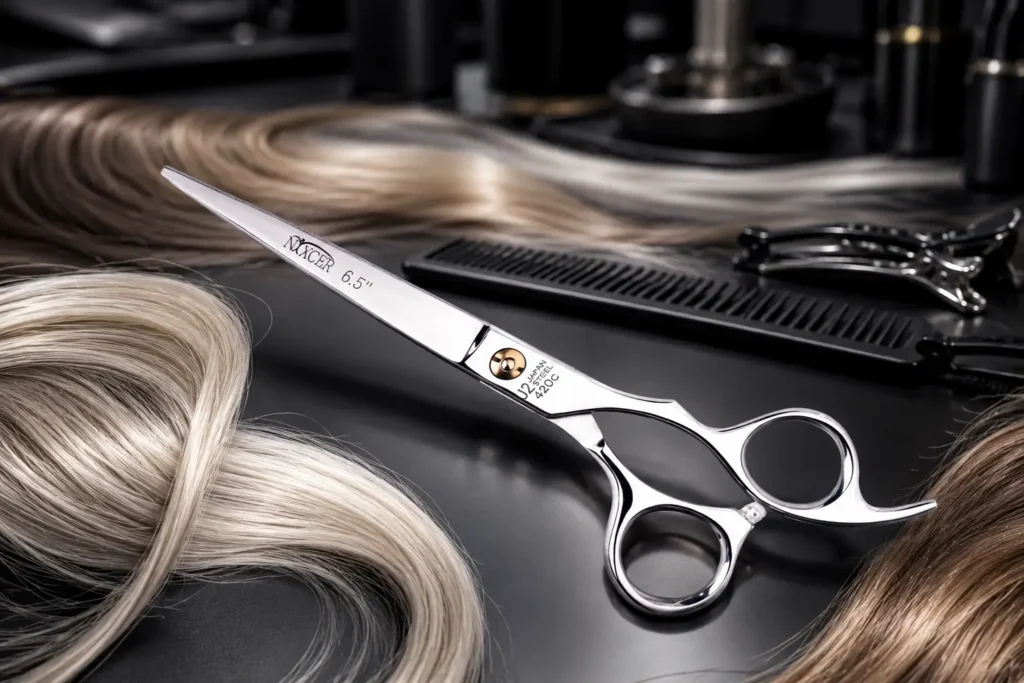
The best hair cutting scissors for fine hair are sharp, lightweight, and easy to control. For most precision work, a 5.0- to 5.5-inch hair scissor with a thin convex or semi-convex blade can create a precise cut without pushing slippery strands. An ergonomic handle, stable tension, and high-quality steel also help the stylist work accurately with less thumb pressure.
Fine hair reveals every rough closure and uneven line. It can also lose visual fullness quickly when a haircut is over-layered or over-texturized. This guide explains the difference between fine and thin hair, compares relevant Nixcer Outlet options, and shows when thinning scissors should stay in the case.
Quick Picks: Best Hair Cutting Scissors for Fine Hair
| Editorial category | Nixcer option | Best use |
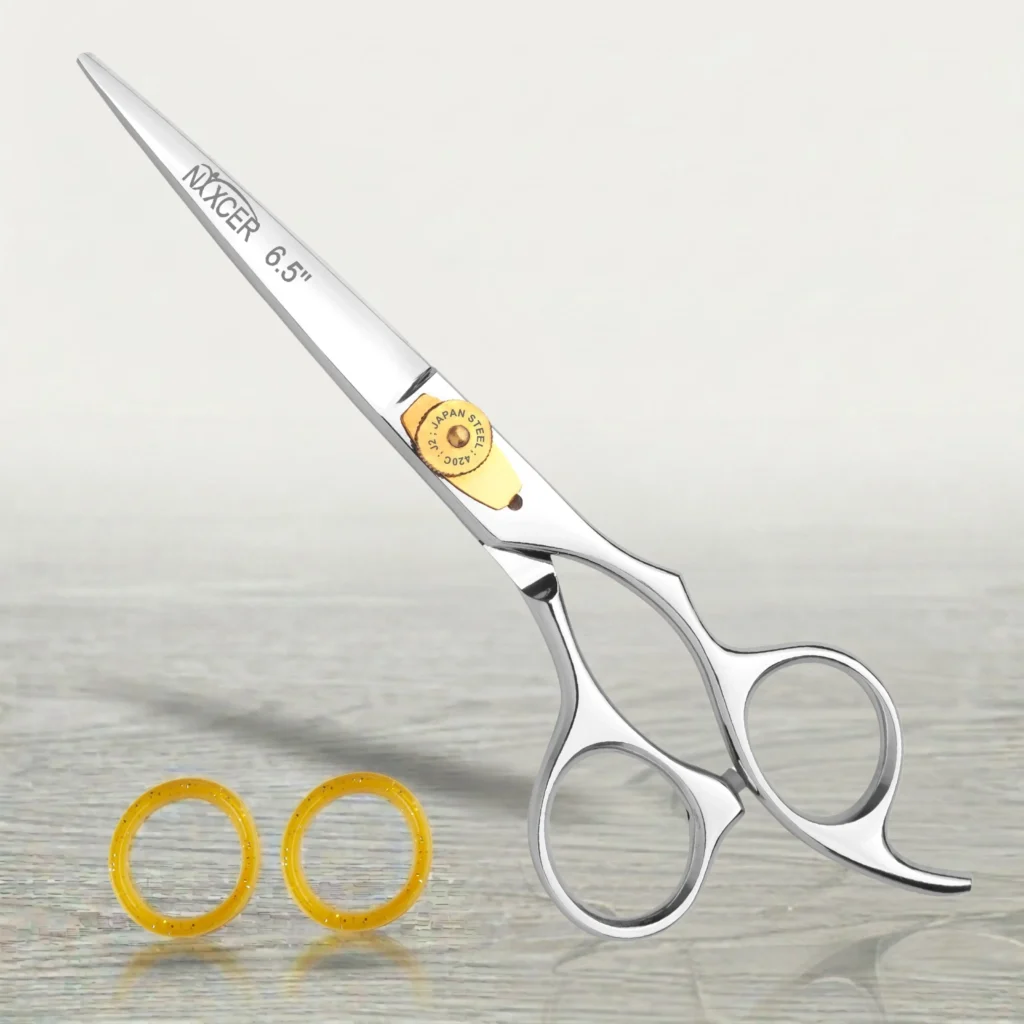
| Best overall Nixcer match | Professional Sharp Series Razor Edge Hair Cutting Scissors | Clean lines, controlled point work, and general salon cutting |
| Best for stable broad sections | Broad Blade Razor Edge Hair Cutting Scissors | Dense fine hair, long sections, and broad perimeters |
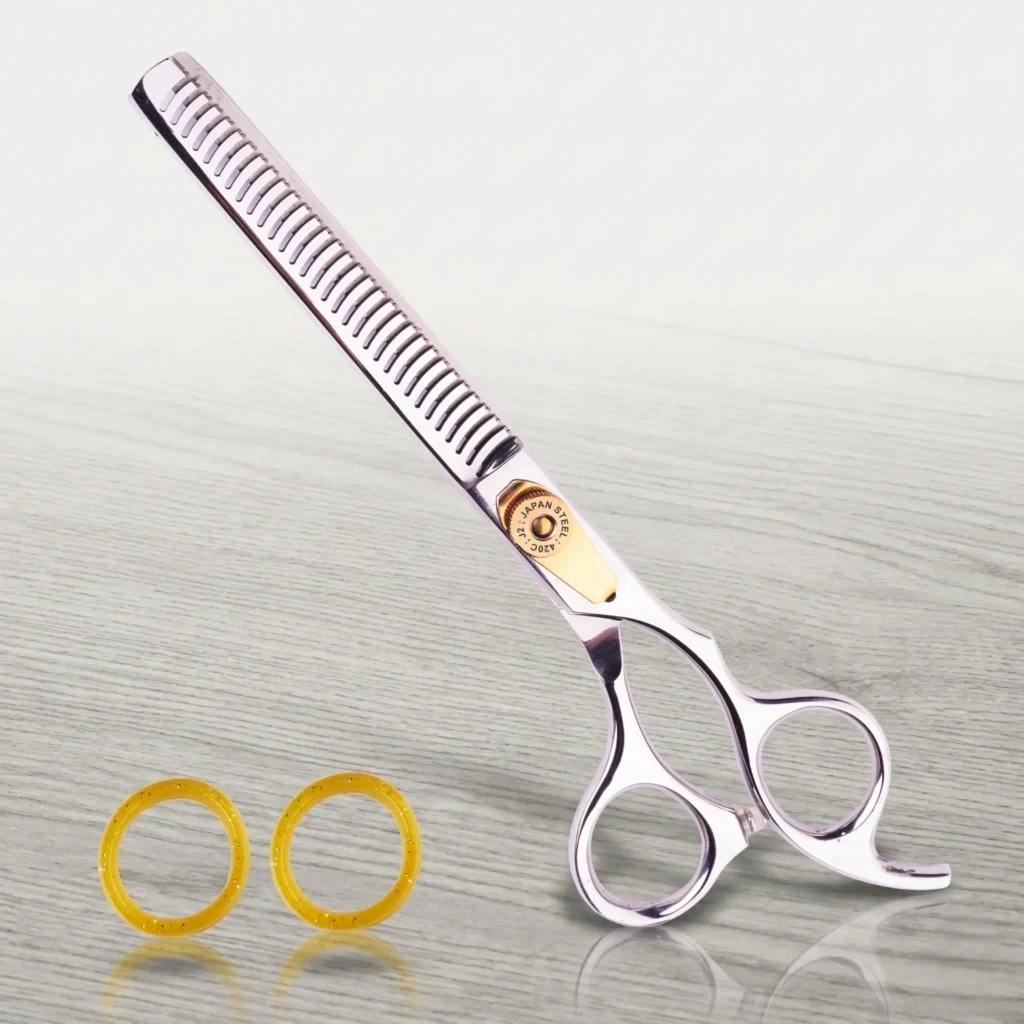
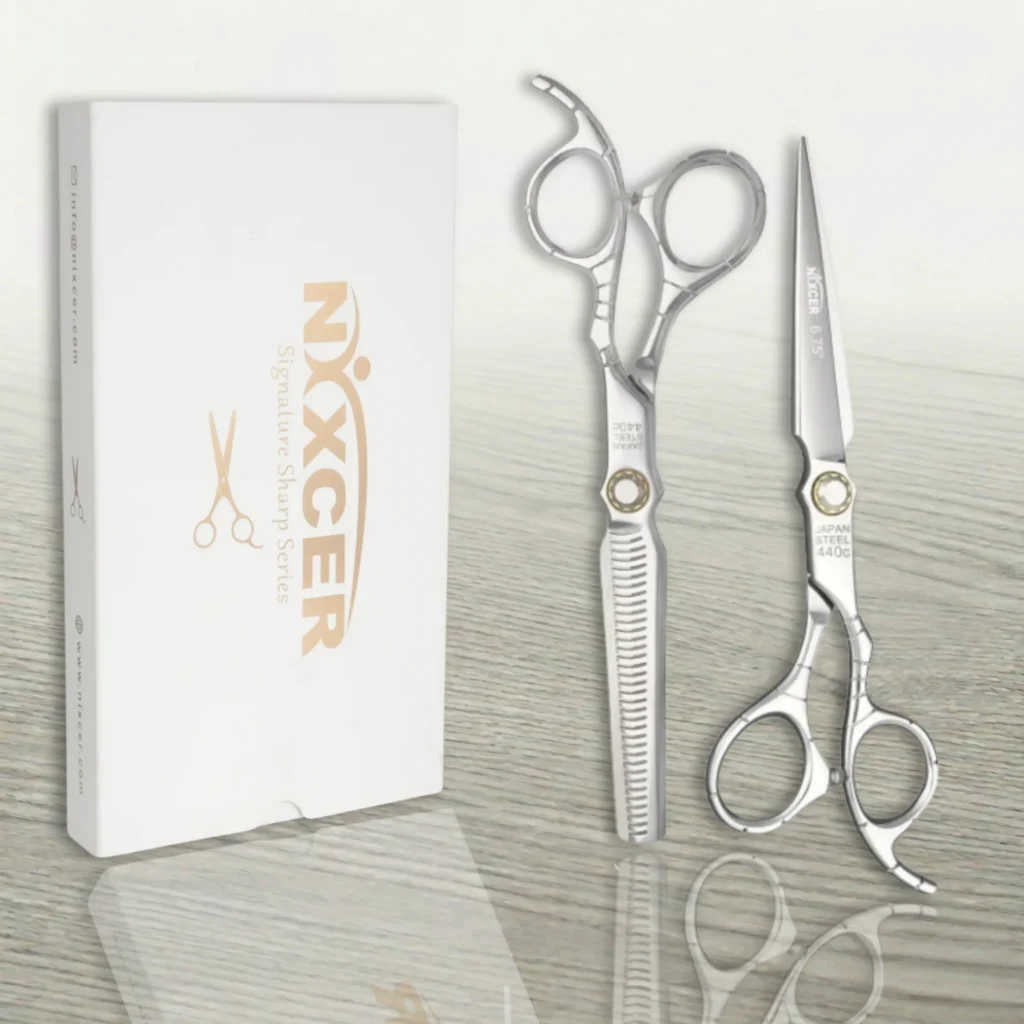
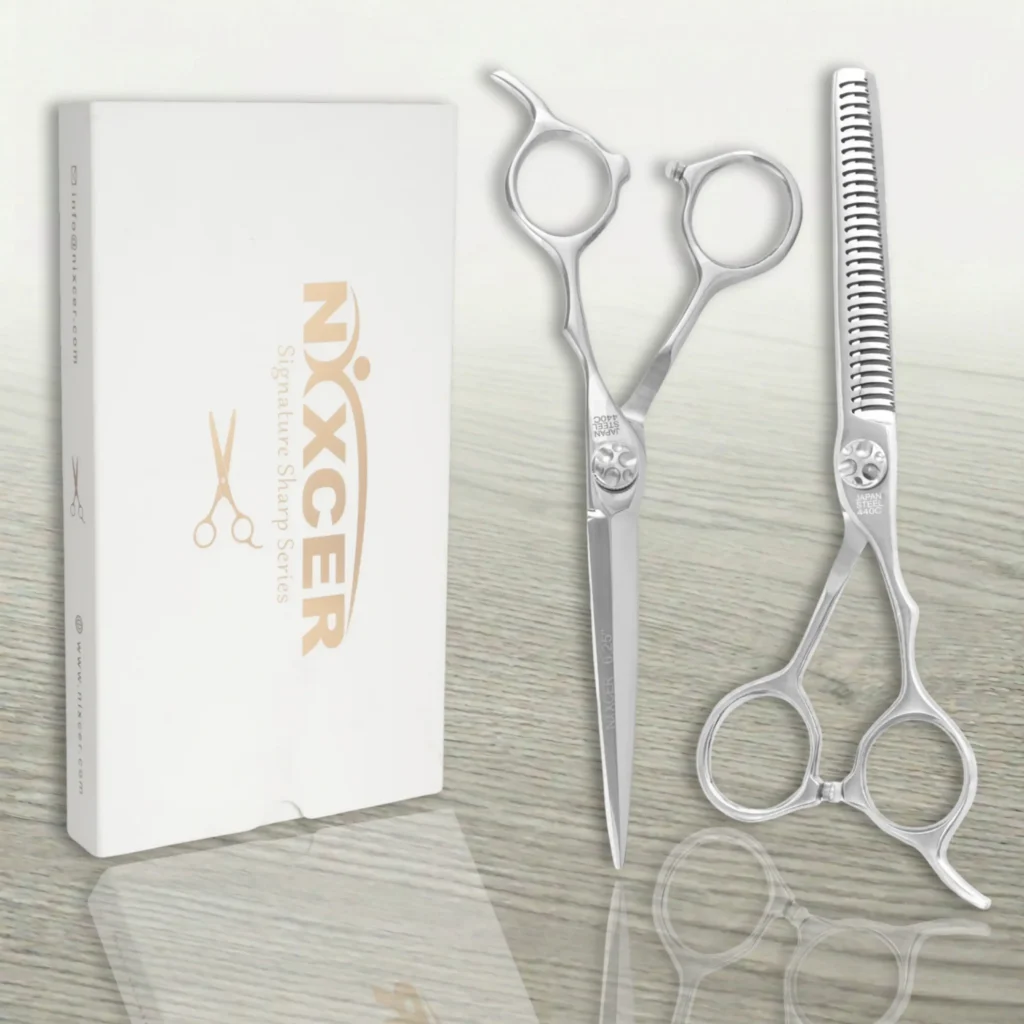
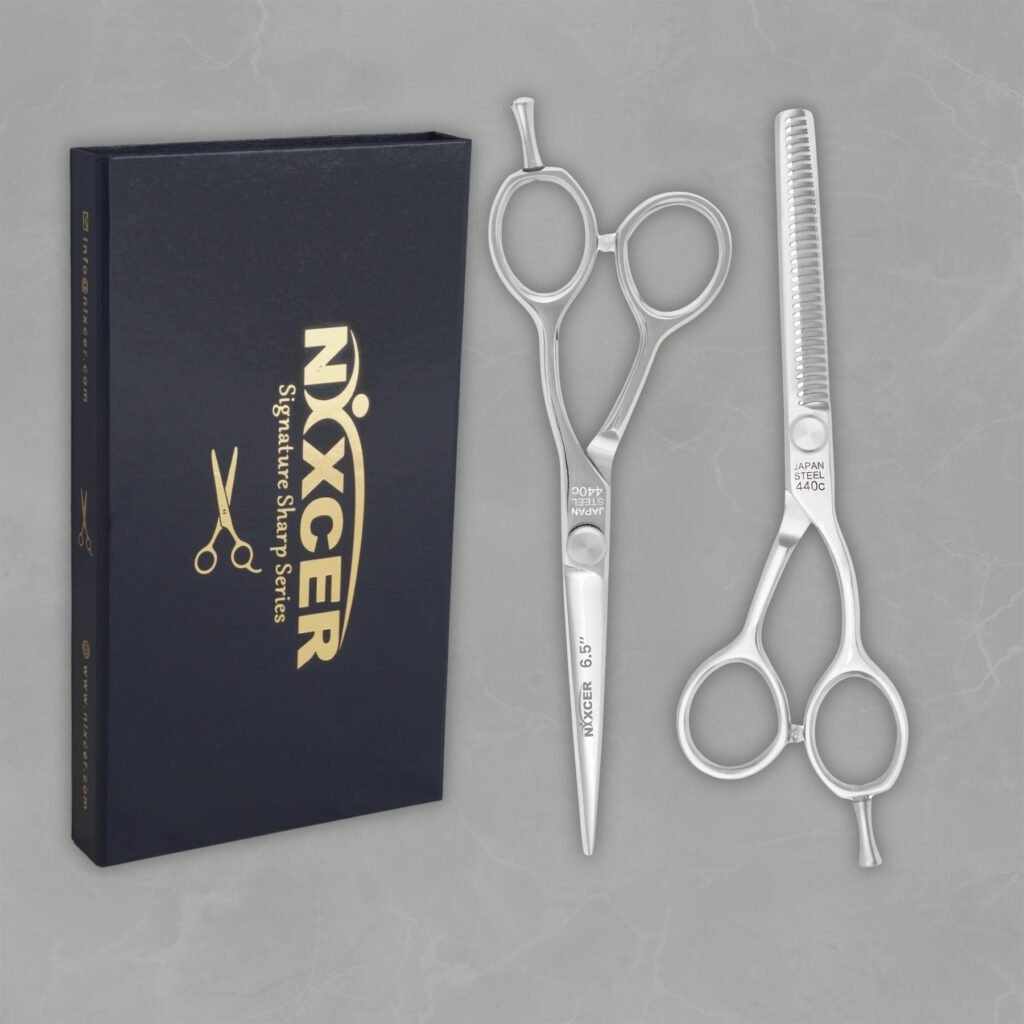
| Best coordinated cutting-and-thinning set | Signature Sharp Series SWORD Hair Cutting and Thinning Scissors | Professionals who need separate structure and texture tools |
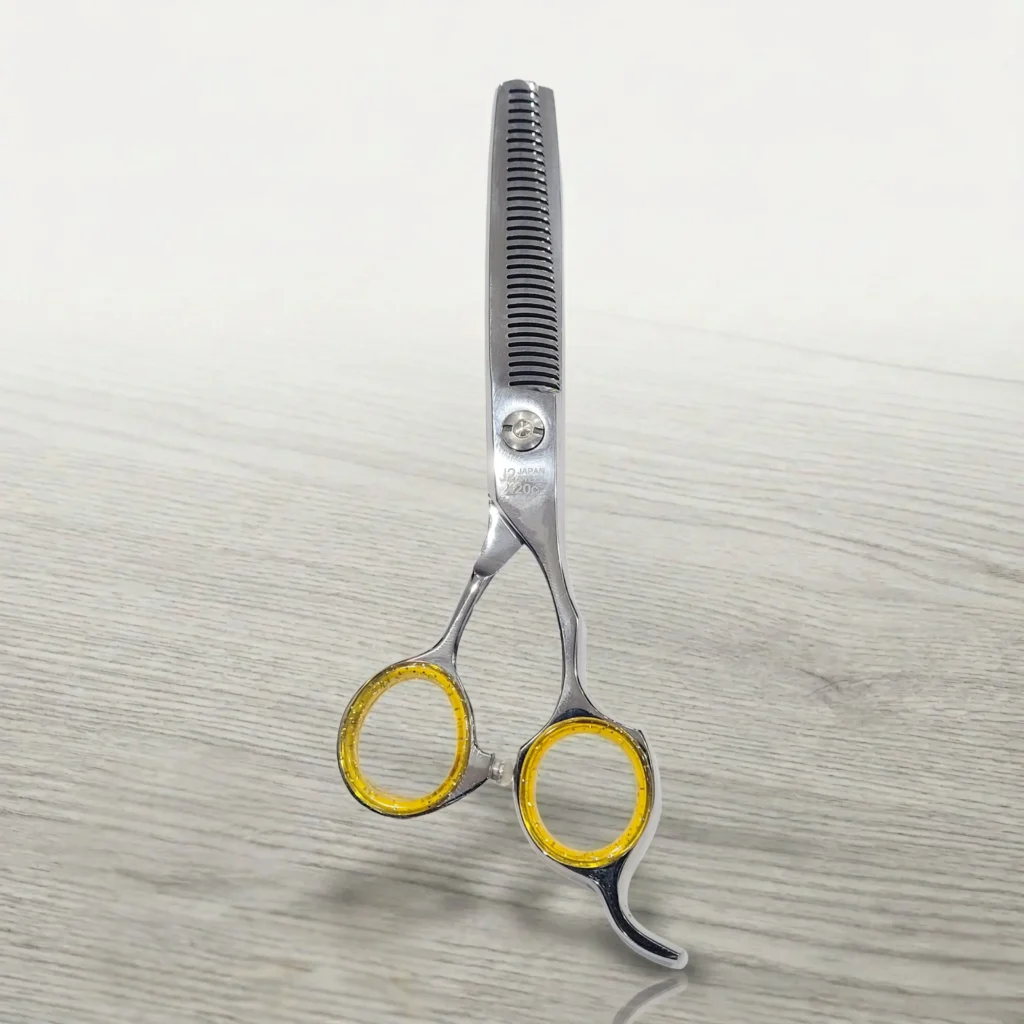
| Best dedicated blending option | Professional Series Hair Thinning Scissors | Very conservative blending on fine hair with enough density |
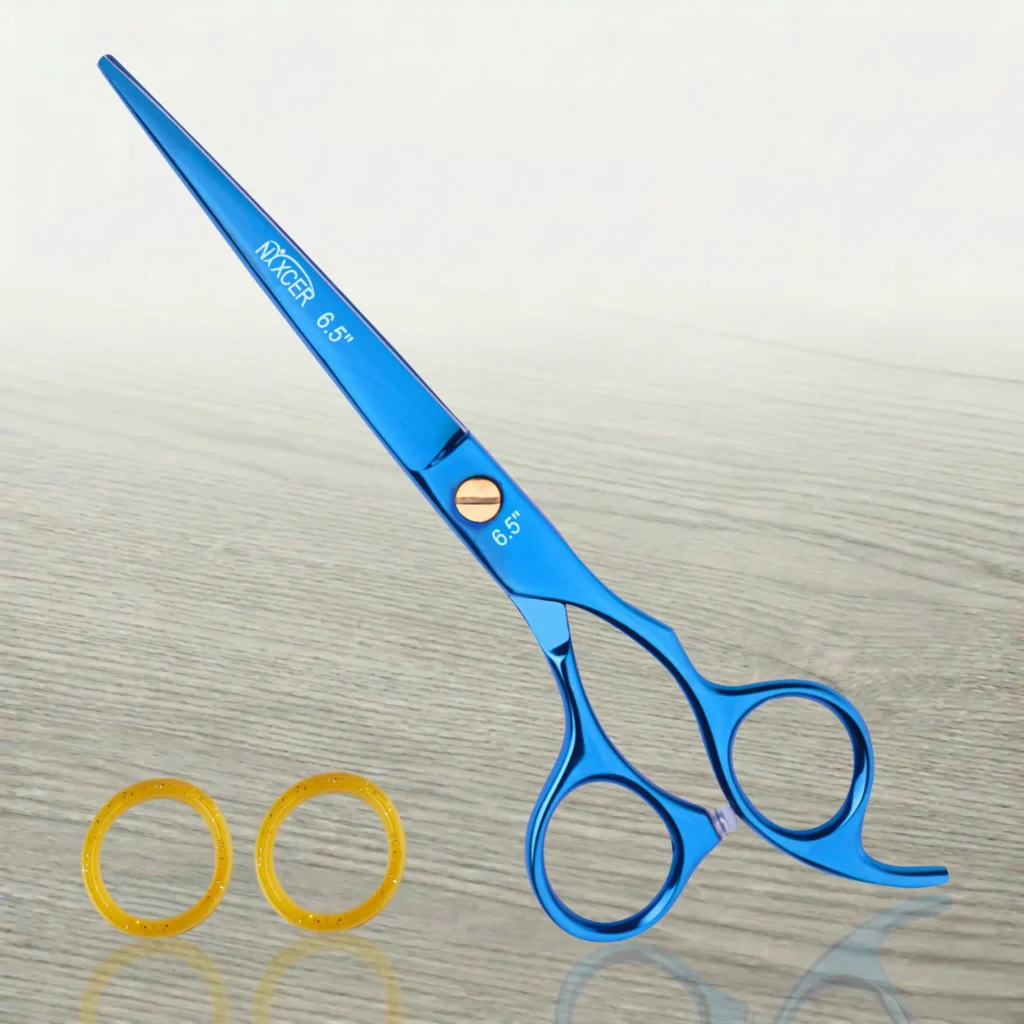
| Best distinctive finish | Professional Series Hair Cutting Scissors – Black | Buyers who want matte black styling without ignoring function |
These are editorial task matches, not independent laboratory rankings. Check the current size, steel, handedness, edge, and included accessories on each product page.
Fine Hair Is Not Always Thin Hair
Fine hair describes the diameter of each strand. Thin hair usually describes lower density—the number of strands in an area. A person can have many fine strands and look dense, or have coarse strands with low density.
Research commonly classifies fine fibers by small diameter. One published hair-damage method uses less than 50 micrometers as its fine category and notes that variation in strand diameter can influence where breakage occurs (Alternative Protocol for Hair Damage Assessment).
This distinction changes the cutting plan:
- Fine but dense: May tolerate selective internal texturizing
- Fine and sparse: Usually benefits from a stronger perimeter and minimal thinning
- Fine and chemically weathered: Needs gentle tension and an extremely clean cutting edge
- Fine and curly or wavy: Requires pattern-aware sectioning and a careful wet-or-dry decision
A good consultation evaluates strand size, density, elasticity, existing breakage, and the desired style before choosing the tool.
Why Sharp Scissors Matter for Fine Hair
Fine strands can slip away from a dull blade or fold before the blades meet. The result may be a fuzzy perimeter, uneven ends, or extra hand pressure from the hairdresser.
Hair research links split ends and breakage with cuticle damage, friction, weathering, and chemical treatment—not simply with one haircutting tool (Hair Cosmetics: An Overview). A sharp shear does not repair damaged hair, but it gives the stylist a better chance to cut hair cleanly at the intended point.
Look for:
- Smooth heel-to-tip closure
- Stable tension without blade separation
- A clean tip for detail and point cutting
- No pushing, folding, snagging, or rough spots
- Sharpness maintained through appropriate cleaning and professional service
Razor-sharp should describe controlled performance, not an unsafe marketing stunt. A tool must also be aligned, balanced, and appropriate for the cutting technique.
Best Blade Types for Fine Hair
Convex Blade
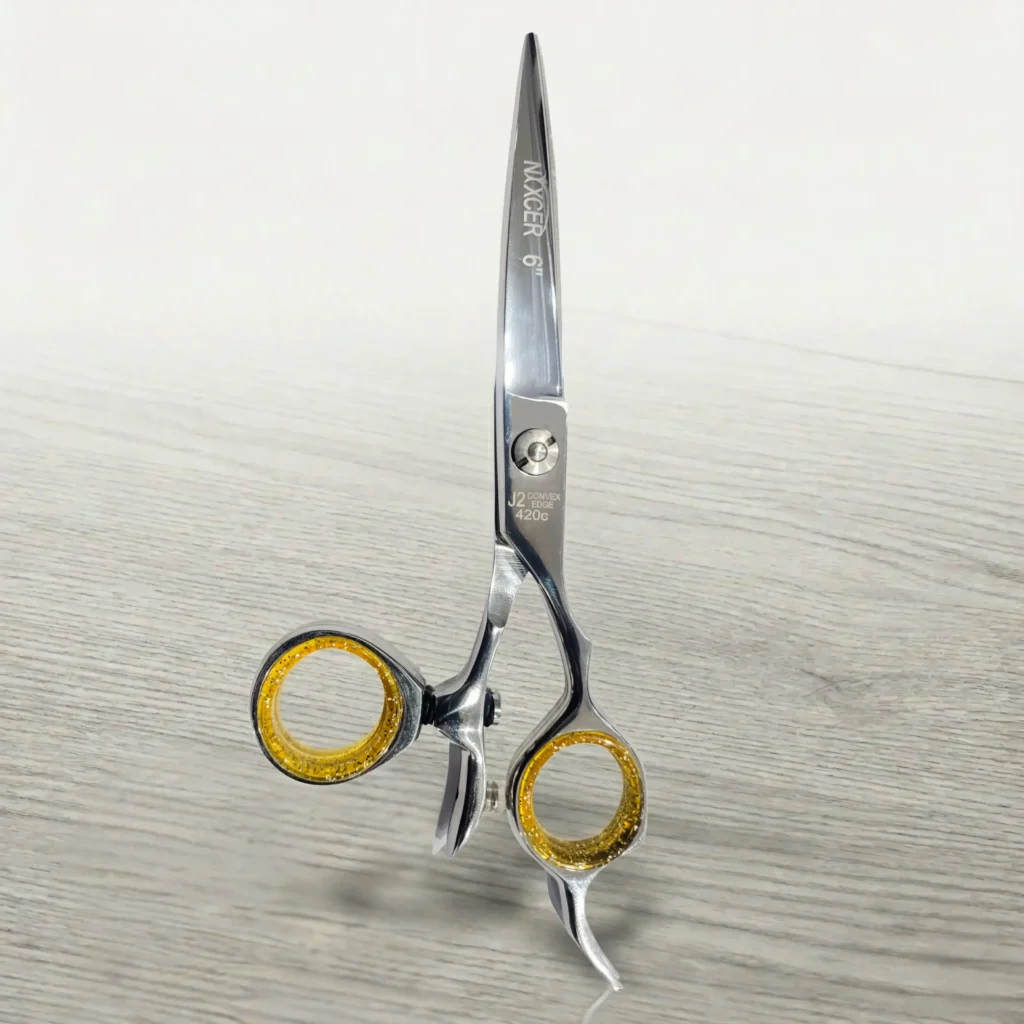
A convex edge curves toward a very fine cutting surface. It can glide through fine hair with low resistance and supports precision cutting, slide work, and soft point cutting.
Convex scissors need a specialist to sharpen them. An incorrect sharpening method can flatten the profile or disturb the ride line.
Semi-Convex Blade
A semi-convex edge combines some grip with a smoother release. It can be useful when fine, silky strands slide away from a full convex blade.
This versatile geometry works across many types of hair and common salon techniques.
Beveled or Micro-Serrated Edge
A beveled blade is durable, while fine serrations can grip slippery strands. This can help during dry cutting, blunt work, or a controlled bob line.
The finish may feel less fluid than a polished convex edge. Choose by technique rather than assuming one blade is universally best.
Razor Work
A styling razor can create soft edges, but it requires training, a fresh blade, and correct moisture control. A dull razor or poor technique can drag on fragile strands.
For most DIY or at-home cutting, dedicated hair scissors are more predictable than a razor.
Why 5.5 Inches Is a Strong Starting Point
A 5.5-inch pair of scissors gives close control around the fingers, fringe, ears, and short layers. It also makes point cutting easier because the tips remain easy to place.
Shorter shears generally favor detail. Longer barber scissors provide more coverage for scissor-over-comb, long lines, or a professional barber service. A 6.0-inch or 6.5-inch cutter can still work on fine hair when it fits the hand and matches the technique.
The Professional Sharp Series Razor Edge Hair Cutting Scissors are available in 6.0- and 6.5-inch sizes. A stylist who prefers a 5.5 should not buy a longer tool only because it is available; fit and control remain more important than brand loyalty.
Steel: Japanese, Stainless, and High-Quality Options
Japanese steel is widely associated with professional hair scissors and professional hair shears because suitable alloys can take and hold a refined edge. Japanese stainless steel also resists routine corrosion when cleaned, dried, and stored correctly.
High-quality steel is only part of the story. Heat treatment, blade geometry, hollow grinding, alignment, pivot quality, and finishing all affect cutting performance.
When comparing quality hair shears, look for:
- A named steel grade when available
- Credible hardness information
- Edge type and blade profile
- Stable tension hardware
- Right-handed and left-handed availability
- Service and sharpening support
- Warranty and return information
Terms such as “Japanese stainless” or “professional hair” do not prove quality by themselves. Read the exact specifications.
Ergonomic Features That Help Precision Work
Fine hair often requires small sections and repeated detail cuts. Ergonomics can help the stylist maintain control without squeezing the handle.
Offset Ergonomic Handle
An offset handle moves the thumb ring forward and reduces thumb reach. It can support a more relaxed wrist during prolonged professional hair cutting.
Crane Handle
A crane design brings the thumb closer to the pivot and can encourage a lower elbow. Some professional hairstylists prefer this for long sessions, while others need time to adjust.
Swivel Thumb
A swivel ring follows changes in hand position. It may help during cutting techniques that require different angles around the head.
Finger Insert and Permanent Finger Rest
An insert reduces excess space in a loose ring. A removable or permanent finger rest supports the little finger and can improve stability.
The handle should never trap the thumb or force the little finger upward. Ease of movement matters more than decorative details.
Right-Handed and Left-Handed Scissors
True left handed scissors reverse the blade arrangement. This lets the user see the cutting line and apply natural pressure.
A left-handed stylist should not simply flip a right-handed pair. Confirm both the blade and handle geometry before buying.
Should You Use Thinning Shears on Fine Hair?
Sometimes—but less is more. A thinning shear removes part of a section, which may reduce density that fine hair needs for visual fullness.
Avoid hair thinning shears when the hair is already sparse, fragile, heavily layered, or visibly over-thinned. If fine hair is dense and a specific area holds too much weight, a skilled stylist may use a high-tooth-count pair of thinning scissors for one light, controlled pass.
Safe principles include:
- Build the full haircut with standard cutting shears first
- Assess the shape on dry hair before removing density
- Use fine thinning teeth rather than aggressive chunking teeth
- Stay away from fragile ends and the outer surface
- Avoid repeated closures in the same place
- Stop and reassess after every small adjustment
Thinning or texturizing is not mandatory. Point cutting with a standard convex shear can create movement while preserving more density.
Nixcer Outlet Recommendations by Task
Best Overall Nixcer Match: Professional Sharp Series
Why It Suits Fine Hair
The Professional Sharp Series Razor Edge Hair Cutting Scissors offer a sharp cutting design, adjustable tension, and 6.0- or 6.5-inch options. The shorter available size is the better fit for stylists prioritizing control on fine hair.
Best for Fine but Dense Hair: Broad Blade Cutting Scissors
The Nixcer Broad Blade Razor Edge Hair Cutting Scissors use a 6.25-inch broad profile. This can add stability across a dense, fine section or long perimeter.
Do not load the blade with oversized sections. Clean sectioning is still essential for a precise cut.
Best Two-Tool Kit: Signature Sharp Series SWORD Set
The Signature Sharp Series SWORD Hair Cutting and Thinning Scissors gives the hairstylist separate tools for structure and texture. Use the standard cutter first; reach for the thinning component only when the density analysis justifies it.
Dedicated Thinning Option: Professional Series Hair Thinning Scissors
Use With Care
The Nixcer Professional Series Hair Thinning Scissors can complement a primary hair cutting shear. On fine hair, this pair of thinning scissors should be used conservatively by someone who understands the tool’s removal rate.
Browse all Nixcer Outlet hair cutting scissors.
How to Compare Scissor Brands and Customer Reviews
Searchers may compare Nixcer Outlet with names such as Jaguar or marketplace phrases like ULG hair cutting scissors. Some listings use awkward labels such as “scissors professional,” but brand recognition or wording cannot replace model-level specifications.
Use customer reviews to identify repeated comments about:
- Balance and comfort
- Ring fit and finger rest position
- Smooth heel-to-tip closure
- Tip sharpness
- Edge durability
- Packaging and included tools
- Seller support and returns
Do not treat one enthusiastic review as proof that a pair is the best hair scissor for everyone. Hand size, technique, workload, and expectations differ.
Cutting Techniques That Preserve Fullness
Blunt or One-Length Cutting
A strong perimeter can make fine hair appear fuller. Use a sharp straight, semi-convex, or stable convex blade and make one clean closure per section.
Point Cutting
Shallow point cutting softens a hard line without removing as much visual weight as deep notching. Keep the tips controlled and check the fall frequently.
Slide Cutting
A polished convex hair shear can glide through long sections, but overuse may remove too much support. Use slide cutting only when the hairstyle needs movement rather than maximum density.
Dry Refinement
Dry refinement reveals the natural fall and shows small corners or uneven pieces. Use sharp shears and light tension; do not repeatedly comb or pull fragile ends.
Wet Cutting
Wet hair can be easier to section, but it may stretch and look denser than it will when dry. Cross-check the finished shape once the hair returns to its normal condition.
The choice between wet and dry hair—or wet or dry cutting—depends on texture, damage, style, and the stylist’s method.
Fine-Hair Mistakes to Avoid
- Using dull cutting tools. Dull blades push or fold slippery strands.
- Removing too much density. Fine hair can be dense, but every thinning decision should have a clear purpose.
- Choosing scissors by finish alone. Color does not prove sharpness, steel, or alignment.
- Buying the wrong length. A longer shear can reduce tip control for a small hand.
- Ignoring tension. Loose blades may fold hair; tight blades increase effort and wear.
- Using household scissors. Craft scissors are not designed for a professional haircut.
- DIY layering without a clear guide. At-home mistakes are difficult to hide when strands are fine or density is low.
Can You Cut Fine Hair at Home?
You can trim hair at home with dedicated scissors, strong lighting, mirrors, and a conservative plan. Work in small sections and remove less than the final amount you think you need.
For an at-home bang trim, point the tips away from the eyes and avoid pulling the fringe tightly. For layers, major shape changes, corrective work, or thinning, book a professional hairdresser.
A quality hair tool improves control but does not replace training. If you cannot see the guide or work safely, stop.
Care, Sharpening, and Storage
Quality hair shears and hairdressing scissors require consistent hair care tool maintenance:
- Wipe away loose hair after each service
- Clean and disinfect according to local salon rules and product directions
- Dry the blades and pivot completely
- Apply appropriate scissor oil
- Check tension regularly
- Store the pair of shears in a protective case
- Keep them away from paper, packaging, and hard surfaces
- Use a technician experienced with the exact edge geometry
Have the scissors sharpened when they push, fold, snag, lose tip performance, or feel rough during closure. A sharper edge is only useful when alignment and tension are also correct.
Final Verdict
The best hair cutting scissors for fine hair combine a thin, sharp edge with close control and a comfortable grip. A 5.0- to 5.5-inch convex or semi-convex shear is an excellent starting point for detail and precision, while a well-balanced 6.0-inch model can handle broader professional hairdressing work.
Choose the tool after assessing strand diameter, density, damage, hair types, and the planned style. Preserve fullness first. Use thinning shears only when a specific dense area needs controlled removal, and maintain every professional pair with cleaning, tension checks, oil, safe storage, and specialist sharpening.
Frequently Asked Questions
What size hair cutting scissors are best for fine hair?
Many stylists prefer 5.0 to 5.5 inches for detail and control. A 6.0-inch pair can also work when it fits the hand and the service requires more coverage.
Is a convex blade good for fine hair?
Yes. A well-finished convex blade can cut fine strands smoothly with little resistance. Semi-convex or micro-serrated edges may provide more grip on very slippery hair.
Should fine hair be cut wet or dry?
Both methods can work. Wet cutting helps with sectioning, while dry cutting reveals the natural fall and final density. Many stylists build the structure wet and refine it dry.
Can thinning shears damage fine hair?
Improper or excessive use can create gaps, short flyaways, weak ends, or a stringy appearance. Use them only when the fine hair is dense enough and the placement has a clear purpose.
Are professional hair scissors worth it for home use?
A good pair offers better alignment, control, and edge quality than household scissors. At-home users should still make conservative cuts and avoid complex thinning or corrective work.
Does Japanese steel guarantee the best hair scissors?
No. Japanese steel can be excellent, but heat treatment, blade geometry, alignment, tension, assembly, and maintenance also determine performance.
Do I need left-handed scissors?
If you are left-handed, use true left-handed scissors. Their reversed blade arrangement improves the sightline and supports natural cutting pressure.
What haircut makes fine hair look fuller?
A blunt perimeter, controlled bob, or carefully placed long layers can preserve visual density. The best hairstyles depend on face shape, strand texture, actual density, and daily styling habits.