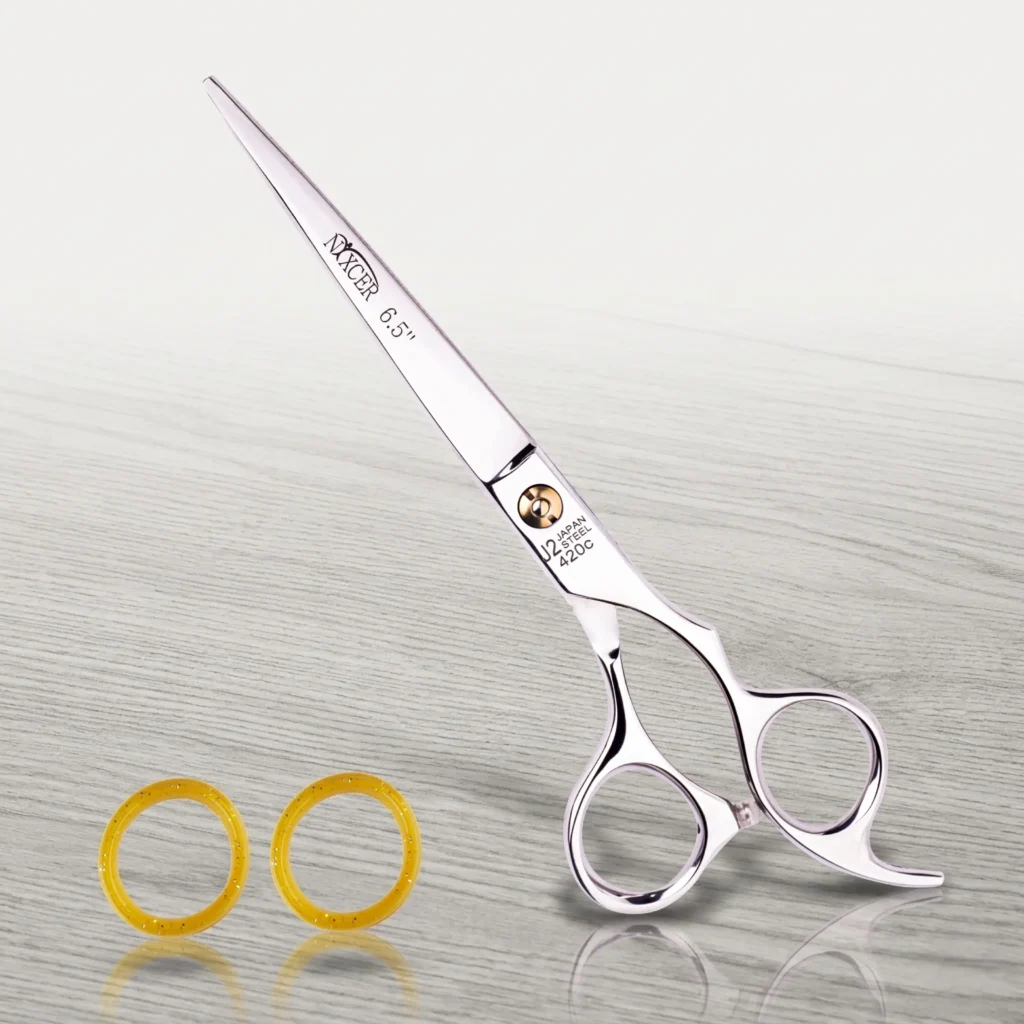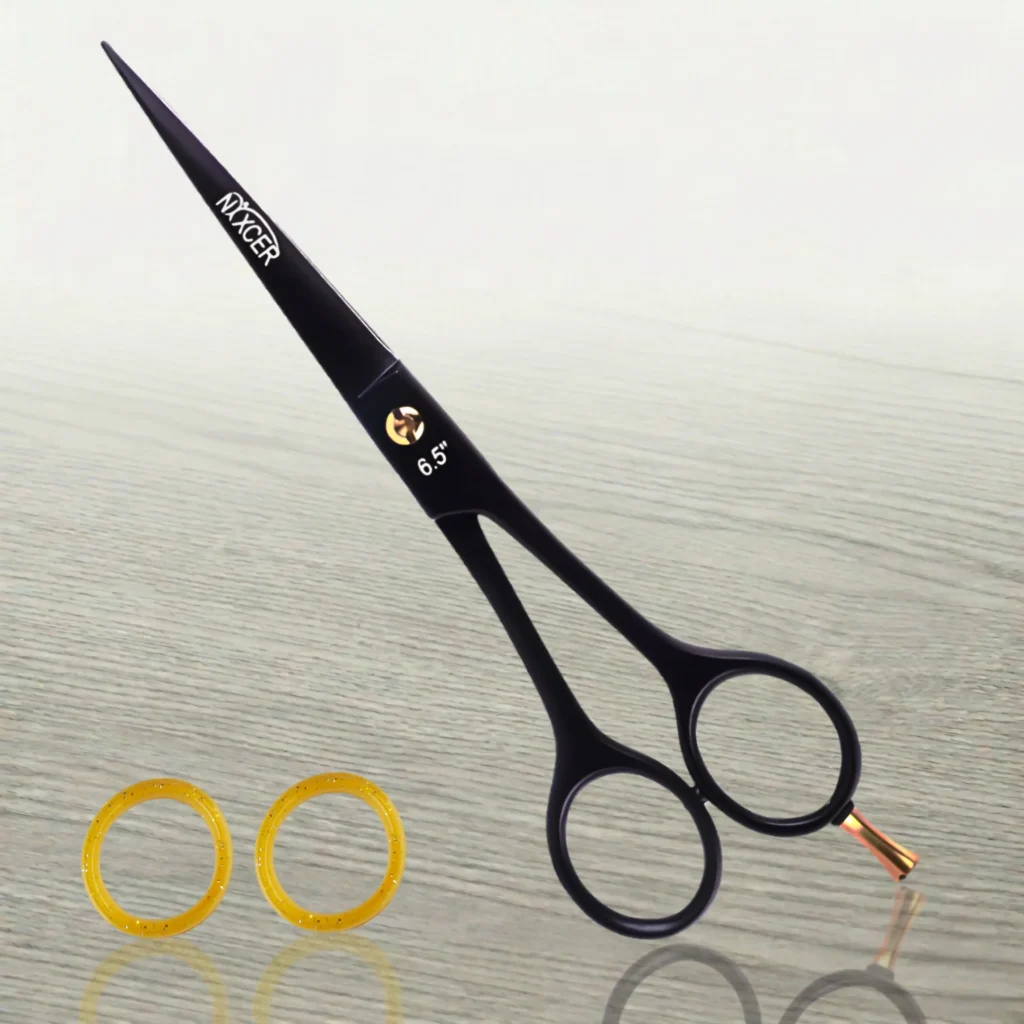
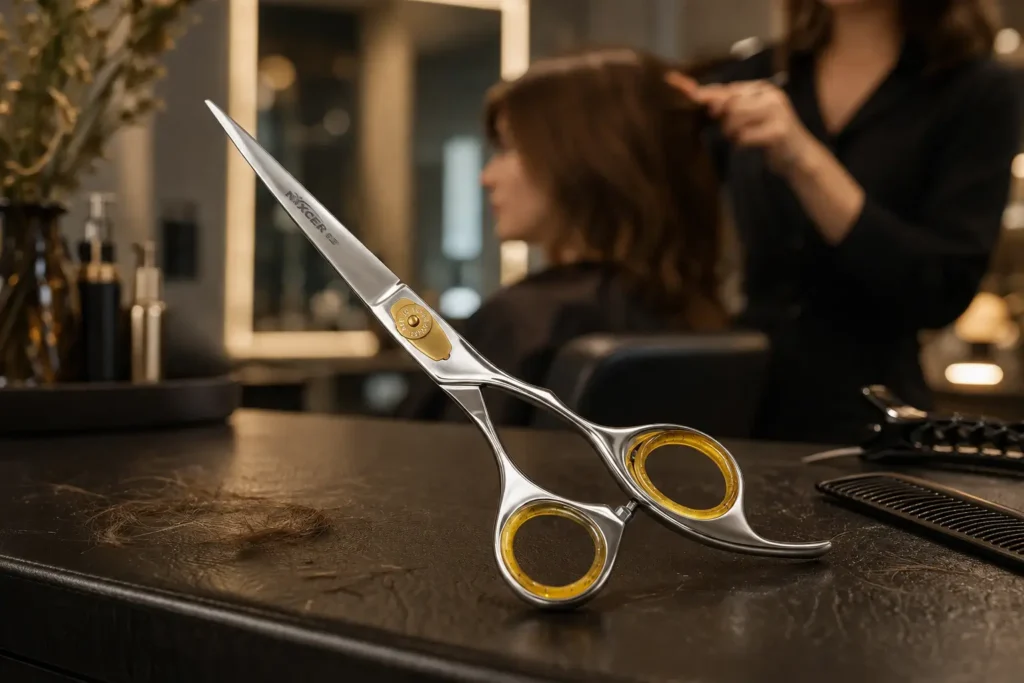
Dry cutting shows the truth of the hair. When a stylist cuts dry hair, the natural fall, texture, density, and movement are easier to see. That is why the best hair cutting scissors for dry cutting need a sharp blade, smooth glide, ergonomic comfort, and enough control for point cutting, slide cutting, and precision cutting.
At Nixceroutlet, the goal is to help barbers, stylists, and professional hair users choose the right shear, scissor, or pair of shears for dry cut work. Whether you need hair cutting shears for professionals, professional hair cutting shears, thinning shears, texturizing shears, or a sharp pair of scissors for home use, the right tools make cutting dry hair smoother and safer.
What Is Dry Cutting?
A dry cut is a haircut done when the hair is dry instead of wet. It lets the professional stylist see how the hair sits in real life.
Dry cutting shows natural movement
Dry hair reveals cowlicks, curls, waves, uneven density, and the way the haircut will actually fall after styling hair. Hairdressing scissors used dry should follow this natural movement instead of forcing it.
Dry cutting helps with detail
Dry cutting shears are often used for refinement, face framing, cutting curves, soft layers, and final polish.
Quick answer
The best hair cutting scissors for dry cutting are sharp, smooth, ergonomic, and built to glide through dry hair without drag.
Dry Cutting vs Wet Cutting
Wet cutting and dry cutting both matter. The right choice depends on the cutting style, hair type, and final result.
Wet cutting
Wet cutting is useful for clean structure, blunt lines, and controlled sections. Wet hair can make it easier to create a strong base.
Dry cutting
Dry cutting is useful for texture, curls, final refinement, and techniques on dry hair. It helps the stylist see the finished shape.
Wet or dry
Many professionals combine wet and dry hair methods. They build the foundation wet, then refine the shape dry.
Important note
If the goal is smoother cutting on natural movement, dry cutting scissors are often better than ordinary wet-cut shears.
Why Ordinary Scissors Struggle on Dry Hair
Dry hair has more resistance than wet hair. If the scissor is dull or poorly designed, the blade can drag, push, or fold the hair.
Drag can damage the ends
A dull blade can roughen the ends and create split-looking texture. A clean edge is essential for professional hair cutting.
Dry hair needs sharpness
Sharpness matters because dry strands do not compress the same way wet hair does. The blade must cut cleanly.
Control matters more
Dry cutting often uses visible finish work, so small mistakes are easier to see.
Tool rule
Use high-quality shears or professional hair scissors instead of household scissors for dry cutting.
Key Features of the Best Dry Cutting Shears
The best hair cutting shears for dry work should support glide, grip, comfort, and clean edges.
Convex blade
A convex blade is popular for slide cutting, point cutting, and dry refinement because it can glide smoothly through the hair.
Ergonomic handle
An ergonomic handle reduces hand fatigue during detailed salon or barber work.
Balanced tension
A smooth tension screw helps the blades open and close cleanly. Keep your shears adjusted so they do not fold the hair.
Japanese stainless steel
Japanese stainless steel, stainless steel hair cutting scissors, and best steel options are often valued for edge quality and smooth cutting performance.
Buying tip
Choose quality shears based on blade shape, steel, handle comfort, and your range of cutting techniques.
Best Scissor Lengths for Dry Cutting
Different lengths work for different types of hair cutting. Shorter shears give detail control, while longer shears help with broad motion.
5.5 inch scissors
Shorter shears around 5.5 inch are useful for detail work, short layers, point cutting, and precise face-framing.
6.0 to 6.5 inch scissors
A 6.0 to steel hair cutting scissors 6.5 length can be a strong all-around choice for dry cutting, shaping, and everyday salon work.
Longer shears
Longer shears are useful for scissor-over-comb, long slide cutting, and cutting larger sections in one smooth motion.
Simple rule
Choose shorter shears for detail and longer shears for reach.
Dry Cutting Techniques That Need the Right Shears
Dry cutting is not one single cutting technique. It includes several methods that need sharp, controlled shears.
Point cutting
Point cutting softens edges and removes heaviness without creating a hard line. It is one of the most common dry cutting techniques.
Slide cutting
Slide cutting creates movement and removes weight while the blade glides along dry hair.
Texturizing
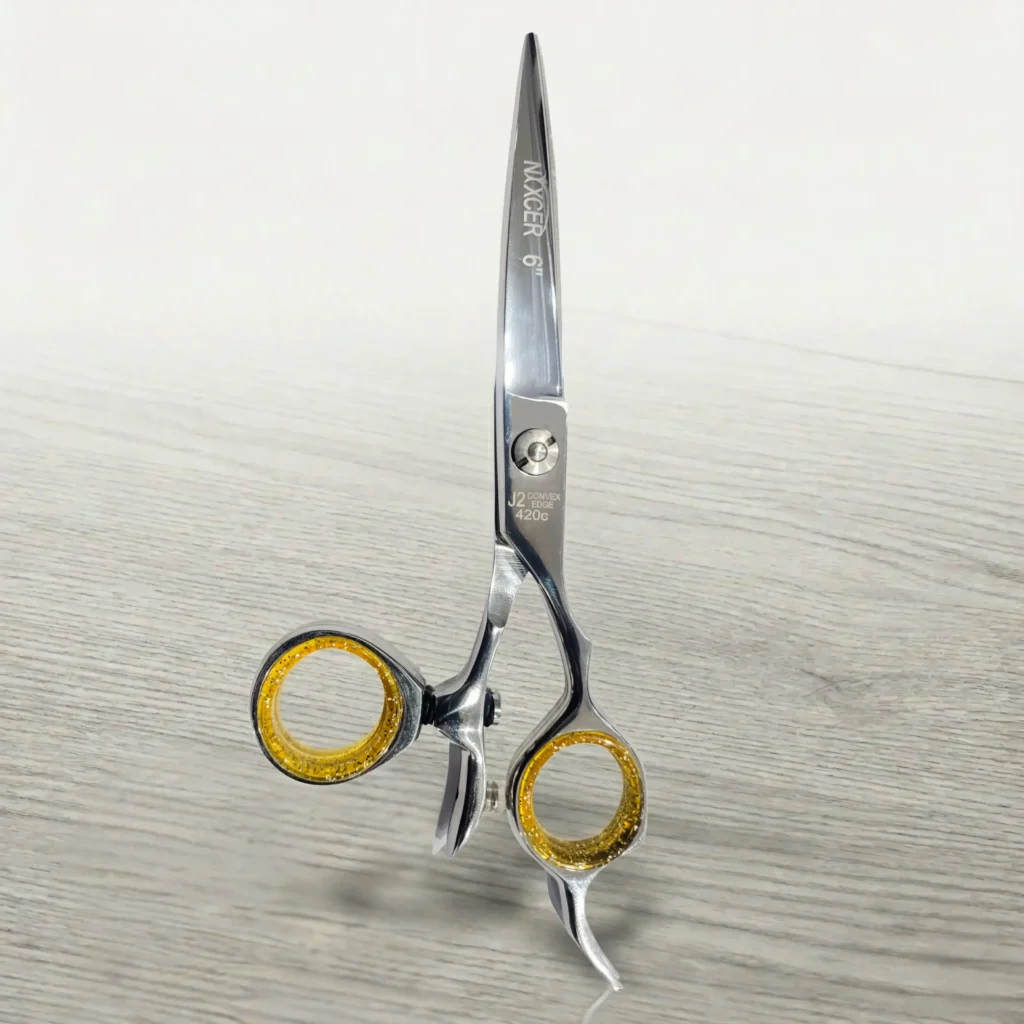
Texturizing helps create softness, shape, and volume. Texturizing scissors, texturizing shears, and swivel shears can help refine bulky areas when control and hand comfort matter.
Thinning
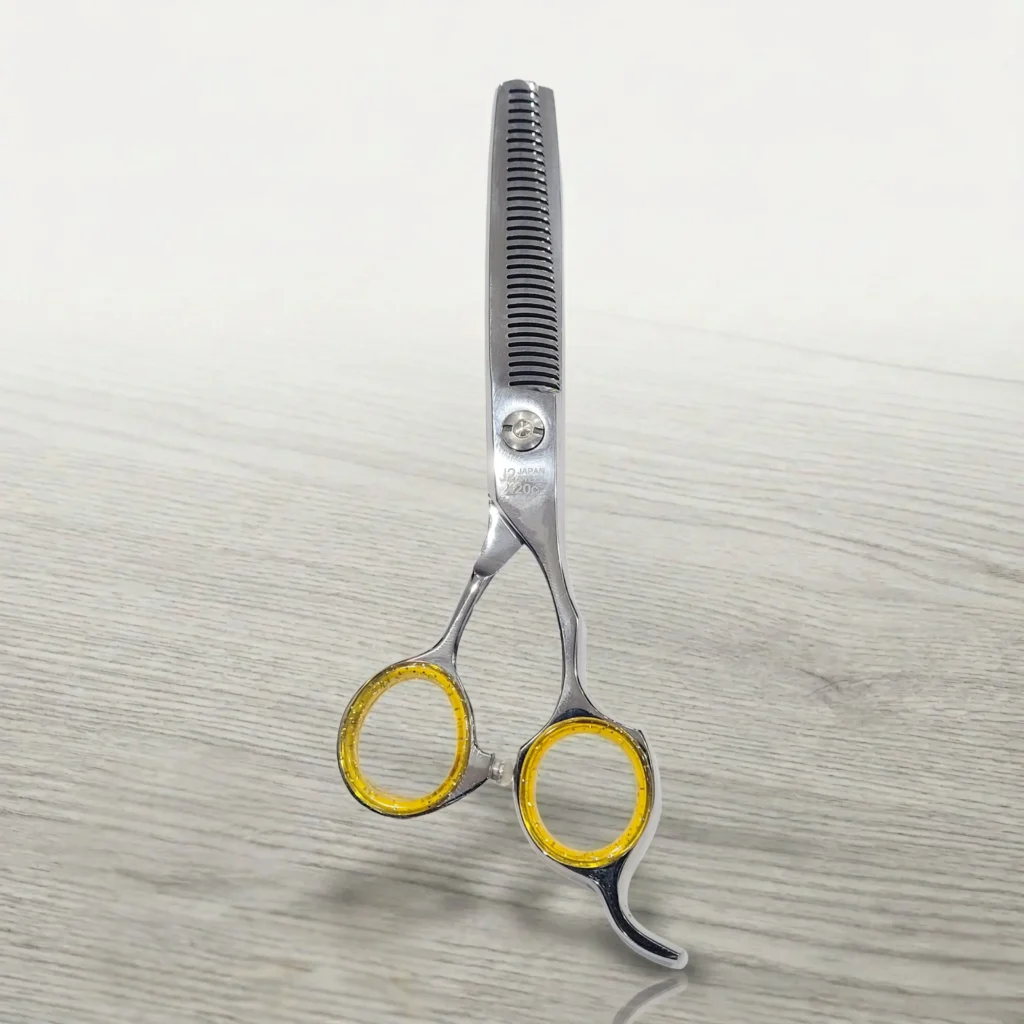
Thinning shears, thinning scissors, and hair thinning shears can reduce density, but they should be used carefully on dry hair.
Technique note
Dry cutting shears should feel smooth enough for slide cutting and sharp enough for point cutting.
Choosing Dry Cutting Shears by Hair Type
Different types of hair need different tools. The best shears for one hair type may not be right for another.
Fine hair
Fine hair needs precise, sharp scissors. Avoid heavy thinning because it can make the ends weak.
Thick hair
Thick hair may need stronger dry cutting shears, texturizing shears, or thinning shears for controlled weight removal.
Curly hair
Curly hair often benefits from dry cut work because the curl pattern is visible.
Different types of hair
Different types of hair respond differently to dry cutting. A stylist should match the tool and method to the natural texture.
Hair type rule
Choose the right shear based on hair type, density, and the final cutting style.
Professional Dry Cutting Scissors vs Shears for Home
Professional hair cutting scissors are built for repeated use. Shears for home can still work for small trims, but they should be sharp and made for hair.
Professional hair cutting scissors
Professional hair cutting scissors and professional shears are designed for salon accuracy, smooth cutting, and comfort. Shears professional users choose should match the work they do most.
Shears for home
Shears for home should be used for light trimming only. A set of scissors may help beginners, but one sharp pair of scissors or pair of hair scissors is often better than a cheap kit.
Professional hair shears
Professional hair shears, barber scissors, and barber shears give better control than ordinary cutting scissors.
Safety rule
Do not use dull household scissors to cut hair dry.
Popular Dry Cutting Scissor Examples
Search results often mention professional dry cutting tools such as Sam Villa dry cutting shears, Olivia Garden Dry Cut PRO, Butter dry slide shears, and Japanese scissors built for dry work. These examples show what buyers look for: glide, convex edge, ergonomic comfort, and dry-hair control.
Equinox International Professional
Equinox International Professional scissors are often searched by home users and budget buyers looking for accessible haircutting tools.
Utopia Care Professional Hair Cutting
Utopia Care Professional Hair Cutting scissors are also searched by buyers comparing affordable tools for basic trimming.
ULG Hair Cutting
ULG hair cutting scissors appear in budget and at-home searches, but professional stylists usually compare steel, tension, and edge quality before buying.
Best sellers
Best sellers and best-selling hair tools can be useful to review, but popularity alone does not prove the best hair cutting scissors for your hand.
Brand note
The best professional hair tool is the one that fits your technique, not only the one with the most reviews.
Nixceroutlet Tools for Dry Cutting
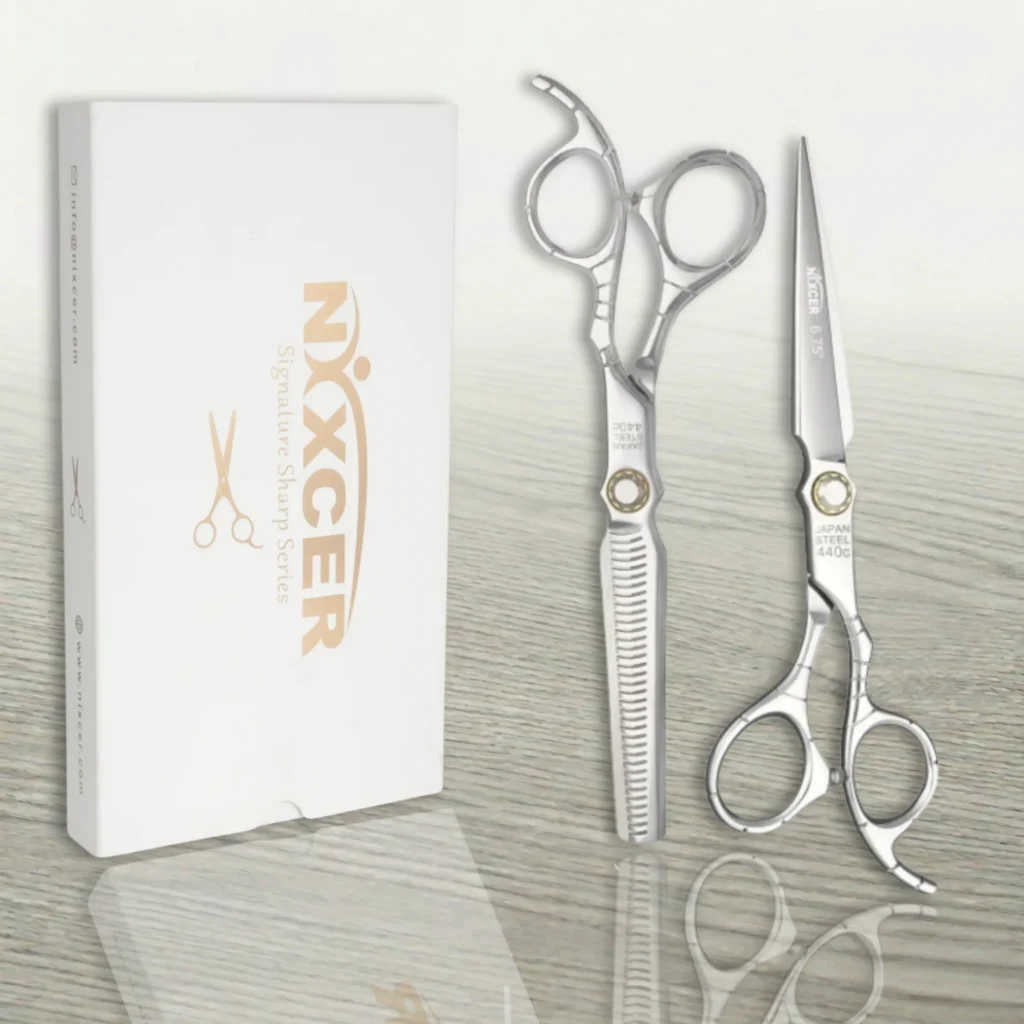
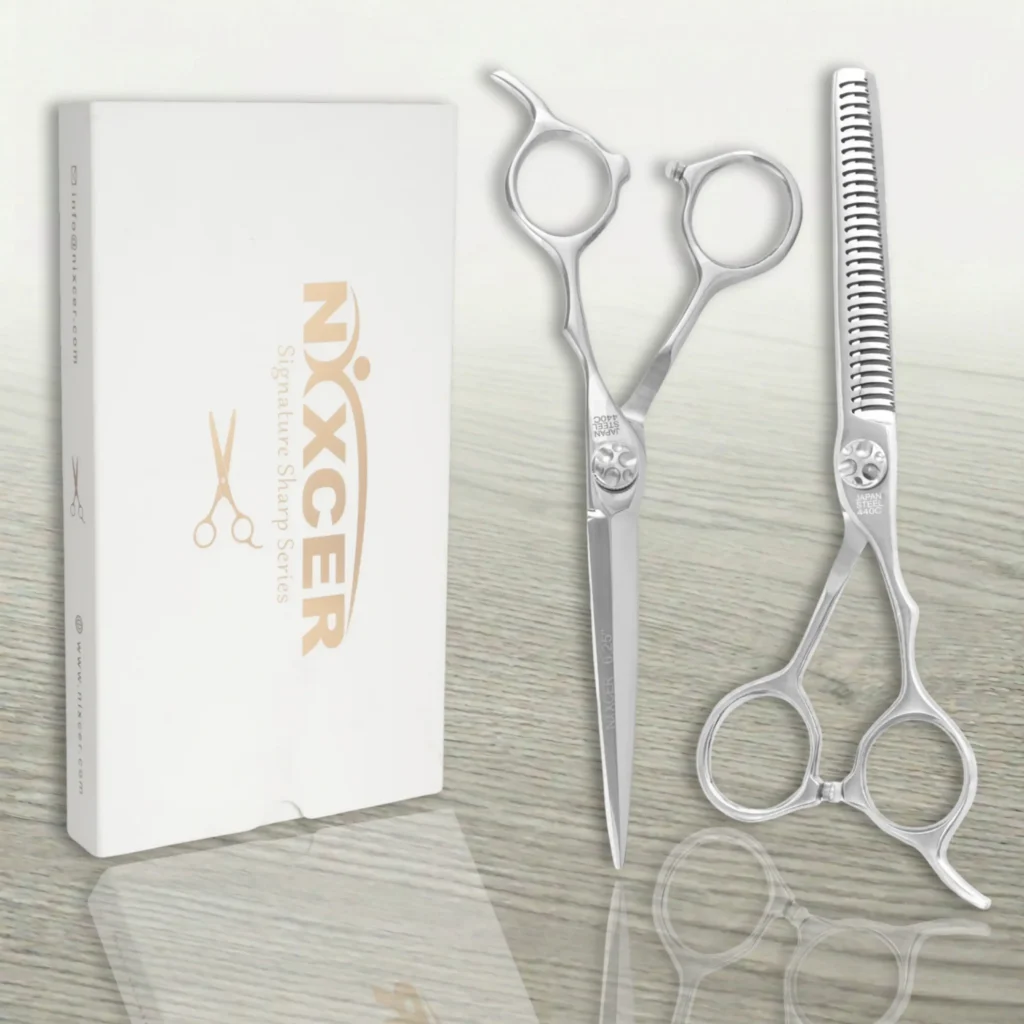
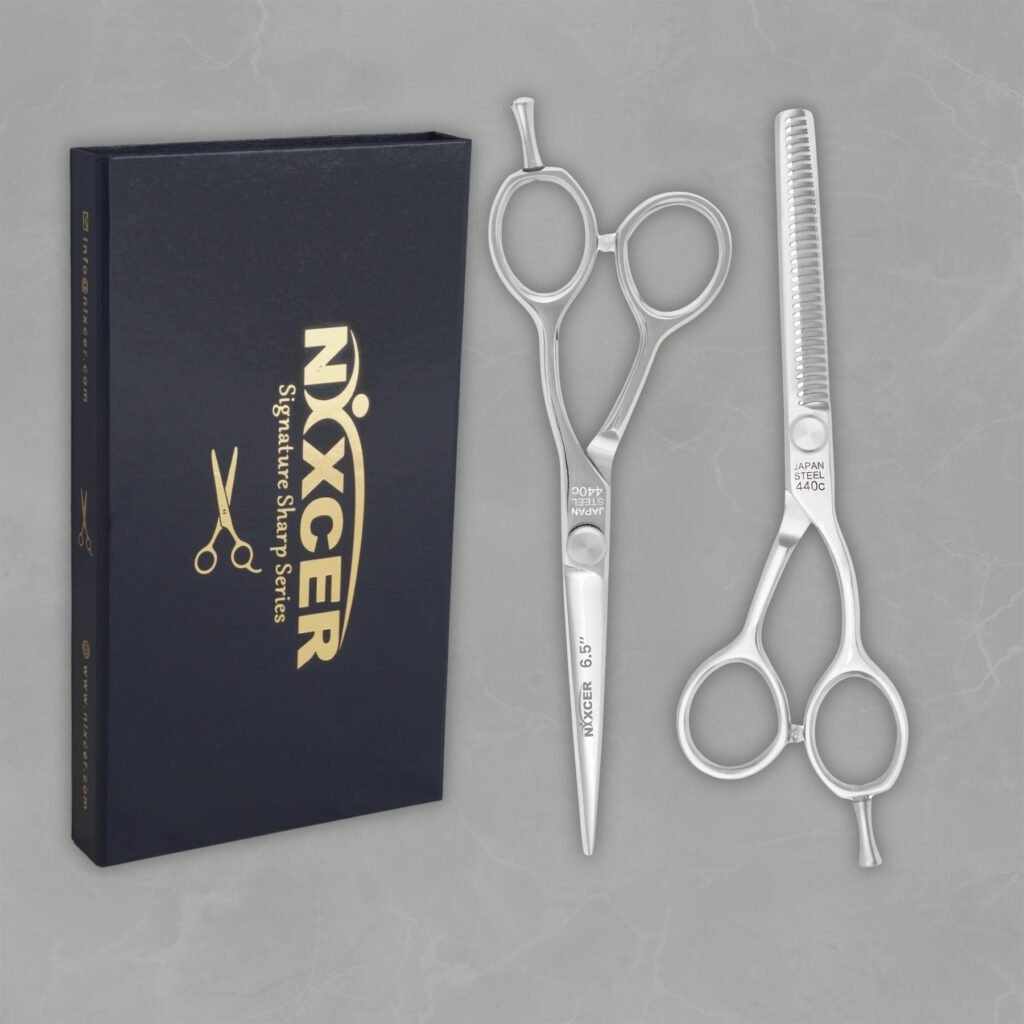
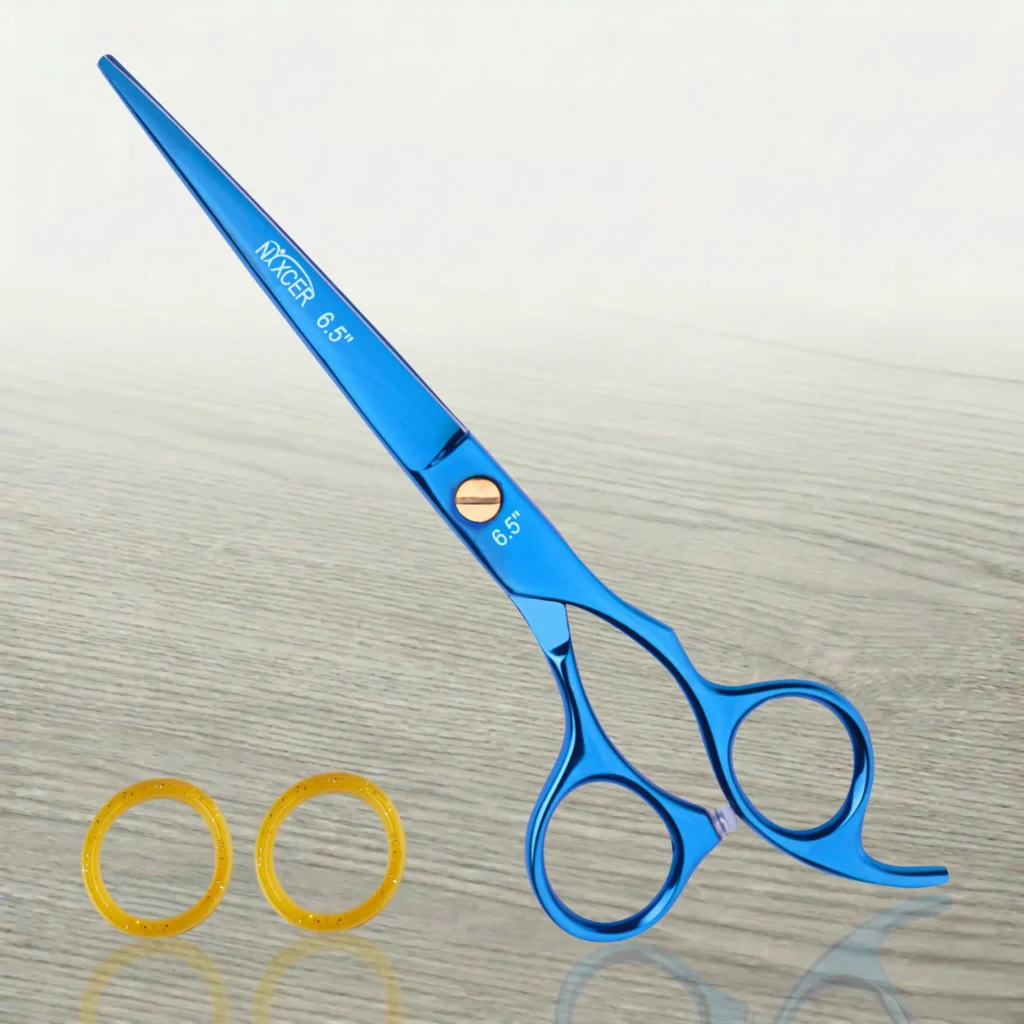
For dry cutting, start with sharp hair cutting scissors and choose thinning or texturizing tools only when the haircut needs refinement. You can compare options on the Nixcer Outlet shop
Professional razor edge series
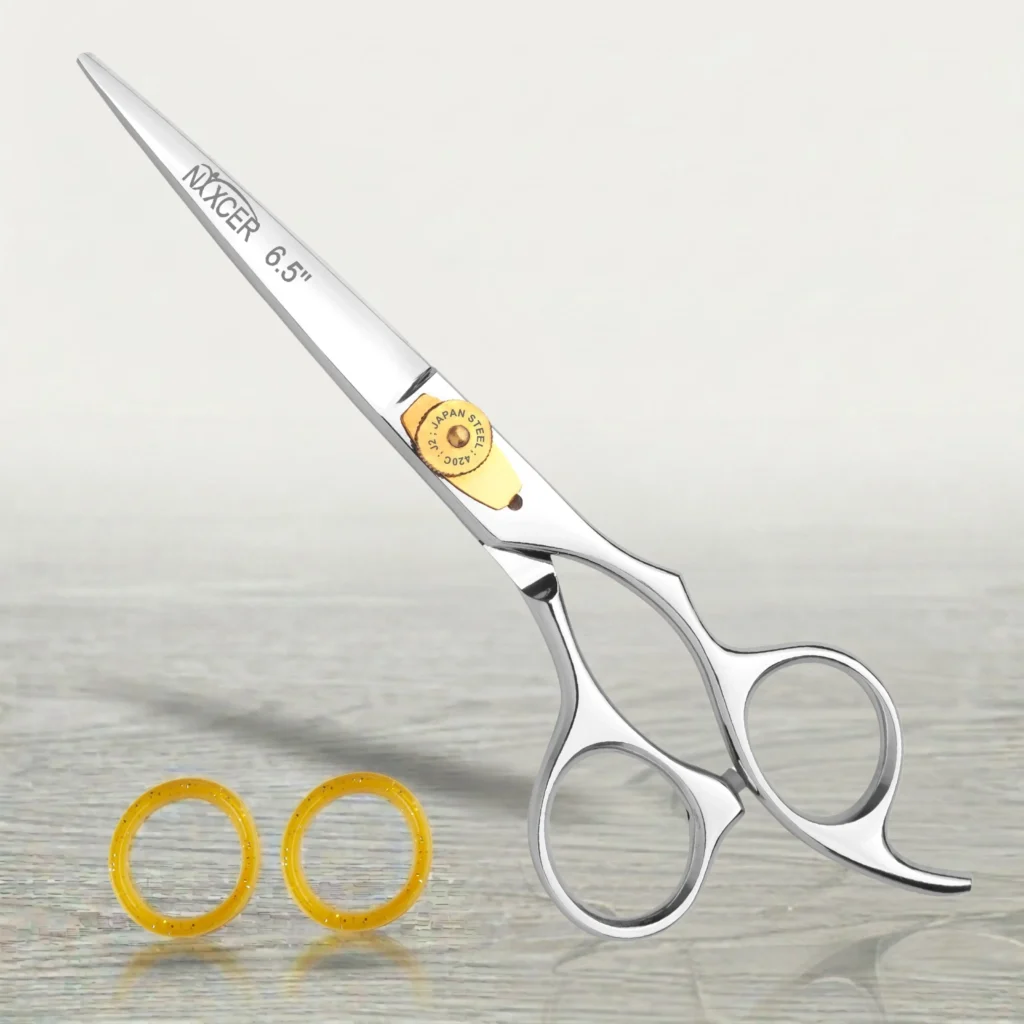
The Professional Sharp Series Razor Edge Hair Cutting Scissors can support dry cut refinement, point cutting, and everyday salon work.
For thinning and texture
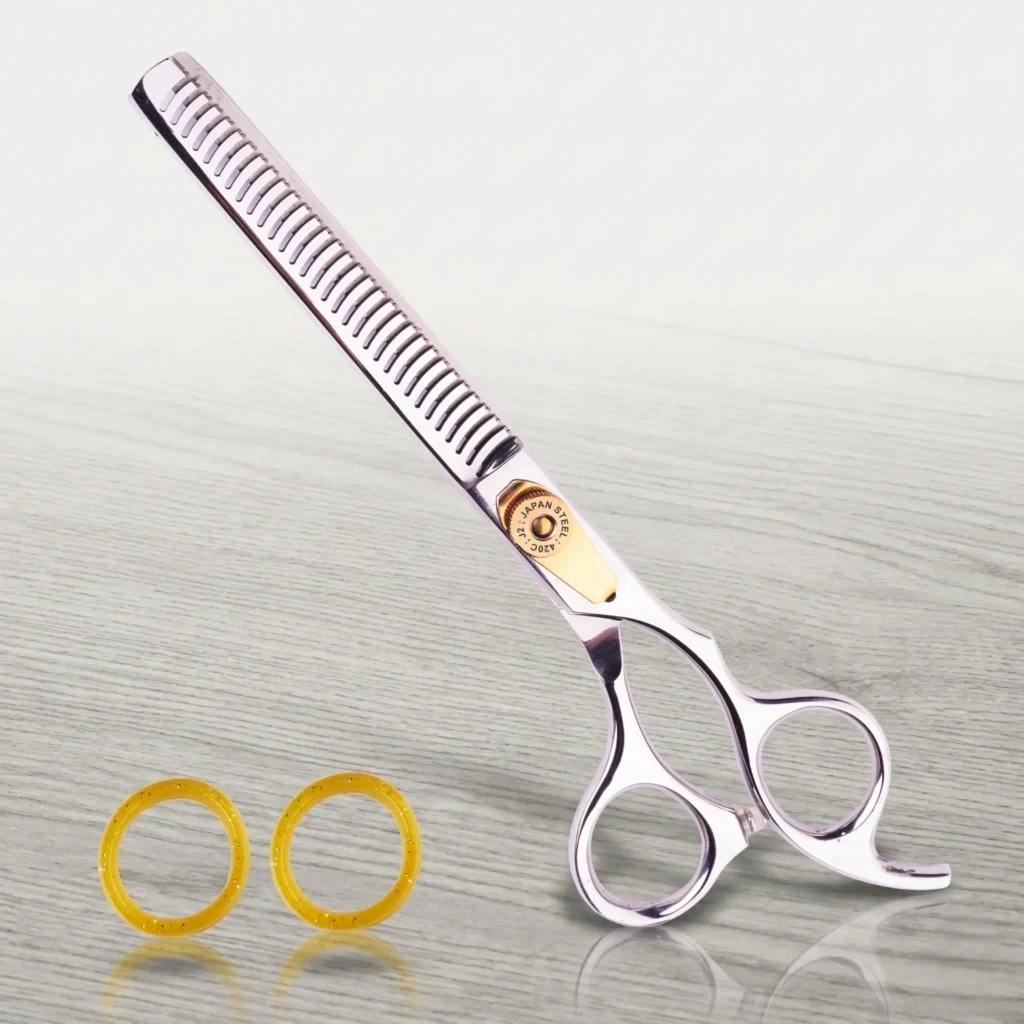
The Nixcer Professional Series Hair Thinning Scissors can help with hair thinning and controlled texture after the main shape is finished.
Buying note
Choosing the right shears means checking sharpness, balance, comfort, and whether you cut wet and dry hair. Quality shears made for dry work are perfect for cutting hair when natural movement matters.
How to Maintain Dry Cutting Shears
Dry cutting puts pressure on the edge. Clean your shears and store them properly to keep performance consistent.
Clean after every cut
Clean your shears after cutting to remove hair, product, and moisture.
Check tension
Keep your shears adjusted. Poor tension can fold hair instead of cutting it.
Sharpen professionally
A sharp pair of scissors should be sharpened by someone who understands professional hair tools.
Care tip
High-quality shears last longer when cleaned, oiled, and stored in a case.
Final Thoughts
The best hair cutting scissors for dry cutting should glide through dry hair, support precision cutting, and feel comfortable in the hand. Look for a sharp convex blade, ergonomic handle, smooth tension, and a size that matches your technique.
For a barber or professional stylist, dry cutting shears are worth choosing carefully because they affect finish, movement, and client comfort. For home users, start with sharp hair scissors and simple trims. The right shears make dry cutting smoother, cleaner, and more controlled.
FAQs
What are the best hair cutting scissors for dry cutting?
The best hair cutting scissors for dry cutting are sharp, ergonomic, smooth, and designed to glide through dry hair without drag.
Can I use wet cutting shears for dry cutting?
You can, but dedicated dry cutting shears often work better for slide cutting, point cutting, and techniques on dry hair.
Are thinning shears good for dry hair?
Thinning shears can help thick hair, but they should be used carefully to avoid removing too much density.
What size scissors are best for dry cutting?
5.5 inch scissors are good for detail, while 6.0 to 6.5 inch and longer shears can help with broader cutting.
Should I cut hair wet or dry?
Wet cutting is useful for structure. Dry cutting is useful for natural movement, texture, curls, and final refinement.