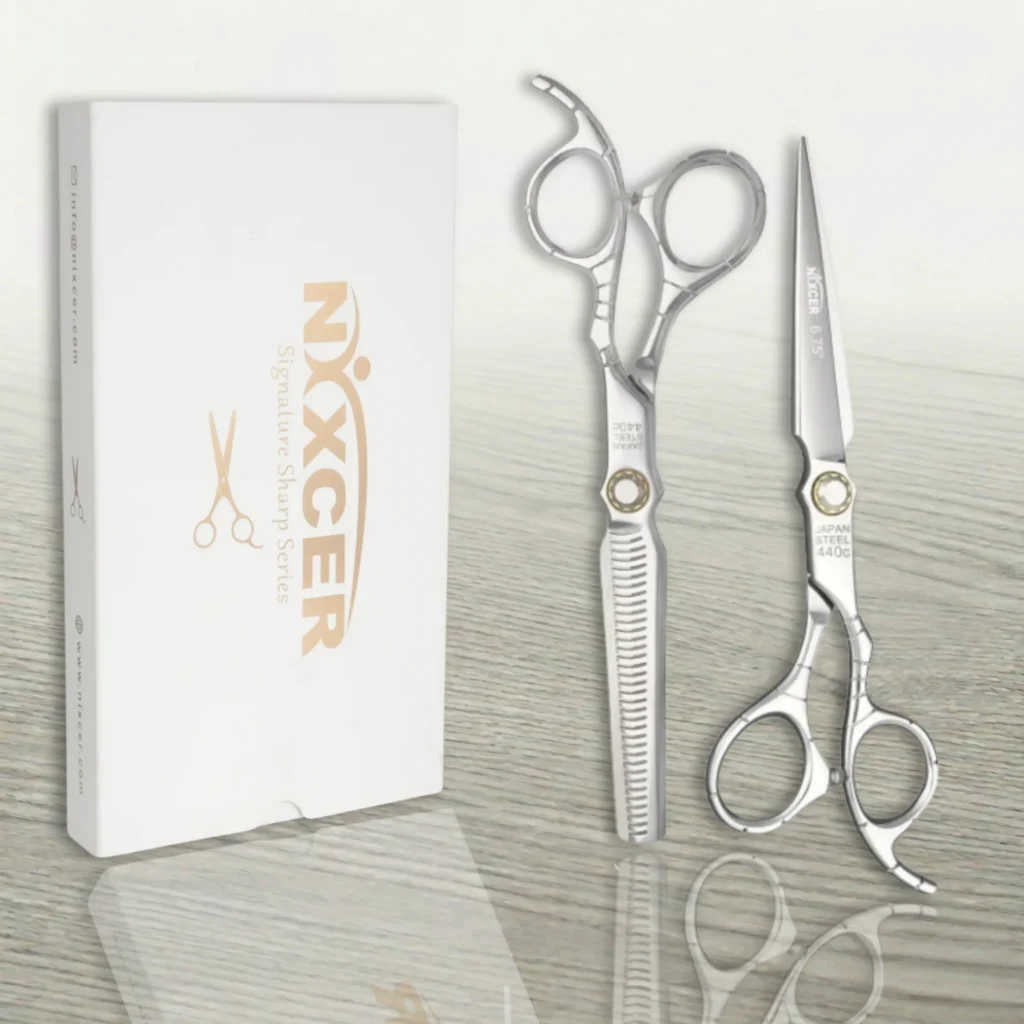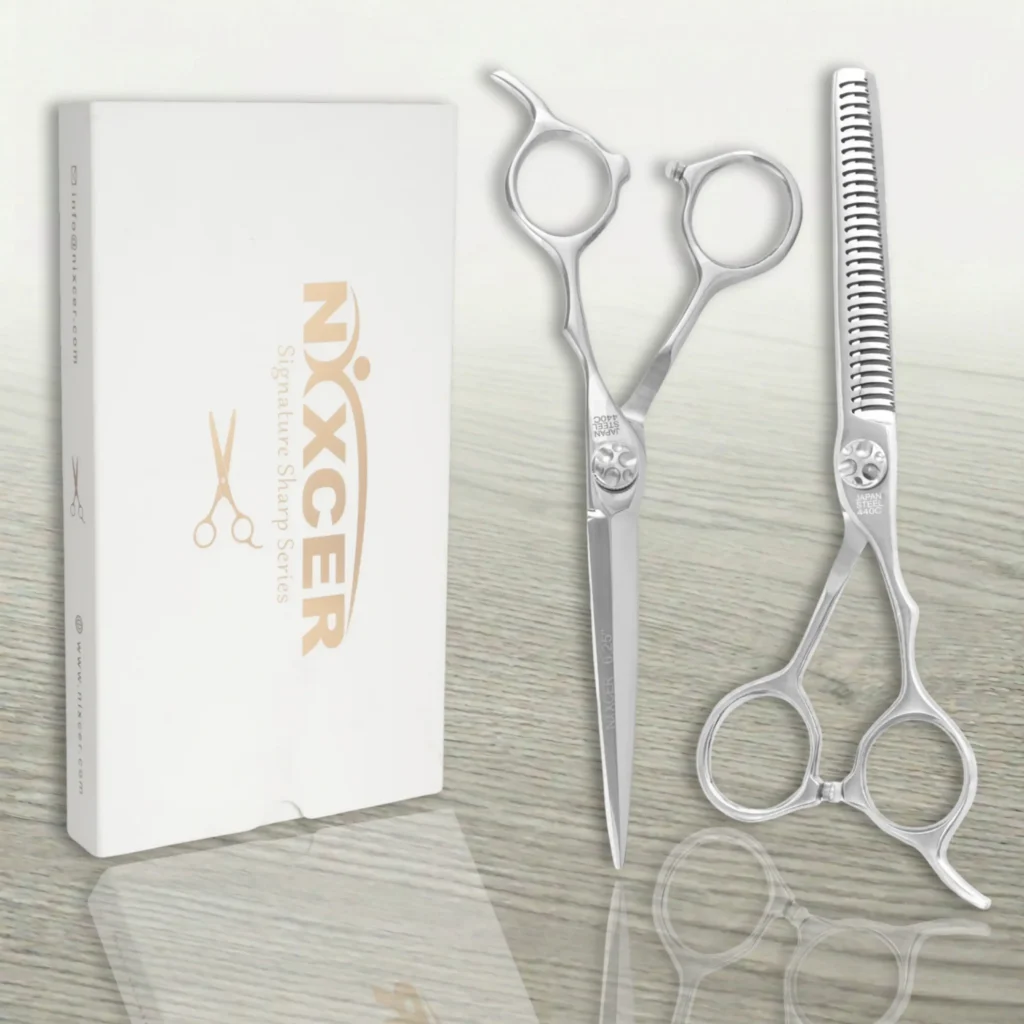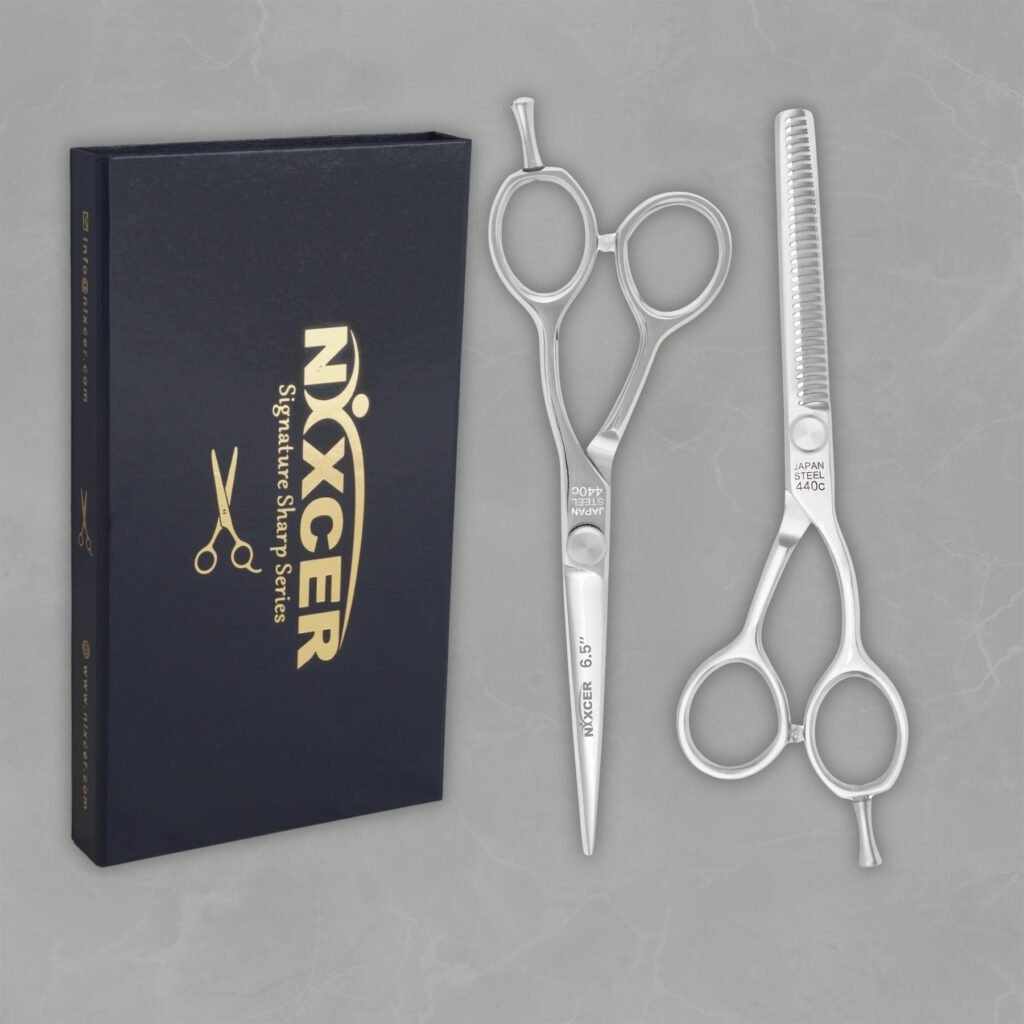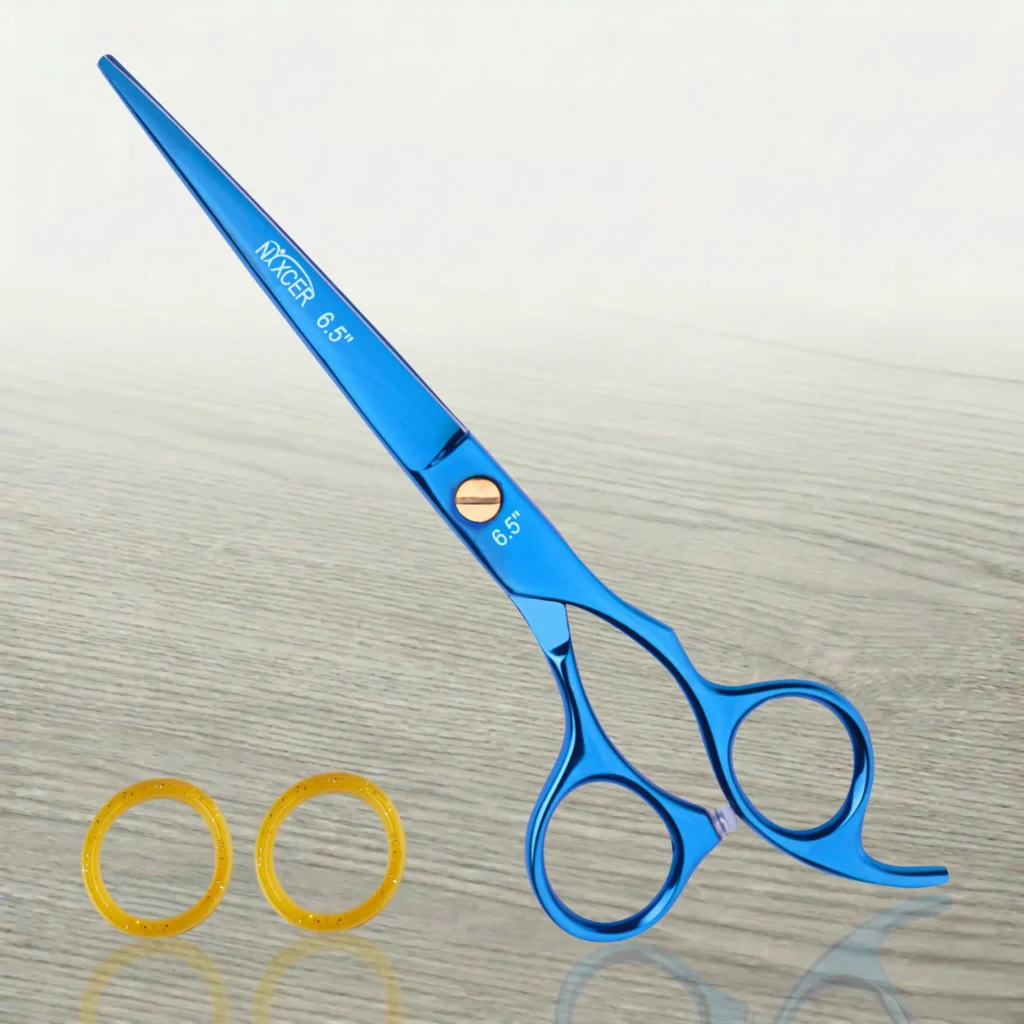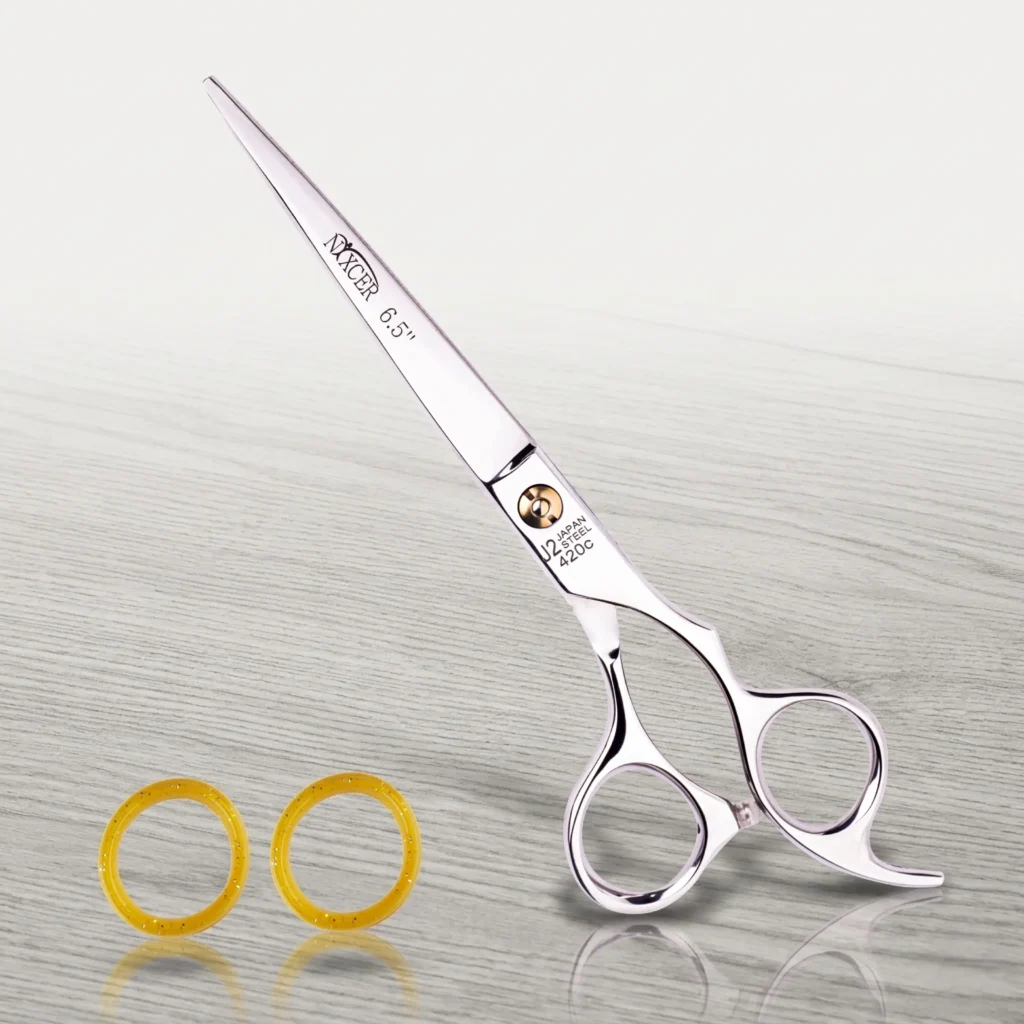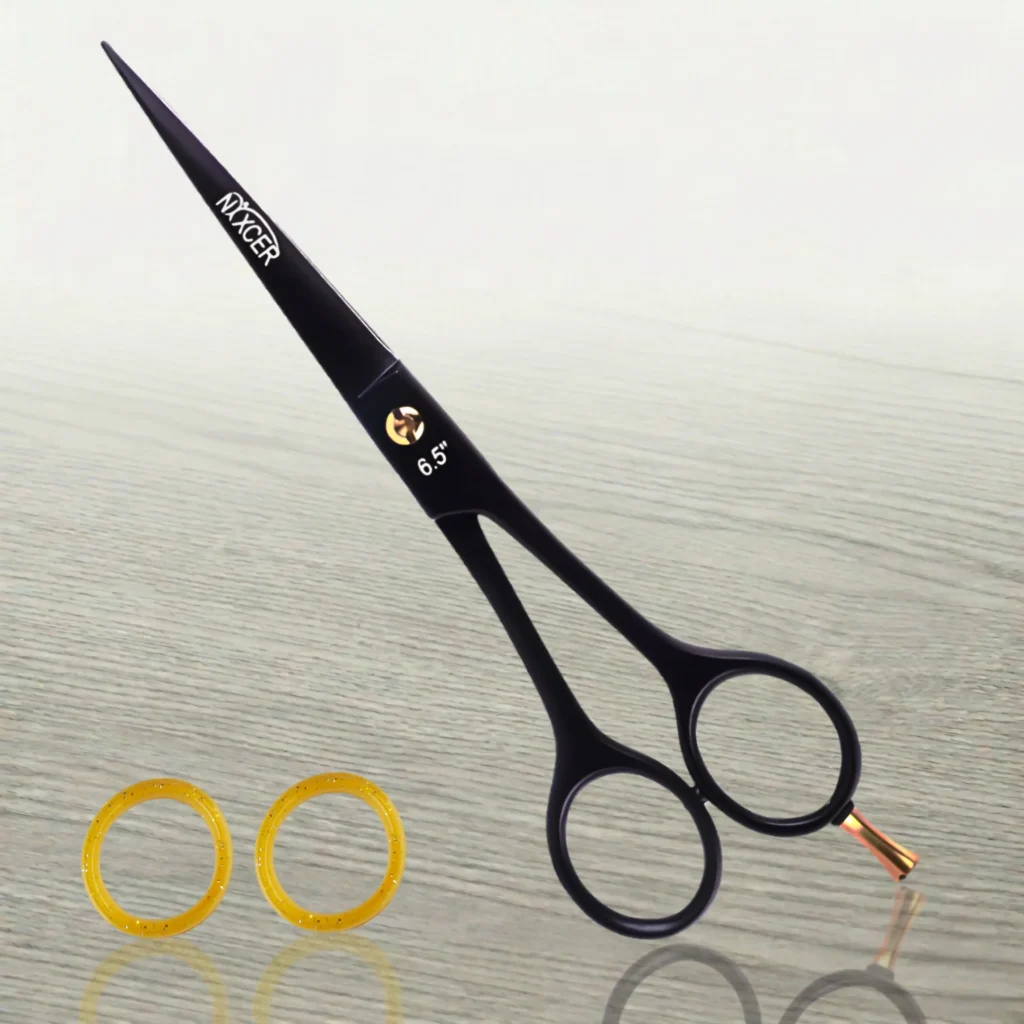
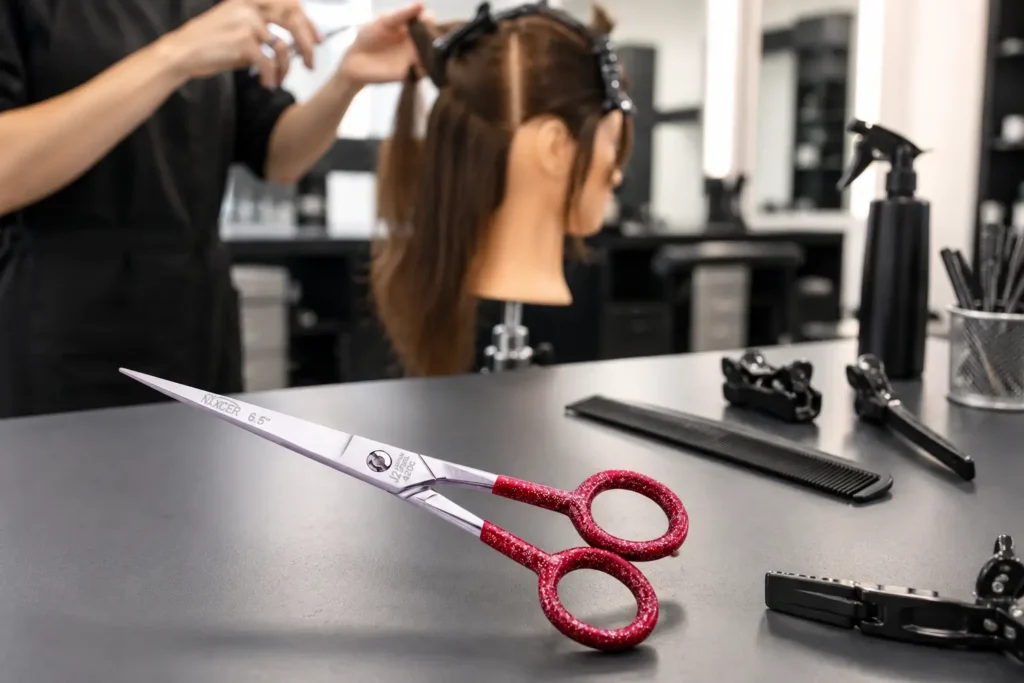
Choosing your first scissor can feel confusing when every product claims to be professional, premium, or salon ready. A beginner does not need the most expensive shear on the shelf. A student needs hair cutting scissors that feel comfortable, cut cleanly, and help build skill without making every mistake worse. At Nixceroutlet, the goal is to help every new stylist, hairstylist, and barber choose the right hair scissors, hair shears, and hair cutting shears for practice, school, and careful hair at home trims.
The short answer is this: most beginners should start with a sharp, durable, stainless or 440C-style steel pair around 5.5 inch to 6.5 inch, plus basic thinning scissors if their class kit requires it. The tool should have a comfortable handle, smooth screw tension, a clean blade edge, and enough sharpness for consistent cutting hair practice.
What Beginners Actually Need in Hair Cutting Scissors
Beginners need control more than luxury. The best first pair should teach good technique, hold a usable edge, and feel safe during trimming, section work, and straight across practice.
A comfortable pair
A good pair of scissors should fit your hand without forcing the wrist. If the handle feels awkward, every cut becomes harder.
A clean blade
The blade should cut hair cleanly instead of folding or pushing it. A sharp edge helps prevent split ends and rough results.
A forgiving size
Most students do well with 5.5 inch or 6 inch shears. Shorter shears help detail work, while longer shears can help with barber work and broader sections.
Beginner rule
Start with one reliable cutting shear before buying a large kit.
Best Hair Cutting Scissors for Beginners and Students: Buying Factors
The best hair cutting choice depends on comfort, size, steel, edge type, and learning goals. Do not choose only by color, cheap price, or best sellers lists.
Steel quality
Steel matters because beginners practice often. Japanese steel, german steel, and high-quality stainless options can all work when the blade is sharpened well.
Convex or bevel edge
A convex edge gives smooth cutting and clean precision. A bevel edge can feel more forgiving for a beginner, especially during basic haircut practice.
Handle and screw
The handle should feel natural, and the screw should keep tension stable. A loose screw can make the scissors bend hair instead of cutting it.
Shopping rule
Choose the tool that helps your hand stay relaxed and your cut stay clean.
What Size Scissors Should a Beginner Choose?
Scissor length is measured in inch from the tip to the end of the handle. Size affects balance, control, and the type of haircut you can practice.
5.5 inch scissors
5.5 inch hairdressing scissors are a safe choice for detail, point work, face framing, and smaller hands. They help new users learn precision without feeling oversized.
6 inch scissors
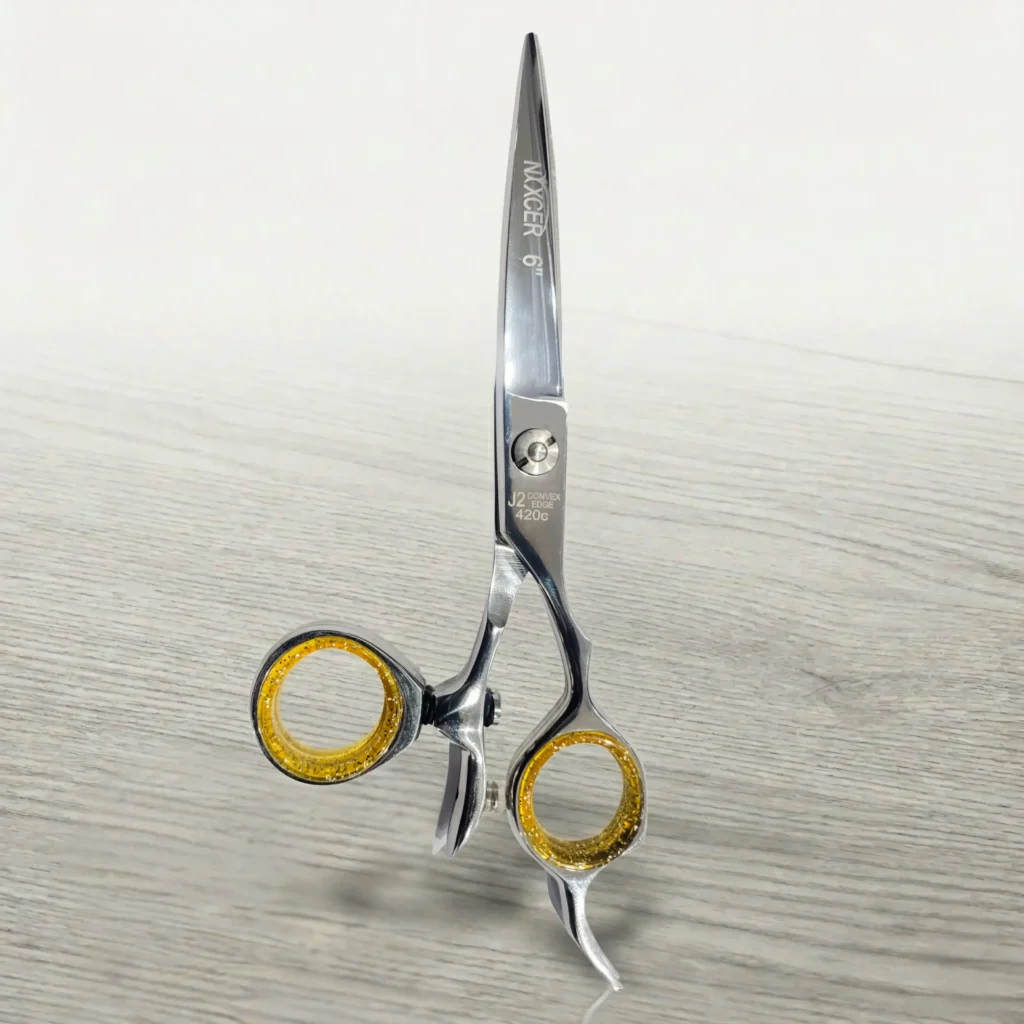
A 6 inch shear is a useful middle ground. It works for section cutting, basic layering, blunt lines, and early barbering practice.
6.5 inch scissors
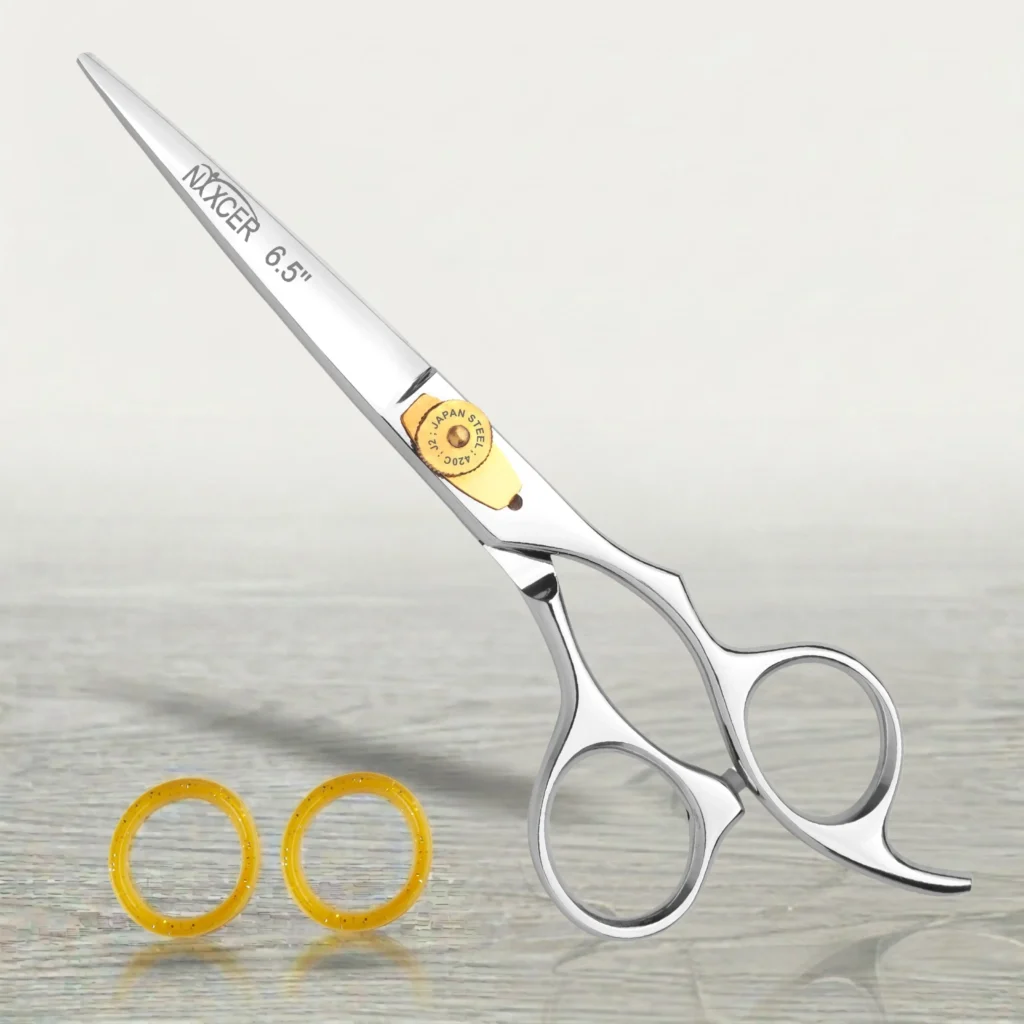
6.5 inch barber shears can help with scissor over comb and longer sections, but they may feel too large for some beginners. Choose them only if they fit your hand and training goals.
Size rule
If you are unsure, choose 5.5 to 6 inch before jumping to longer shears.
Cutting Shears vs Thinning Scissors vs Texturizing Shears
A student kit may include different tools. Each one has a job, and using the wrong tool can damage the end result.
Cutting scissors
Cutting scissors are the essential tool. They create the main haircut shape, trim length, and build basic technique.
Thinning scissors
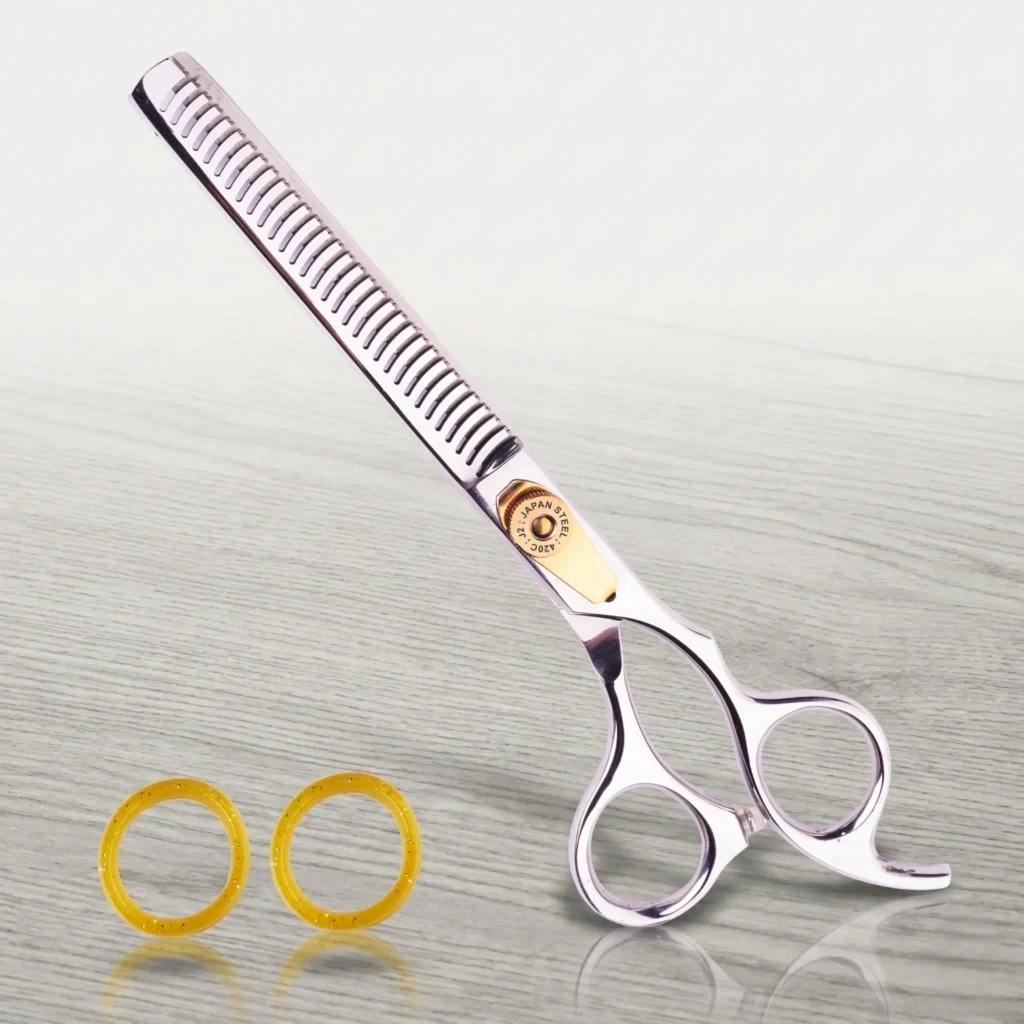
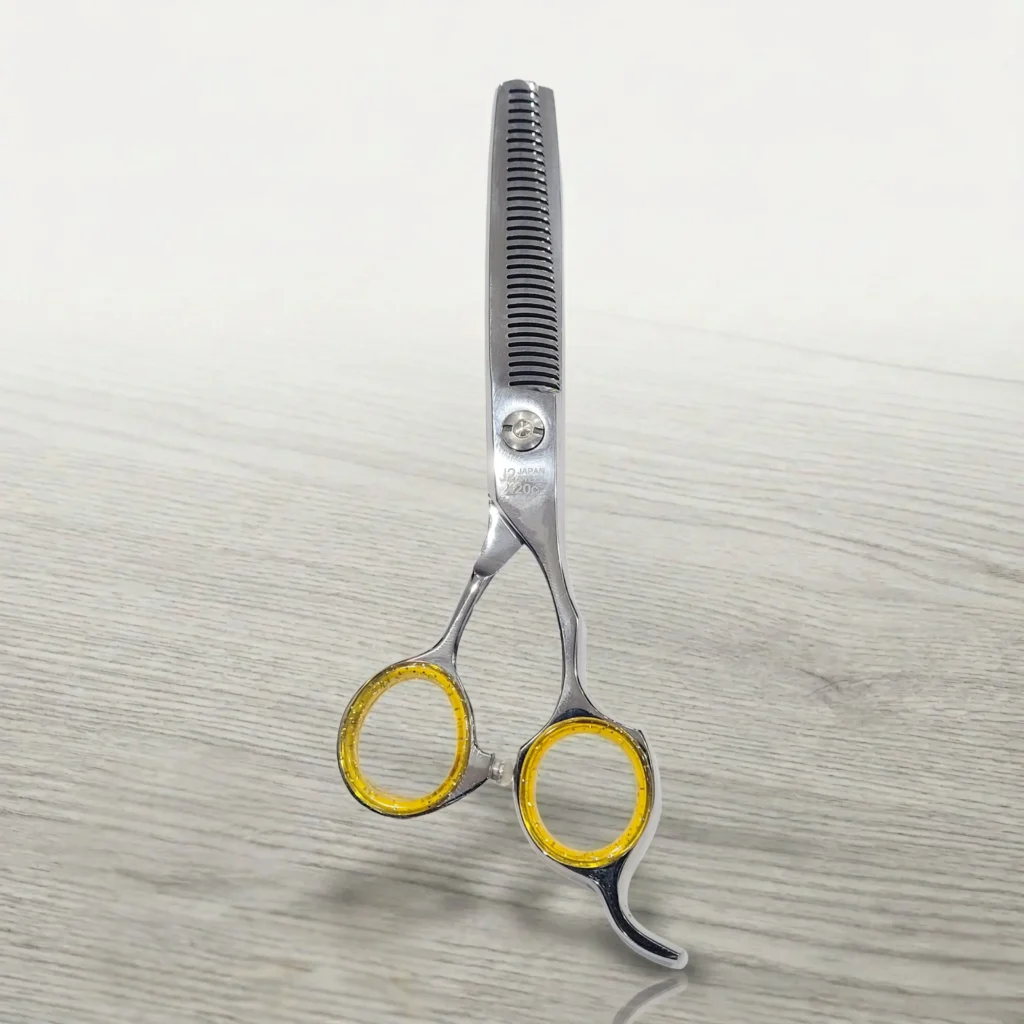
Thinning scissors remove weight with teeth. They are helpful for blending, but a beginner should use them carefully.
Texturizing shears
Texturizing shears create movement and softness. Most beginners do not need advanced texturizing shears until they understand section control and natural fall.
Tool rule
Your first essential tool is a good cutting shear. Add specialty tools later.
Why Cheap or Dull Scissors Cause Problems
Cheap scissors can look tempting, but they often teach bad habits. Dull tools make a beginner squeeze harder, repeat cuts, and lose confidence.
Dull blades create split ends
A dull blade can crush the hair instead of cutting it. That can make the haircut look rough even when the section is correct.
Cheap scissors lose sharpness quickly
Very cheap scissors may not stay sharp. A student can save money at first but spend more replacing tools later.
Household scissors are not hair scissors
Do not use kitchen or craft scissors for home haircutting. Hair scissors are designed for clean hair cutting and smoother control.
Quality rule
A simple high-quality student shear beats a flashy dull tool every time.
How to Choose Beginner Scissors for Hair at Home
Hair at home trims should be simple. If you cut their hair or your own hair at home, use the right tool, small sections, and conservative technique.
Start with clean dry hair
Clean hair is easier to section. Dry hair shows the natural shape and helps avoid cutting too much length.
Use a comb and clips
A comb, clips, and clear sections help create consistent results. Do not rush through large pieces of hair.
Trim less first
The safest tip is to trim less than you think. You can always cut more, but you cannot put length back.
Home rule
At-home work should focus on small trims, not major style changes.
Student Hairdressing Kit Essentials
A beginner hairdressing kit does not need to be crowded. Students need essential tools that support practice and good habits.
Main cutting shear
Choose one reliable main shear for everyday class work. It should be sharp, durable, and comfortable.
Thinning or blending tool
Many schools ask for one thinning scissor or blending shear. Check your class product list before buying.
Comb and maintenance items
A comb, case, oil, and cleaning cloth help protect the blade and screw. Maintenance keeps scissors consistent.
Kit rule
Buy fewer tools, then learn to maintain them well.
Beginner Cutting Technique Tips
The best shears help, but technique makes the haircut. Students should practice slow, clean movement before speed.
Control your section
A clean section gives better accuracy. Hold the hair with steady tension before you cut.
Use the tip for detail
The tip of the blade helps detail work around the hairline, bangs, and small corrections.
Check the end result
After each section, check the end of the hair for balance. Small checks create consistent results.
Technique rule
Slow cutting builds skill faster than rushed cutting.
Nixceroutlet Product Links for Beginners
Nixceroutlet offers hair cutting scissors, hair shears, hair cutting shears, barber scissors, and hairdressing shears for students, beginners, stylists and barbers. Browse current options on the Nixcer Outlet shop.
For everyday beginner cutting
The Professional Sharp Series Razor Edge Hair Cutting Scissors can support professional hair cutting practice, trim work, and basic salon technique.
For controlled blending
The Nixcer Professional Series Hair Thinning Scissors can help students practice blending once they understand basic cutting hair control.
Internal linking note
Keep product links limited so beginners can focus on choosing the right first tool.
Best Sellers vs the Right First Pair
Best sellers can help you discover popular products, but popularity does not guarantee the right fit. A beginner should choose by comfort, sharpness, steel, length, and learning needs.
When best sellers help
Best sellers can show what other students buy. They are useful for comparing price, reviews, and common features.
When to ignore best sellers
If a product is too long, too heavy, or too dull for your hand, skip it. Your first pair should match your skill level.
Professional upgrade path
As your skill grows, you can upgrade to premium Japanese convex shears, specialty barber shears, or sharper precision tools.
Buying rule
The best beginner scissor is the one you can control every day.
Care and Sharpness for Student Scissors
Beginner scissors need care because practice creates daily wear. Good maintenance keeps the blade sharp and smooth cutting consistent.
Clean after practice
Wipe the blade after use. Hair, moisture, and product buildup can affect sharpness.
Oil the screw area
A small amount of oil helps the screw and pivot move smoothly. Smooth movement makes cutting feel easier.
Schedule sharpening
Do not wait until the blade is dull. Professional sharpening protects the edge and helps the scissors last.
Care rule
A maintained student shear cuts better than an expensive neglected one.
Frequently Asked Questions
What are the best hair cutting scissors for beginners?
The best beginner scissors are comfortable, sharp, durable, and easy to control. For many students, 5.5 inch or 6 inch stainless shears are a smart first choice.
Should beginners buy professional scissors?
Yes, but professional does not have to mean expensive. A simple professional student shear is better than cheap household scissors.
Do students need thinning scissors?
Many hairdressing schools require thinning scissors. If your kit list includes them, choose a basic pair, check the tooth count, and learn the technique slowly.
Can I cut hair at home as a beginner?
You can do small trims at home with proper hair scissors, a comb, clean sections, and patience. Avoid major style changes until you have more skill.
What makes scissors good for students?
Good student scissors have a comfortable handle, sharp blade, reliable screw tension, durable steel, and enough control for consistent practice.
Final Thoughts
The best hair cutting scissors for beginners and students are not the flashiest tools. They are the shears that help you learn clean sectioning, safe cutting, proper trim work, and consistent technique.
Start with a high-quality cutting shear, add thinning scissors only when needed, and maintain your tools carefully. With the right pair, every practice haircut becomes a little easier and more professional.