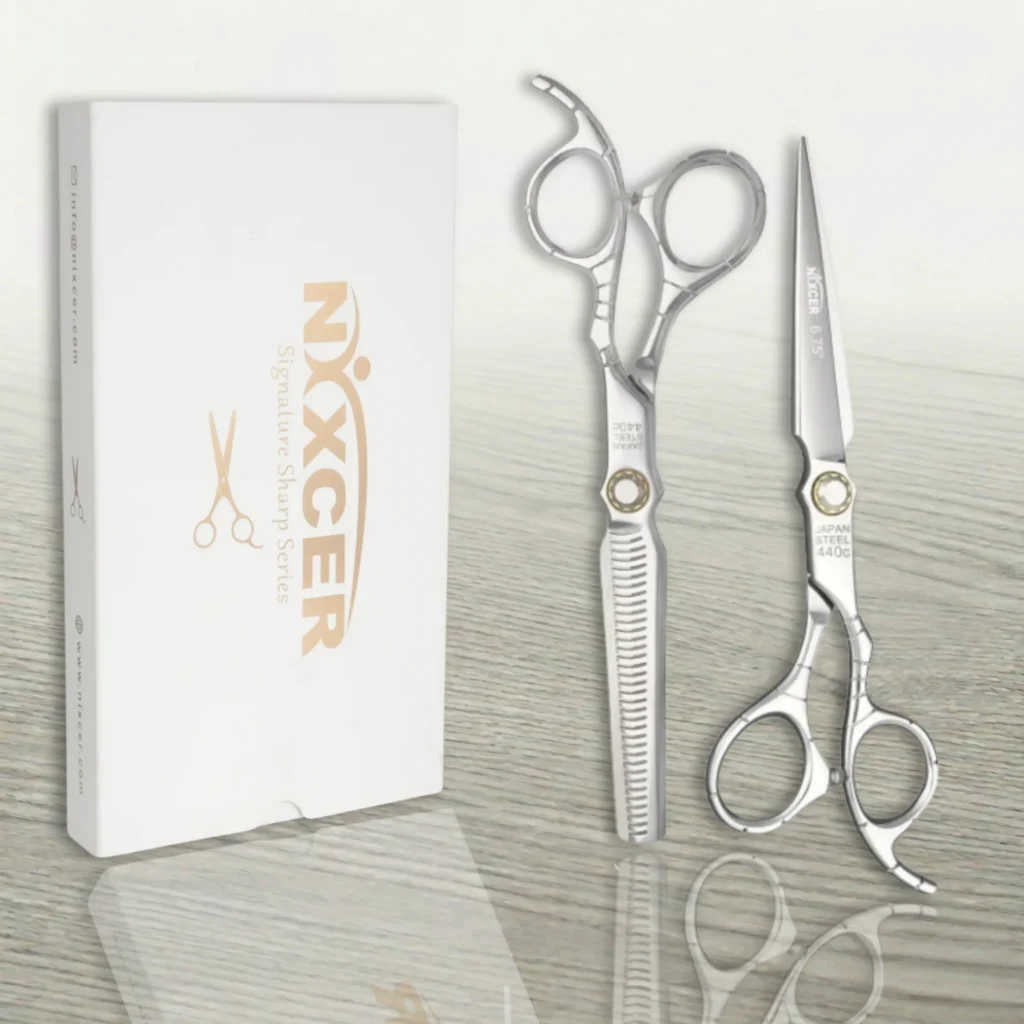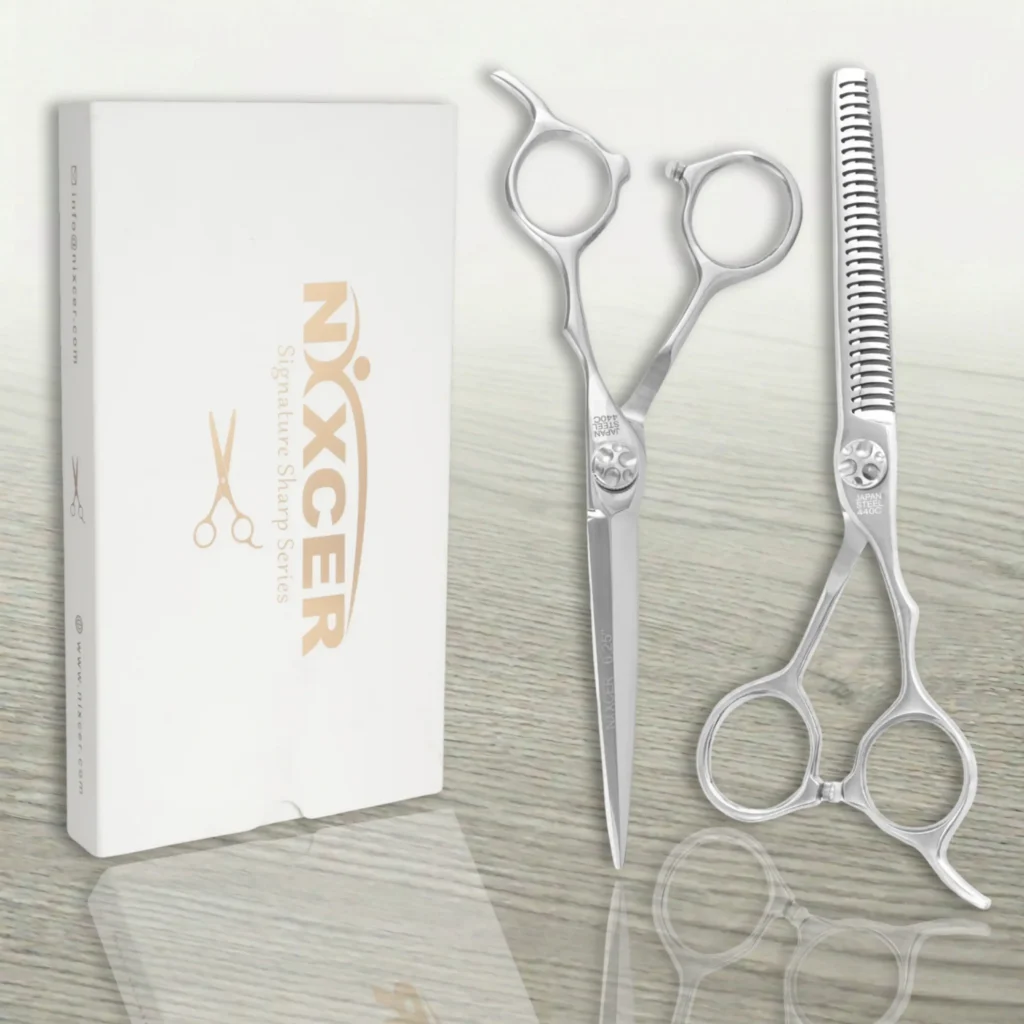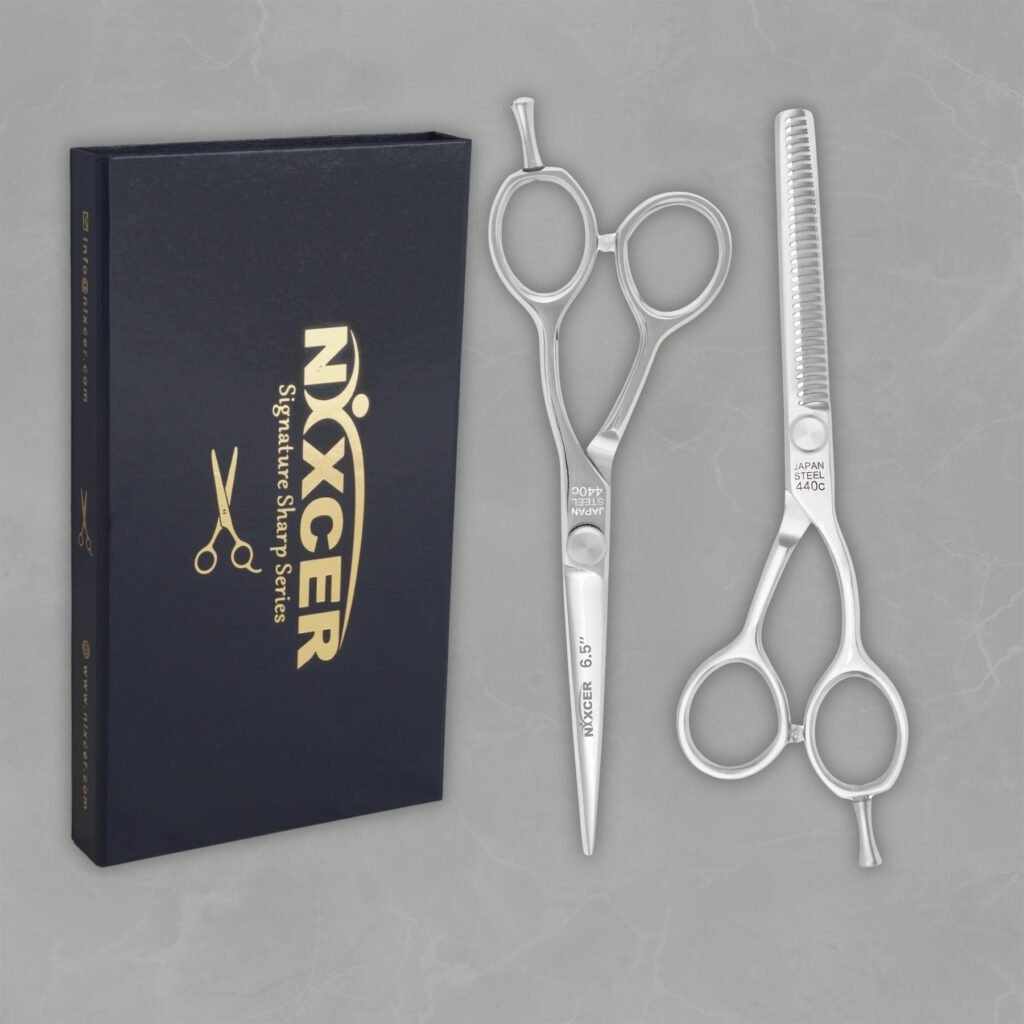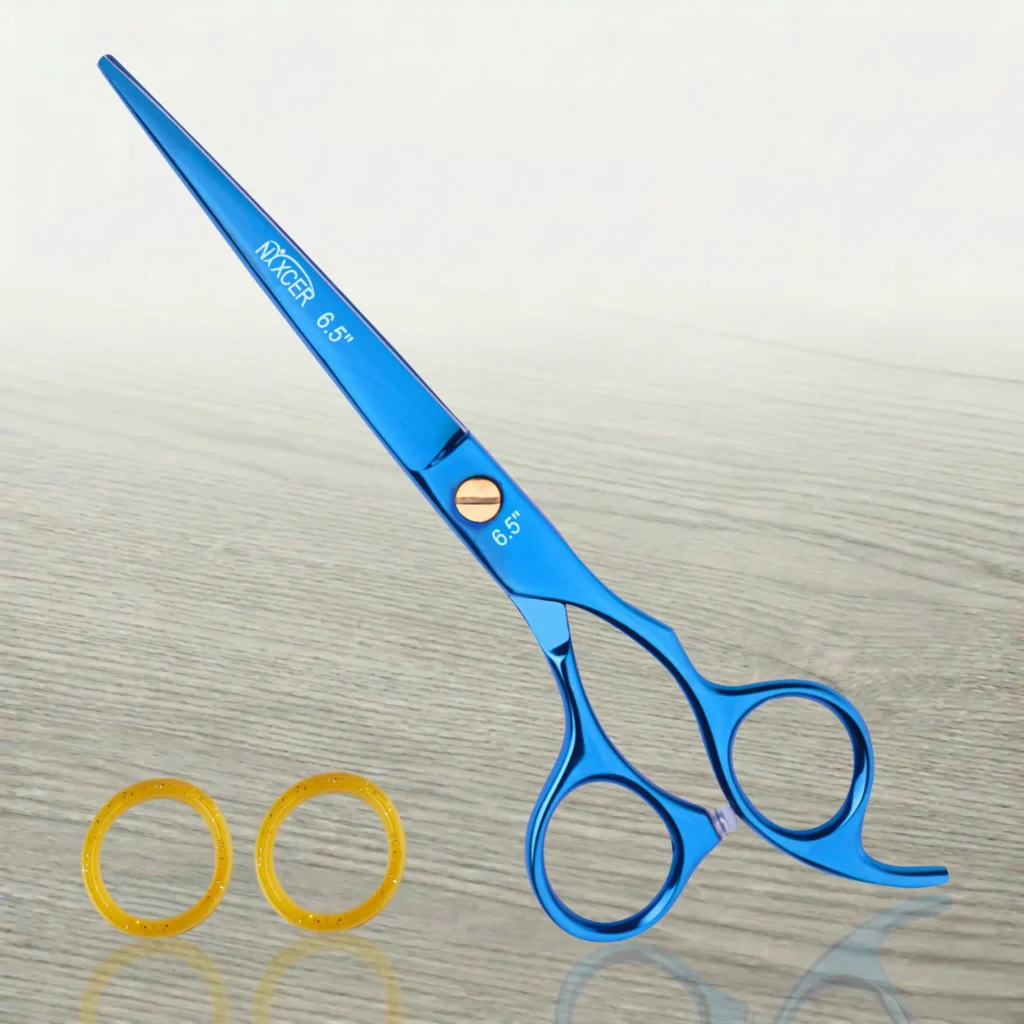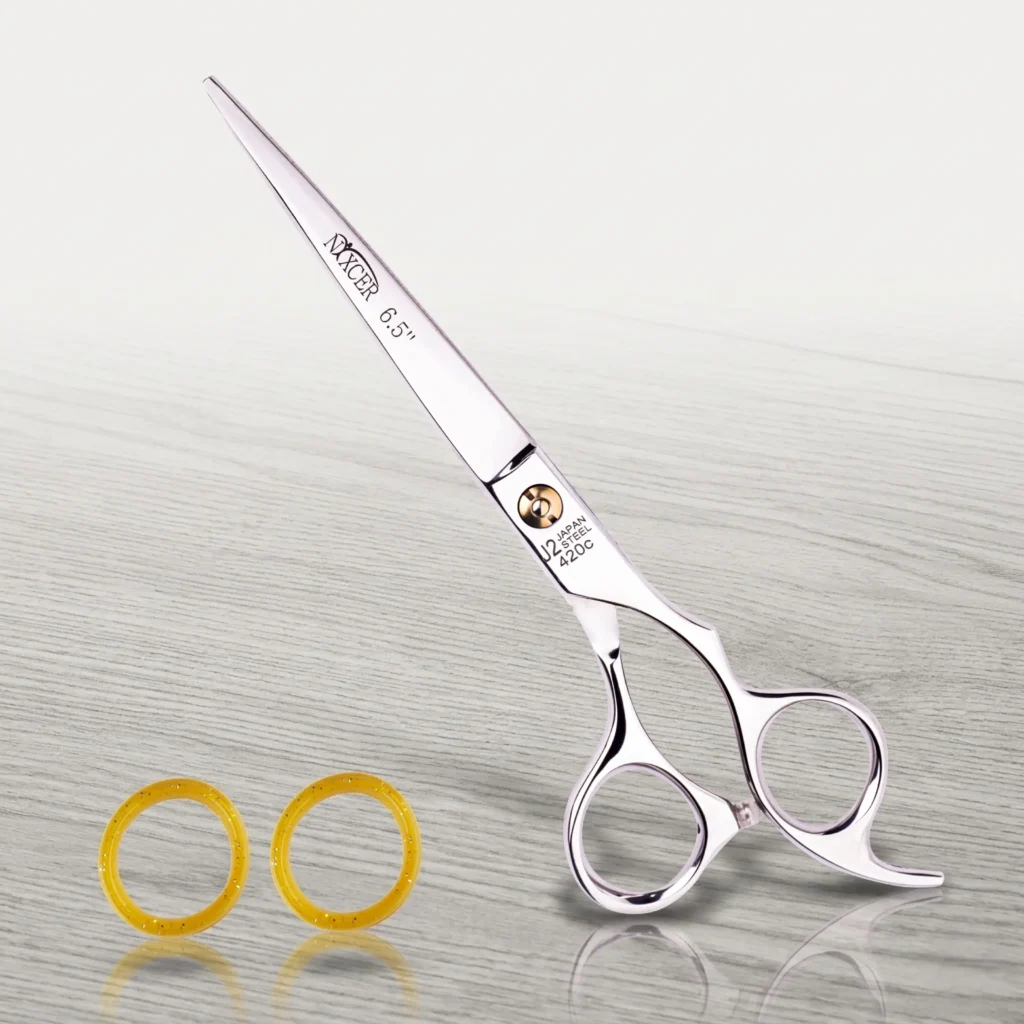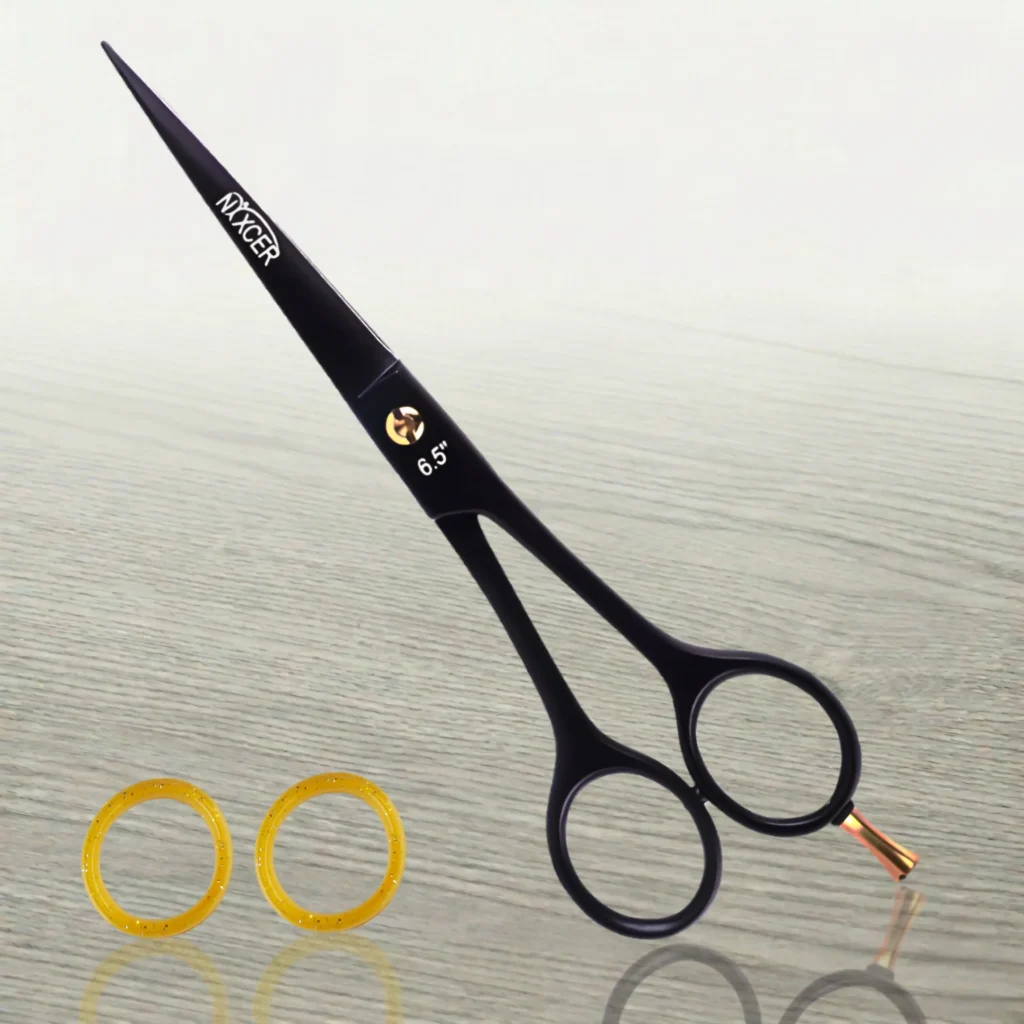
Quick Answer: What Really Matters in Professional Hair Cutting Scissors?
Professional hair cutting scissors matter because hair is delicate, and the wrong scissor can crush, bend, or fray the strand instead of making a clean cut. A good shear is not magic, but professional haircutting shears are essential when you want cleaner lines, safer texture work, and better cutting precision.
For Nixceroutlet readers, the simple truth is this: choose hair scissors for the hair type, cutting style, blade shape, hand fit, and maintenance routine. Do not buy only because of a higher price tag, and do not assume regular scissors are safe just because they feel sharp on paper.
Myth vs fact in one line
The biggest myths about professional haircutting shears come from confusing household tools with hairdressing tools. Professional hair shears, barber scissors, thinning scissors, and haircutting shears are essential tools because they are built for control, sharpness, and repeated professional use.
Bottom line
The right scissors help a hairdresser, stylist, or careful home user cut hair cleanly. The wrong pair of scissors can create split ends, damage to the hair, and hand strain over time.
Common Myths About Professional Haircutting
There are many common myths about professional haircutting, especially around price, sharpness, and whether expensive shears are always better. Some people think every shear is the same. Others think a professional hair tool is only useful inside a salon.
The facts are more practical. A high-quality scissor has a purpose-built blade, better steel, smoother tension, and ergonomic handles that help prevent mistakes. Those details matter whether you are refining a haircut, trimming a fringe, blending layers, or doing hairdressing and hair cutting every day.
Why these myths survive
Hair scissors look simple, so people underestimate the engineering. But the key differences are hidden in the cutting edge, alignment, steel hair tool quality, convex geometry, balance, and sharpening standard.
Myth 1: Regular Scissors Can Cut Hair Just Fine
Fact: regular scissors can remove length, but they are not made for clean hair cutting. Most household scissors are not made with the blade angle, tension system, or edge smoothness needed for hair. They may cut through paper, but hair is flexible, slippery, and easy to damage.
When you cut hair with dull or general-purpose scissors, the strand can bend before it cuts. That rough action can create split ends, uneven texture, and damage to the hair. Repeated rough cutting may even lead to irreparable damage on fragile ends, especially when hair is already dry, bleached, or weak.
What professional shears do differently
Professional hair cutting scissors use sharper steel, tighter alignment, and a smoother cutting motion. A sharp blade slices through hair instead of chewing it. That is why professional hairdressers, barbers, and hairstyling students learn to use dedicated tools for cutting.
Practical test
If scissors pull the hair, fold the strand, or leave white-looking tips, stop using shears that are not meant for hair. The right scissors should feel smooth, controlled, and sharper without forcing pressure.
Myth 2: Expensive Shears Are Always the Best Hair Shears
Fact: expensive shears can be excellent, but price alone does not prove performance. The best hair shears are the ones that match your hand, cutting techniques, hair types, and maintenance habits.
A higher price tag may reflect better craftsmanship, premium steel, hand finishing, brand reputation, or a specialized convex blade. But the best material is only useful when the scissor fits your workflow. A student, home trimmer, salon stylist, and professional barber may need different types of shears.
What actually affects quality
Look for high-quality shears with balanced weight, smooth tension, clean closing action, and comfortable ergonomic handles. The blade should be sharp, but also suitable for the technique: convex blades for smooth slide work, beveled or serrate edges for grip, and thinning scissors for removing bulk.
Smart buying fact
Do not chase the most expensive option first. Choose professional shears that fit your cutting style, then invest in proper care, oil, cleaning, and professional sharpening.
Myth 3: Professional Haircutting Shears Are Only for Salon Experts
Fact: professional haircutting shears are essential for salon work, but they can also help careful beginners who want safer, cleaner trims at home. If you cut your hair, trim bangs, remove split ends, or maintain a simple haircut, a dedicated hair scissor is safer than kitchen or craft scissors.
That does not mean every home user needs luxury professional hair scissors. It means haircutting shears are essential tools whenever clean results matter. The goal is not to copy a hairdresser overnight; the goal is to use tools for cutting hair that reduce avoidable damage.
Who should use professional hair shears?
A stylist needs them for daily hairdressing. A barber needs them for scissor-over-comb, detail work, and blending. A home user may need a basic pair of high-quality hair cutting scissors for careful trims.
Myth 4: All Scissor Blades Cut the Same Way
Fact: the blade changes the way a shear cuts. Blade shape affects smoothness, grip, pressure, control, and the type of haircutting technique you can perform.
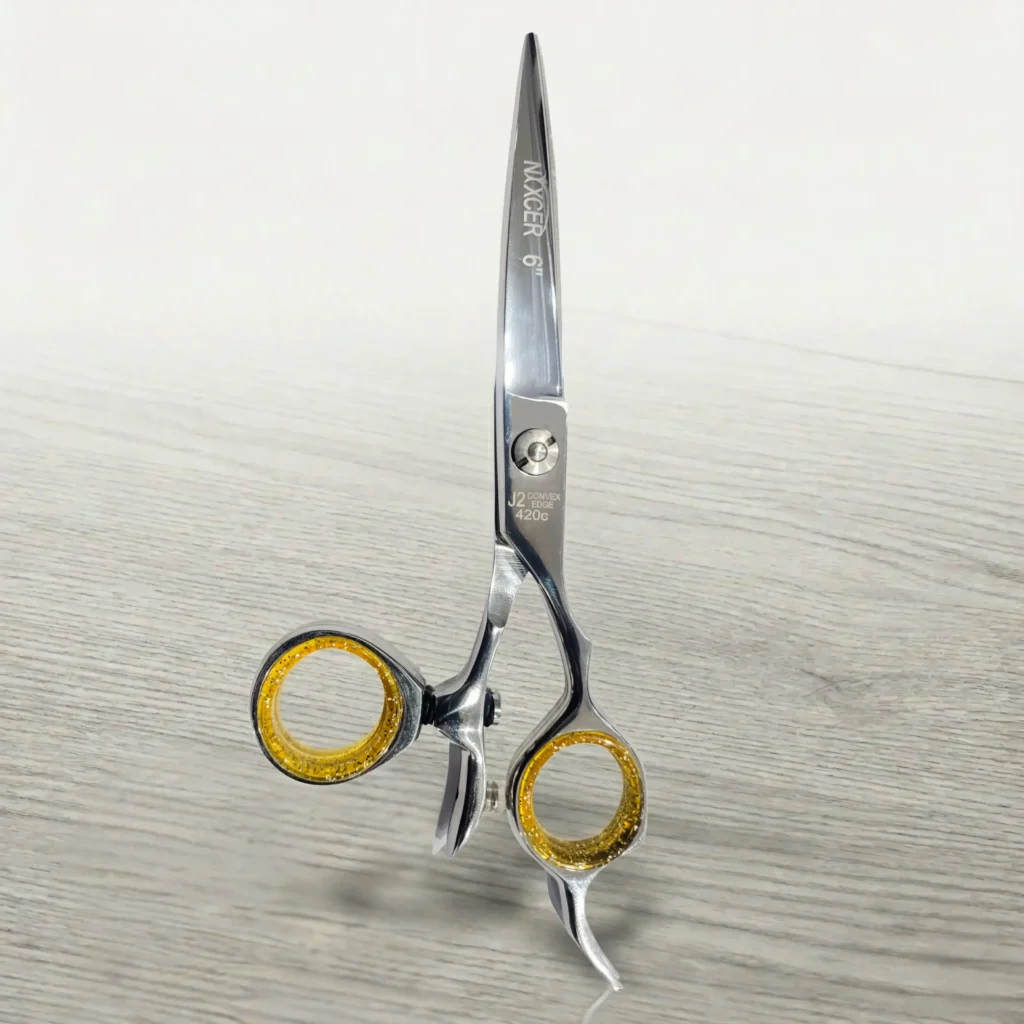
A convex edge is known for smooth cutting and softer movement. Convex edges and convex blades are common in many professional hairdressing scissors because they support precision, slide cutting, and advanced cutting techniques. Serrate or micro-serrated blades grip hair more firmly, which can help with straight lines and beginner control.
Blade myths explained
Some people think a blade is either sharp or dull, but that is too simple. A cutting blade has geometry, steel hardness, edge finish, and tension. Different cutting goals need different cutting tools.
Choose by technique
Use a smooth convex shear for soft movement, a sturdy barber shear for strong clean lines, and thinning scissors when you need to remove bulk without changing the whole shape.
Myth 5: You Can Sharpen Professional Shears Like Normal Scissors
Fact: sharpening professional shears is specialized work. Attempting to sharpen them with a cheap sharpener, stone, or household gadget can ruin the edge, change the angle, and make the scissors feel rough.
A professional sharpening service understands scissor alignment, convex edge restoration, bevel shape, tension, and polish. You can clean and oil your shear at home, but aggressive DIY sharpening is risky.
How to maintain sharp scissors
Wipe hair and product residue after every use, add a small drop of oil near the pivot, open and close the shear gently, and store it in a case. If the scissor starts pushing hair, folding ends, or making noise, get it sharpened by a trained service.
Key Differences Between Hair Shears and Regular Scissors
The key differences are blade design, material quality, balance, handle comfort, and cutting purpose. Hair shears are built for hair. Regular scissors are built for paper, fabric, packaging, or general tasks.
Professional hair-cutting shears usually use better steel, tighter pivot control, and a refined edge. Good hair cutting scissors should close smoothly from heel to tip. Regular scissors often have thicker blades and rougher edges that can pull the hair.
Why those differences matter
Cleaner tools protect the final haircut. They help a stylist create sharp lines, soft layers, and predictable texture. They also reduce extra pressure that can cause hand fatigue during long cutting sessions.
The simple rule
If the tool was not designed for hairdressing, do not use it for serious hair cutting. It is important to use the right scissors when clean results and hair health matter.
Different Types of Shears and Their Real Uses
There are many shears available, and each one solves a different problem. Choosing the right type helps you avoid overbuying while still getting professional results.
Straight cutting shears
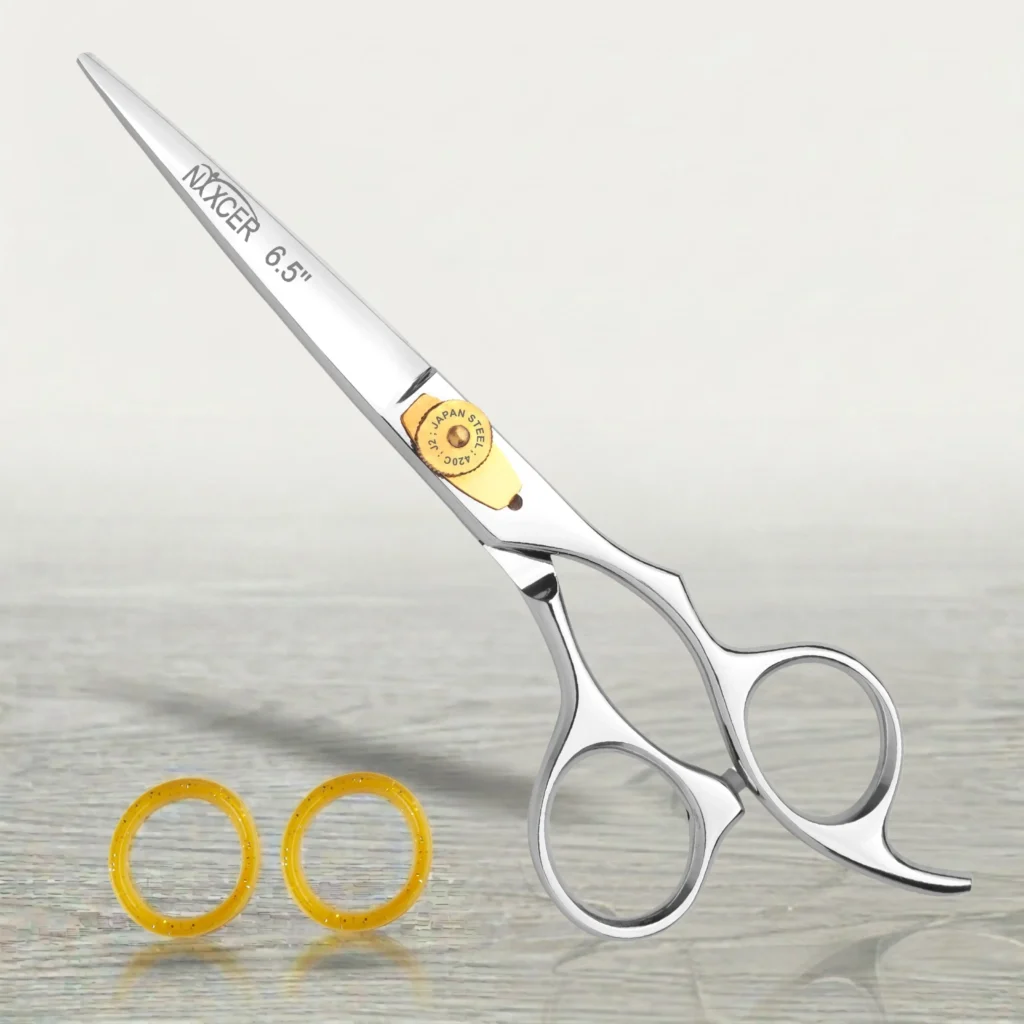
Straight hair scissors are the main tool for blunt cuts, trims, perimeter lines, and general haircutting. They are the first pair most people should buy.
Thinning scissors
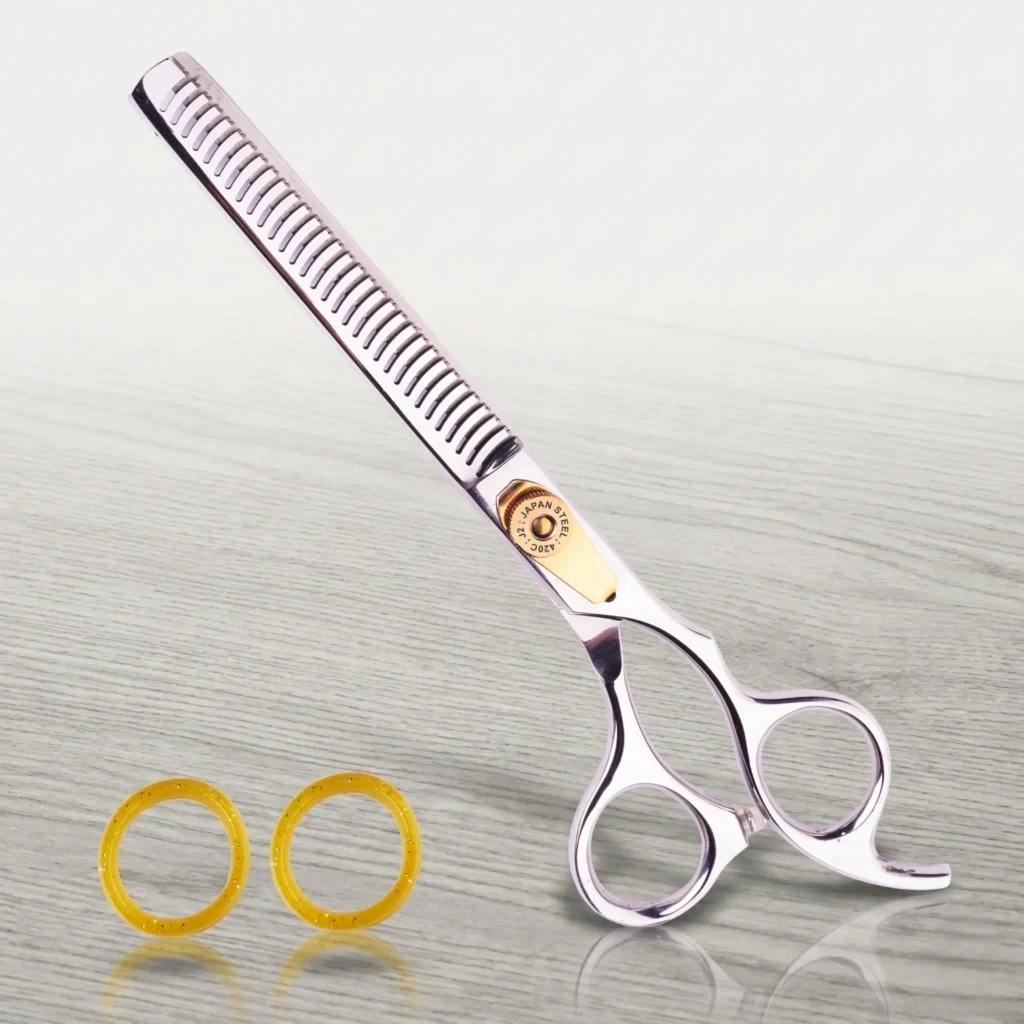
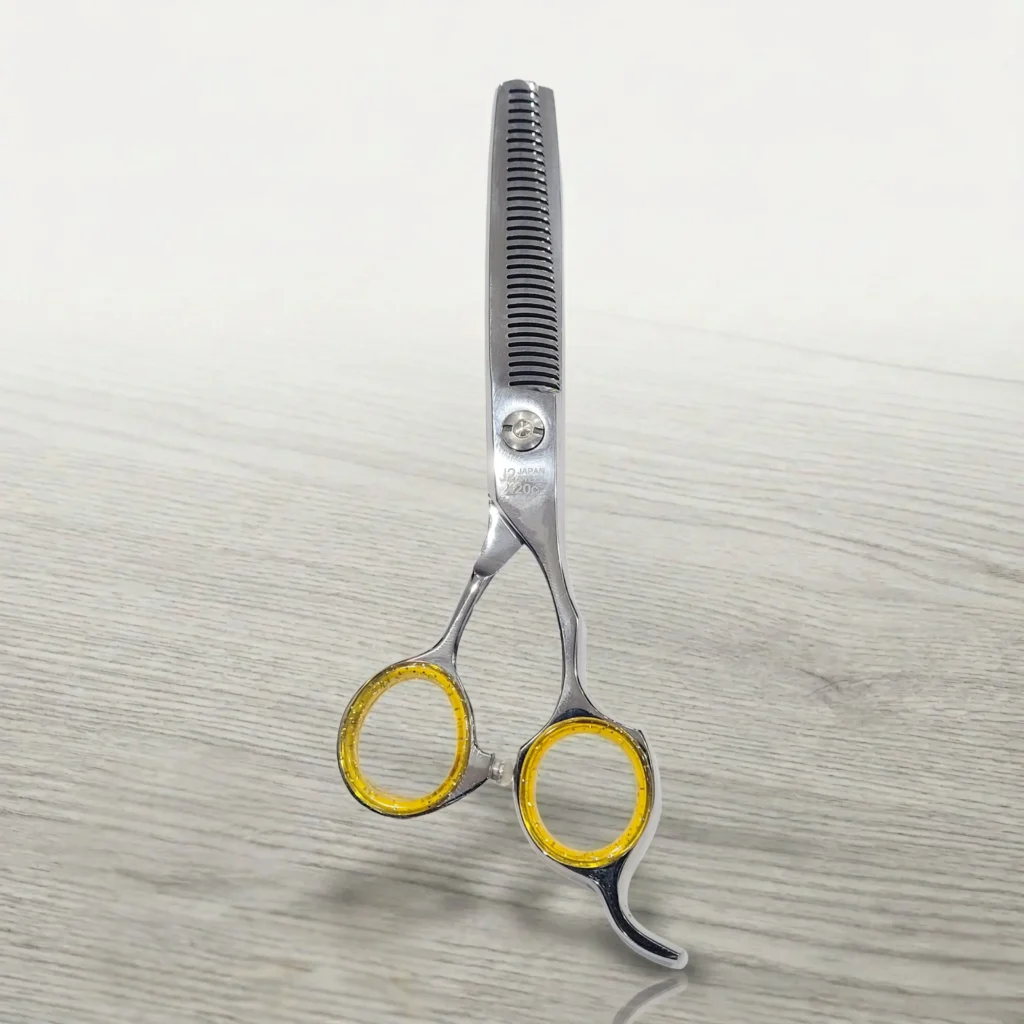
Thinning scissors remove weight from thick sections. They are useful when a cut looks bulky, but they should be used carefully because too much thinning can make hair look weak or frizzy.
Texturizing and specialty shears
Texturizing shears create movement, soften hard lines, and add shape. These tools are helpful for different hair densities, layered cuts, and modern hairstyling.
Fact for buyers
It is essential to choose shears by purpose. One pair of scissors will not do every job perfectly, even if it is high-quality.
History of Hair Scissors and How Shears Evolved
The history of hair tools started with rudimentary cutting methods, then moved toward sharper metal blades, improved handles, and more precise edges. The evolution of hair scissors reflects the growth of professional hairdressing and barbering.
Modern professional hair shears are no longer just simple metal blades. They combine steel quality, craftsmanship, ergonomics, and specialized edges. This evolution helps hairdressers create cleaner shapes with less effort.
From basic tools to professional instruments
Early cutting tools were mostly about removing length. Today, professional hair tools support precision cutting, texturizing, blending, dry cutting, wet cutting, and detailed finishing.
How to Choose the Right Professional Hair Cutting Scissors
Choosing the right scissors starts with your hand, your skill level, and the hair types you cut most often. For fine hair, you may prefer a lighter scissor with a very smooth edge. For thick or different hair textures, you may need stronger steel, a longer blade, or texturizing support.
Check the handle and comfort
An ergonomic design can reduce wrist pressure. Ergonomic handles, offset grips, and smooth thumb movement help prevent strain. If a scissor feels heavy, awkward, or stiff, it can cause hand fatigue and slow down your technique.
Match blade to cutting style
Use convex blades for smooth, soft cutting. Use a more grippy edge for control on blunt lines. Use thinning scissors only when the haircut needs weight removal, blending, or softening.
Think about maintenance
Even the best hair shears need care. Clean them, oil them, avoid dropping them, and never use them on paper or plastic. Using shears only on hair helps them stay sharper for longer.
Nixceroutlet recommendation
If you are unsure, start with one balanced straight shear, then add thinning scissors or texturizing shears once your cutting techniques become more specific.
Suggested Internal Links for Nixceroutlet
Use only a few internal links so the article feels natural and not overlinked.
Shop professional hair cutting scissors at Nixceroutlet
Professional Sharp Series Razor Edge Hair Cutting Scissors
Professional Hair Thinning Scissors
External Source Suggestions
For extra trust, cite one or two educational sources where relevant. Useful references include Shihan Shears on professional hair shears vs regular scissors and ScissorPedia on professional hair scissors cost factors.
Frequently Asked Questions
Are professional hair shears really better than regular scissors?
Yes. Professional hair shears are designed to cut hair cleanly, while regular scissors can crush or bend strands and create split ends.
Do expensive shears always perform better?
No. Expensive shears may use better steel and craftsmanship, but the right fit, blade, tension, and maintenance matter more than price alone.
How often should I sharpen hair cutting scissors?
It depends on usage. A professional stylist may need sharpening every few months, while a home user may need it much less often. Always use professional sharpening.
Can I use thinning scissors for every haircut?
No. Thinning scissors are useful for removing bulk and blending, but overuse can make hair look thin, uneven, or frizzy.
What is the best scissor for beginners?
A beginner should start with a comfortable, sharp, high-quality straight shear around 5.5 to 6.5 inches, then add specialty tools later.
Final Thoughts
Professional haircutting is not about owning the most expensive tool. It is about using shears that match the job. A good scissor protects the hair, supports the hand, and gives the stylist or barber more control.
For Nixceroutlet customers, the best choice is the practical one: pick hair shears with the right blade, good steel, ergonomic comfort, and maintenance support. That is how professional hair cutting becomes cleaner, safer, and more consistent.