Short hair leaves very little room for guessing. Every scissor cut shows, every section matters, and every small mistake can change the shape of the haircut. That is why precision cutting on short hair starts with the right scissor, the right shear, and a slow step-by-step method.
At Nixcer Outlet, the goal is to help barbers, hairstylists, hairdressers, and careful at-home users choose the right tool and use hair cutting scissors with confidence. Whether you want to trim hair at home, soften a bang, blend short layers, or sculpt a clean men’s cut, the best result comes from sharp hair scissors, clean sectioning, and controlled cutting techniques.
Why Short Hair Needs Precision
Short hair is less forgiving than long hair. If you cut too much on one side, there may not be enough length left to blend it. If you use dull household scissors, the ends can look rough and uneven.
A precise cut on short hair depends on:
• Sharp hair cutting scissors
• Controlled opening and closing of the blade
• Clean section work
• Balanced hand position
• Careful trimming
• Strong visual checking from different angles
When the hair is short, the tool and technique work together. The scissor gives the cut its control, while the hand decides the shape.
Choosing the Right Scissors to Use
The scissors to use for short hair should be sharp, balanced, and comfortable. A kitchen scissors or general household scissors is not designed to cut through hair cleanly.
Hair cutting scissors
Hair cutting scissors are made for clean cutting. They help the blade move through the hair shaft without crushing, bending, or pulling it.
Hair shears
Hair shears is another name used for professional hair scissors or hairdressing scissors. A good pair of shears gives better control for precise cut work, especially around the ears, neckline, and fringe.
Scissor and shear wording
Many people use scissor and shear interchangeably, but in salon language, shear often refers to a professional tool made specifically for hair.
Cutting shears
Cutting shears are the main tool for building shape. Use them before thinning, texturizing, or detail softening.
Pair of scissors
A basic pair of scissors should still be professional-grade if it is used on hair. Sharpness, balance, and finger rest comfort matter more than having a big scissors set.
What Makes a Good Short Hair Scissor
Short hair often needs detailed work, so the scissor should feel like an extension of your hand.
Size
For many short hairstyles, 5.5-inch scissors are easy to control. A 5.5 shear gives enough precision for short layers, bang detail, and close work near the head.
Some barbers prefer 7 inches for scissor over comb, especially in men’s cuts where longer blades can cover more surface area. The best size depends on hand size, technique, and the parts of a cut you do most.
Different cuts need different sizes
Different cuts may need different blade lengths: tight detail work often feels easier with shorter shears, while broad blending can feel smoother with longer shears.
Blade edge
A convex edge can feel smooth for slide cutting, point cutting, and precision cutting. It can help create smooth cuts when the blade is sharp and properly maintained.
Handle comfort
An ergonomic handle can reduce hand fatigue during detailed cutting. A finger rest helps stabilize the hand when making small careful cuts.
Steel quality
Japanese stainless steel is often used in professional hair tools because it can support sharpness and smooth cutting when maintained well. Always check the exact product listing before buying.
Why Not Use Kitchen Scissors
Kitchen scissors and household scissors are not made for haircutting. They can bend the hair before cutting it, which leads to uneven ends and more hair damage.
If the blade cannot cut through hair smoothly, it is the wrong tool. The hair may look frayed, and your cutting motion becomes harder to control.
Better rule
If you want consistent results, use real hair cutting scissors. Even for trimming your hair at home, the tool matters.
Prepare Before You Cut Hair
Preparation is what makes a short haircut feel controlled instead of rushed.
Work on clean hair
Clean hair shows shape better. Product buildup can make sections stick together and hide uneven areas.
Decide wet hair or dry hair
Dry hair is useful when you want to see the natural fall, texture, and shape. Wet hair can be easier to control for a foundation cut, but it may shrink or move differently after drying.
For very short hair, dry checking is important because every angle is visible.
Use good lighting
Good lighting helps you see the outline, density, and section balance. Poor lighting can make a precise cut look uneven after the person steps outside.
Comb before every cut
Comb each section before cutting. This keeps tension clean and helps the hair sit in the correct direction.
Step-by-Step: Precision Cutting Short Hair
Use this step-by-step method for a controlled short hair scissor cut.
Step 1: Study the shape
Before you cut hair, look at the head shape, growth pattern, density, and desired style. Short hair follows the skull more closely, so shape matters.
Ask where the hair should be tight, where it should stay soft, and where the weight should sit.
Step 2: Create clean sections
Use clips or a comb to separate the haircut into manageable areas. A clean section helps you control the amount of hair you remove.
For short hair, smaller sections are safer because they prevent accidental overcutting.
Step 3: Start with the foundation
Build the main outline first. This may include the perimeter, neckline, side shape, fringe, or top length.
Do not start with texturizing. Shape comes first, softening comes later.
Step 4: Cut small amounts
Remove less hair than you think. Short hair changes quickly, and a small cut can affect the whole haircut.
Step 5: Cross-check the cut
After cutting one direction, check the same area from another direction. Cross-checking helps reveal uneven pieces.
Step 6: Refine the texture
Once the shape is correct, use point cutting, slide cutting, or light texturizing to add texture and softening.
How to Hold a Section of Hair
A section of hair should be clean, even, and controlled. If the section is too thick, the blade may not cut evenly.
Finger position
Hold the hair between your index and middle finger. Keep steady tension but do not stretch the hair too much.
Cutting angle
The angle controls the shape. A straight angle creates blunt lines. A softer angle helps create texture and movement.
Amount of hair
The amount of hair in each section should be small enough for the blade to cut cleanly. Too much hair can push the scissor away from the planned line.
Scissor Over Comb for Short Hair
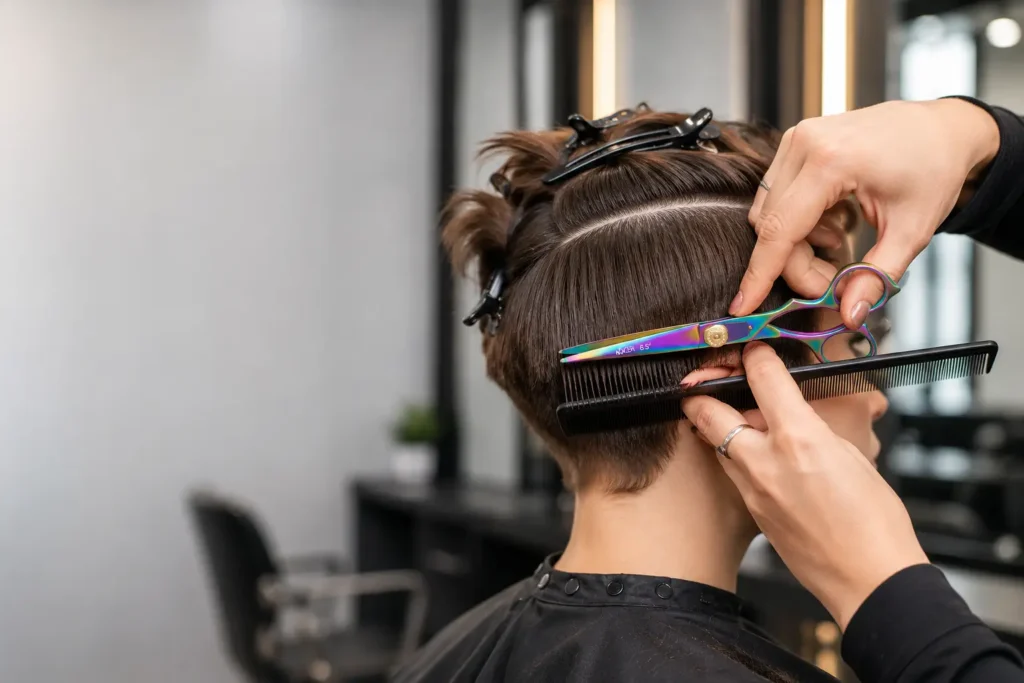
Scissor over comb is one of the most important cutting techniques for short hair. It is common in barber work, men’s cuts, and short tapered hairstyles.
Men’s cuts need control
For men’s cuts, scissor over comb helps refine the sides and top without making the haircut look too clipper-heavy.
How it works
The comb lifts the hair away from the head, and the shear cuts the hair that extends beyond the comb. This lets the barber or hairstylist blend short areas without relying only on clippers.
Why it works well
Scissor over comb helps create smooth transitions and controlled shape. It is especially useful around the sides, nape, and areas where different lengths need to blend.
Beginner caution
Move slowly. If the comb angle changes suddenly, the haircut can become uneven.
Point Cutting for Short Hair
Point cutting is a strong technique for softening blunt lines. Instead of cutting straight across, the scissor tips cut into the ends of the hair.
When to use it
Use point cutting when the shape looks too heavy, too solid, or too sharp. It can soften the bang, crown, sides, and short layers.
How deep to cut
For short hair, keep the point cutting shallow. Deep cuts can create holes or make the hair look choppy.
Best result
Point cutting should add texture without destroying the shape.
Slide Cutting for Soft Movement
Slide cutting uses a gentle glide of the scissors through the hair. It can shape movement and remove weight without creating a hard line.
Where it helps
Slide cutting can help around face-framing pieces, longer top sections, and soft textured short hairstyles.
What to avoid
Do not use slide cutting with dull scissors. If the blade drags, it can roughen the hair shaft and create hair damage.
Using Thinning Scissors and Thinning Shear Tools
A thinning shear can reduce bulk, but it should be used carefully on short hair. Using thinning scissors too close to the scalp can create short pieces that stick up.
When thinning helps
Thinning can help thick hair feel lighter. It can also blend dense areas after the main cut is finished.
When thinning hurts
If the hair is already fine or thin, thinning can make it look weaker. Use a texturizer or texturizing shear only when the shape truly needs softening.
Safe rule
Use thinning scissors near the mid-lengths or ends, not close to the scalp, unless you are trained in that technique.
Texturizing Short Hair
Texturizing is used after the main shape is complete. It can add texture, reduce heaviness, and make short hairstyles look less stiff.
Add texture carefully
Use small cuts and check the result often. Too much texture can make the hair look uneven.
Softening blunt lines
Softening helps a short haircut look more natural. A soft touch with the scissor is better than heavy cutting.
Sculpt the final look
Once the shape is built, you can sculpt the final style with point cutting, light slide cutting, and small detail cuts.
Trimming Bangs on Short Hair
Trimming bangs requires patience because the front of the haircut is the most visible part.
Work on dry hair
Dry hair shows the real length. Bangs can shrink after drying, so wet cutting can lead to a shorter result than expected.
Cut less first
When trimming bangs, cut a tiny amount and check. You can always remove more.
Use point cutting
Point cutting can keep a bang from looking too blunt. If you want blunt lines, cut carefully and cross-check the balance.
Trimming Your Hair at Home
Trimming your hair at home can work for small touch-ups, but short hair is risky because mistakes show quickly.
Keep it simple
Do not try a full transformation if you are not trained. Focus on cleaning around the edges, lightly trimming, or removing tiny uneven pieces.
Use mirrors
Use more than one mirror if possible. The back and sides are hard to judge from one angle.
Stop early
The safest hair at home rule is simple: stop before you think you are finished. Look again after styling before cutting more.
Cut your hair with patience
If you cut your hair yourself, take breaks and check both sides. Rushing is the fastest way to create uneven different lengths.
Professional Hair Tips for Better Results
Professional hair work depends on small habits repeated well.
Keep the scissors moving smoothly
The opening and closing motion should feel relaxed. Do not squeeze the scissor too hard.
Follow the head shape
Short hair sits close to the head, so follow the natural curve. This keeps the haircut balanced.
Check movement
Comb the hair down, move it with your fingers, and check how it falls naturally. The final haircut should work in real life, not only in one combed position.
Use the right tool for each job
Cutting shears build shape. Thinning shear tools reduce bulk. Texturizing tools soften detail. A comb controls tension.
Common Mistakes to Avoid
Precision cutting is often about avoiding small errors.
Cutting too much at once
Short hair changes quickly. Cut small amounts and check often.
Using dull tools
Dull scissors can pull, fold, or chew the hair.
Ignoring the natural growth pattern
Cowlicks, crowns, and strong growth patterns can change how short hair sits.
Cutting every section the same
Different parts of a cut need different lengths and angles. The top, sides, nape, and bang area may all need different handling.
Overusing thinning tools
Too much thinning can make short hair stick out or look patchy.
Nixcer Outlet Tools to Consider
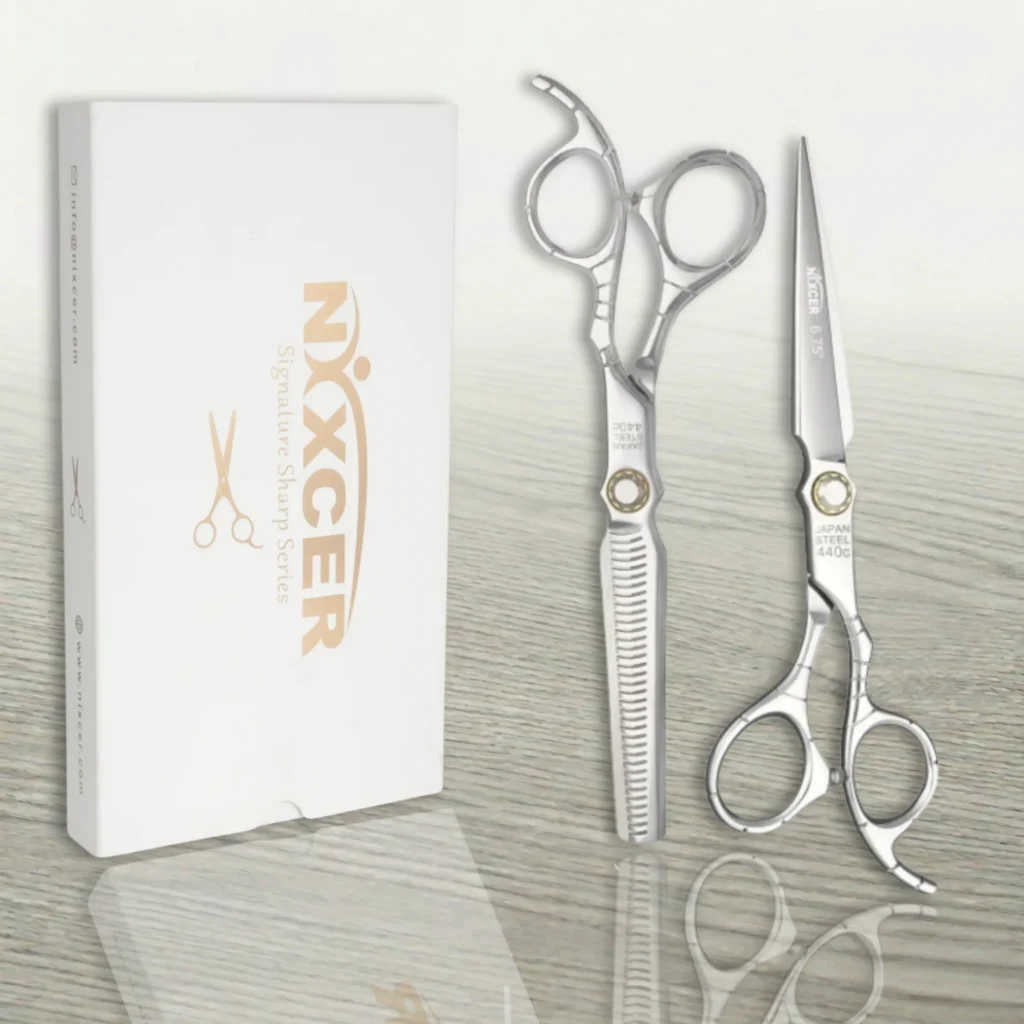
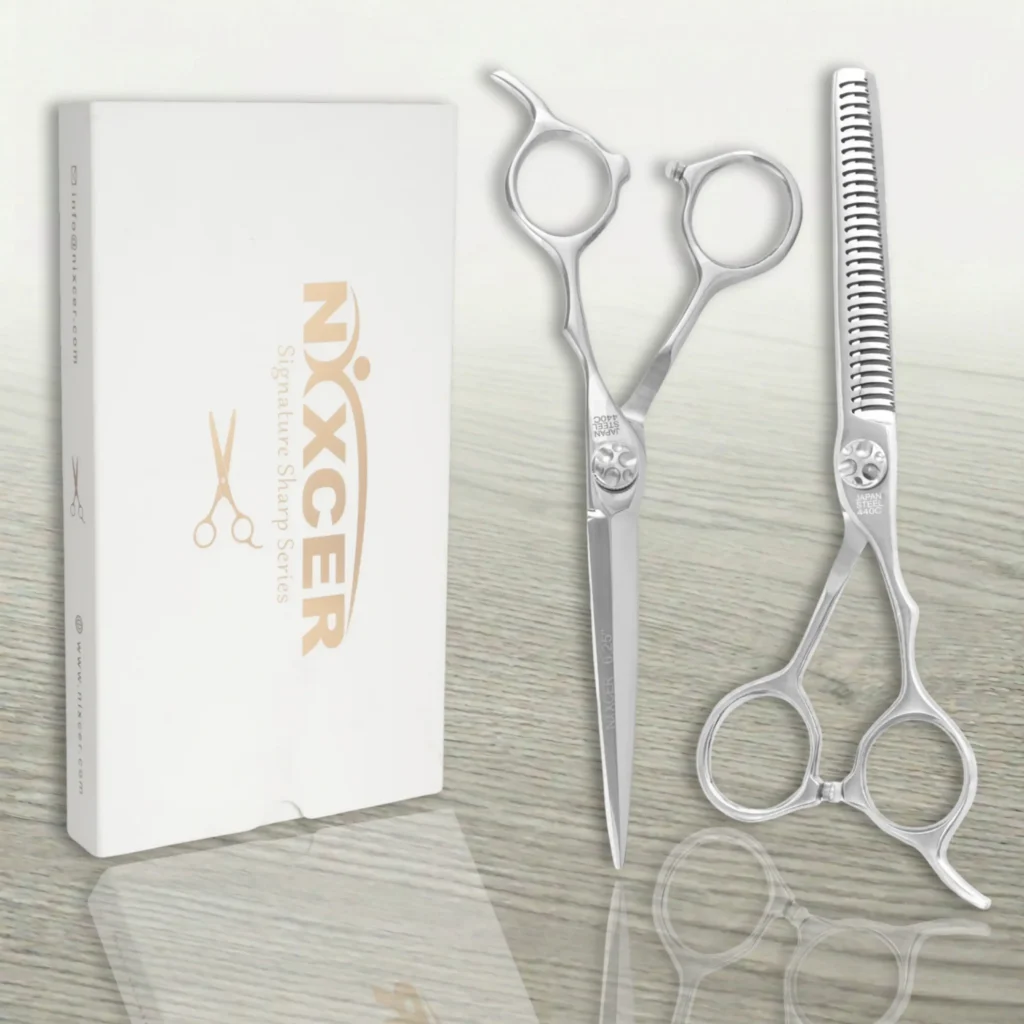
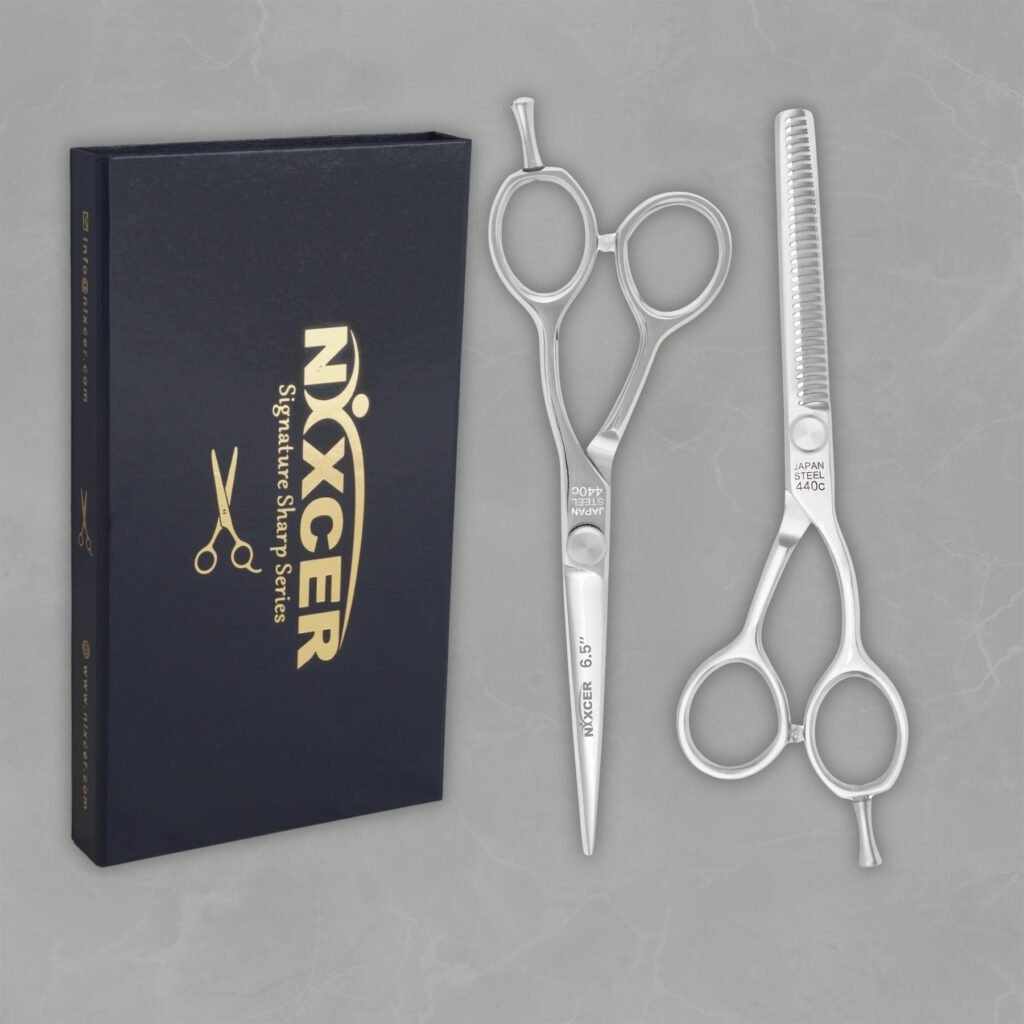
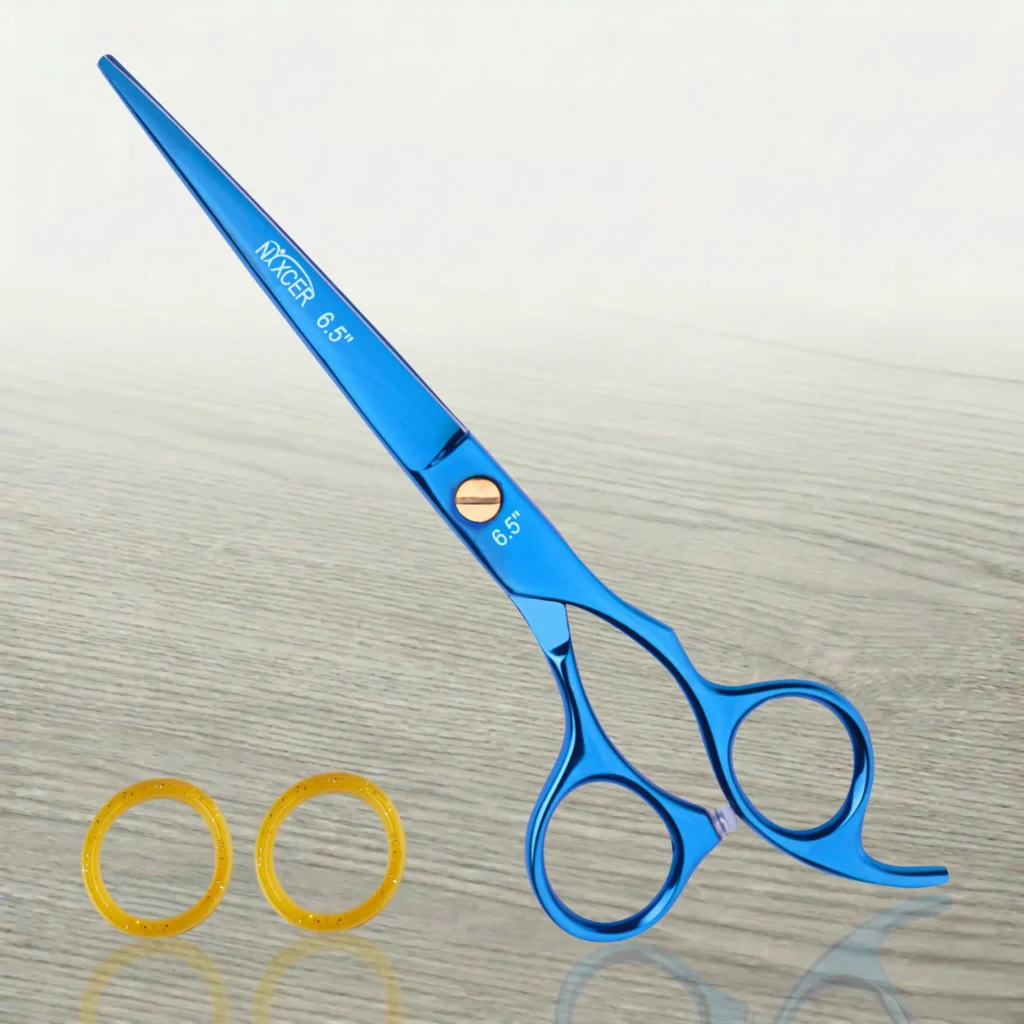
For short hair precision work, start with a clean cutting scissor that feels balanced and sharp. You can compare options on the Nixcer Outlet.
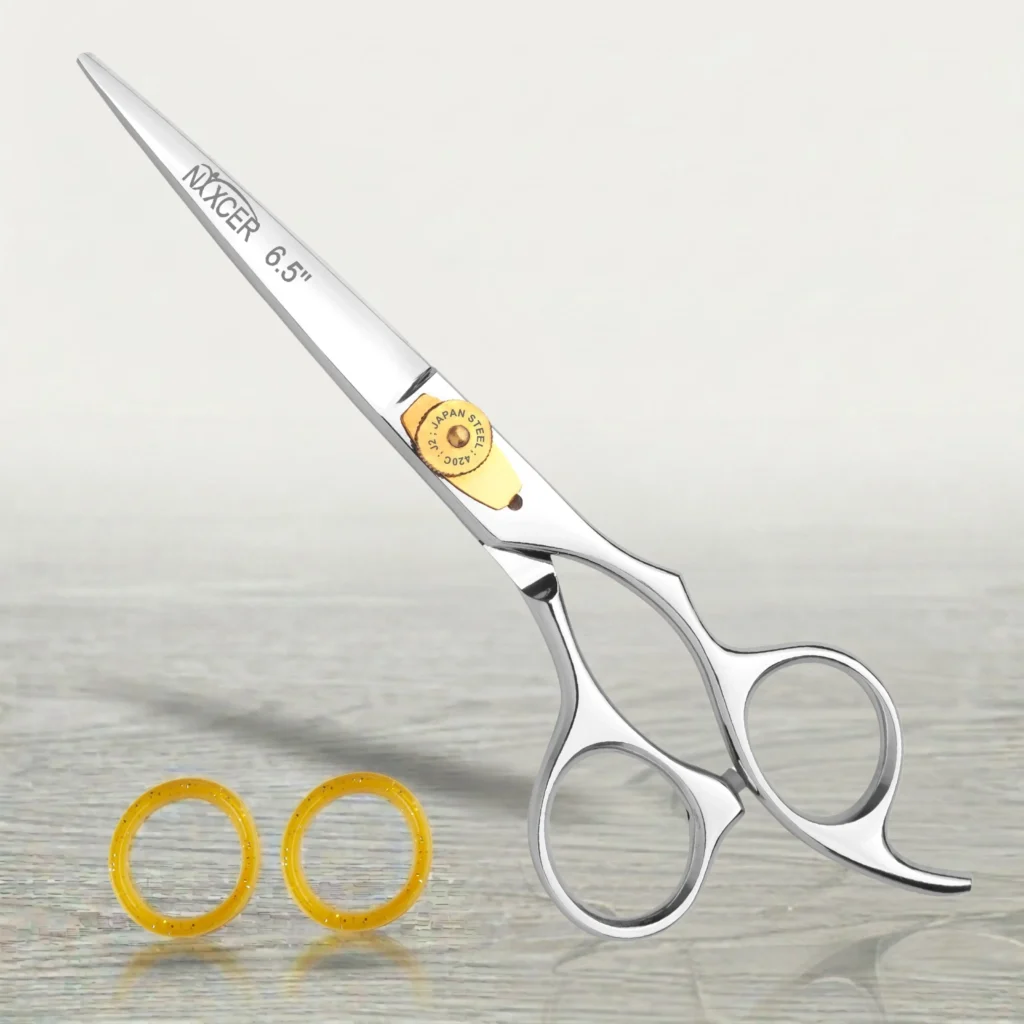
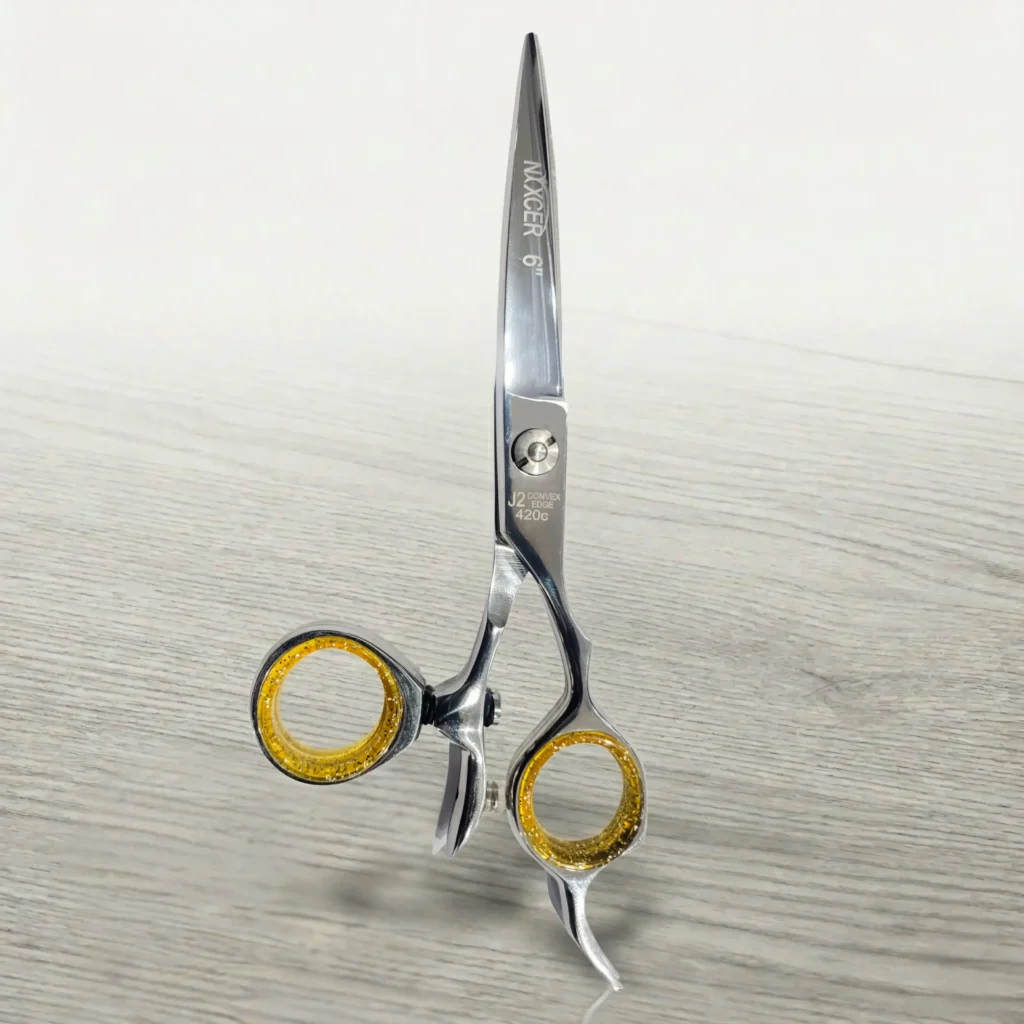
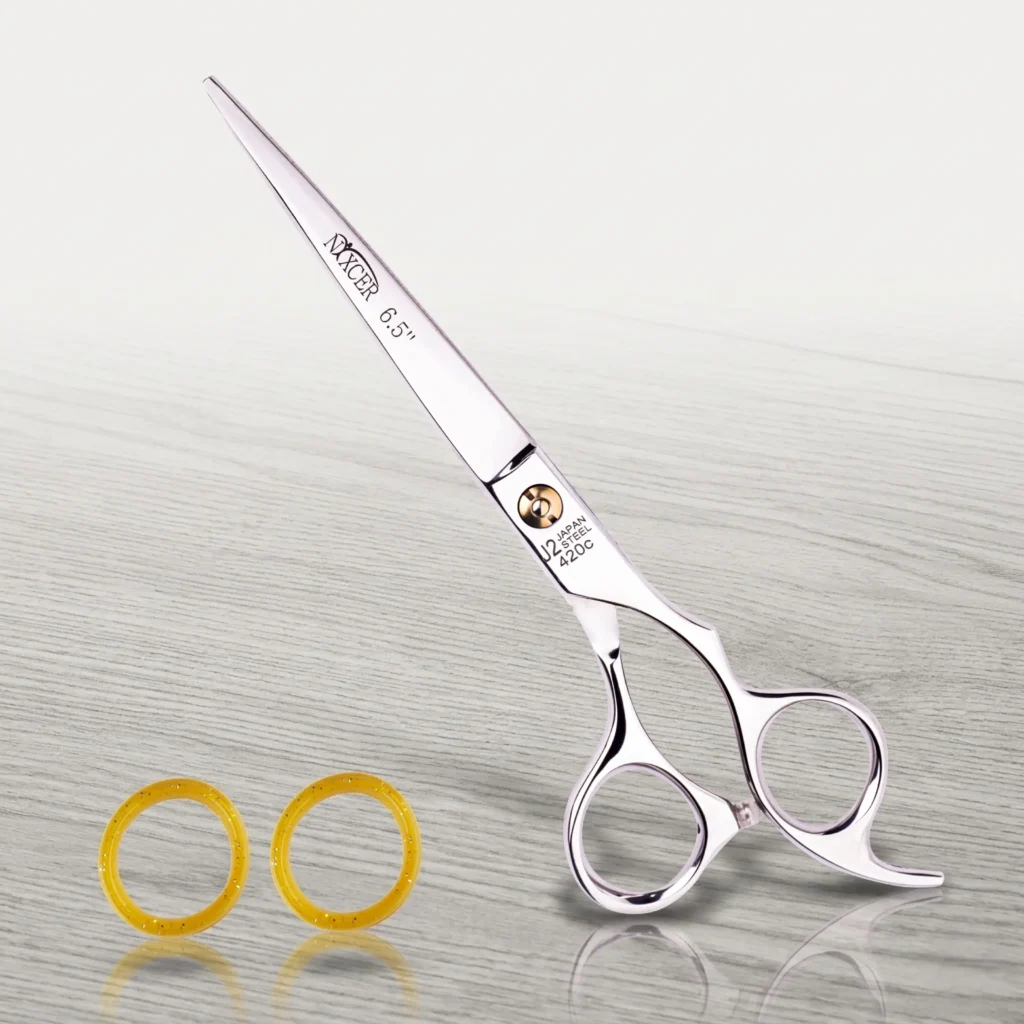
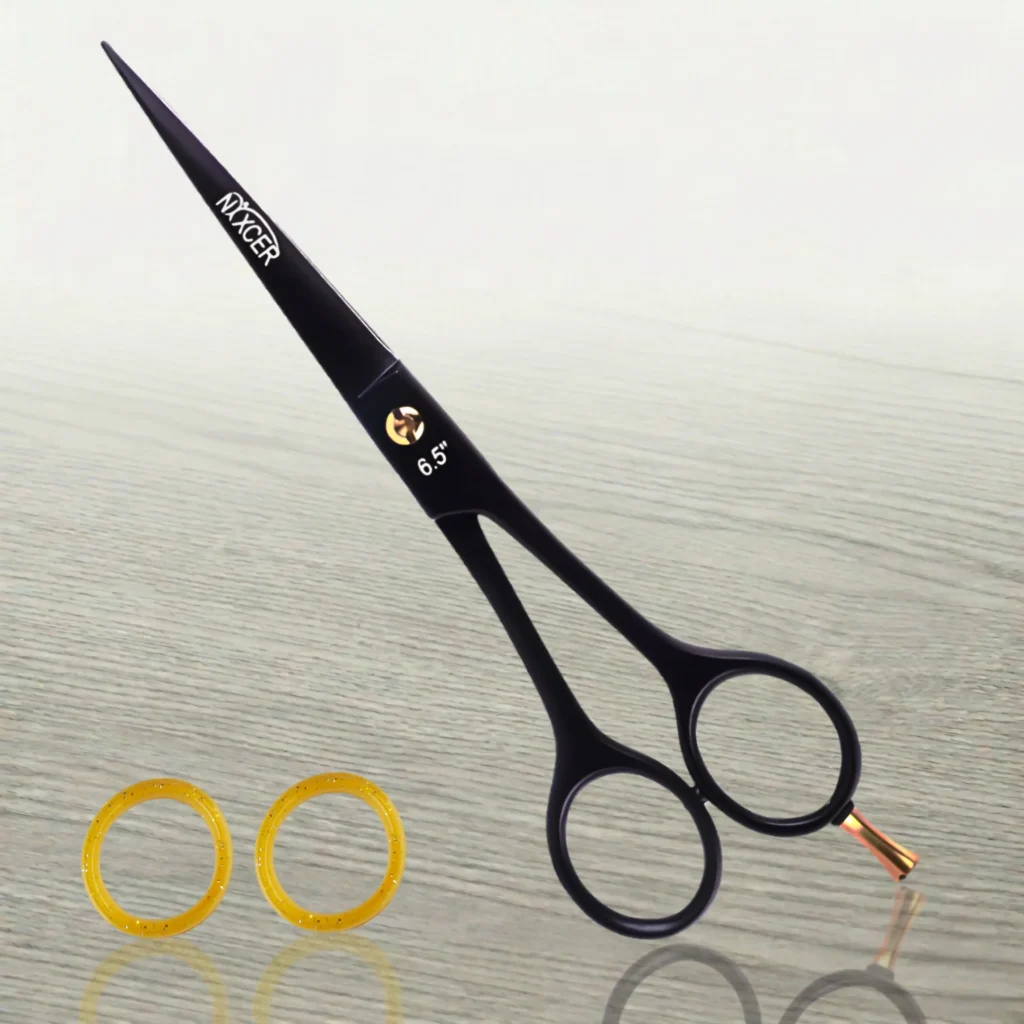
The Professional Sharp Series Razor Edge Hair Cutting Scissors can be useful for clean outline work, point cutting, and detail trimming.
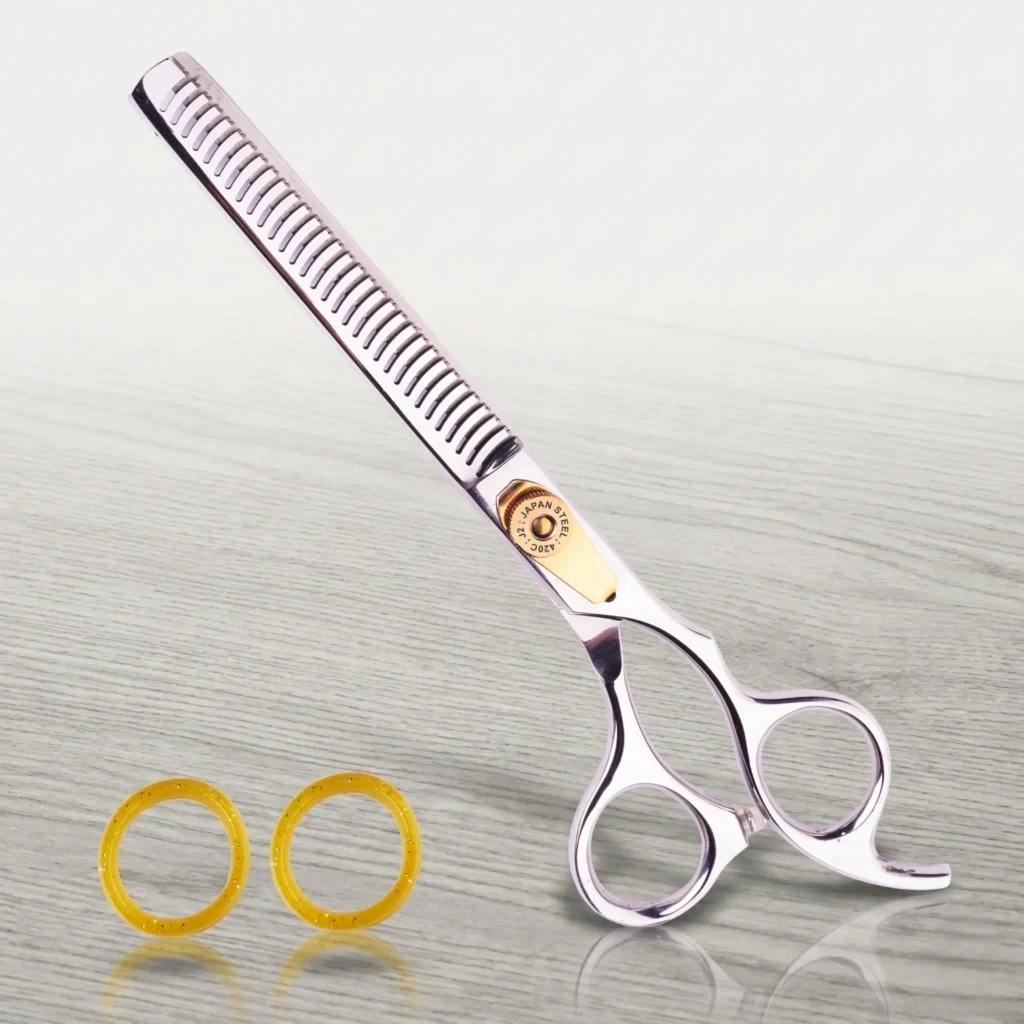
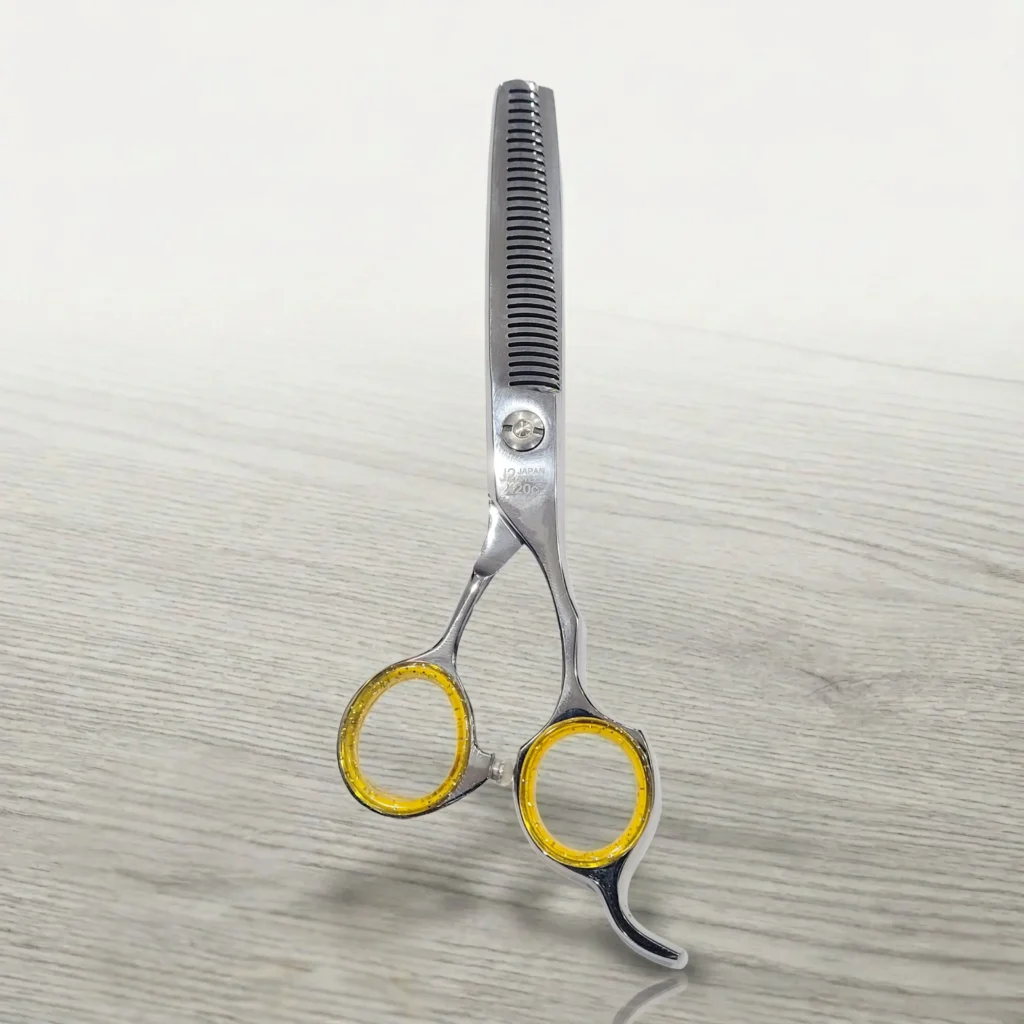
For controlled thinning on thick hair, the Nixcer Professional Series Hair Thinning Scissors may help soften weight after the main shape is complete.
Always check the product page for size, steel type, handle style, and whether the shear fits your hand and cutting habits.
Quick Short Hair Cutting Tips
Use these hair cutting tips before every short haircut:
• Use professional hair scissors, not kitchen scissors.
• Work with clean sectioning.
• Start with the main shape.
• Cut small amounts.
• Cross-check from different angles.
• Use point cutting for soft detail.
• Use thinning shear tools sparingly.
• Check dry hair before finishing.
• Keep the tool clean and sharp.
These habits help create consistent results.
Final Thoughts
Learning how to use hair cutting scissors for precision cuts on short hair takes patience, the right tool, and a clear plan. A scissor or shear is not just for removing length. It helps shape, soften, sculpt, and refine the entire haircut.
If you are a barber, hairstylist, or hairdresser, sharp hairdressing scissors and strong technique will give cleaner results. If you are trimming at home, keep the job small and safe. With the right scissors to use and a careful step-by-step method, short hair can look clean, balanced, and polished.
FAQs
What scissors should I use for short hair?
Use sharp hair cutting scissors or professional hair shears. Avoid household scissors because they are not designed for clean hair cutting.
Can I cut short hair at home?
You can do small trimming at home, but major short hair changes are safer with a hairdresser or barber.
What is scissor over comb?
Scissor over comb is a technique where the comb lifts the hair and the scissors cut the hair that extends past the comb. It is common in men’s cuts and short tapered styles.
Should short hair be cut wet or dry?
Both can work. Wet hair can help with control, while dry hair helps you see the real shape and final movement.
Are thinning scissors good for short hair?
They can help thick hair, but they must be used carefully. Too much thinning can create gaps or make short hair stick out.
How do I trim bangs safely?
Trim bangs dry, cut very small amounts, and use point cutting if you want a softer finish.
What size scissors are good for short hair?
Many people like 5.5-inch scissors for detail work. Some barbers prefer 7 inches for scissor over comb and broader cutting.