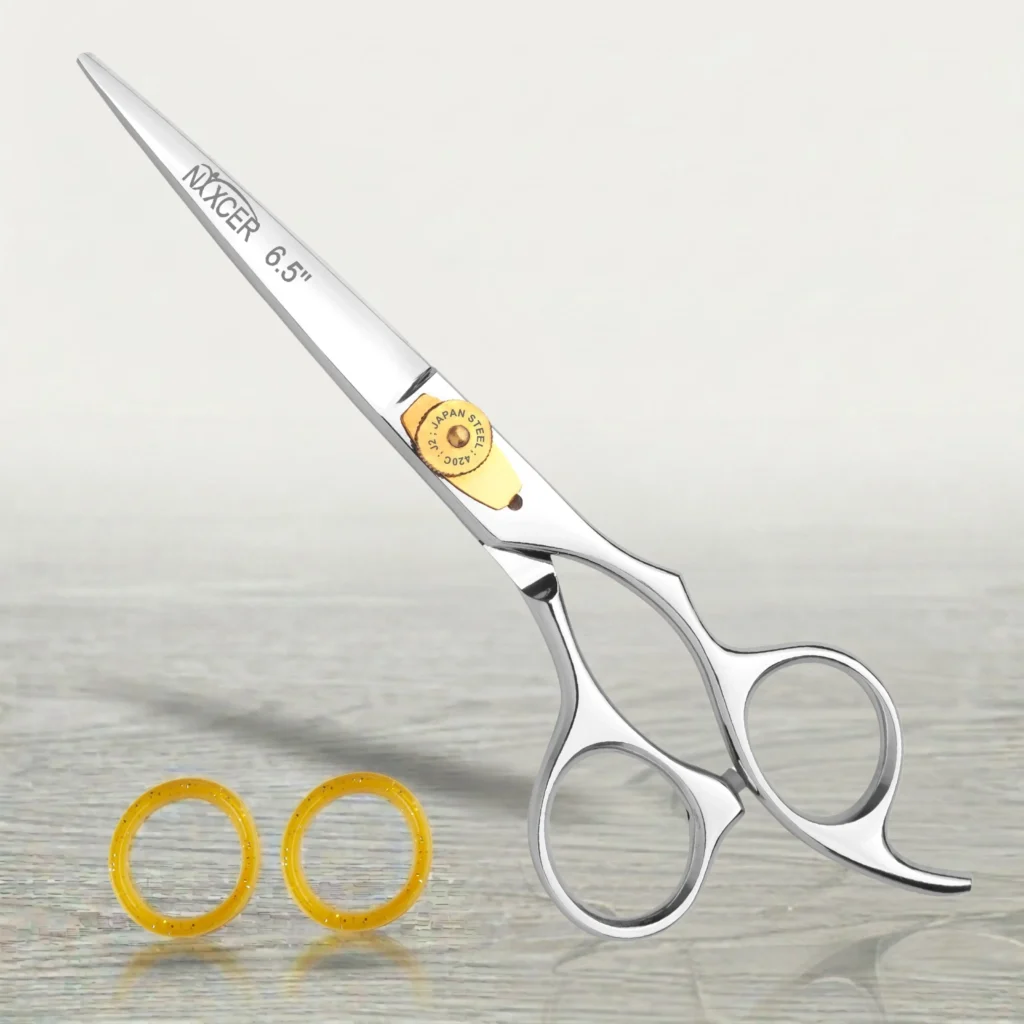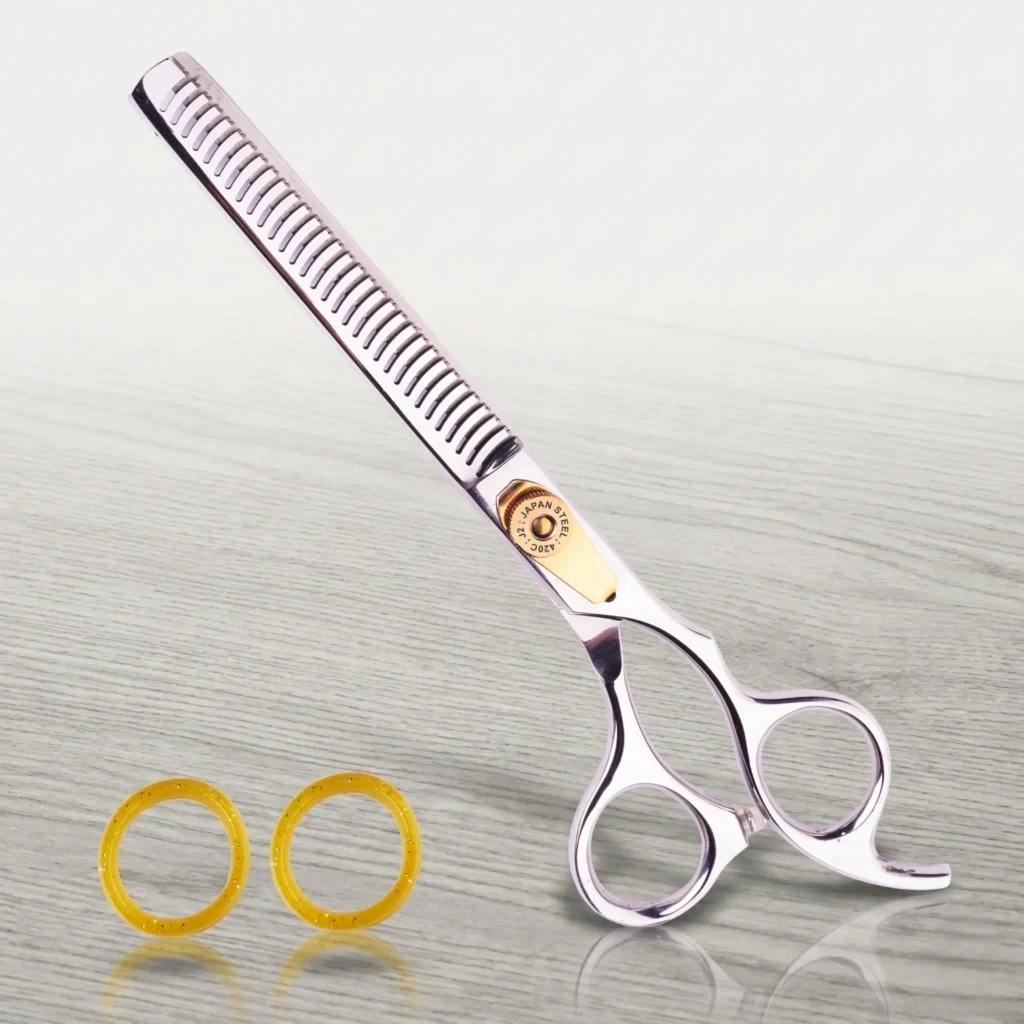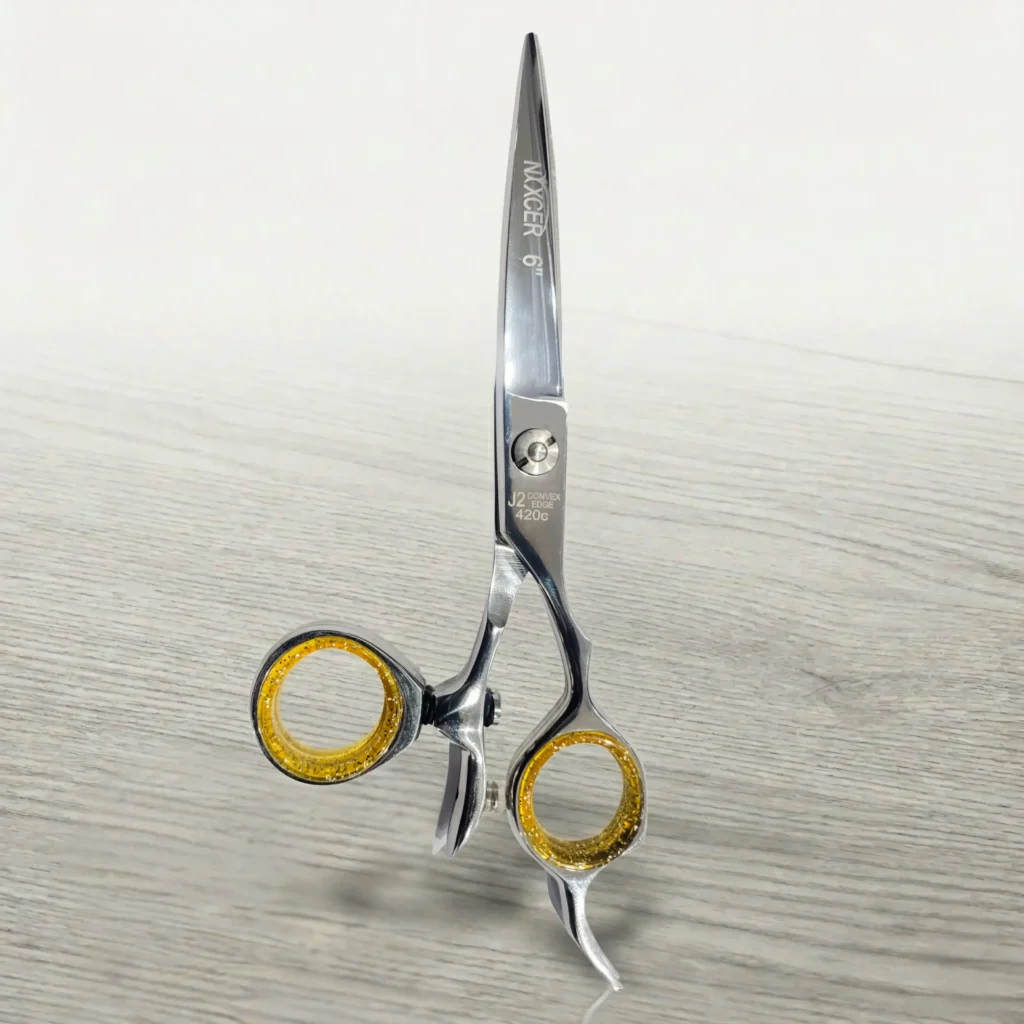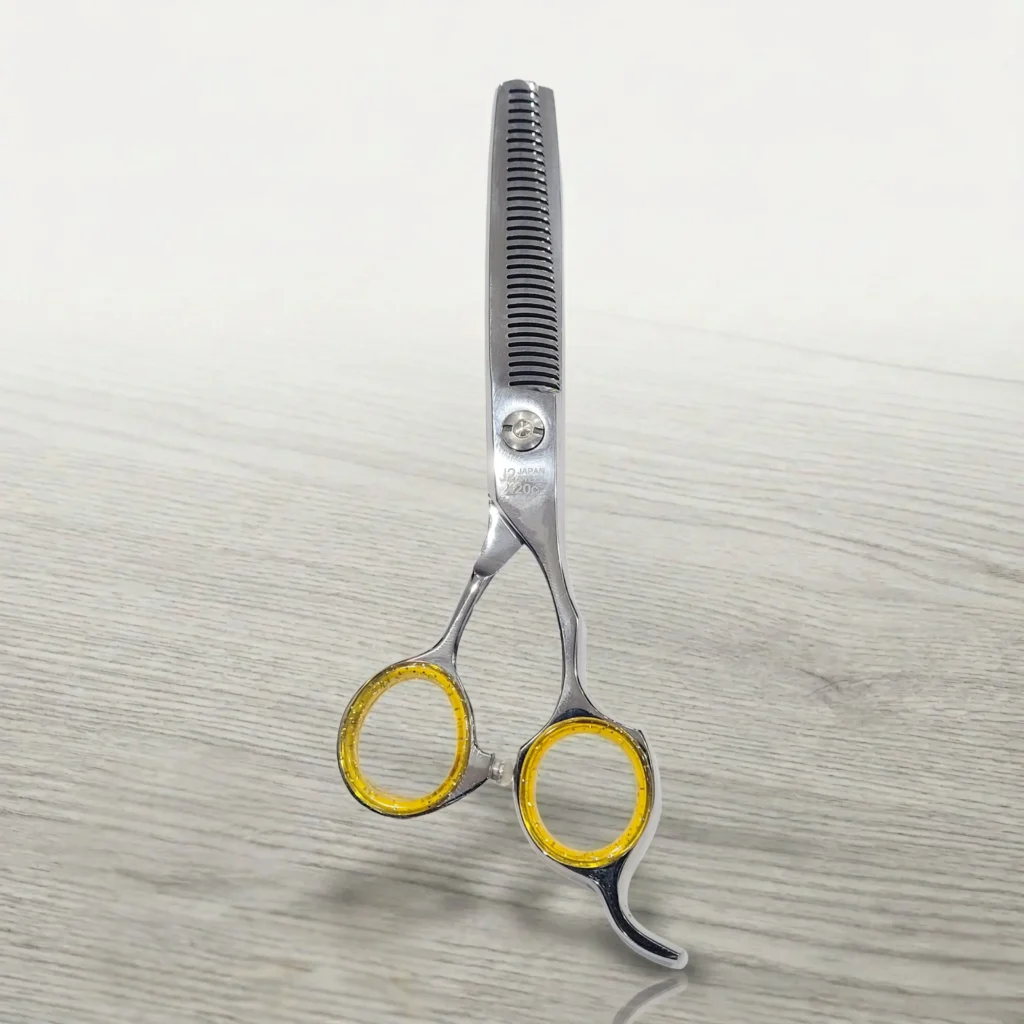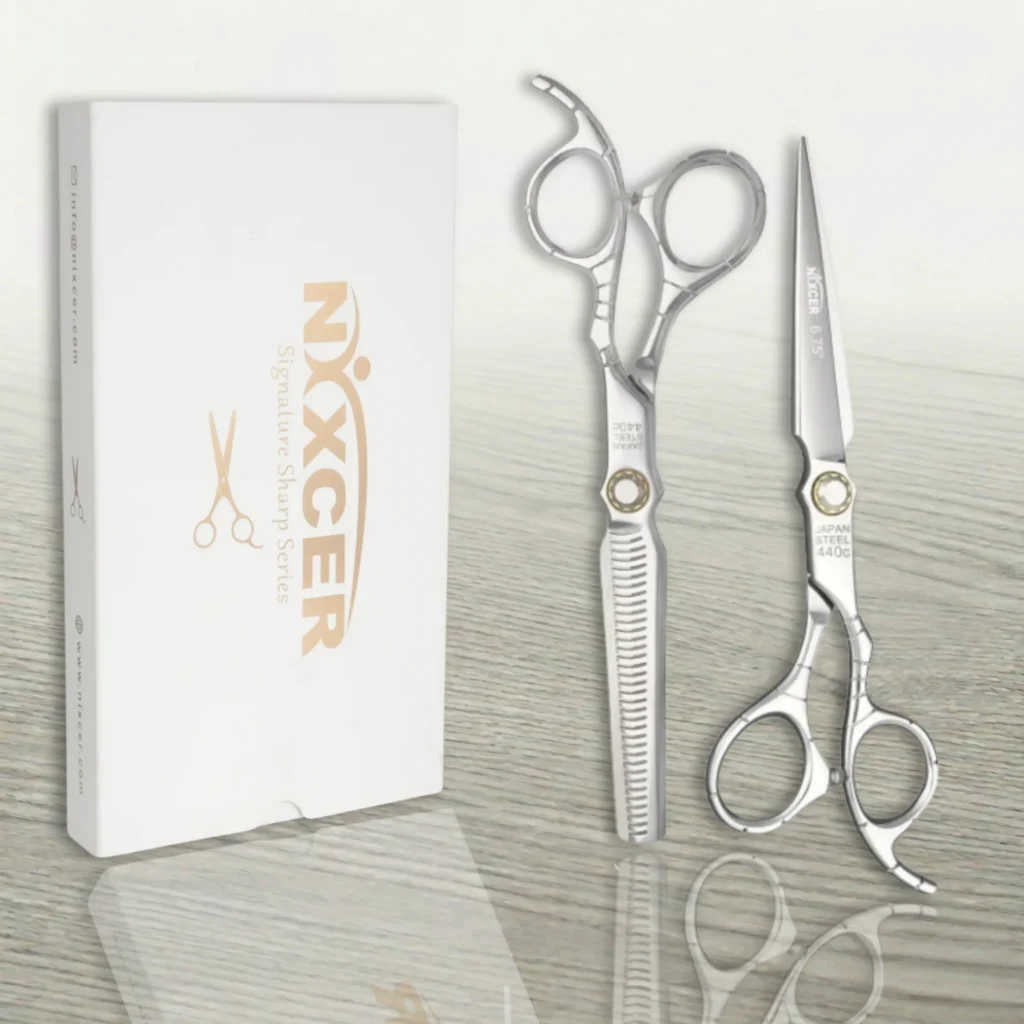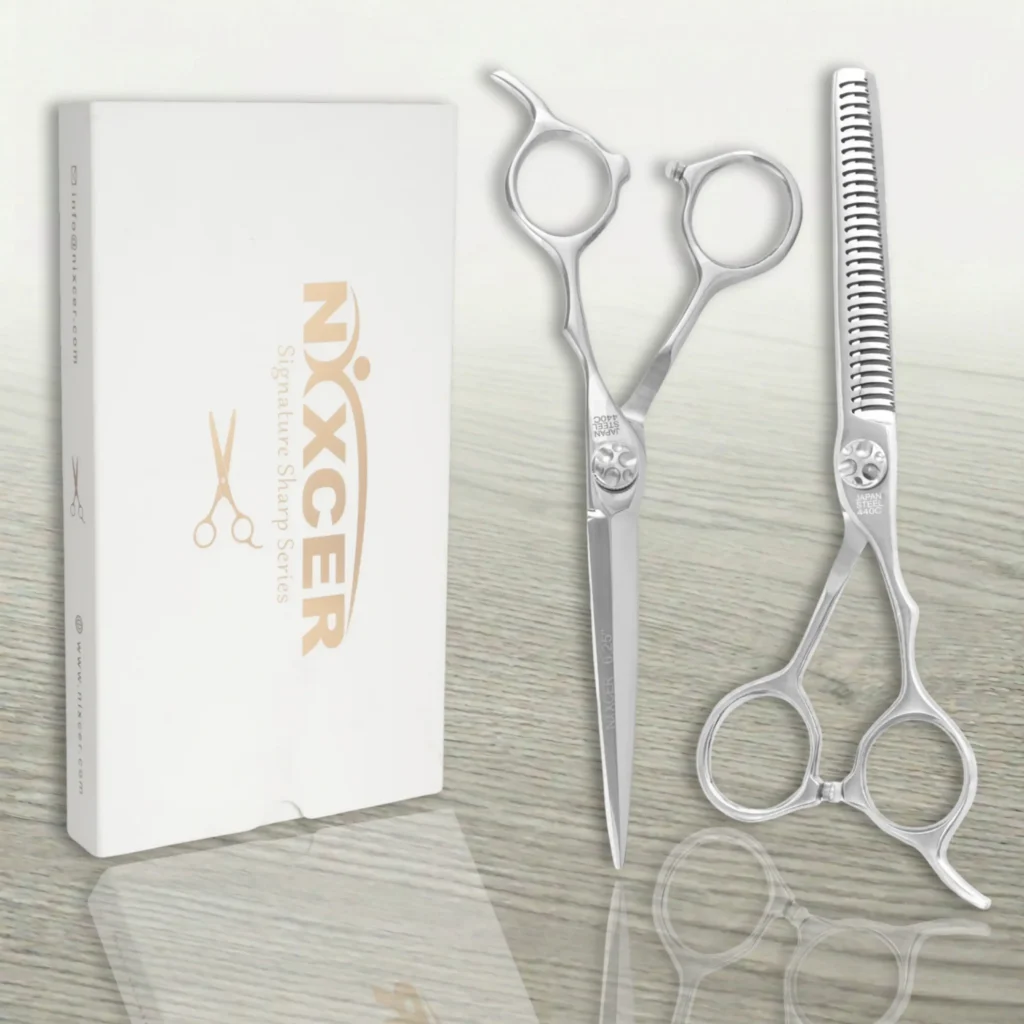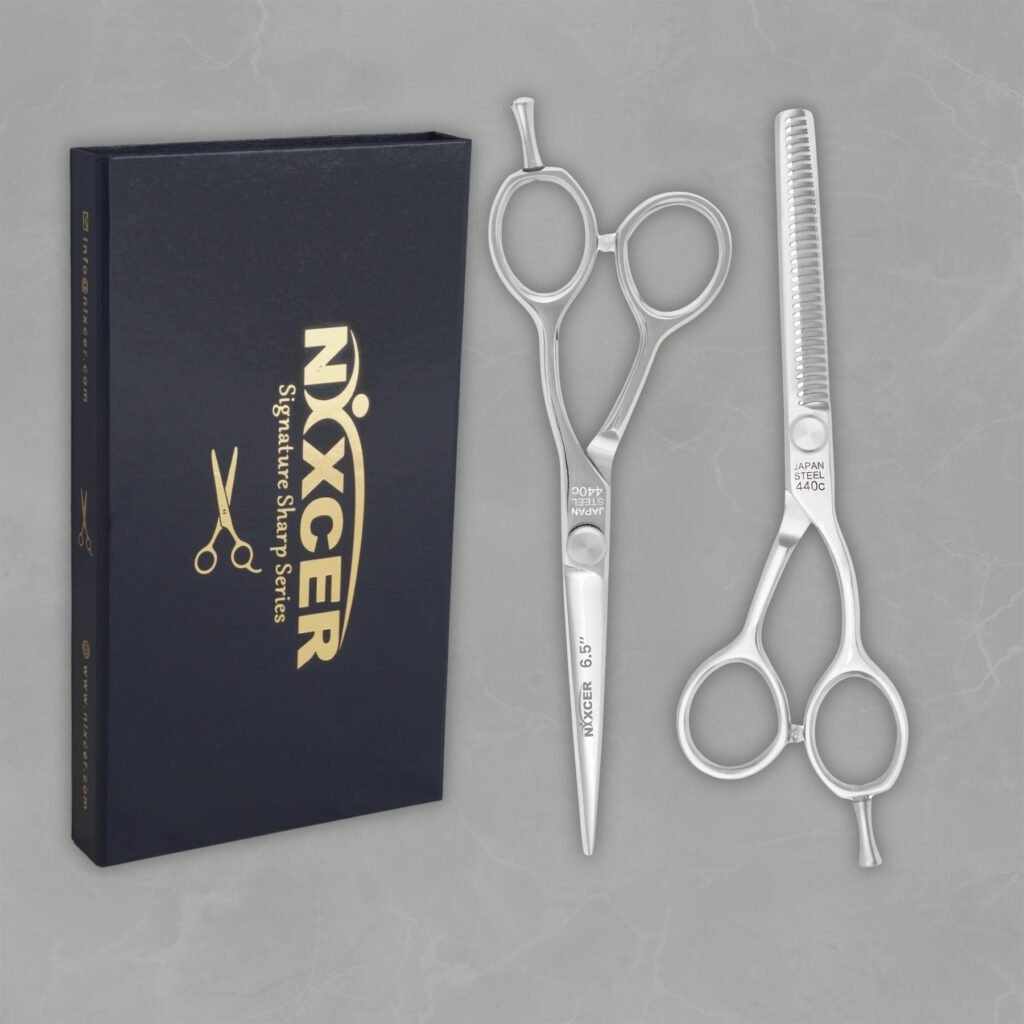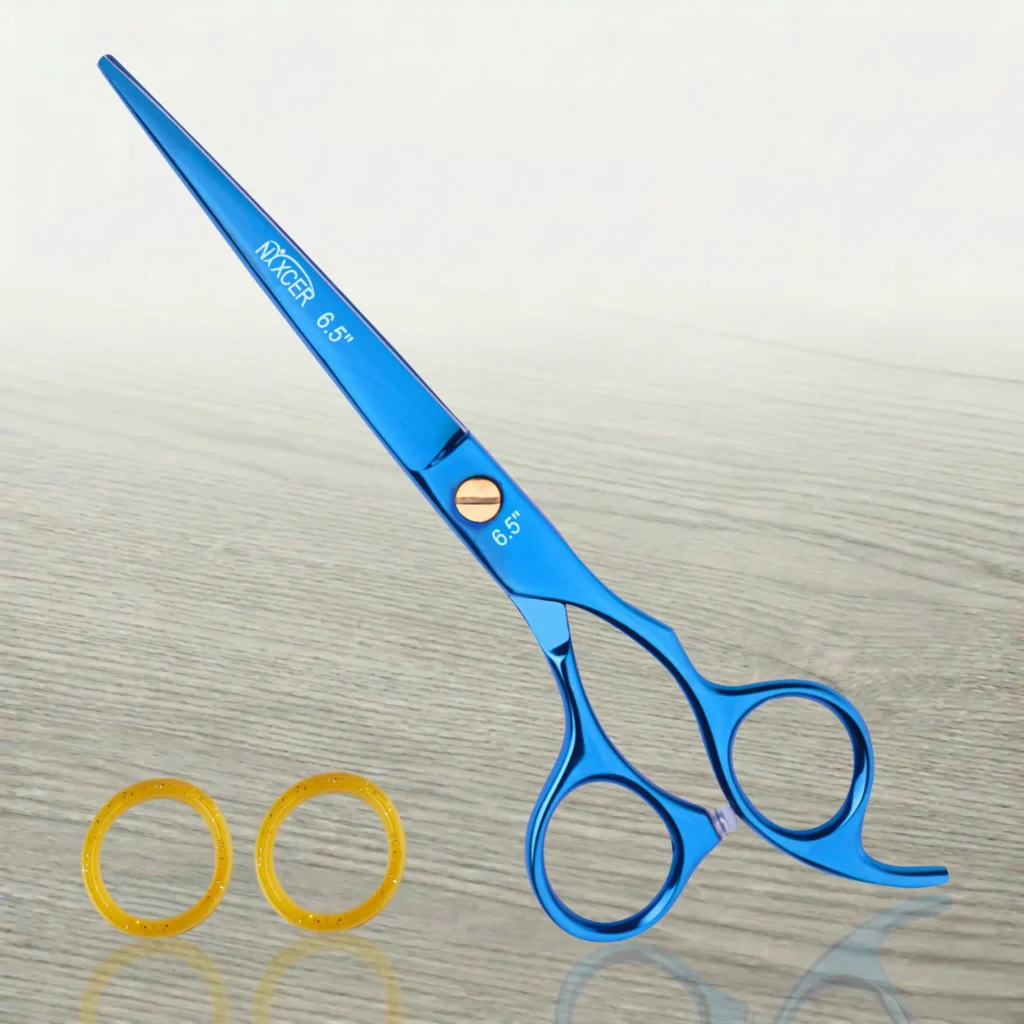
The perfect finger hole fit can change how a scissor feels in your cutting hand. If the thumb hole or ring finger hole is too tight, the shear can feel stiff and little uncomfortable. If the finger hole is too loose, the hair cutting scissors may slide, twist, or force you to grip harder. At Nixceroutlet, the goal is to help every stylist, barber, hairdresser, hairstylist, and hair stylist choose hair shears that fit well, reduce strain, and make cutting feel controlled.
The short answer is simple: your ring finger should sit comfortably in the finger hole, your thumb should move freely in the thumb hole, and the scissor should open and close without forcing your wrist. Finger holes fit correctly when you can hold the hair cutting scissors correctly, keep the blade stable, and cut hair without squeezing.
Why Finger Hole Fit Matters in Hair Cutting Scissors
Finger fit is one of the most overlooked parts of professional hair cutting. Many people focus on the blade, scissor size, or scissor brands, but the finger and thumb openings control comfort and accuracy.
Fit controls the blade
The blade follows the hand. If your finger or thumb floats inside the hole, the scissor blades can shift during a haircut.
Fit affects wrist position
A bad fit can bend the wrist or make the hand work harder. Over time, this may increase fatigue, rsi risk, and discomfort.
Fit improves confidence
When a pair of shears fits well, the stylist can focus on haircutting, section control, and finish instead of fighting the tool.
Core rule
The best finger hole fit gives control without squeezing.
How Hair Cutting Scissors Are Supposed to Fit
Hair cutting scissors are not held like kitchen scissors. Professional hairdressing scissors use the thumb, ring finger, middle finger, index finger, pinky, and finger rest in a balanced position.
Ring finger placement
The ring finger usually goes into the finger hole connected to the still blade. The finger should sit securely but not jam into the handle.
Thumb placement
The thumb should rest lightly in the thumb hole. Do not insert your thumb too deeply, because that can limit movement and reduce best control.
Index and middle finger support
The index finger and middle finger rest along the handle or shank to guide the shear. They help stabilize the tool while the thumb opens and closes the blade.
Fit reminder
The ring finger holds position. The thumb does most of the movement.
Learn How to Hold Hair Cutting Scissors Correctly
Before choosing inserts or a smaller hole, learn how to hold scissors correctly. A perfect fit starts with correct hand placement.
Step 1: Place the ring finger
Insert the ring finger into the finger hole. The tang or finger rest should sit where the pinky can rest naturally.
Step 2: Insert your thumb lightly
Insert your thumb into the thumb hole only far enough to control the moving blade. If your thumb gets stuck, the hole may be too small or the angle may not match your hand.
Step 3: Support with the other fingers
The middle finger and index finger should support the handle. This makes cutting more stable and keeps the hand relaxed.
Holding rule
To hold hair cutting scissors correctly, guide with the fingers and move mostly with the thumb.
How to Check if Finger Holes Fit Perfectly
Finger holes fit when the scissors feel secure but not trapped. The goal is a perfect fit, not a tight fit.
Too loose
If the scissor slides, twists, or drops away from your hand, the finger hole may be too large. A proper insert can help reduce extra space.
Too tight
If the thumb or ring finger feels pinched, numb, or hard to remove, the hole is too small. Tight holes can make cutting slower and more tiring.
Just right
The right size lets the shear stay stable while allowing small adjustments. Your thumb and ring finger should fit well without pressure.
Fit test
A good fit lets you stop, release, and reposition without pain.
Should You Use Finger Inserts?
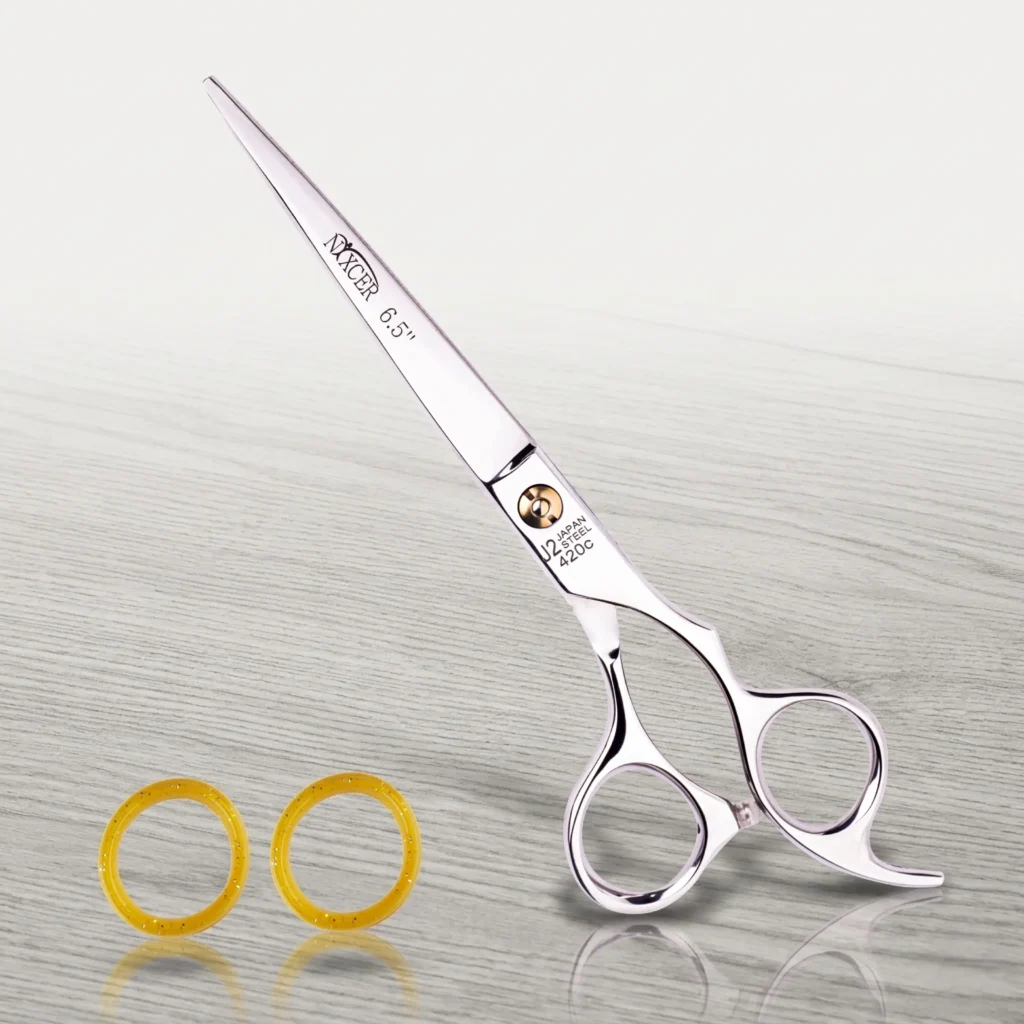
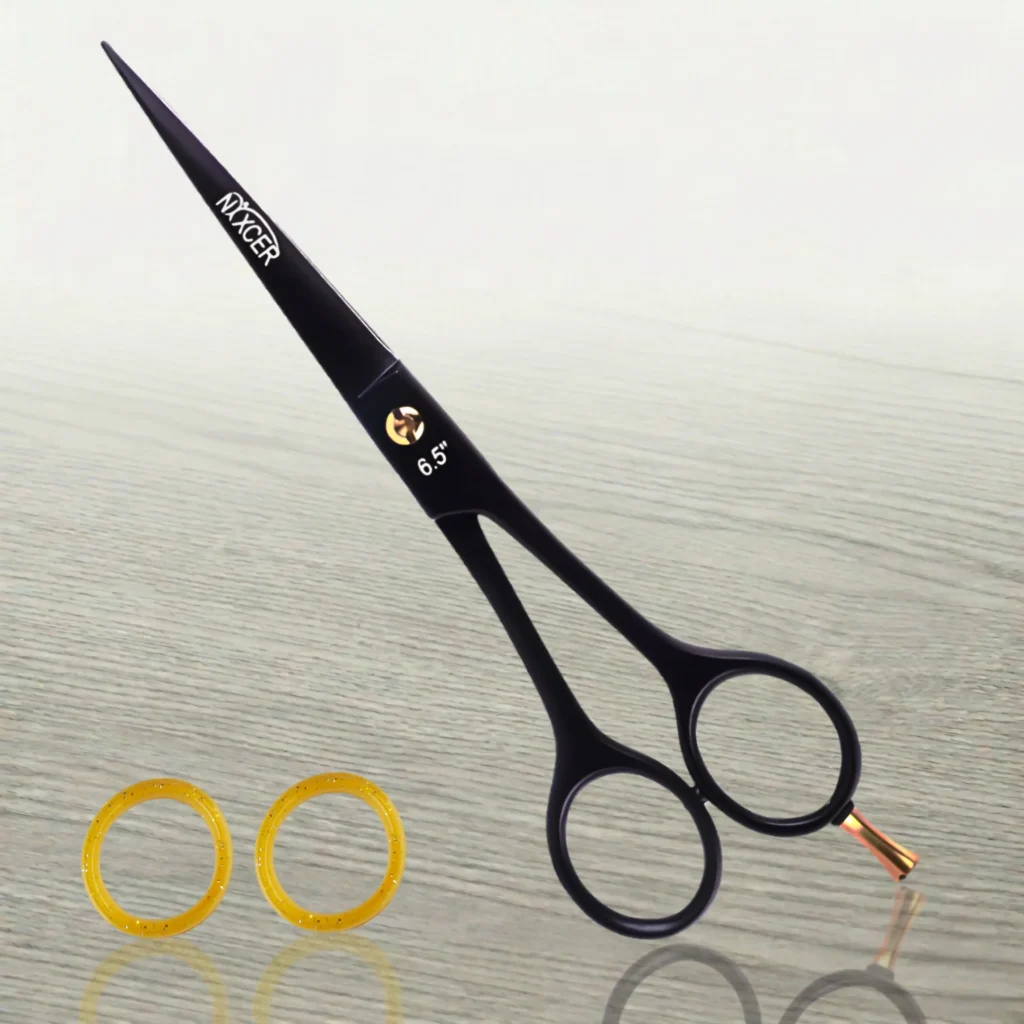
Finger inserts are small removable rings placed inside the finger hole or thumb hole. They help customize fit when the holes are too large for the hand.
When inserts help
An insert can make an average size hole feel smaller and more secure. It can improve comfort when the shear feels loose.
When inserts do not help
If an insert locks the hand in one position, it may reduce advanced control. Personal preference and cutting technique matter.
How to test inserts
Try the shear with and without inserts. Open and close the blades, then check whether your cutting hand stays relaxed.
Insert rule
Use inserts to improve fit, not to force a scissor that is the wrong size.
Scissor Size, Handle Shape, and Finger Hole Comfort
Scissor size and handle design change how the finger holes feel. A 5.5 inch shear may feel different from a 6 inch model even when the ring diameter looks similar.
Offset handle
An offset handle can reduce thumb reach and support a more relaxed wrist. Many hair cutting shears use offset geometry for comfort.
Crane handle
A crane handle can lower the elbow and help the hand stay in a neutral position. This can reduce strain during long salon work.
Swivel handle
A swivel thumb lets the thumb rotate more naturally. Swivel shears can help some hairstyling and barbering techniques feel smoother.
Handle rule
The handle changes the fit as much as the hole size does.
Ergonomics and Wrist Strain
Ergonomics is about making the scissor work with the hand, not against it. A good fit may help reduce strain, especially during long hairdressing days.
Wrist comfort
If the wrist bends sharply while cutting, check the scissor size, handle, and finger hole fit. The tool should support a comfortable wrist position.
Carpal tunnel syndrome warning
Bad fit and repeated force may contribute to hand fatigue and discomfort. If you feel numbness, weakness, or pain, seek professional medical advice.
RSI prevention habits
Short breaks, correct grip, sharp blades, and a comfortable shear can reduce strain. Ergonomic tools help most when paired with good technique.
Comfort rule
Scissors should make cutting easier, not make your hand work harder.
The Role of Tang and Finger Rest
The tang is the small hook or rest where the pinky sits. The finger rest helps balance the scissor and keeps the hand steady.
Why the tang matters
The tang supports the pinky and helps reduce twisting. It also improves control during detailed hair cutting.
Fixed vs removable tang
Some shears have a fixed tang, while others have a removable finger rest. Choose what feels natural for your hand.
Balancing the hand
When the tang, thumb hole, and finger hole all fit, the scissor feels more balanced and easier to control.
Balance rule
The tang should support the hand without forcing the pinky to stretch.
How Professionals Choose the Best Fit
A professional hair cutting fit is tested in motion. Do not judge a pair of shears only by looking at the rings.
Test the opening motion
Open and close the scissors slowly. The thumb should move freely while the ring finger stays steady.
Check cutting posture
Hold the scissors in the same position you use behind the chair. If the tool feels improper or unstable, try another size or handle.
Compare several shears
Try different scissor size options, handle shapes, and inserts. Choose the best shear by comfort, not only by brand.
Professional rule
The best fit is the one that stays comfortable during real cutting.
Nixceroutlet Product Links for Better Fit
Nixceroutlet offers hair cutting scissors, hair cutting shears, hair shears, and hairdressing scissors for different hand preferences. Browse current options on the Nixcer Outlet shop.
For everyday cutting control
The Professional Sharp Series Razor Edge Hair Cutting Scissors can support clean cutting, professional hair cutting, and steady hand control when the fit is right.
For thinning and finishing
The Nixcer Professional Series Hair Thinning Scissors can help with blending and finishing when shears correctly fit the hand.
Internal linking note
Keep product links limited so readers can focus on choosing fit first.
Common Finger Hole Mistakes to Avoid
Most fit problems come from trying to force the hand into the tool instead of choosing the tool for the hand.
Using holes that are too large
Large holes can reduce control and make the shear move around the hand. Inserts may help if the base scissor is otherwise correct.
Using holes that are too small
A smaller hole is not always better. If the finger cannot move naturally, the scissor may increase strain.
Ignoring hand preference
Personal preference matters. Two stylists can use the same scissor and need different inserts or handle styles.
Mistake rule
Never keep using a scissor that causes pain just because it is expensive.
Frequently Asked Questions
How should finger holes fit on hair cutting scissors?
They should feel secure but not tight. The ring finger and thumb should sit comfortably while the scissor opens and closes without pressure.
Should I use finger inserts in my shears?
Use inserts if the finger holes are too large and the scissors feel loose. Remove them if they restrict movement or make the tool uncomfortable.
Which fingers go in hairdressing scissors?
Most stylists place the ring finger in the finger hole and the thumb in the thumb hole. A simple way to remember professional scissors is to place the ring finger first, then settle the thumb lightly. The index finger and middle finger support the handle, and the pinky rests on the tang.
Can bad finger hole fit cause wrist pain?
It can contribute to strain because the hand may grip harder or bend awkwardly. Persistent wrist pain should be checked by a professional.
What is the right size scissor for most stylists?
There is no single right size. Many stylists use 5.5 or 6 inch shears, but the best choice depends on hand size, scissor size, technique, and comfort.
Final Thoughts
Finding the perfect finger holes for your hair cutting scissors is about comfort, control, and long-term hand health. The right fit should let your thumb move freely, your ring finger stay stable, and your wrist remain relaxed. Before you choose the best scissor, test the finger holes, handle shape, tang, insert options, and blade movement. A pair of shears that fit perfectly can make cutting smoother, safer, and more precise.