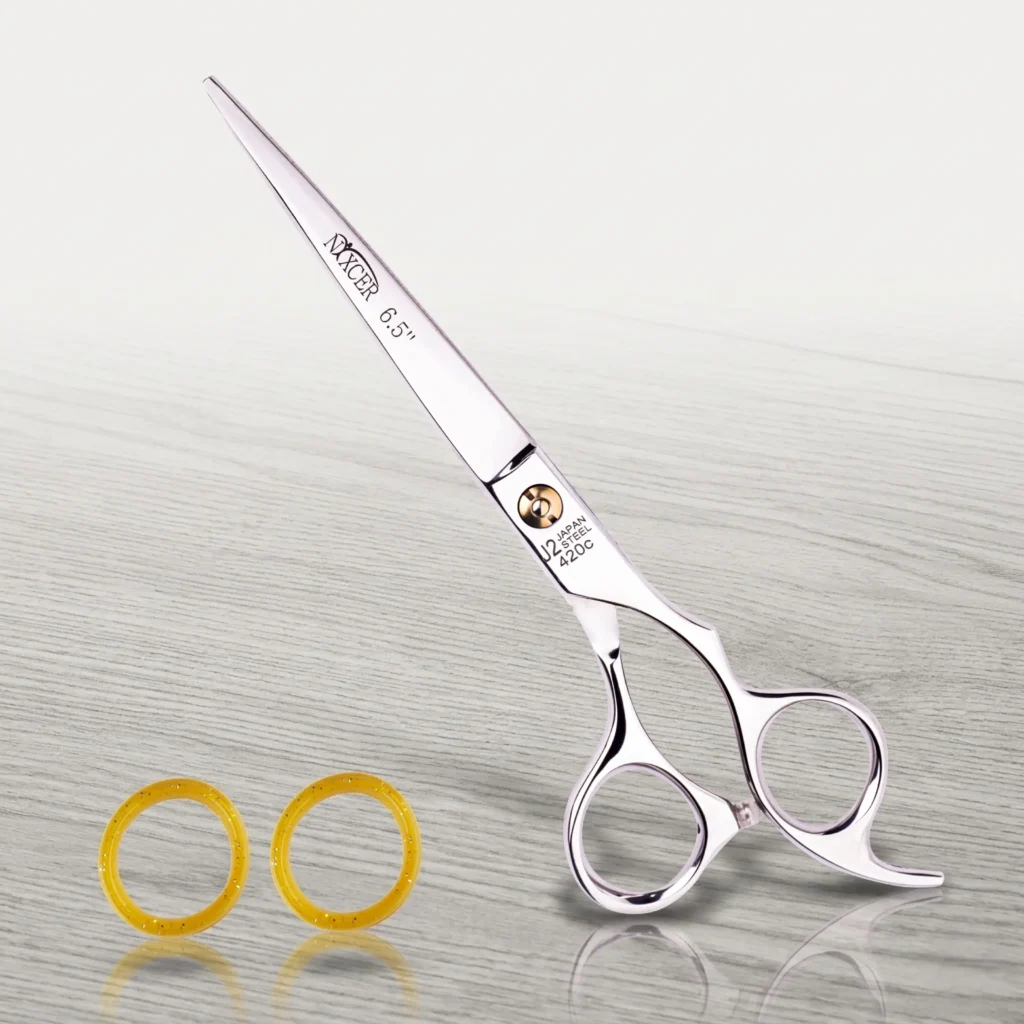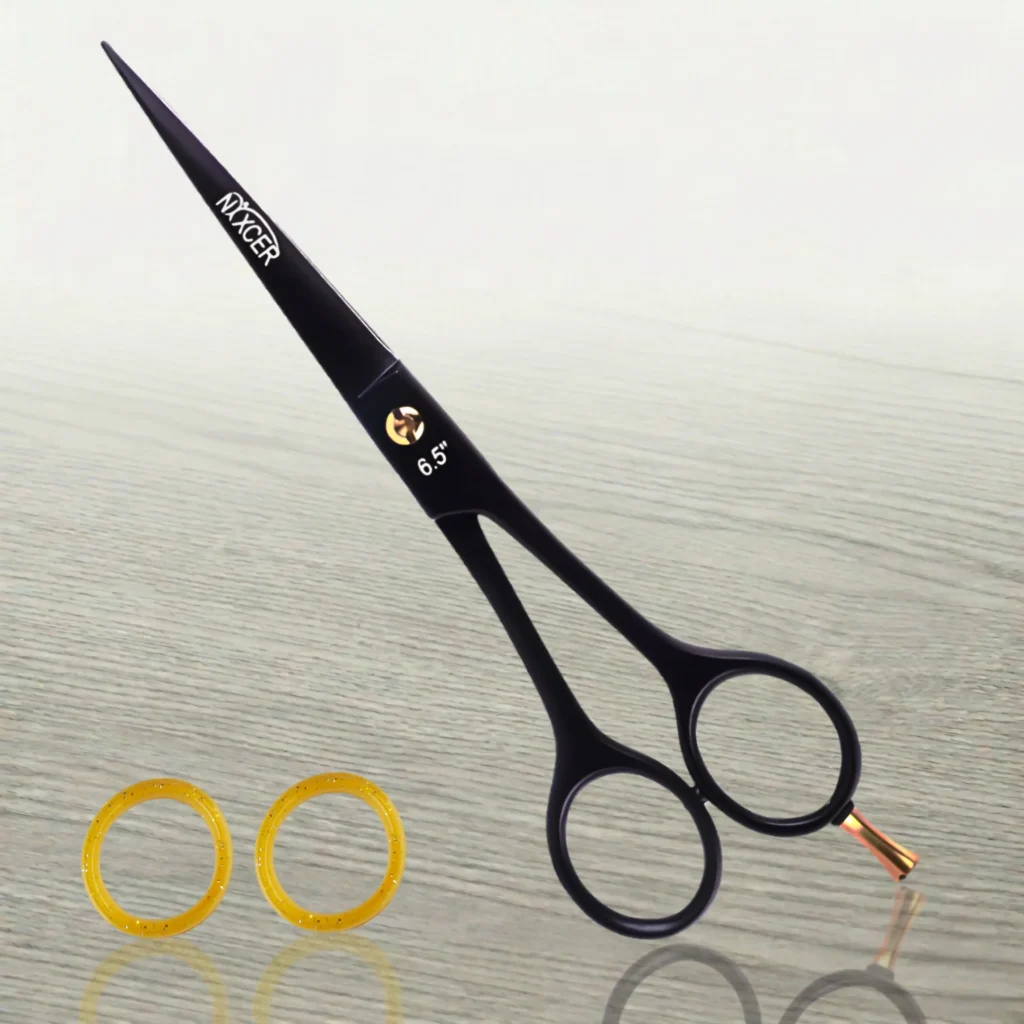
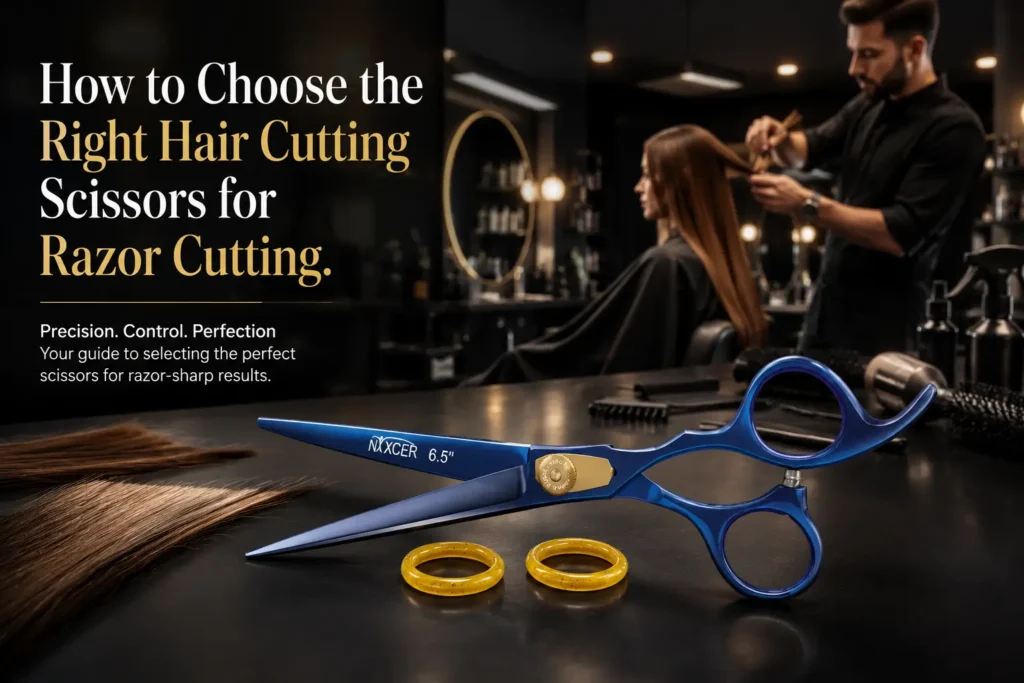
Razor cutting is all about soft movement, clean texture, and controlled removal. The right scissor, shear, hair cutting scissors, and hair cutting shears can help a stylist create a razor-like finish without tearing the hair. At Nixceroutlet, the focus is on helping barbers, hairstylists, salon teams, and home users choose the best tool for safe, smooth, professional results.
The short answer is this: choose a sharp cutting shear with the right blade, smooth tension, an ergonomic handle, and enough control for your hair type. Razor cutting effects often depend on slide cutting, point cutting, texturizing, and precision cutting techniques, so low-quality scissors or regular scissors can cause hair damage, uneven ends, and a rough haircut.
What Razor Cutting Means in Hair Cutting
Razor cutting is a cutting style that creates soft edges instead of heavy blunt lines. A stylist may use a razor, but many modern cutting techniques can also create a razor-like result with the right scissors.
Razor-like movement with scissors
Hair cutting scissors can create softness when the blade glides through the section. This is common in slide cutting, point cutting, and texture work.
Why the right blade matters
The blade decides whether the scissor glides, pushes, grabs, or damages hair. For razor-inspired work, smooth cutting is more important than aggressive chopping.
Who needs this guide?
This guide is for any professional hair stylist, barber, hairstylist, or learner who wants to find the right pair of scissors for razor cutting and soft finishing.
Core idea
Razor cutting needs control, not force.
Choose the Right Blade for Razor Cutting
The blade is the first feature to check when choosing the right scissors. A cutting blade for razor-style work should feel sharp, clean, and controlled.
Convex blade feel
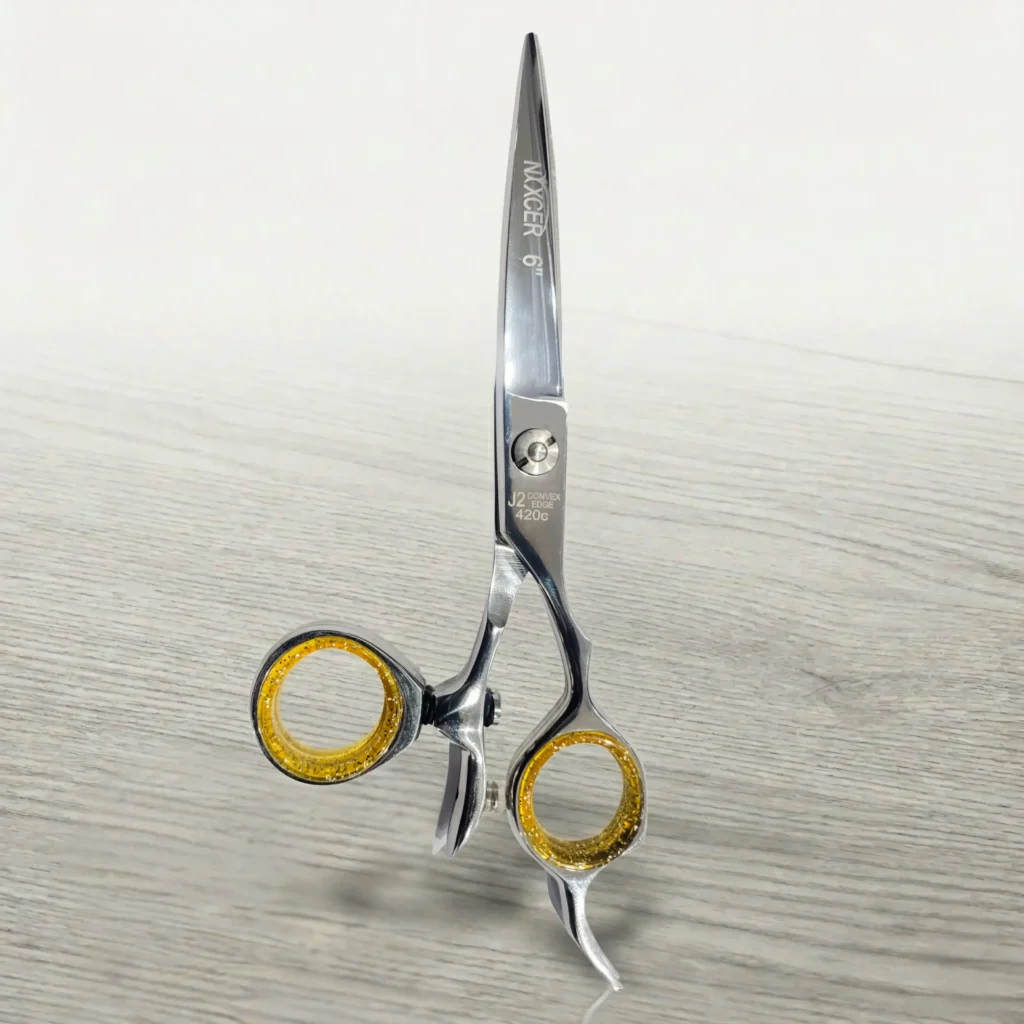
A convex edge is often preferred for precision because it gives a smooth, razor-like cutting feel. It can support slide cutting, dry cutting shear work, and detailed finishing.
Beveled and semi-convex options
Beveled blades can be durable for standard cutting tasks, but they may not glide as freely. Semi-convex blades can be a middle ground for professional use.
Types of blades to compare
Common types of blades include convex, bevel, semi-convex, and micro-serrated edges. For razor cutting, avoid blades that grab too hard unless you need control for coarse hair or blunt work.
Blade rule
For a soft razor finish, choose sharp glide over heavy grip.
How to Choose the Best Hair Cutting Scissors for Razor Work
To choose the best hair cutting scissors, match the scissor to your cutting technique, hair type, hand size, and daily cutting experience. The best hair tool is the one that helps you cut hair cleanly without strain.
Start with your cutting style
If you use slide cutting often, choose scissors that glide smoothly. If you do point cutting and detailing, a shorter pair of shears can give better tip control.
Match the hair type
Fine hair, thin hair, coarse hair, dry hair, and wet and dry hai work need different control levels. The right tool should cut without pushing or folding the strand.
Think about professional hair goals
Professional hair cutting is not only about sharpness. It includes balance, comfort, precision, and clean finishing over long cutting sessions.
Selection rule
Choose the best tool by technique first, then size, steel, handle, and price.
Key Features to Look For
Professional shears for razor cutting should support both comfort and accuracy. Look for high-quality construction instead of shiny marketing words.
Stainless steel quality
Stainless steel is common in professional hair cutting scissors because it can support durability and edge life. Best quality steel helps the blade stay sharper for longer when maintained properly.
Ergonomic comfort
An ergonomic scissor can reduce wrist strain during long salon work. Ergonomic scissors with an offset handle, finger rest, and balanced weight can make precision cutting easier.
Tension and smooth opening
Smooth tension helps the blades open and close without catching. A poorly adjusted pair of shears can make even the best professional hair cutting technique feel rough.
Comfort rule
A tool that hurts your hand will eventually hurt your cutting line.
Best Professional Hair Cutting Scissors for Different Razor Techniques
The best professional hair cutting scissors depend on the technique. Different shears and shears for different hair needs can change the final result.
Types of hair cutting scissors
Common types of hair cutting scissors include standard cutting shears, thinning scissors, texturizing shears, barber shears, and slide-cutting shears. These types of scissors support different types of hair cutting, from blunt lines to soft razor-inspired movement.
For slide cutting
Slide cutting needs a very smooth edge and strong control. A convex or slide-friendly blade can help the scissor move through the hair without snagging.
For point cutting
Point cutting needs tip control. A shorter shear, often around 4.5 to 5.5 inches, can help the stylist place small details exactly where needed.
For texturizing
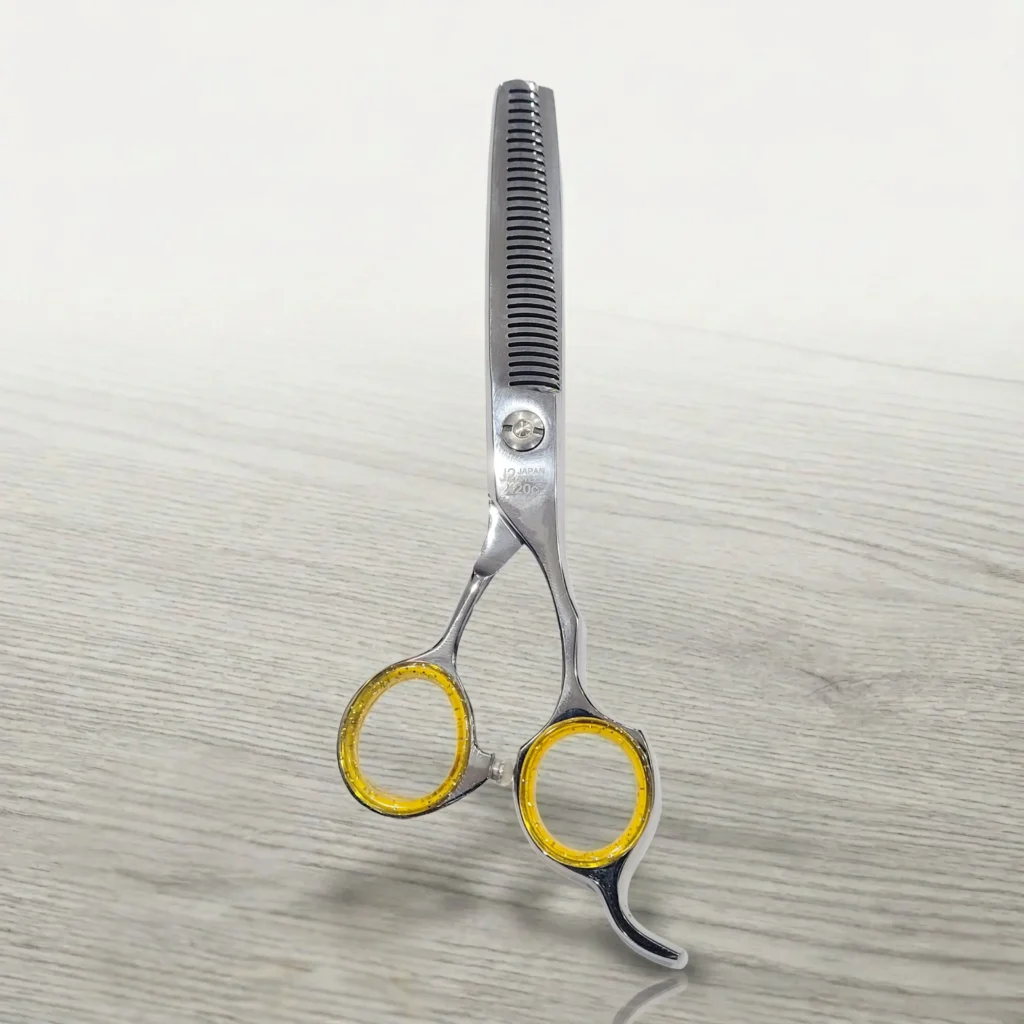
A texturizing shear or thinning scissors can soften bulk, but they are different from razor cutting scissors. Use thinning shears carefully because curved teeth or aggressive teeth can remove more hair than expected.
Technique rule
One pair of scissors can do a lot, but no single scissor is perfect for every technique.
Hair Cutting Shears for Professionals vs Hair at Home
Hair cutting shears for professionals are built for repeated use, sharper cutting, and more control. Hair at home tools can work for small trims, but they should still be real hair-cutting scissors.
Professional use
Professional stylists and barbers need reliable professional hair shears for everyday work. A set of scissors may include a main cutting shear, thinning shears, and a texturizing shear.
Home use
If you cut hair at home, choose scissors designed for hair instead of ordinary scissors. Ordinary scissors can crush hair, create split ends, and make razor-style work unsafe.
Right pair of scissors for learning
A right pair of scissors for beginners should feel stable and not too long. Many learners find the right scissors in the 5.0 to 6.0 inch range, depending on hand size.
Practical rule
Do not learn advanced cutting techniques with dull household tools.
Choosing the Right Scissors by Hair Type
Choosing the right scissors becomes easier when you start with hair type. Razor cutting on thick hair is not the same as razor cutting on thin hair.
Fine or thin hair
Fine hair needs a clean blade and light pressure. Too much texturizing can make it look weak, so use precision cutting instead of heavy thinning.
Coarse hair
Coarse hair may need stronger cutting power and durable professional shears. The cutting shear should stay stable without forcing the stylist to squeeze harder.
Wet and dry work
Wet and dry hair cutting requires a blade that stays smooth in both conditions. Dry hair shows the final texture, while wet hair can make section control easier.
Hair type rule
The right scissors should respect the hair, not fight it.
Why Regular Scissors Are a Bad Choice
Regular scissors are not built for professional hair cutting. They may look sharp, but they usually do not have the blade geometry, balance, or smooth tension needed for razor cutting.
Low-quality scissors can damage hair
Low-quality scissors can fold the strand, create rough ends, and increase hair damage. They also make precision work harder.
Kitchen scissors are not hair scissors
Hair scissors are made for clean cutting. Kitchen or craft scissors are made for different materials and should not be used for detailed haircut work.
Professional results need professional tools
Professional results come from the right tool, good technique, sharp blades, and steady control. Scissors alone cannot replace training, but poor scissors can ruin good technique.
Warning
If the blade pushes hair before it cuts, stop and sharpen or replace the tool.
Size, Handle, and Control
Size and handle design affect comfort, speed, and accuracy. The right pair of shears should feel balanced in the hand.
Shorter shears
Shorter shears can support detail work, point cutting, and face-framing. A 4.5 inch scissor may be useful for very precise work, but many stylists prefer slightly longer daily shears.
Longer shears
Longer shears can help with scissor-over-comb, longer sections, and broader cutting tasks. They may feel less controlled for tiny detail work.
Left-handed support
Left-handed stylists should choose true left-handed scissors, not simply flipped right-handed shears. Blade orientation and handle comfort both matter.
Fit rule
The best shears are the ones you can control without changing your natural hand position.
Nixceroutlet Product Links for Razor Cutting
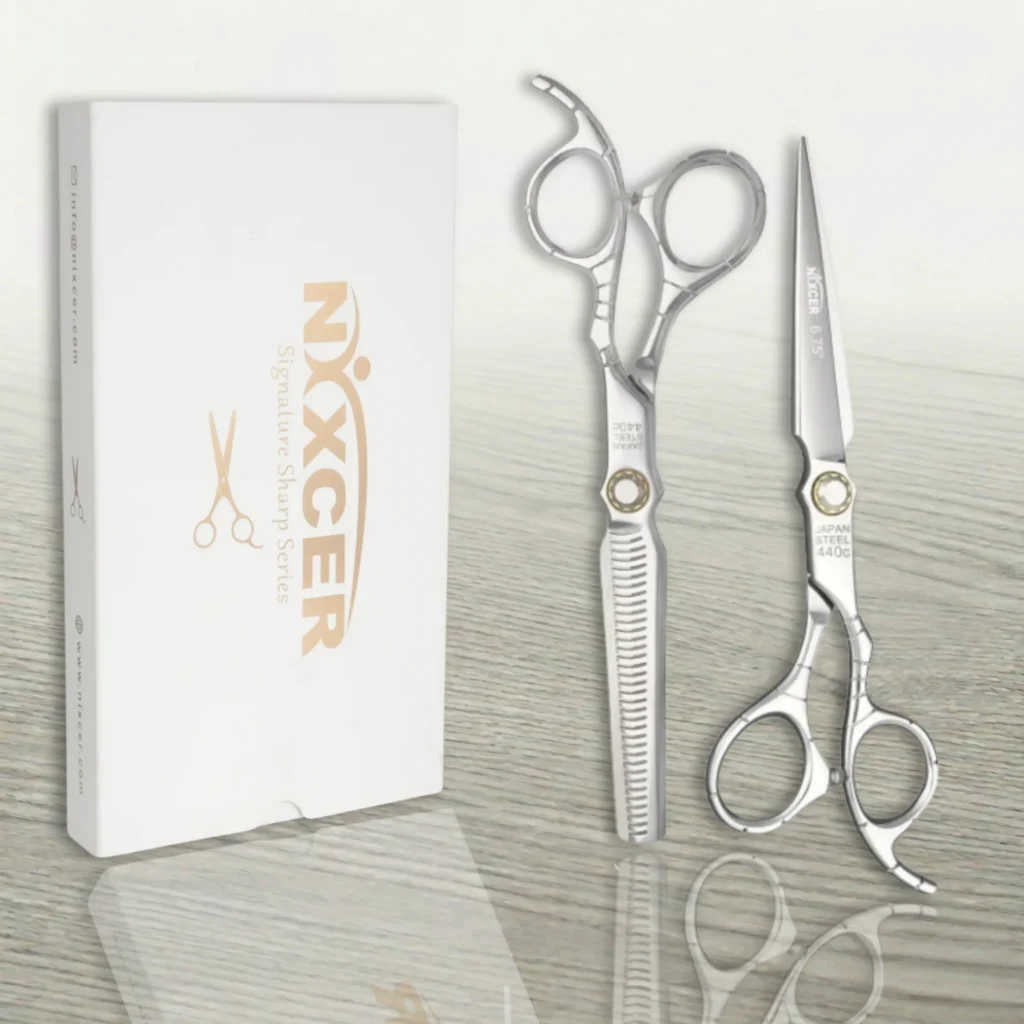
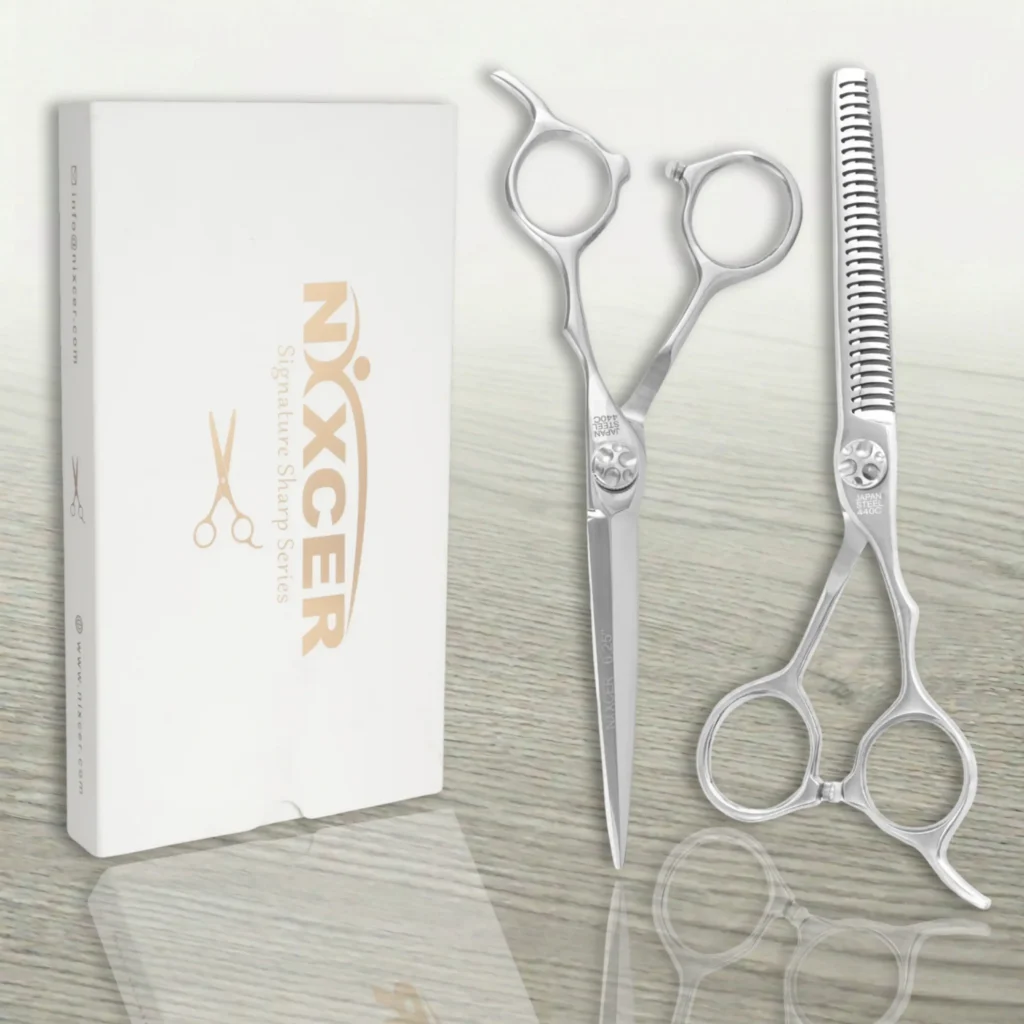
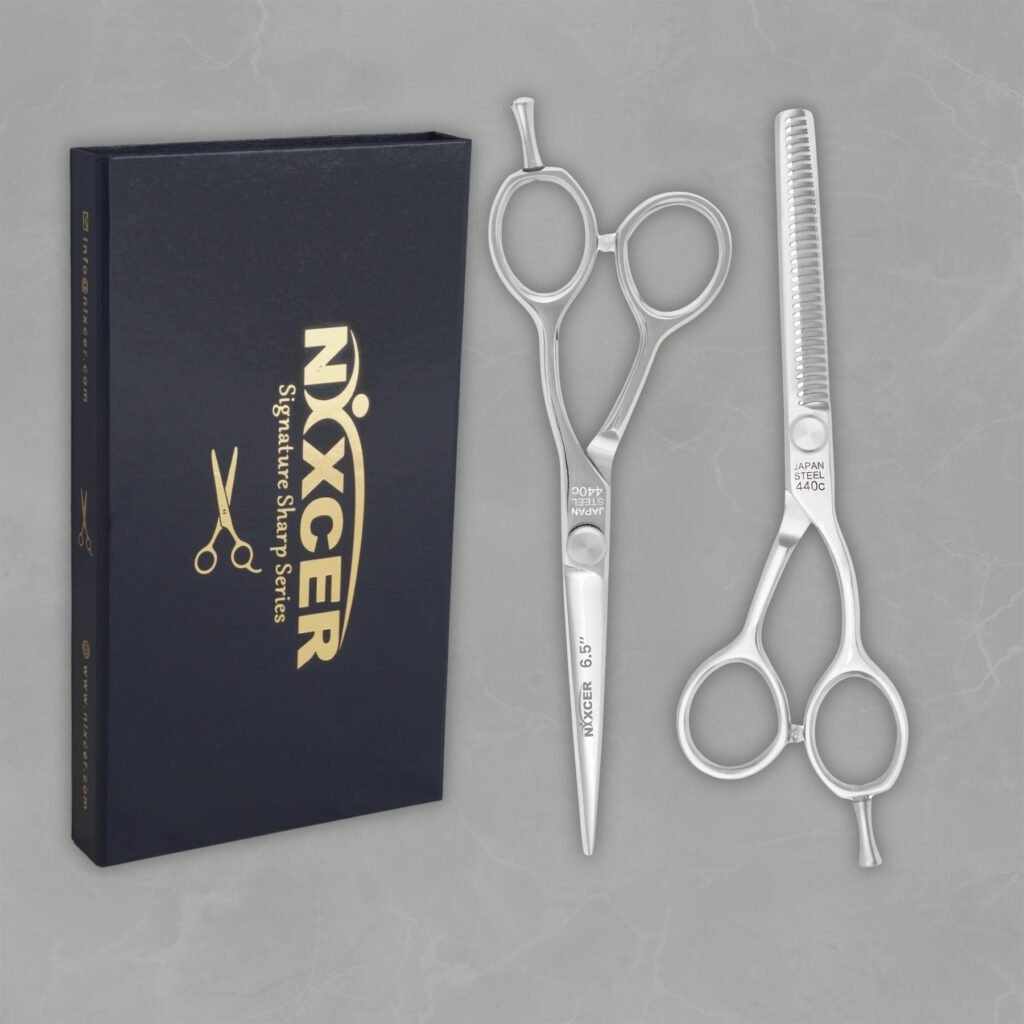
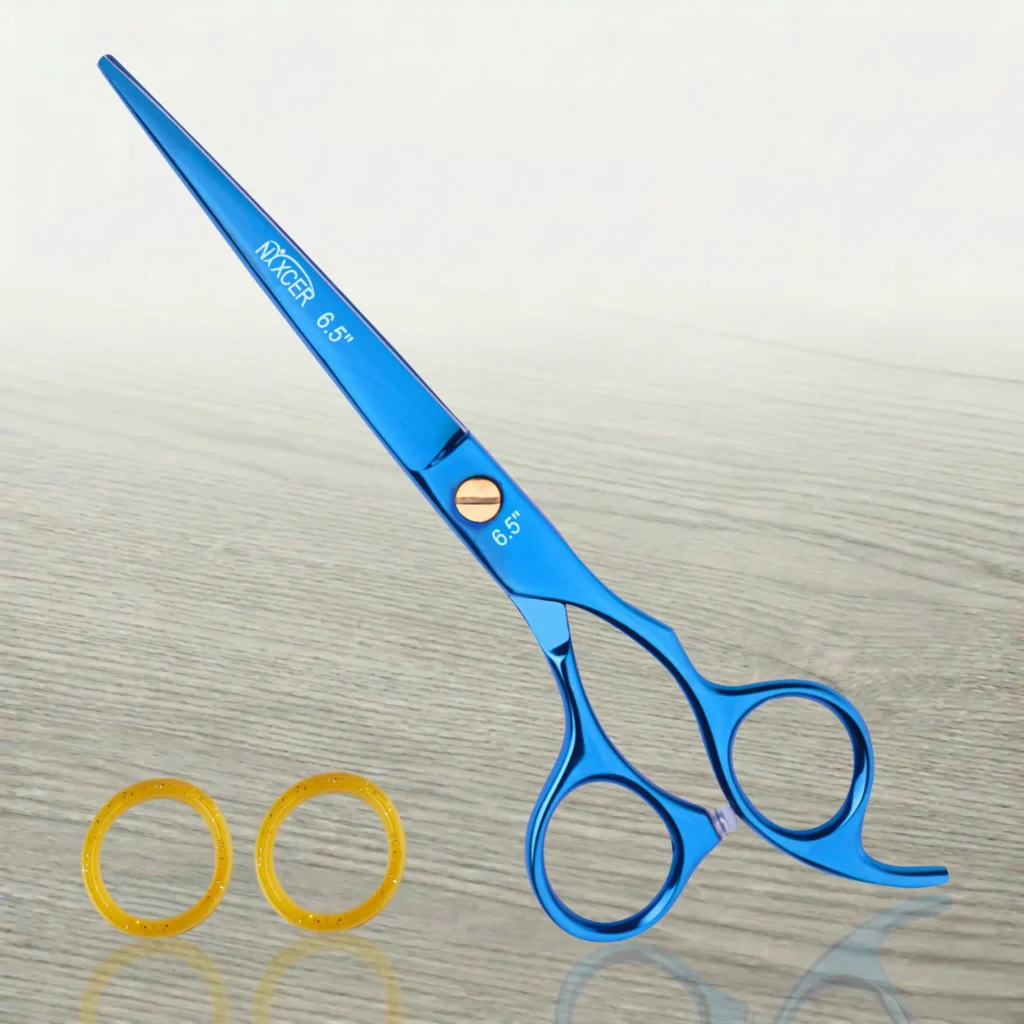
Nixceroutlet offers hair cutting scissors, cutting shears, haircutting shears, professional hair cutting scissors, and hairdressing scissors for different cutting needs. You can compare current options on the Nixcer Outlet shop.
For razor-like clean cutting
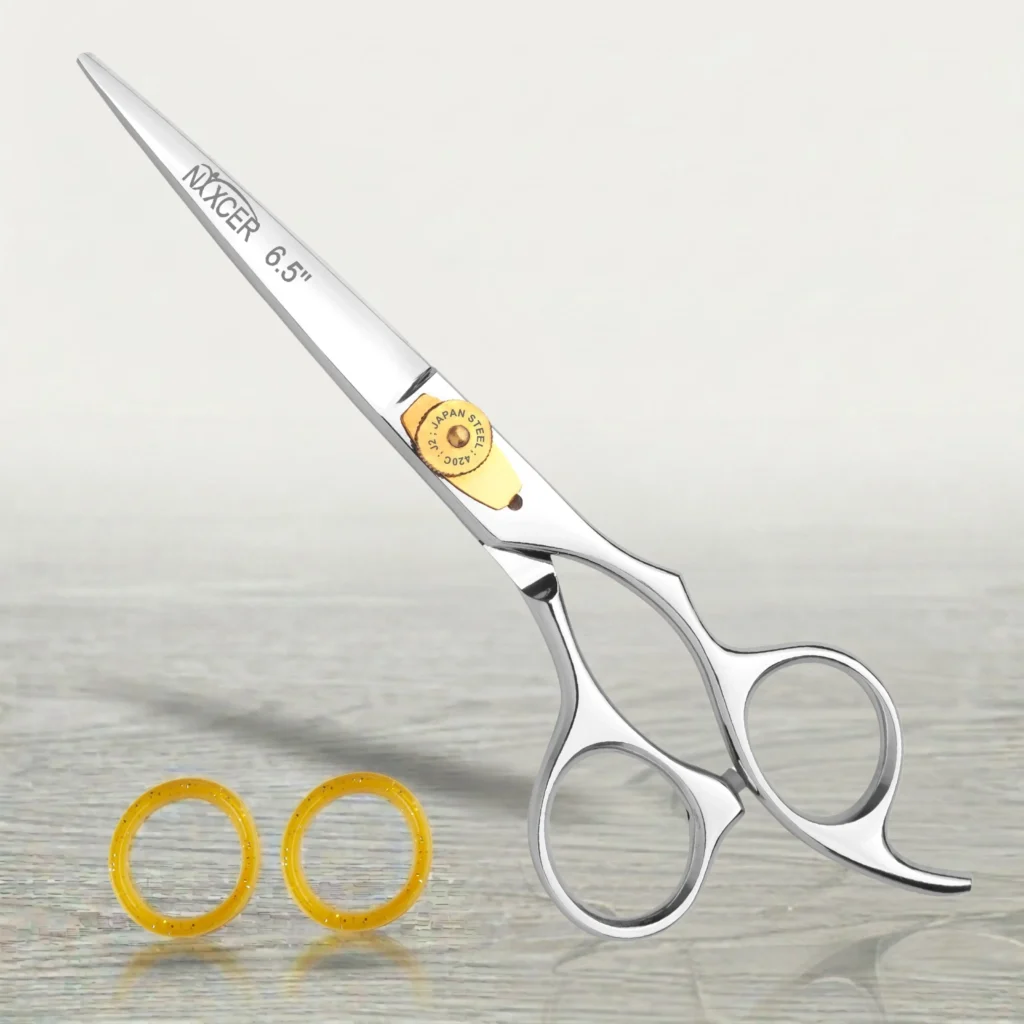
The Professional Sharp Series Razor Edge Hair Cutting Scissors can support clean edges, slide cutting, point cutting, and perfect hair cutting work when used correctly.
For texture and thinning
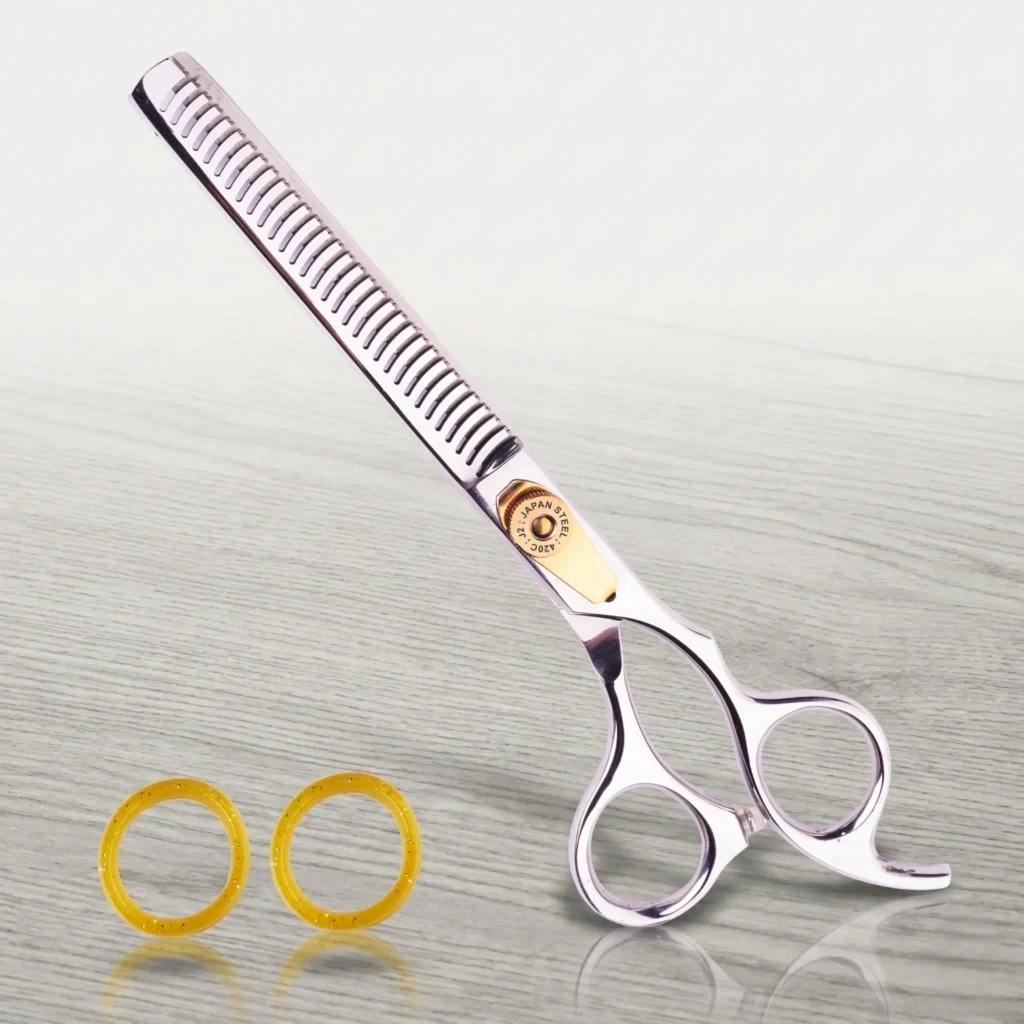
The Nixcer Professional Series Hair Thinning Scissors can help with softening, blending, and controlled thinning when the style needs texture.
Internal linking note
Keep links focused so readers can choose scissors without feeling overloaded.
Maintenance: Clean Your Shears and Sharpen Correctly
Even the best hairdressing scissors need care. A sharp, clean, adjusted scissor protects both the haircut and the stylist.
Clean your shears after each service
Clean your shears after every cut to remove hair, product, and moisture. This helps protect stainless steel and keeps movement smooth.
Sharpen with care
Convex and razor-style blades need the right sharpening method. Do not let an untrained sharpener flatten the edge or change the cutting feel.
Check tension often
Good tension helps the blade cut cleanly. Poor tension can make the scissors pull, fold, or chew the hair.
Maintenance rule
A maintained mid-range shear often cuts better than an expensive neglected one.
External Source Suggestions
For reader trust, this article can cite Scissor Lab on convex, flat, and bevel blade types:
It can also cite Allure’s stylist-backed guidance on using proper hair shears instead of kitchen scissors:
Frequently Asked Questions
What scissors are best for razor cutting?
The best hair cutting scissors for razor cutting are sharp, smooth, and easy to control. Convex edge shears are often a strong choice for slide cutting and soft texture.
Can I use regular scissors for razor cutting?
No. Regular scissors are not designed for hair and can cause hair damage. Use professional hair cutting scissors or hair cutting shears made for haircut work.
Are thinning shears the same as razor cutting shears?
No. Thinning shears and texturizing shears remove weight with teeth, while razor cutting relies on glide, angle, and blade control.
What size scissors should I choose?
Many stylists use 5.0 to 6.0 inch shears for general work. Shorter shears help detail work, while longer shears support wider sections.
How do I choose the best professional hair cutting shears?
Choose the best professional hair cutting shears by checking blade type, steel, ergonomics, tension, size, and whether the tool suits your range of cutting techniques.
Final Thoughts
Choosing hair cutting scissors for razor cutting is really about choosing control. The right scissor should glide through hair, support soft texture, reduce wrist strain, and give the stylist clean precision.
For best professional hair results, avoid low-quality scissors, match different types of shears to different shears tasks, keep the blade sharp, and choose scissors that suit your cutting style. With the right tool and technique, razor-inspired finishes can look soft, modern, and polished.