If you are learning how to choose hair cutting scissors for graduated bobs, start with a sharp, balanced 5.5- to 6.0-inch cutting shear that gives you a clear line and accurate tip control. A straight or semi-convex blade works well for the blunt perimeter, while a refined convex edge supports point cutting, slide cutting, and dry detailing. An offset handle and correctly adjusted tension can make the long precision process more comfortable.
A graduated bob exposes every weakness in the tool and technique. The nape must stack cleanly, the weight line must remain intentional, and both sides must connect without steps. This guide explains how blade shape, length, handle, steel, hair type, and cutting style affect the result—and which Nixcer Outlet options fit the main cutting tasks.
How to Choose Hair Cutting Scissors for Graduated Bobs: Quick Answer
For most professional hair cutting, choose a pair with these features:
- Length: 5.5 to 6.0 inches for control; up to 6.5 inches for larger hands or broader sections
- Blade: Straight, semi-convex, or stable convex edge with precise tip alignment
- Handle: Offset or ergonomic handle scissors that allow a relaxed thumb and neutral wrist
- Tension: Adjustable pivot that closes smoothly without folding or pushing hair
- Steel: Clearly identified, high-quality stainless steel with reliable edge retention
- Second tool: Thinning and texturizing shears only for controlled weight removal after the shape is built
Even the best professional hair shear must fit the user’s hand and technique; premium specifications cannot compensate for poor balance or an uncomfortable grip.
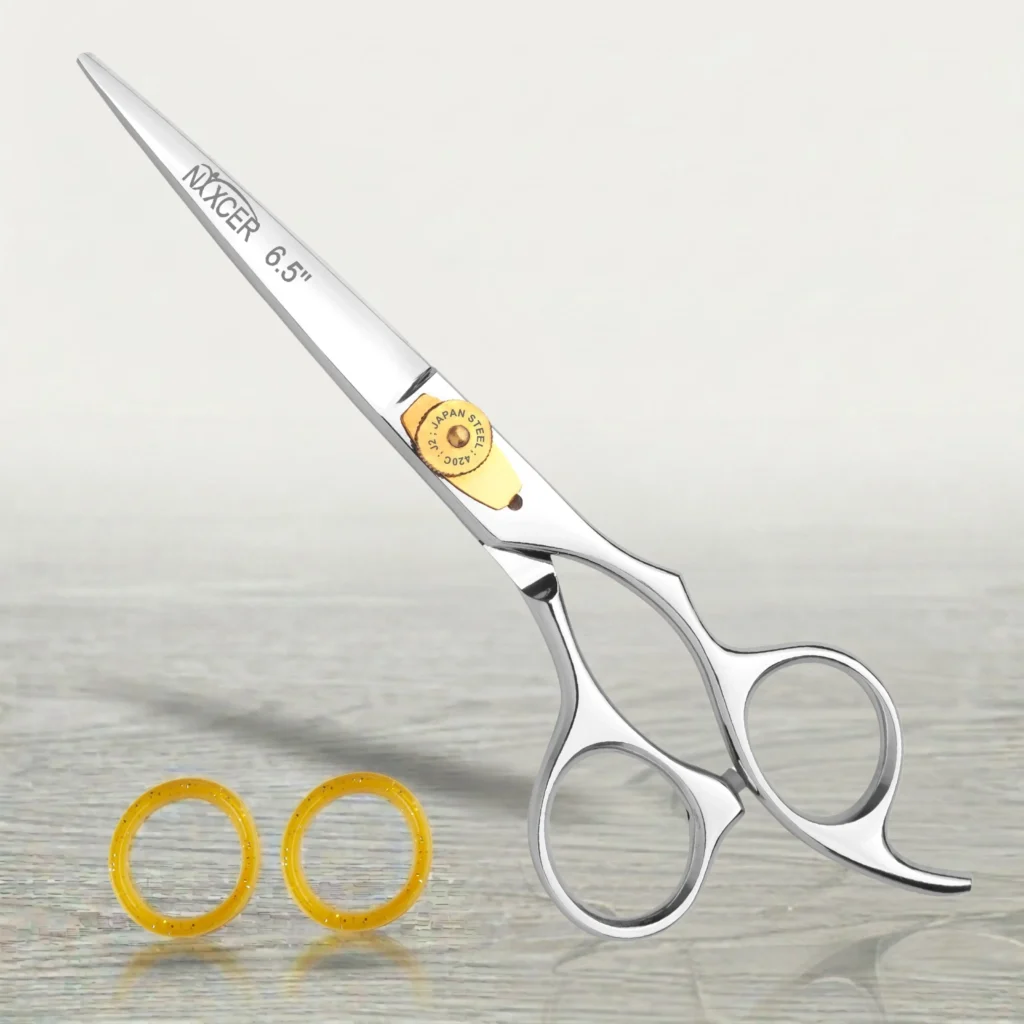
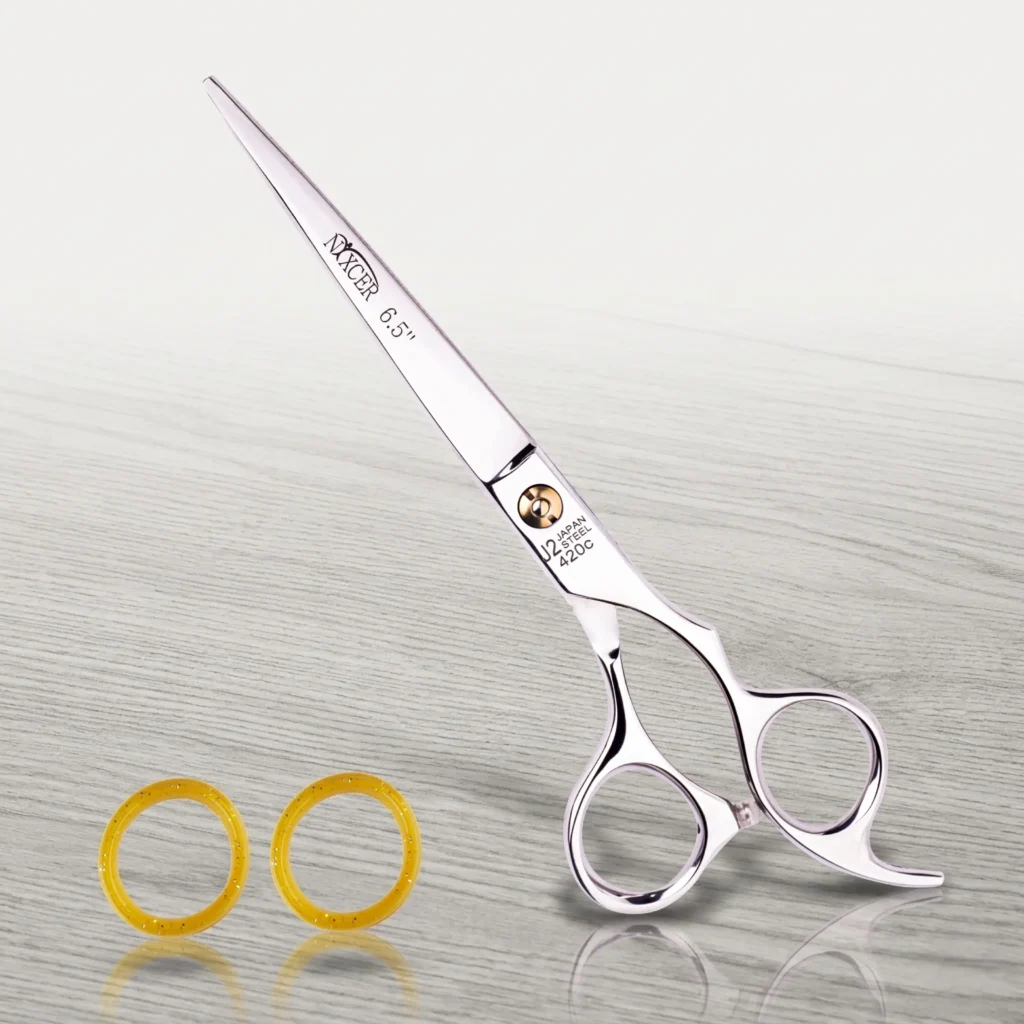
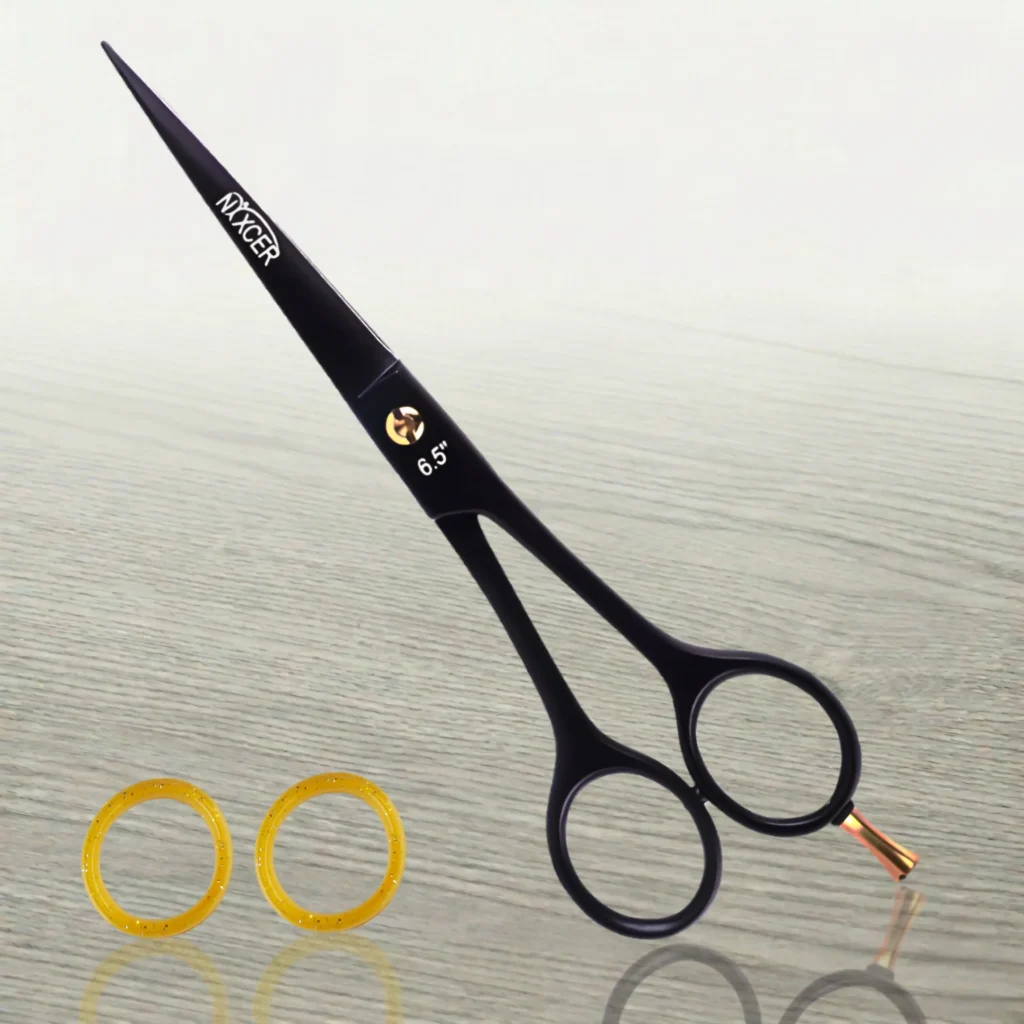
The Professional Sharp Series Razor Edge Hair Cutting Scissors are a practical starting option because the product is offered in 6.0- and 6.5-inch sizes. For dense sections or a longer cutting line, consider the Nixcer Broad Blade Razor Edge Hair Cutting Scissors.
Why Graduated Bobs Demand Precision Cutting
A graduated bob is shorter at the nape and progressively longer toward the upper sections or front. The shape is created by controlled elevation, overdirection, and sectioning rather than by cutting every strand to one length.
Government cosmetology training material describes a graduated bob through vertical cutting lines, while broader hairdressing curricula distinguish blunt, graduated, and layered structures. These references reinforce a simple point: the haircut depends on repeatable angles and a visible guide, so the shear must cut exactly where the stylist places it (NAVTTC Cosmetology training book; South African Department of Basic Education hairdressing guide).
The perimeter may use blunt cuts, the internal graduation may use point or club cutting, and the final refinement may happen on dry hair. One pair of scissors can perform several stages, but the tool must have clean cutting edges, reliable alignment, and enough control for short sections at the nape.
The Three Main Types of Hairdressing Scissors Used for Graduated Bobs
1. Standard Cutting Shears
Standard cutting shears build the structure. They create the baseline, establish the guide, and form the graduation. For most bob work, these are the primary hair cutting shears in the stylist’s hand.
Straight or semi-convex blades provide a predictable line. A full convex cutting shear can also work when it is stable and the stylist prefers a smoother slicing feel.
2. Dry Cutting Shears
Dry cutting shears are designed or selected to handle the greater resistance of dry hair without pushing it. They are useful for checking balance, refining the perimeter, removing small corners, and seeing how the finished shape falls naturally.
Not every brand separates wet cutting shears and dry cutting tools into distinct categories. A high-quality shear may perform both jobs if its edge, tension, and blade profile suit the work. The important difference is how the scissors behave on the hair, not the label alone.
3. Thinning and Texturizing Shears
Thinning scissors remove only part of a section. They can soften a heavy area, blend a transition, or add texture after the graduated shape is complete.
These are not a shortcut for inaccurate graduation. Use a texturizing shear conservatively, especially on fine or fragile ends. Over-thinning can collapse the weight line and make a polished bob look uneven as it grows.
Match the Type of Blade to the Cutting Style
Straight or Beveled Blades for a Clean Perimeter
Straight scissors give a clear visual relationship between the blade and the guide. A beveled or lightly serrated type of blade can grip slippery hair during standard cutting, helping the stylist create a solid perimeter without pushing strands forward.
This design often best suits blunt baselines, one-length edges, and controlled work on dry hair. The blade should close decisively from heel to tip; repeated partial closures can leave tiny steps in a bob line.
Semi-Convex Blades for Versatility
A semi-convex edge blends the stability of a bevel with some of the smoothness of a convex blade. It can handle blunt work, point cutting, and general salon cutting without feeling too specialized.
For a stylist who wants one professional shear for most bob services, semi-convex hair shears can be a sensible compromise.
Convex Blades for Slide and Point Cutting
A polished convex edge creates a sharper cutting feel and can glide through slide cutting with less resistance. It is also useful for precision cutting techniques where the tips enter the ends to soften a line.
Convex blades require correct tension and specialist sharpening. Ordinary scissors or poorly serviced blades may fold strands, push the guide, or leave rough ends instead of making a clean cut.
Choose the Right Length of the Scissors
The length of the scissors affects coverage, tip control, and how easily the tool moves around the head.
| Scissor length | Best use in a graduated bob | Main tradeoff |
| 5.0–5.5 inches | Nape detail, fringe, point cutting, and work near the fingers | More closures needed for long lines |
| 5.75–6.0 inches | Versatile baseline, graduation, cross-checking, and general salon work | May feel small for very large hands |
| 6.25–6.5 inches | Broad sections, long perimeters, thick hair, and scissor-over-comb | Less convenient in tight detail areas |
Shorter scissors make it easier to work close to the fingers and refine small corners. Longer scissors cover more hair in one closure and may help when cutting thick, dense sections.
Do not size hair scissors only by the client’s length. The size of hair sections, the stylist’s hand, and the type of cutting matter more. The right pair should feel balanced around the pivot rather than heavy at the tip.
Pick a Handle That Supports Control
Offset Handle Scissors
Offset handles move the thumb ring forward so the thumb does not need to stretch as far. This ergonomic layout can help the wrist stay neutral and the elbow remain lower during repeated precision work.
For many professional hairdressers, offset professional hair shears provide the best balance of comfort and familiarity. They work with blunt cutting, graduation, point work, and advanced cutting techniques.
Crane Handles
A crane handle moves the thumb ring closer to the pivot and angles it downward. This can further reduce thumb reach and encourage a lower elbow, although the more pronounced geometry takes time to learn.
Try the tool through your usual cutting technique before deciding. The best quality design on paper is still wrong if it limits tip control or forces an unfamiliar grip.
Classic and Opposing Handles
Classic handles place both rings opposite each other. Some stylists prefer the symmetry for precision or learned technique, but it may require more thumb opening than an offset design.
The goal is not to declare one type of scissors universally superior. Find the right geometry for your hand, wrist, and daily cutting experience.
True Left-Handed Scissors
Left-handed users need a true left-handed hairdressing scissor with reversed blade arrangement. Turning a right-handed model over does not provide the same sightline or closing pressure.
Choose the right handedness before comparing finish or decorative details. A correct blade view is essential when building a straight perimeter or following a short guide at the nape.
Wet Cutting vs. Dry Cutting for a Graduated Bob
Wet hair provides control for sectioning and establishing the main shape. It can make vertical and diagonal guides easier to organize, especially during the first stages of graduation.
Dry cutting reveals the finished fall, natural growth patterns, weight distribution, and small differences between the sides. Many stylists build the structure damp, blow-dry the hair into its intended shape, and then refine the perimeter with sharp haircutting scissors.
Use wet cutting shears or a versatile professional pair that stays smooth on damp hair. For final dry cutting, make sure the edge is sharp enough to cut hair without pushing or dragging the section.
Match the Shears to Different Hair Types
The same graduated bob behaves differently across types of hair. Tool selection should respond to density, strand diameter, texture, and movement.
Fine or Slippery Hair
Fine hair exposes small steps in the perimeter. A stable straight or semi-convex blade can grip the section and support a decisive close. Avoid aggressive thinning that removes the weight needed to make the bob look full.
Thick or Coarse Hair
Cutting thick hair may require a broader or longer shear with stable blade mass. Work with smaller, clean sections rather than forcing too much hair between the blades. A second texturizing tool can remove internal bulk after the main graduation is correct.
Wavy or Curly Hair
Wavy and curly hair can change length as it dries. Use moderate tension, preserve the natural pattern, and cross-check the shape dry. The right hair cutting approach may include conservative point work instead of a severe solid line.
Straight Hair
Straight hair shows every variation in the perimeter and weight line. Precise blade alignment, controlled elevation, and clean sectioning matter more than decorative features.
Different hair types do not always require completely different types of scissors. They require the stylist to adjust section size, moisture level, tension, and technique while using a sharp, suitable tool.
Map Each Graduated-Bob Technique to the Right Shears
Different types of hair cutting happen within one graduated bob: the perimeter establishes weight, graduation builds the shape, and refinement controls softness and movement. Match the tool to each stage instead of forcing one edge to perform every job.
Blunt Cutting the Baseline
Use straight or semi-convex shears for cutting the first guide and perimeter. Comb the hair into its natural fall, maintain even tension, and close the blade in one controlled motion.
Building Graduation
Take consistent vertical or diagonal sections and follow the established guide. A 5.5- to 6.0-inch pair supports accuracy while the stylist changes elevation and over direction. Cross-check before moving far from the center back.
Point Cutting
Point cutting softens the ends without erasing the overall line. Use the tips of sharp professional hair cutting shears and make shallow, controlled entries.
Deep Point Cutting
Deep point cutting removes more weight and creates stronger separation. It is an advanced technique, not a repair method for uneven graduation. Use it only when the design calls for visible movement and the density can support it.
Slide Cutting
Slide cutting can connect longer front sections or soften internal weight. Use a smooth convex edge and keep the blades moving; never scrape or saw through the section.
Final Dry Refinement
After styling, examine the silhouette from multiple angles. Use the tips of dry cutting shears to remove tiny corners, rebalance the perimeter, and refine areas that look heavy. This final stage should polish the haircut, not rebuild it.
Recommended Nixcer Outlet Options
Nixcer Outlet offers several professional hair scissors that suit different parts of a graduated-bob service.
Best Versatile Option
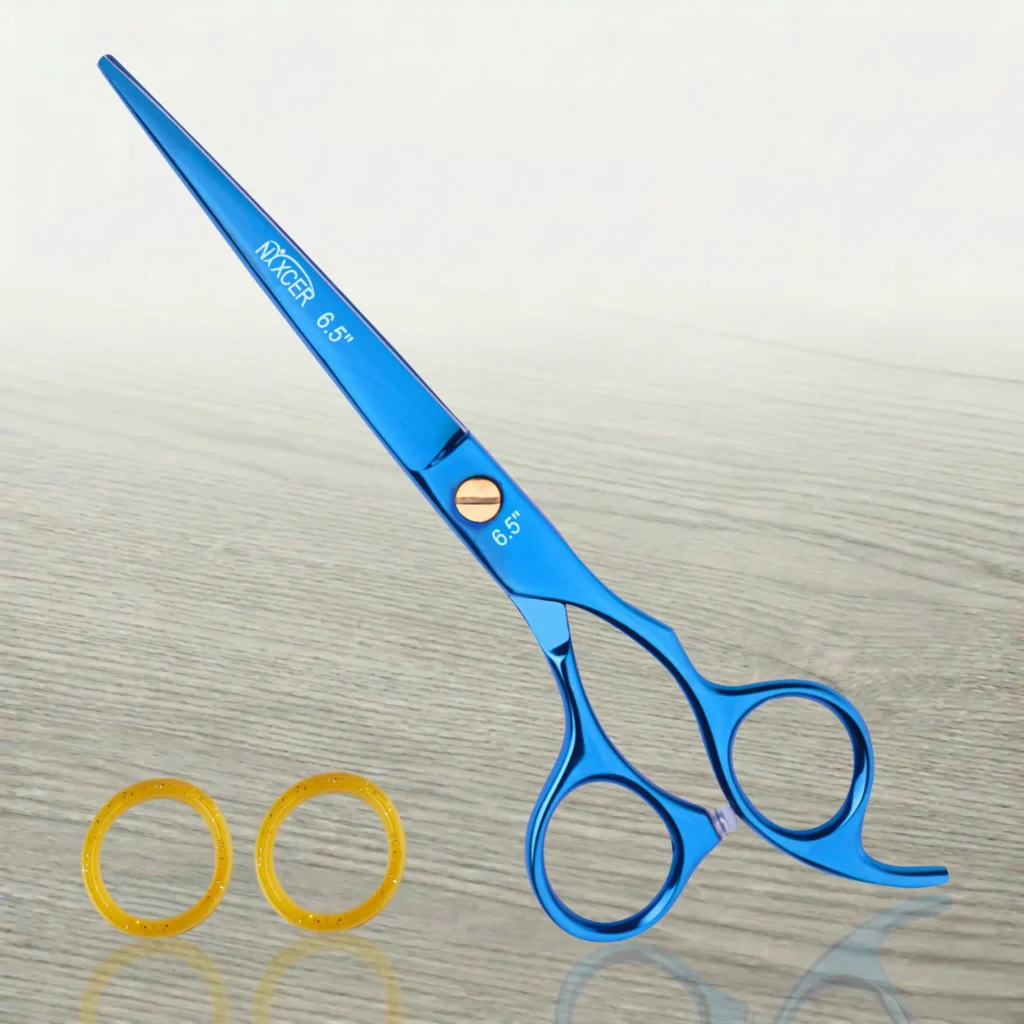
The Professional Sharp Series Razor Edge Hair Cutting Scissors are available in 6.0- and 6.5-inch sizes. The adjustable tension and sharp edge make this model relevant for general professional hair cutting, point work, and dry refinement.
Best for Broad, Dense Sections
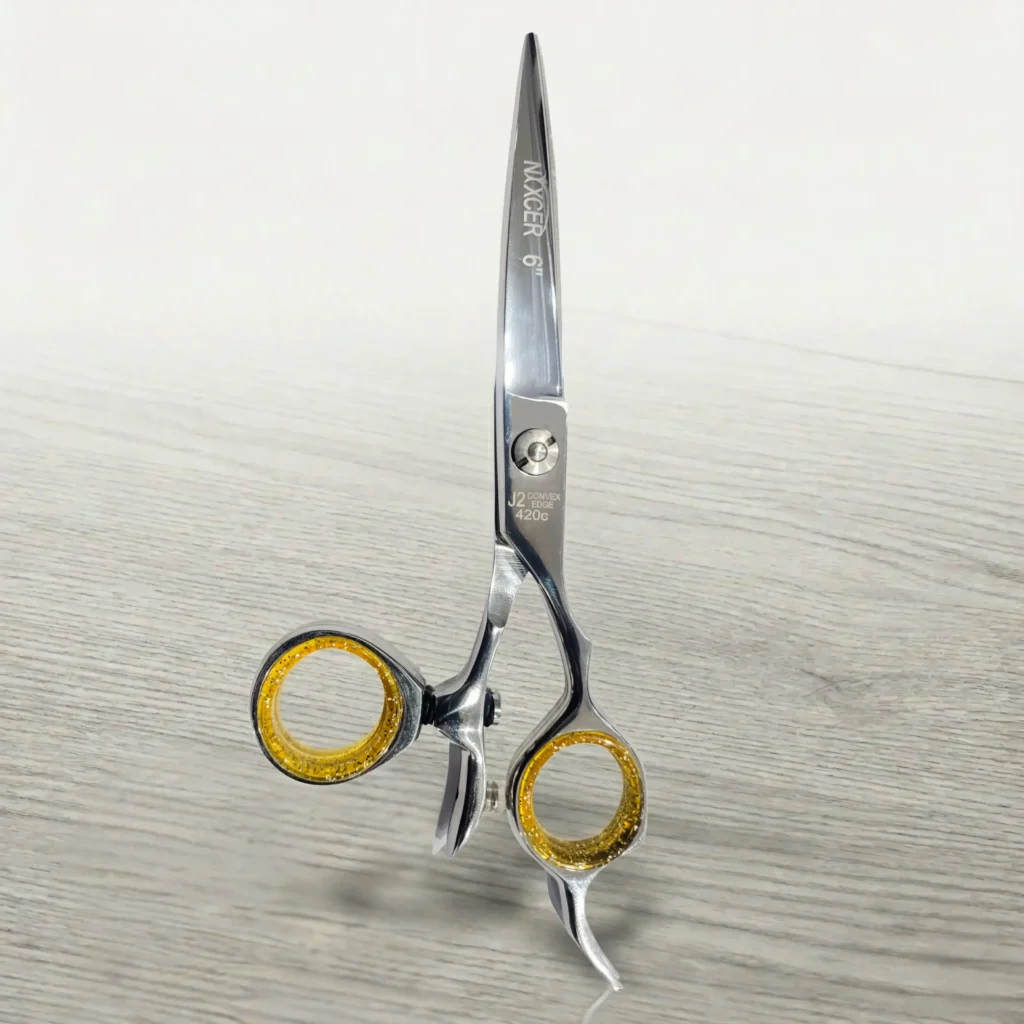
The Nixcer Broad Blade Razor Edge Hair Cutting Scissors use a 6.25-inch broad format. This pair of shears can support wider sections, thick density, and longer perimeter work.
Best for Controlled Weight Removal
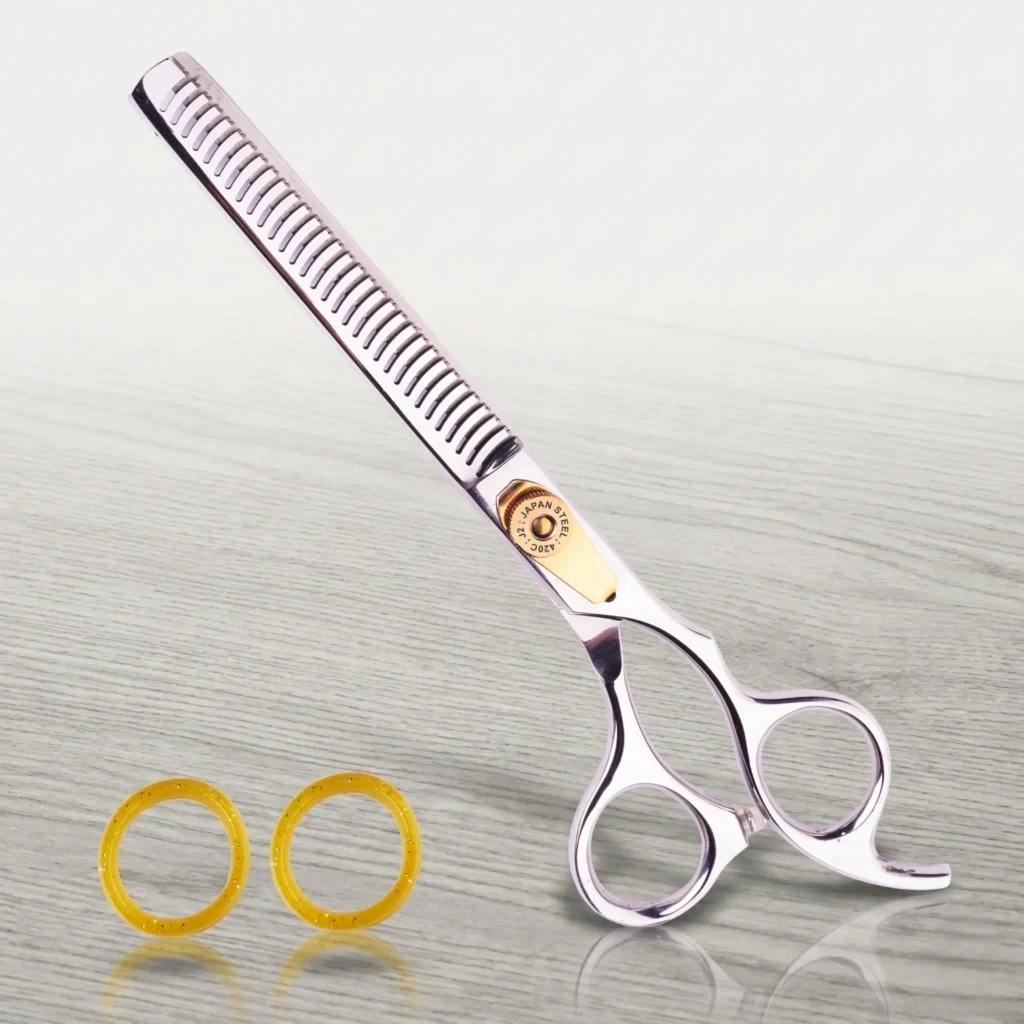
The Nixcer Professional Series Hair Thinning Scissors can soften excessive bulk after the graduation and baseline are complete. Use thinning scissors lightly so the bob keeps its intended weight.
Best Coordinated Cutting-and-Thinning Setup
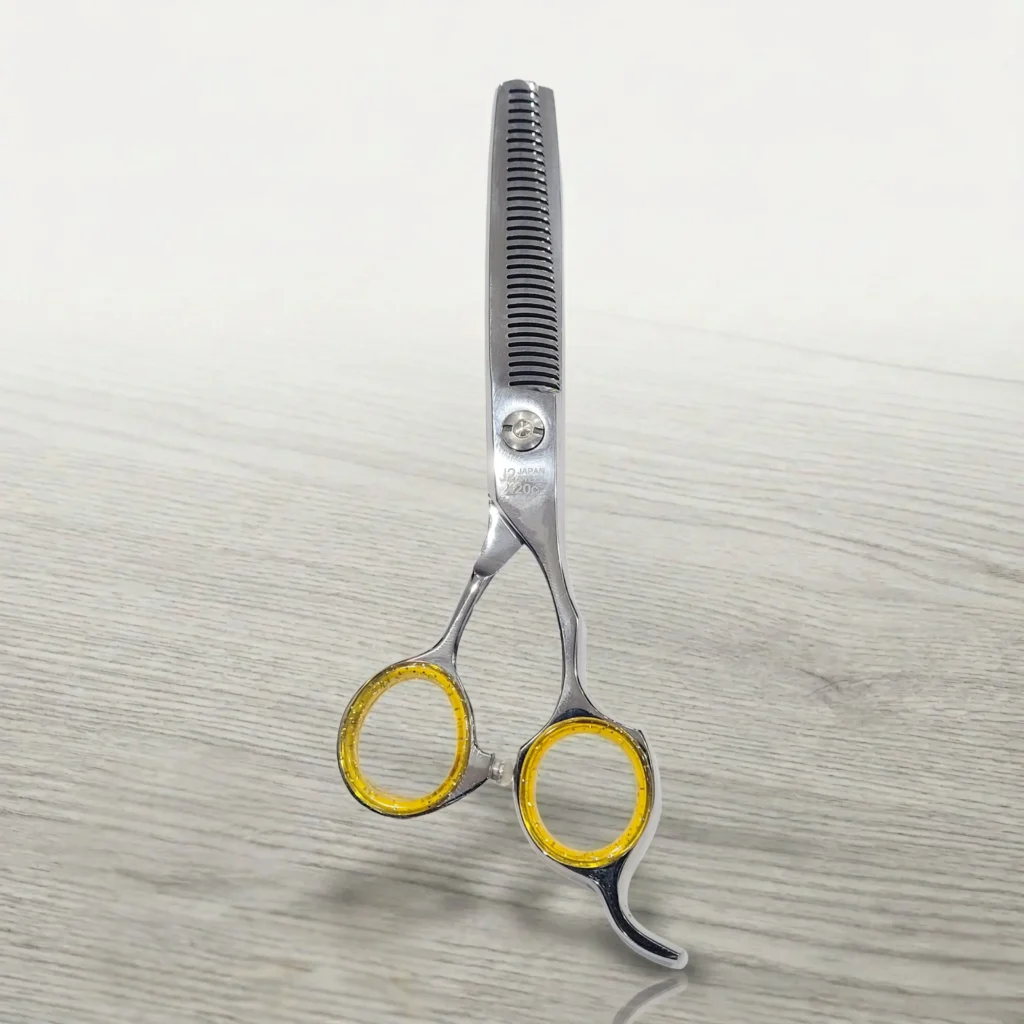
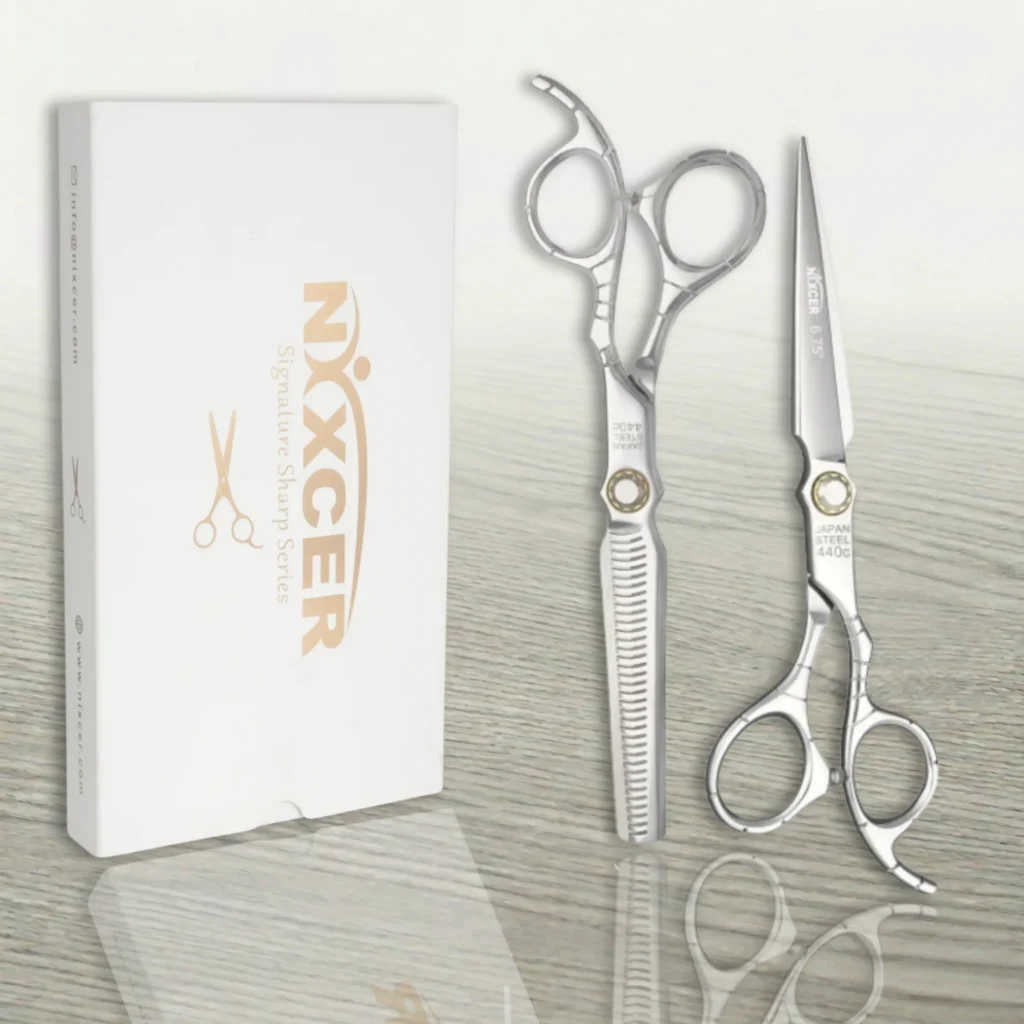
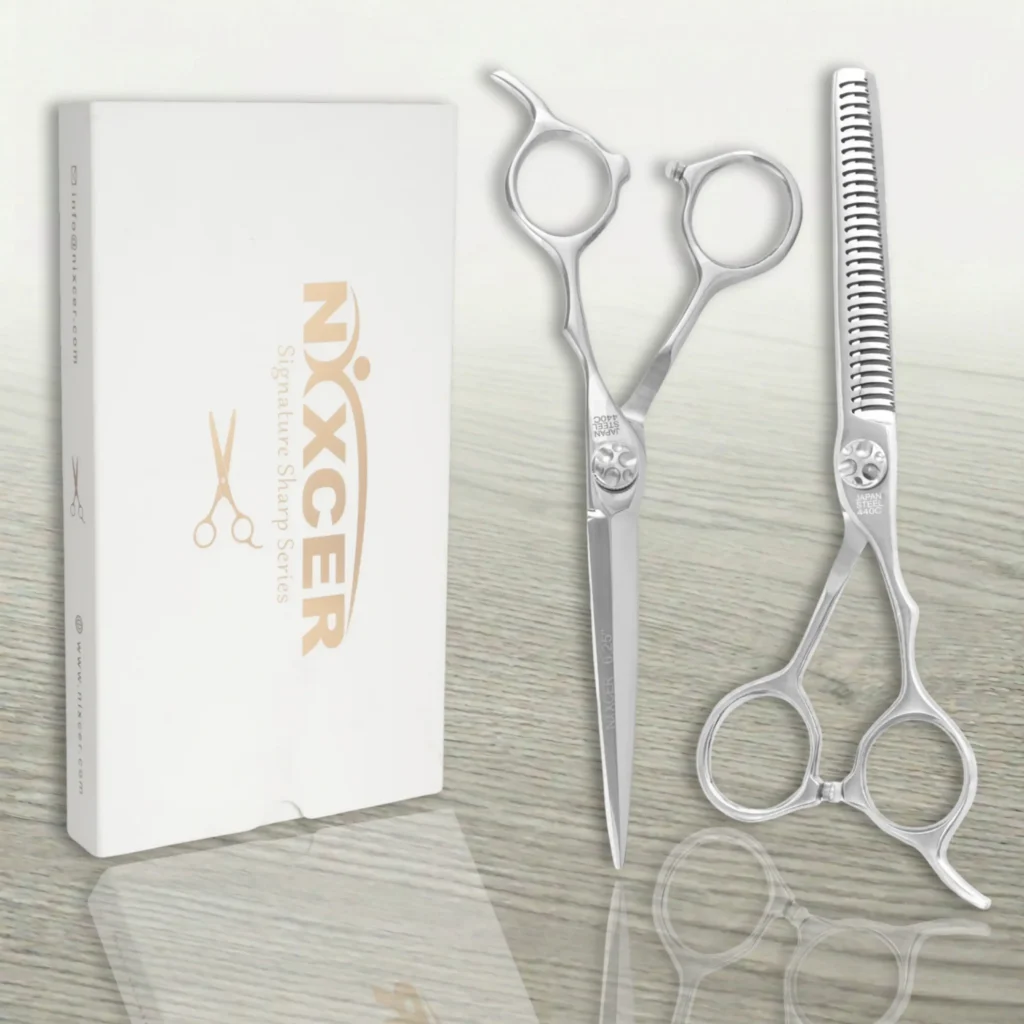
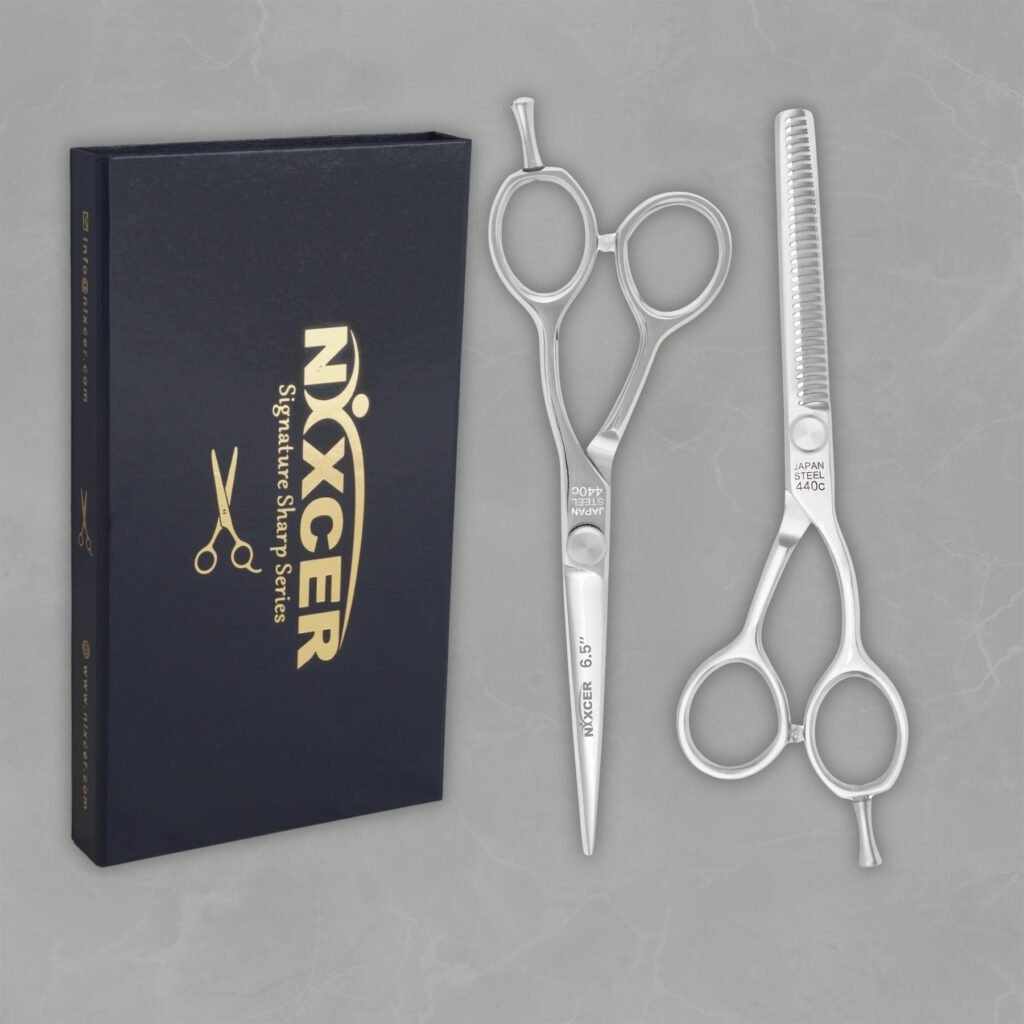
The Signature Sharp Series SWORD Hair Cutting and Thinning Scissors provide a cutting and texture pairing. A set like this lets the stylist change tools instead of asking regular scissors to perform every task.
Specifications differ by product. Confirm the exact steel, size, handedness, and edge before ordering. Searchers may compare suppliers such as Japan Scissors USA, but the useful comparison is specification against specification—not brand name against brand name.
Browse all Nixcer Outlet professional hair cutting scissors.
Common Mistakes When Choosing Bob-Cutting Shears
- Buying by appearance alone. A finish does not reveal alignment, steel treatment, balance, or cutting edges.
- Choosing a blade that is too long for detail work. More coverage is useful only when the stylist can still control the tips.
- Using a dull shear for dry refinement. Dry hair exposes pushing and drag quickly.
- Overusing thinning scissors. Excess removal can weaken the shape and create gaps.
- Ignoring tension. Loose blades fold hair; tight blades increase effort and wear.
- Using ordinary scissors. Household tools are not scissors for professional haircutting and can leave rough, uneven ends.
- Confusing price with fit. The best shears are the ones that match the hand, technique, and workload—not automatically the most expensive.
How to Test the Right Pair Before Committing
When possible, test a pair of scissors through the motions used for a bob:
- Open and close slowly to check for wobble or rough spots.
- Hold the shear at the nape to assess tip control.
- Simulate vertical and diagonal section work.
- Check whether the wrist stays neutral during repeated closures.
- Confirm that the finger rings fit without pinching or forcing a tight grip.
- Verify that the blade tips meet cleanly.
- Test the cutting shear on an appropriate hair sample if the seller permits it.
Online buyers should find the right specifications before relying on reviews. Check size, edge, handle, tension system, handedness, included accessories, return terms, and sharpening guidance.
Care and Sharpening
Even the best hairdressing scissors lose performance when residue, poor tension, or a damaged edge increases resistance.
- Wipe the blades after every service.
- Clean and disinfect according to the manufacturer’s instructions and local salon rules.
- Dry the tool completely before storage.
- Oil the pivot with a suitable scissor lubricant.
- Check tension regularly.
- Store the right pair of scissors in a protective case.
- Keep hair scissors away from paper, packaging, comb teeth, and hard surfaces.
- Use a sharpener trained in professional hairdressing scissors and the specific type of blade.
Sharpening should be based on performance rather than a universal calendar. Have the scissors serviced when they push, fold, snag, lose tip precision, or require extra pressure.
Can You Cut a Graduated Bob at Home?
A graduated bob is difficult to execute on yourself because the shortest guide, stacked graduation, and most important balance checks sit at the back of the head. Cutting without a clear view can create uneven elevation or a crooked weight line.
If you have professional training and still choose to work at home, use proper mirrors, strong lighting, small sections, and dedicated haircutting shears. For most people, a graduated bob is safer and more predictable in a salon with a qualified stylist.
Final Verdict
The best hair cutting shears for a graduated bob combine tip control, clean blade alignment, suitable length, comfortable ergonomics, and an edge matched to the cutting style. A sharp 5.5- to 6.0-inch straight, semi-convex, or stable convex shear will handle most structural work. A longer or broader blade can help with dense sections, while thinning and texturizing shears should remain a finishing option.
To choose the best tool, begin with your hand and cutting tasks. Then compare blade, length, handle, tension, steel, and maintenance needs. The right hair scissor will not replace technique, but it will make accurate graduation, a clean perimeter, and controlled dry refinement easier to repeat.
Frequently Asked Questions
What are the best hair cutting scissors for a graduated bob?
The best hair cutting scissors are usually 5.5 to 6.0 inches long, sharp from heel to tip, and stable enough to create a clean baseline. Choose a straight or semi-convex edge for control, or a refined convex edge if you also use slide and point techniques.
Are dry cutting shears necessary for graduated bobs?
They are helpful but not always essential. A versatile, sharp professional pair can build the damp structure and refine the dry result. Dedicated dry cutting shears become more useful when dry detailing is a large part of the stylist’s work.
Which size hair scissors give the most control?
Many stylists prefer 5.5- to 6.0-inch scissors for a graduated bob. This range balances tip precision with enough blade length for the perimeter and internal sections.
What type of scissors should I use for blunt cuts?
Use a straight, beveled, or semi-convex pair that grips the section and closes cleanly. The alignment should remain consistent from heel to tip so the baseline does not show small steps.
Can barber scissors be used for a bob haircut?
Yes, if the length and blade design fit the technique. Longer barber scissors may help with broad lines or scissor-over-comb, but a shorter salon shear often provides better control around the nape and fringe.
Are ergonomic scissors worth it?
Ergonomic scissors can support a more relaxed thumb, straighter wrist, and lower elbow during repeated work. Comfort still depends on hand size, grip, technique, and correct ring fit.
Should I use thinning shears on a graduated bob?
Use them only after the structure is accurate. Controlled thinning can soften excess weight, but too much can weaken the perimeter or create visible gaps in the graduation.
How do I choose the right hair cutting shear online?
Compare blade type, length, handle, handedness, steel, tension system, care requirements, and return policy. Avoid choosing on finish, price, or marketing claims alone.