How to Choose Hair Cutting Scissors for Different Hair Textures
Meta description: Learn how to choose hair cutting scissors for different hair textures, including fine, thick, straight, wavy, and curly hair.
Suggested URL slug: how-to-choose-hair-cutting-scissors-for-different-hair-textures
Choosing the right scissor or shear for each hair type matters because different hair textures react differently to every cut. Fine hair can collapse if it is over-thinned, thick hair may need more cutting ability, straight hair shows every line, wavy hair needs movement, and curly hair requires control without disturbing the curl pattern. At Nixceroutlet, the goal is to help a stylist, barber, or careful home user choose the right hair cutting scissors, hair shears, and texturizing shears for better results.
This guide covers everything you need to know about choosing shears for texture. The best tool is not one universal pair of scissors. The right tool depends on blade type, handle design, cutting techniques, the health of the hair, and whether the haircut needs blunt cutting, point cutting, slide cutting, thinning hair, or hair cutting and thinning together.
Why Hair Texture Changes Scissor Choice
Different hair textures create different resistance against the blade. A cutting shear that works well on straight hair may not be ideal for curly hair or thick hair.
Texture affects control
Smooth straight hair can slip away from the blade. Dense curls can push back against the scissor. Fine hair can show mistakes quickly.
Texture affects the finish
A precise cut on straight hair may need a clean beveled edge. A soft textured haircut may need a convex blade for smoother cutting performance.
Core rule
Choose the right shear by matching the hair type, cutting technique, and final haircut shape.
Know the Main Types of Hair
Before choosing shears, understand the types of hair you cut most often. Different types of hair need different scissors, different blade choices, different types of scissors, and different hair cutting methods.
Fine hair
Fine hair has less diameter and can look thin if too much weight is removed. It needs clean edges and light texture.
Thick hair
Thick hair has more density and may need stronger shears, thinning shears, or texturizing shears to remove hair strategically.
Straight hair
Straight hair shows every line, so precision cuts and clean blunt cutting are important.
Wavy hair
Wavy hair needs shears that preserve movement while blending layers.
Curly hair
Curly hair forms visible groups, so the cut should respect natural curl clusters instead of breaking them apart.
Texture note
Different hair textures often need dry checks because the final shape may change after styling.
Blade Type: Convex, Beveled, and Hybrid Choices
Blade type controls how the hair cutting scissors move through hair. Selecting the right hair tool starts with understanding the cutting edge.
Convex blade
A convex blade or convex edge is smooth and sharp. It is useful for slide cutting, point cutting, precision cuts, dry cutting, and textured finishes.
Beveled edge
A beveled edge gives grip and durability. Beveled edge scissors are useful for blunt cutting, barber work, heavy-duty cutting, and straight hair that slips.
Different blade designs
Different blade profiles suit different cutting styles. Convex edge scissors are useful for glide, while beveled edge scissors feature more tactile control.
Blade rule
Choose the perfect blade by matching the cutting style, hair type, and sharpening support available.
Handle Design and Comfort
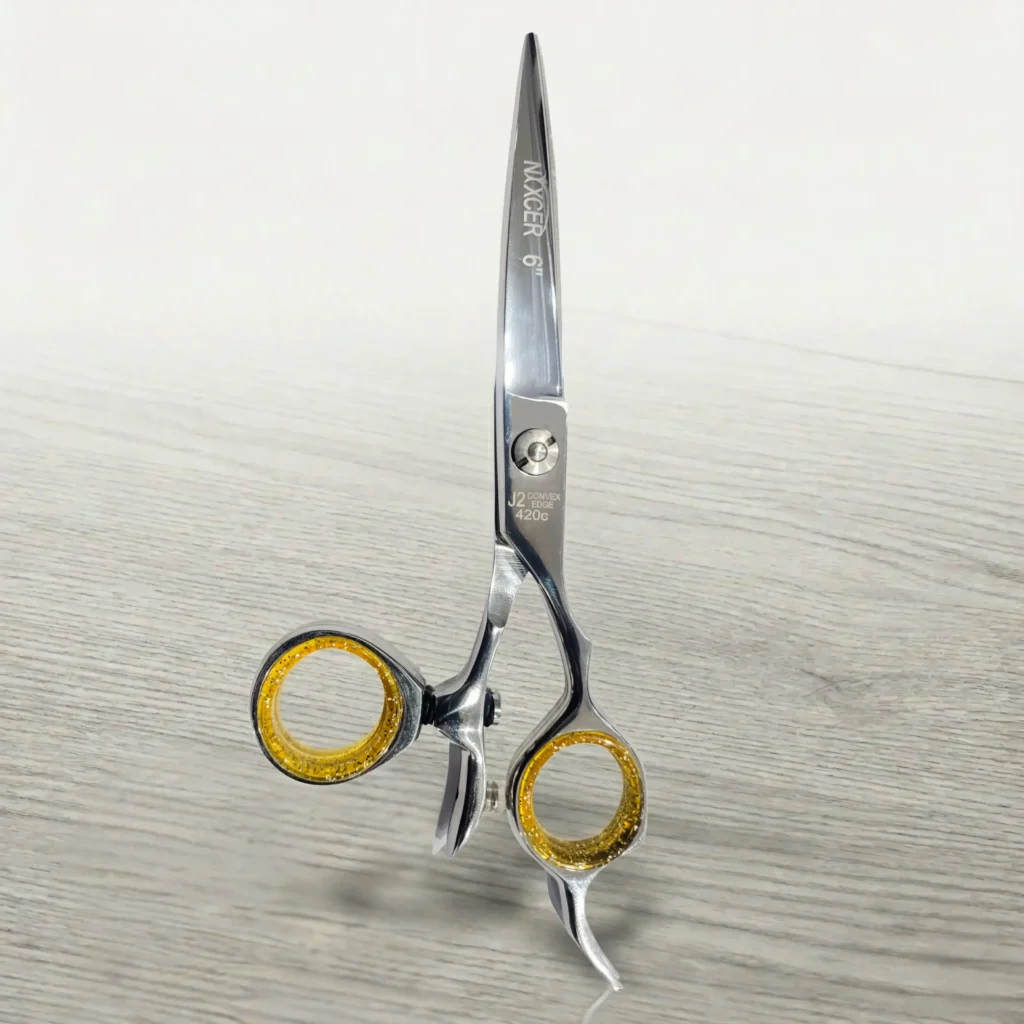
Handle design affects control and fatigue. An ergonomic scissor with an offset handle can make cutting easier during longer salon work.
Offset handle
An offset handle helps the wrist stay relaxed and gives better control during precision work.
Ergonomic control
Ergonomic shears are essential for a professional stylist who cuts many clients each day.
Pair of scissors balance
A balanced pair of scissors should feel stable from the handle to the tip. If the scissor twists in the hand, precision suffers.
Comfort rule
The best hairdressing scissors should feel natural before the first cut.
Choosing Scissors for Fine Hair
Fine hair needs clean cutting and restraint. The biggest mistake is using aggressive thinning scissors or removing too much density.
Best scissor type
Use sharp hair cutting scissors with a smooth convex edge or a refined beveled edge, depending on the haircut.
Best techniques
Point cutting can soften ends. Light slide cutting may add texture, but avoid over-texturizing.
What to avoid
Do not thin out the hair heavily. Fine hair requires fullness at the perimeter.
Fine hair rule
Use less texture, sharper scissors, and clean lines to protect perfect hair shape.
Choosing Scissors for Thick Hair
Thick hair needs power, sharpness, and controlled weight removal. It may require hair cutting shears and thinning shears together.
Best scissor type
Use high-quality hair cutting shears with strong cutting ability. Longer scissors can help with cutting larger sections and cutting large panels.
Best techniques
Use point cutting, internal layering, and texturizing shears to thin out thick hair without collapsing the shape.
Texturizing and thinning
Texturizing shears add texture. Thinning shears and thinning scissors remove bulk. Use different scissors based on the result you want.
Thick hair rule
Remove hair gradually. Heavy-duty cutting should still be controlled and clean.
Choosing Scissors for Straight Hair
Straight hair shows every imperfection. The scissor must create accurate lines and smooth blending.
Best blade
A beveled blade or beveled edge can help grip slippery straight hair. A convex blade works well for soft internal movement.
Best techniques
Use blunt cutting for structure, then point cutting for softness. Slide cutting should be done with sharp convex shears.
Common mistake
Over-thinning straight hair can leave gaps and weak ends.
Straight hair rule
Keep the perimeter strong and use texturizing shears away from the outer line.
Choosing Scissors for Wavy Hair
Wavy hair needs shape and movement. The goal is to support the natural wave rather than fight it.
Best scissor type
Convex edge scissors are useful for soft shaping, slide cutting, and low-tension detail work.
Best techniques
Use different hair cutting techniques and hair techniques such as point cutting, internal layering, and soft texturizing.
What to avoid
Do not remove too much surface weight. It can create frizz and uneven wave patterns.
Wavy hair rule
Work with the wave pattern and preserve natural movement.
Choosing Scissors for Curly Hair
Curly hair requires patience. Each curl group may sit differently, so the scissor must be sharp and controlled.
Best scissor type
Use sharp convex shears for curly hair because they cut cleanly and reduce frayed ends.
Best techniques
Use curl-by-curl cutting, point cutting, and dry cutting checks. Avoid heavy tension that stretches curls too much.
Texturizing caution
Texturizing shears can be useful inside the shape, but aggressive thinning can break curl clusters.
Curly hair rule
For curly hair, shears are perfect when they cut cleanly without disturbing natural curl shape.
Texturizing Shears and Thinning Shears
Texturizing shears and thinning shears are different tools. Both can help, but both can also damage the final shape if used incorrectly.
Texturizing shears
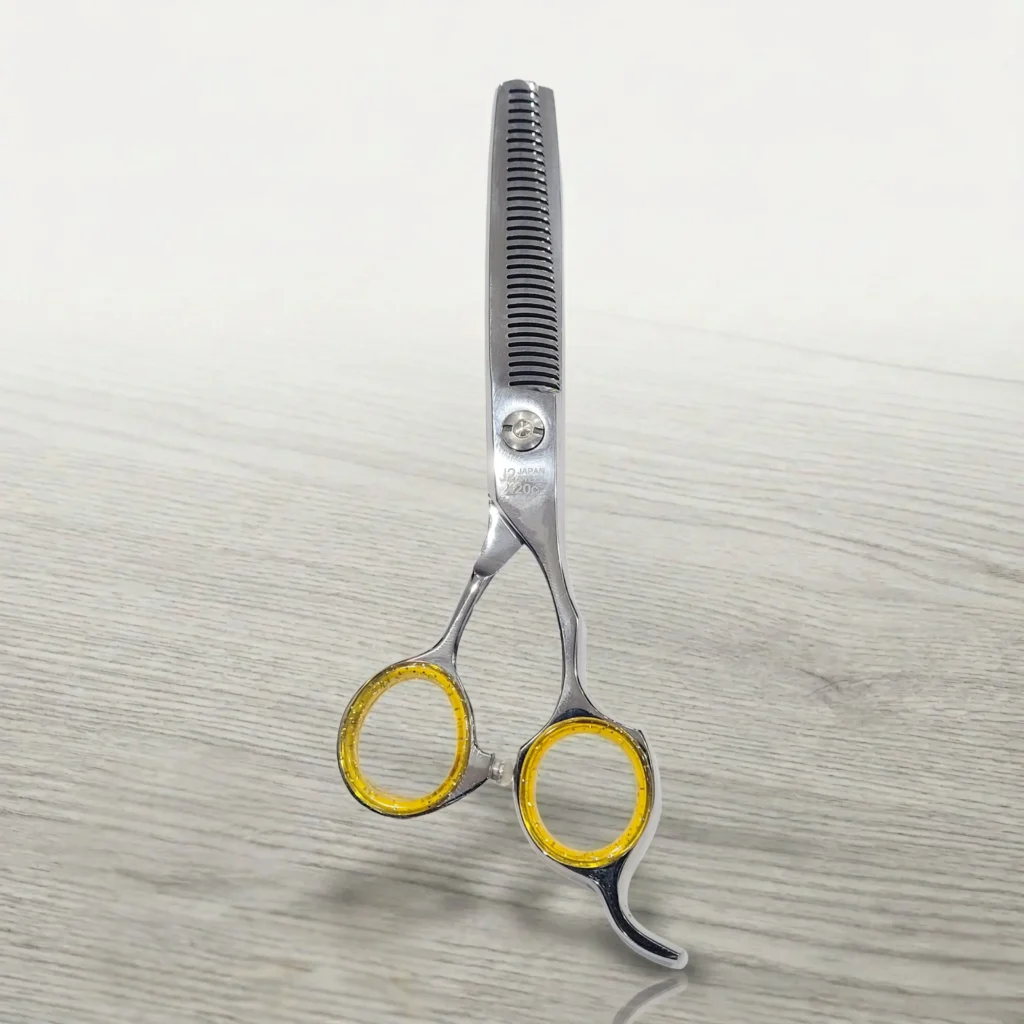
Texturizing shears create texture and movement. They are useful for blend, softening, and adding shape.
Thinning shears
Thinning shears remove bulk. They can help thick hair, but they can ruin fine or curly hair if overused.
40 teeth and removal rate
A 40 teeth blending shear usually removes less hair than a wide-tooth texturizer. The tooth count matters because it controls how much hair is removed with every cut.
Tool rule
Use different shears for different hair results: one tool for clean cutting, another for texture, and another for controlled thinning.
Haircut Style Also Matters
Hair texture is only one part of the decision. Types of haircuts also affect which scissors are useful.
Precision bobs
Precision bobs need clean cutting and strong lines. Beveled edge scissors can help with control.
Layers and shags
Layered cuts need slide cutting, point cutting, and convex shears for soft movement.
Short haircuts
Short haircuts need shorter scissors for detail and better control around the ears, nape, and fringe.
Style rule
Different types of hair cutting require different scissors, blade types, and hand positions.
How to Choose the Right Scissors Step by Step
Choosing the right hair cutting scissors is easier when you follow a clear process.
Step 1: Identify the hair type
Start with the hair type: fine, thick, straight, wavy, curly, or mixed texture.
Step 2: Match the blade
Use convex for glide and soft texture. Use beveled for grip, durability, and strong lines. In professional hair cutting, this blade match is what makes cutting predictable.
Step 3: Match the technique
Choose scissors for different cutting techniques, including point cutting, slide cutting, blunt cutting, and texturizing.
Step 4: Match comfort
Check handle design, offset handle comfort, and balance before buying.
Decision rule
Find the perfect pair by selecting the right hair scissor for the hair texture, technique, and daily workload.
Nixceroutlet Tools for Different Hair Textures
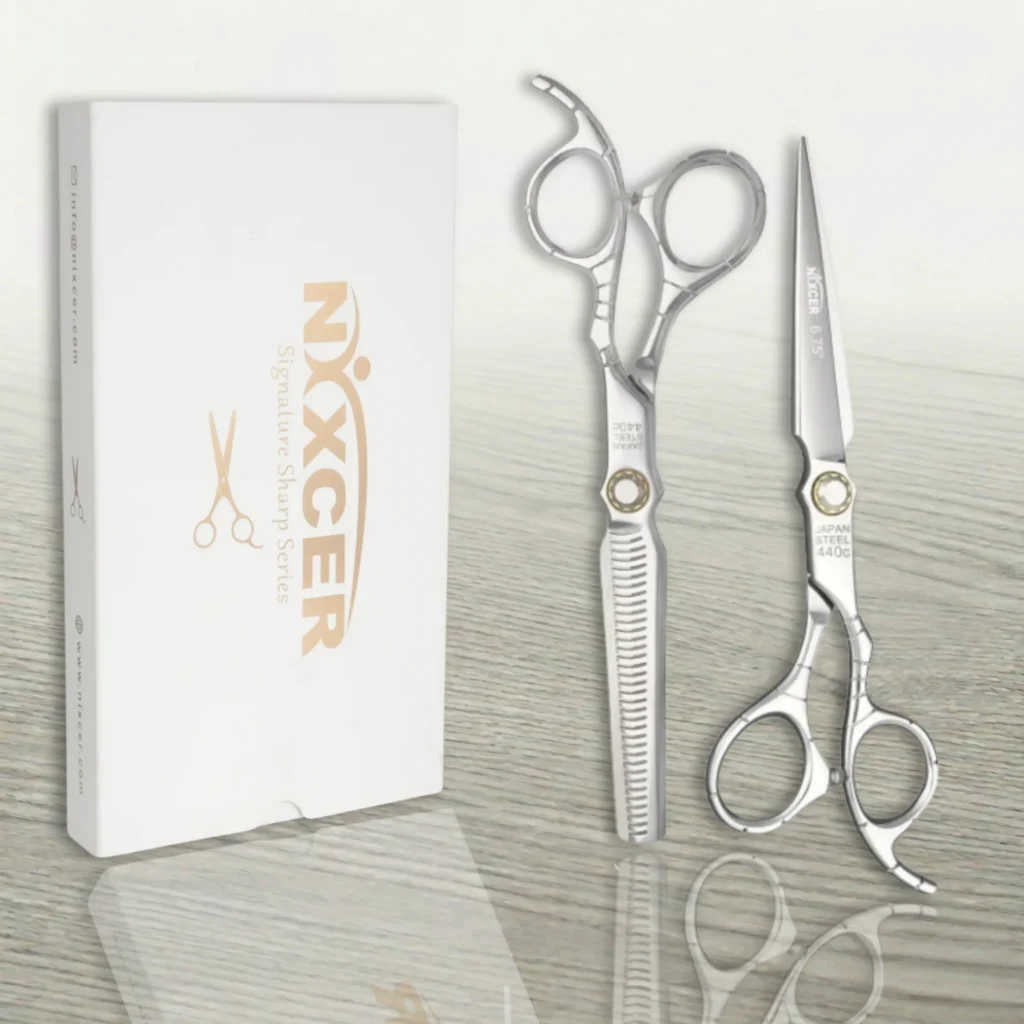
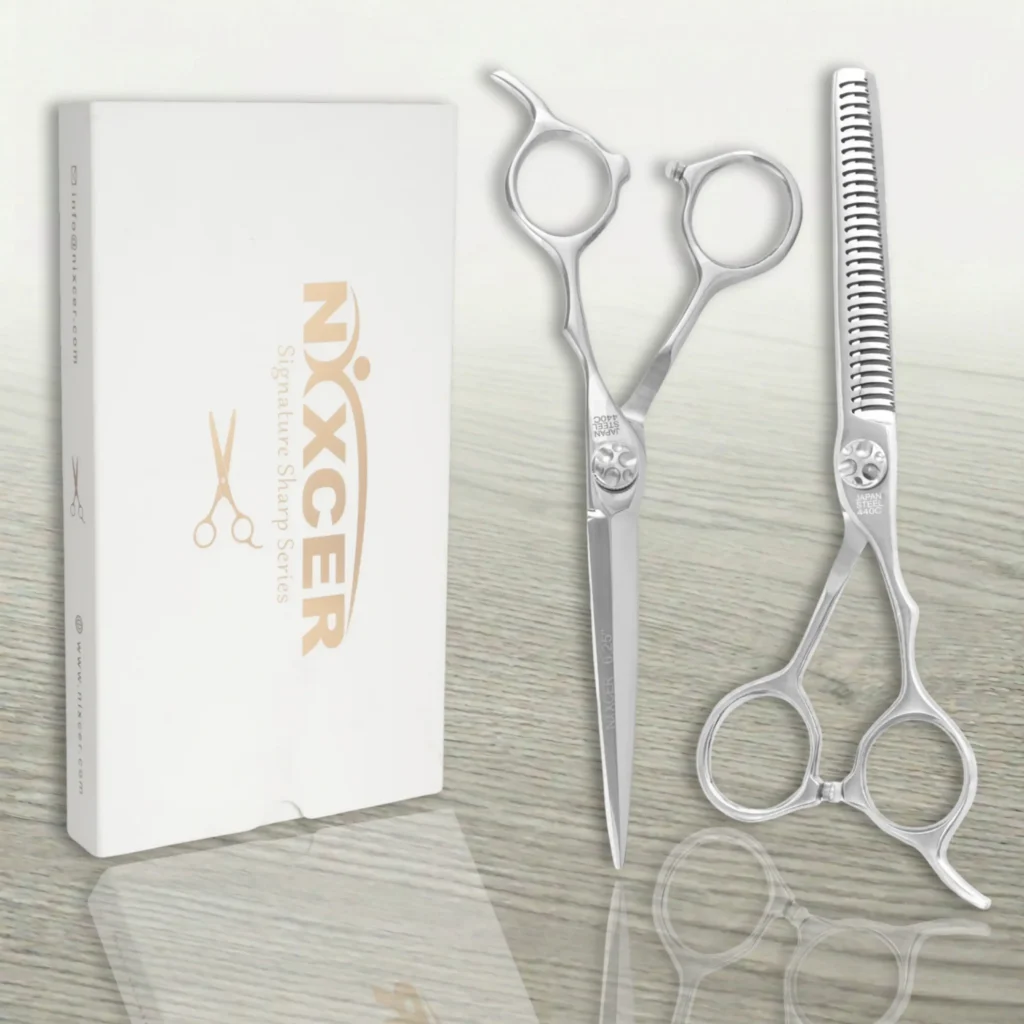
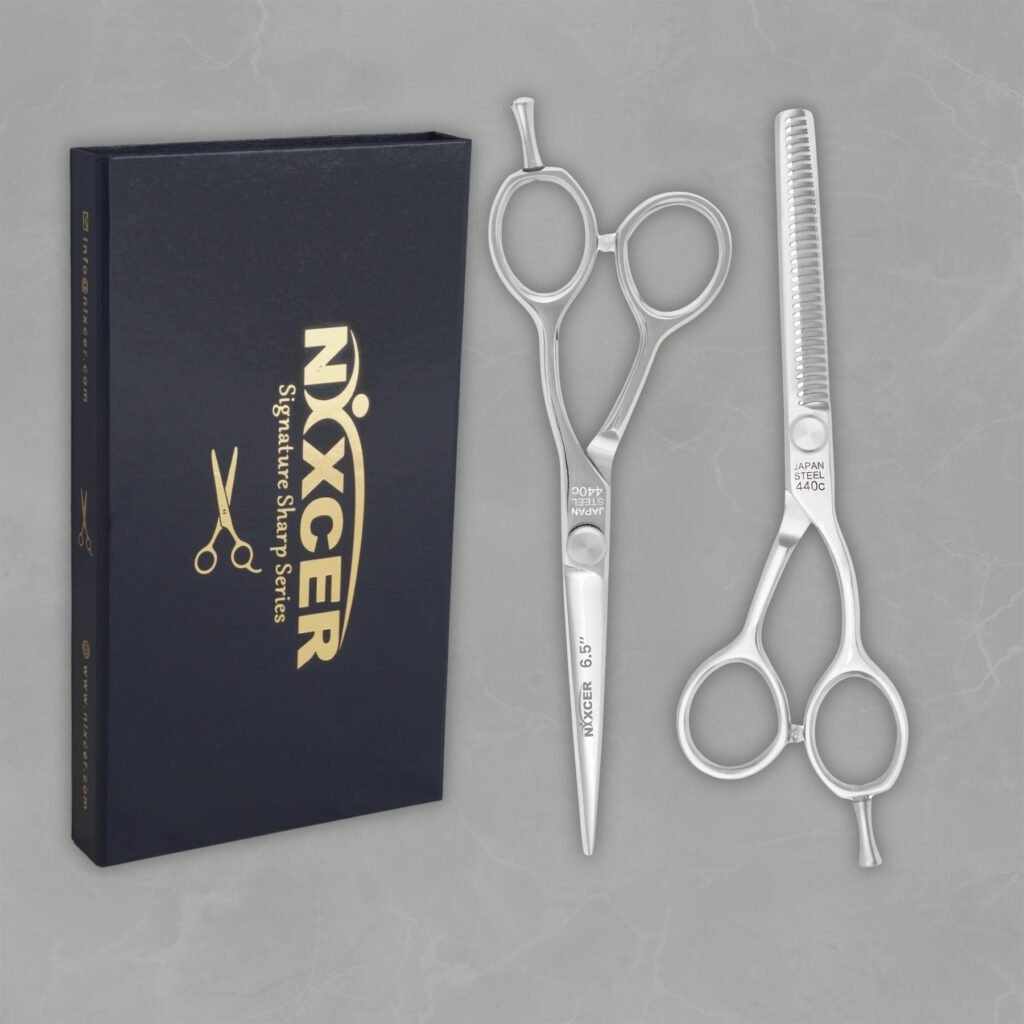
Nixceroutlet offers hair cutting scissors, hair cutting shears, hair-cutting shears, and texturizing options for different hair textures. Shoppers may also compare jaguar scissors and other salon brands, but the right fit still depends on hair texture. You can compare suitable tools on the Nixcer Outlet shop.
For clean cutting
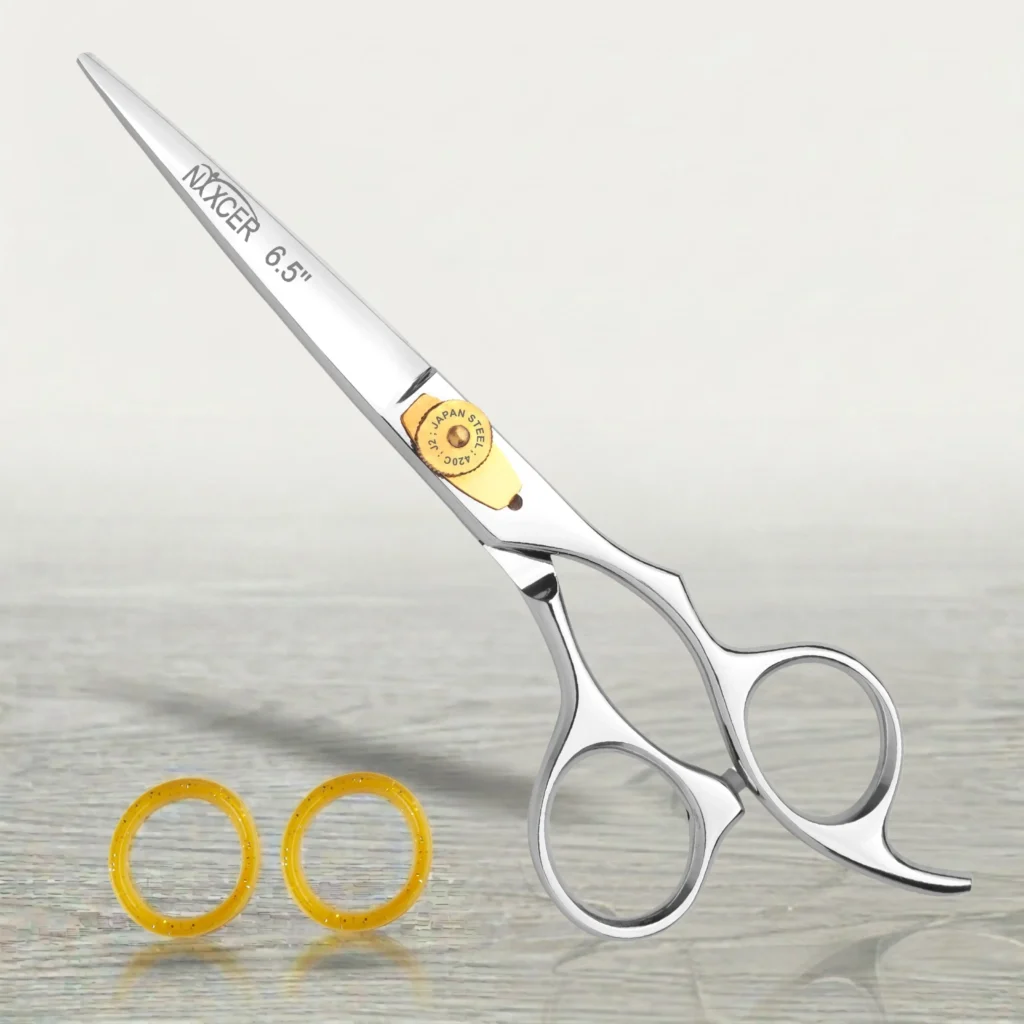
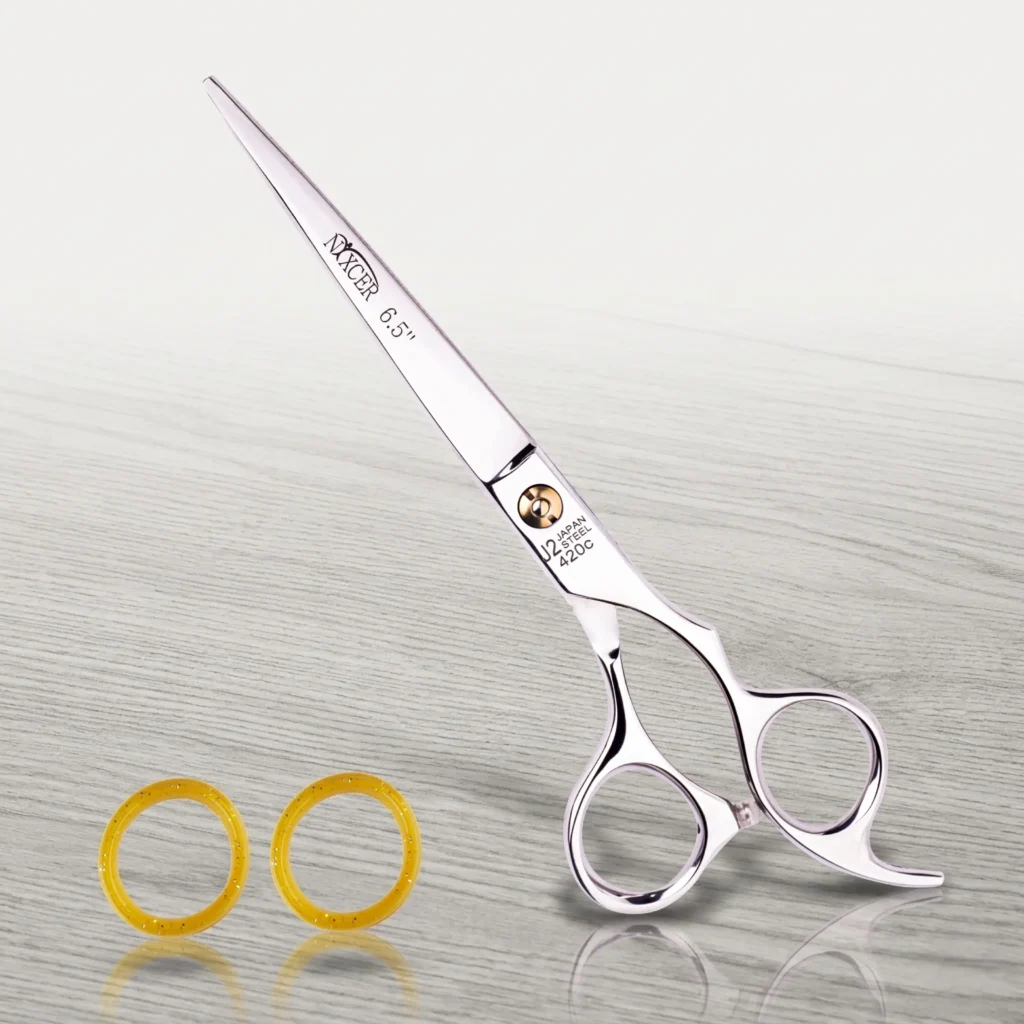
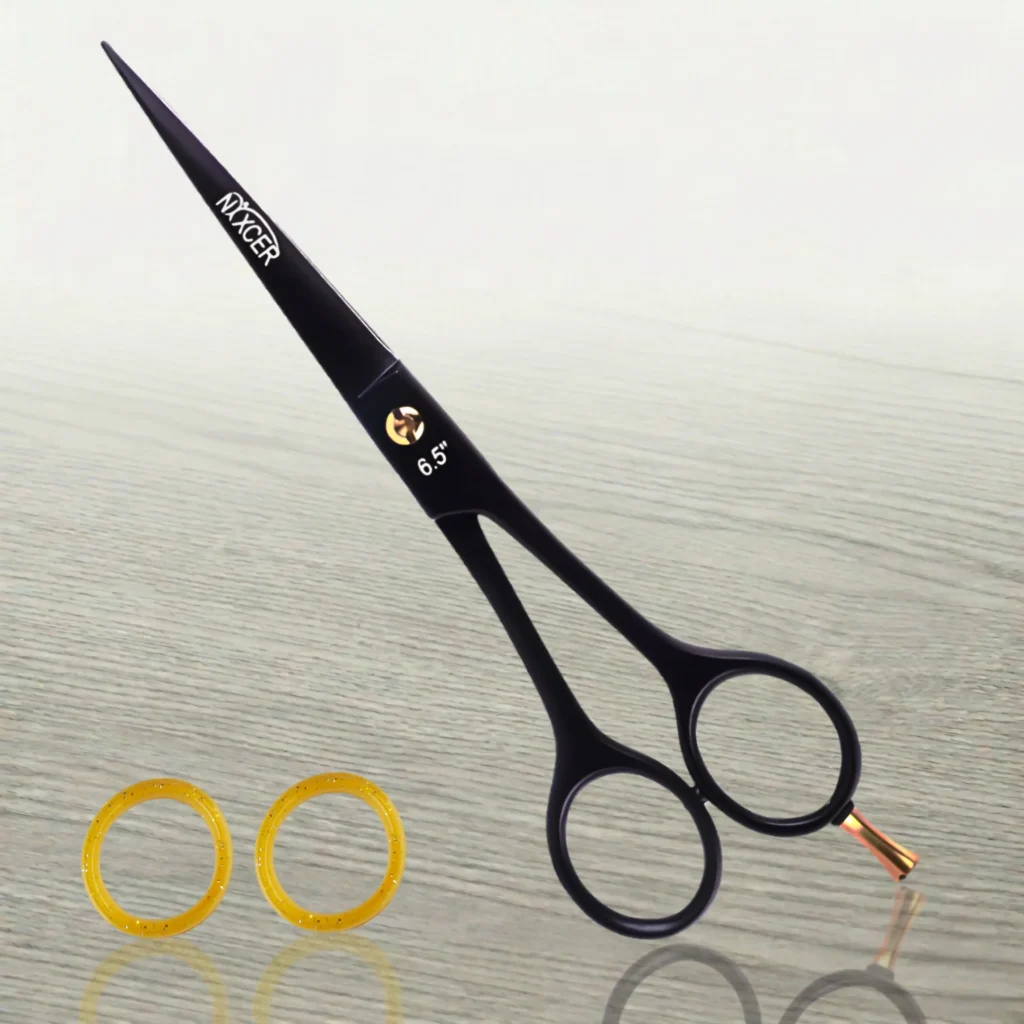
The Professional Sharp Series Razor Edge Hair Cutting Scissors can support precision cuts, different hair cutting work, and everyday salon use.
For thinning and texture
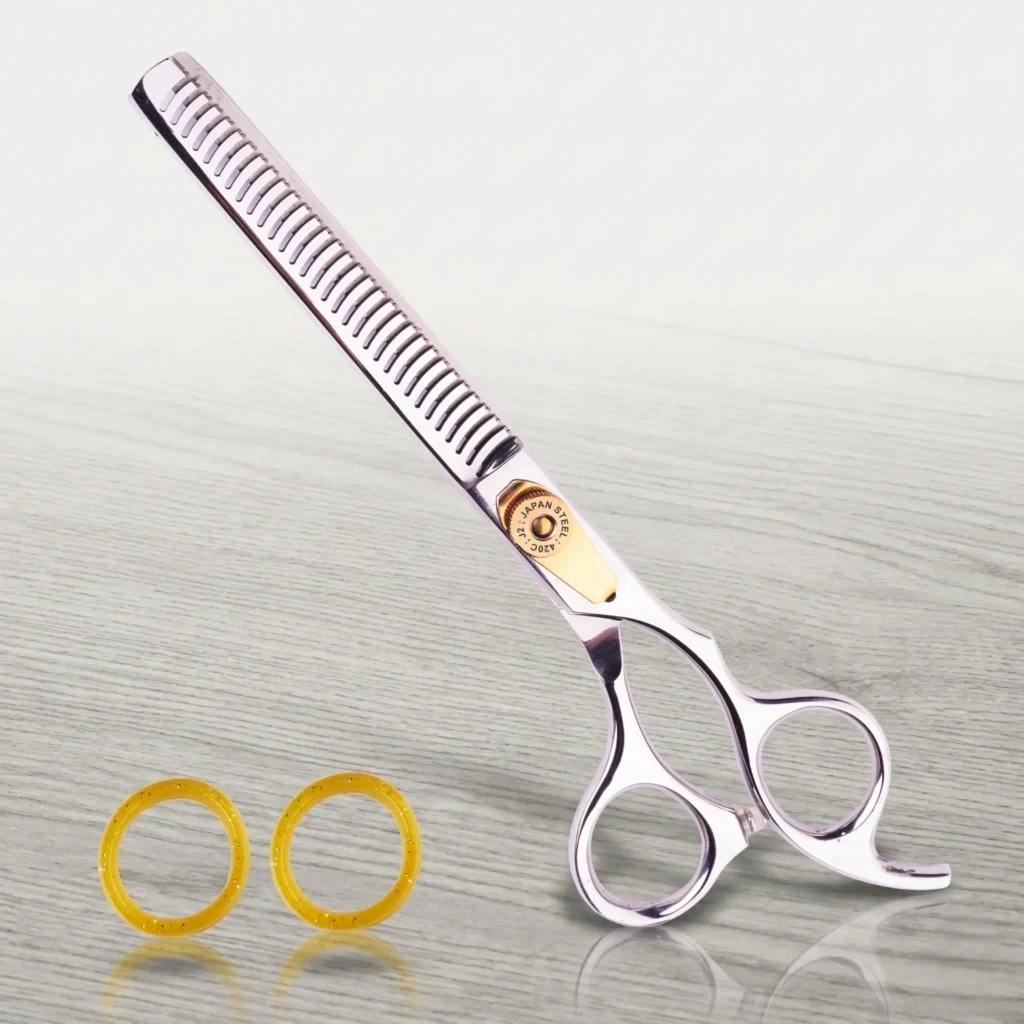
The Nixcer Professional Series Hair Thinning Scissors can help with hair cutting and thinning when thick hair needs controlled weight removal.
Buying note
Choose the perfect shear only after checking the hair type, blade type, cutting performance, and whether the shears offer enough control. Perfect hair cutting comes from matching tool, hand, and technique.
Maintenance and Sharpening
Even the best scissor types fail if they are dull. Professional sharpening protects the edge and keeps the tool reliable.
Sharpen regularly
Sharpen your shears when they push, fold, or bend hair without cutting cleanly.
Protect the blade
Do not use hair scissors on paper, thread, or packaging. Keep them for cutting hair only.
Clean after use
Clean hair and product from the pivot after each service.
Care rule
High-quality hair shears are ideal only when they are clean, sharp, and properly adjusted.
Final Thoughts
Choosing scissors for different hair textures is about matching tool to texture. Fine hair needs restraint, thick hair needs cutting power, straight hair needs clean lines, wavy hair needs movement, and curly hair needs careful shape control.
Scissors are the best choice only when they match the texture and job. The right shear should make cutting easier, protect the health of the hair, and support the stylist’s technique. When you understand blade type, handle design, texturizing options, and different hair cutting needs, you can choose the right scissors with more confidence.
FAQs
What scissors are best for fine hair?
Sharp hair cutting scissors with a clean edge are best. Avoid heavy thinning because fine hair can lose fullness quickly.
What scissors are best for thick hair?
Thick hair usually needs strong hair cutting shears plus controlled thinning shears or texturizing shears for bulk removal.
Are texturizing shears good for curly hair?
They can be used carefully inside the shape, but heavy thinning can disturb curl definition.
What is the difference between convex and beveled edges?
A convex edge glides smoothly for soft techniques. A beveled edge gives grip and durability for blunt or heavy cutting.
Do I need different scissors for different hair textures?
You can use one versatile professional shear, but different hair textures often benefit from different blade types and texturizing tools.