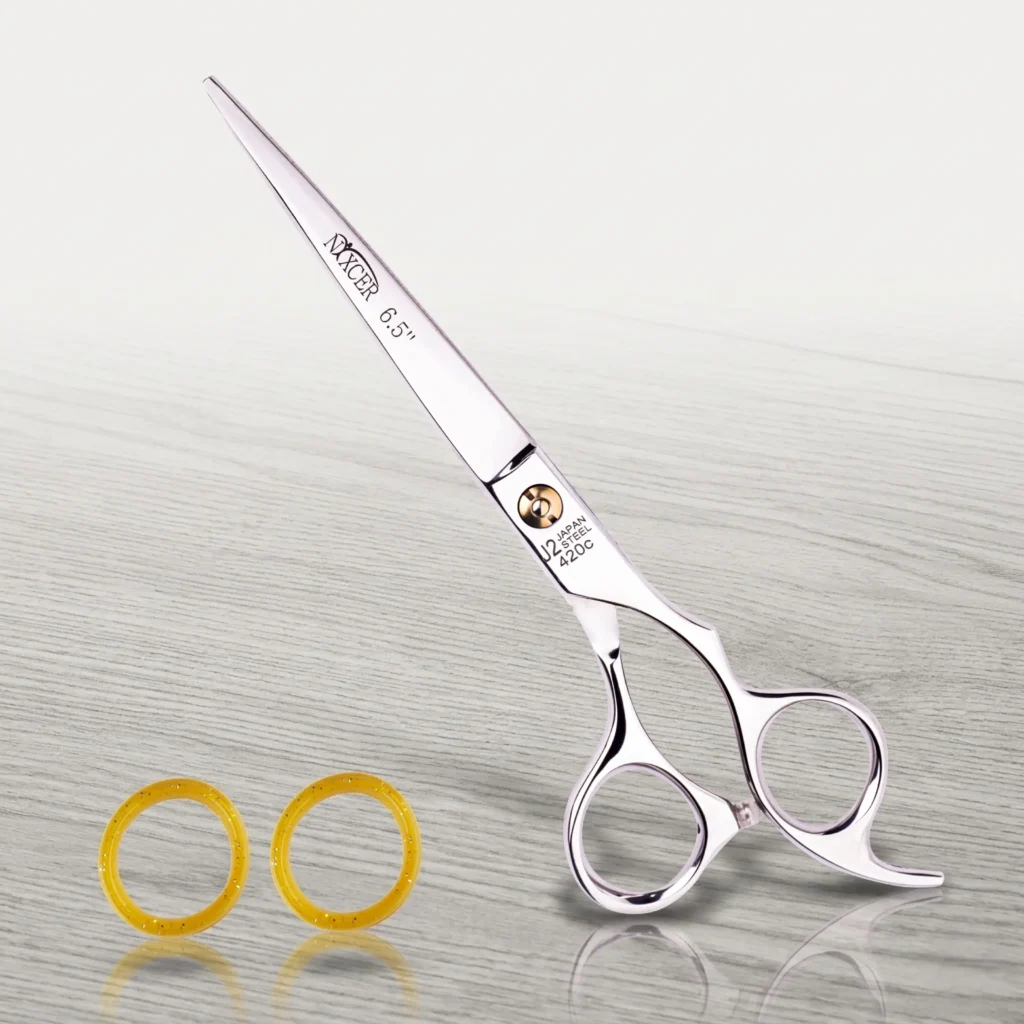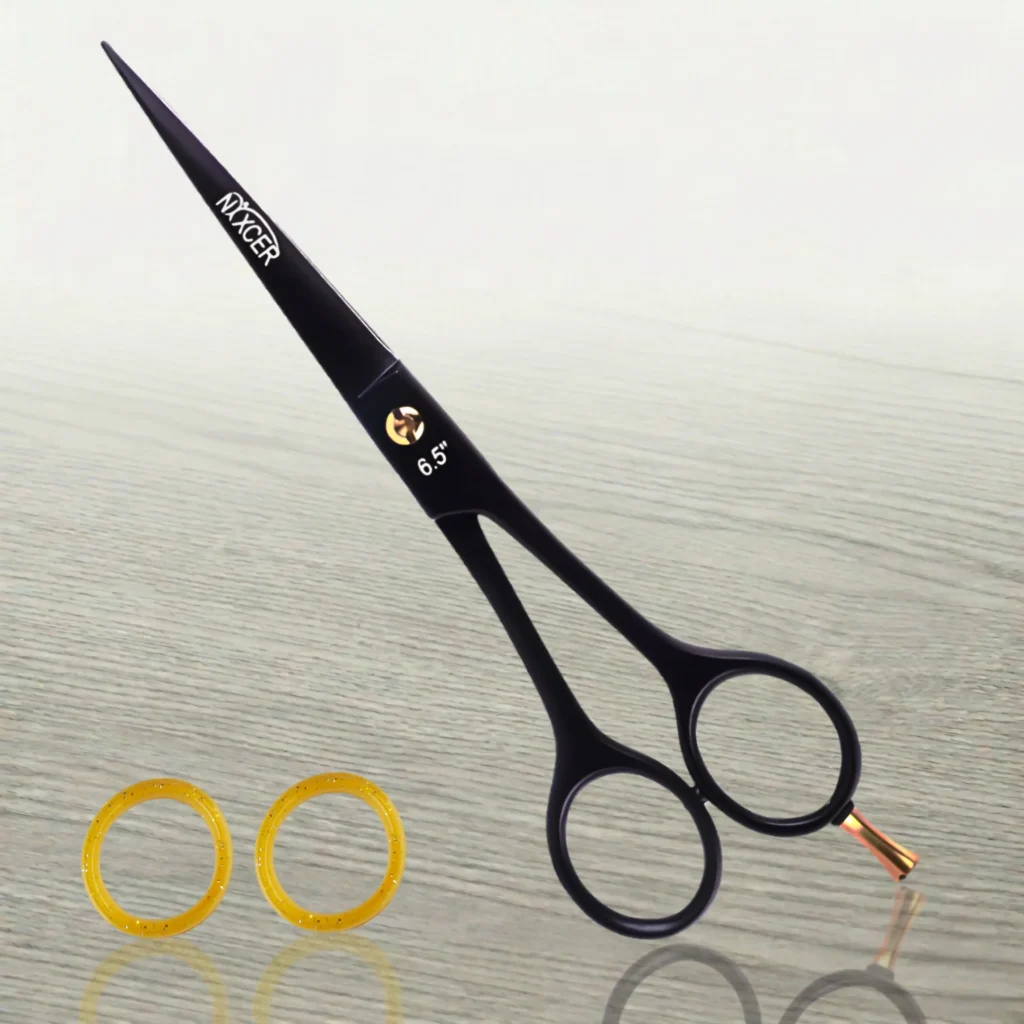
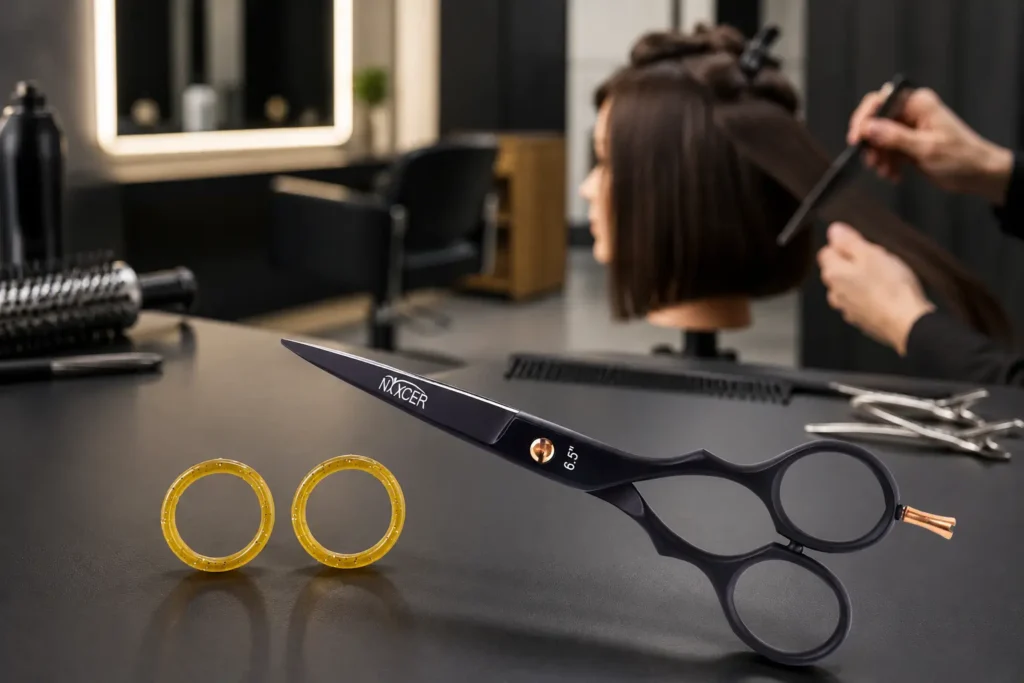
To choose hair cutting scissors for bob cuts, start with a sharp, balanced shear that can create a clean perimeter without pushing the hair. A 5.5- to 6.0-inch cutting scissor gives most stylists strong tip control, while a straight, semi-convex, or refined convex blade can support blunt lines, point cutting, and dry refinement. An ergonomic handle and stable tension also help the hand repeat precise cuts around the head.
A bob may look simple, but every uneven closure shows in the outline. The right hair scissors must match the bob style, hair types, hand size, and cutting techniques. This guide explains blade design, length, steel, ergonomics, texture tools, and the Nixcer Outlet options that fit common bob-cutting tasks.
The Quick Buying Checklist
Look for these features when choosing the right scissors:
- A blade that closes cleanly from heel to tip
- A cutting edge suited to blunt, point, slide, or dry cutting
- A manageable length between 5.5 and 6.5 inches
- An ergonomic handle with a comfortable finger rest
- Smooth, stable action from the adjustable tension screw
- Stainless steel or Japanese steel with credible specifications
- True right- or left-handed construction
- A separate thinning shear only when controlled weight removal is needed
The best hair cutting tool is not automatically the longest, most expensive, or most decorative. Professional hair shears and professional hairdressing scissors should cut hair cleanly while letting the stylist follow the guide without fighting the scissor.
Why Bob Cuts Demand Precise Scissors
A classic bob depends on a visible perimeter, balanced corners, and controlled weight. A blunt bob needs a firm line, while a graduated bob stacks weight through elevation. A textured bob may use point cutting or shallow slide work to soften the finish.
Official cosmetology training material describes blunt cutting as creating a straight, even line and identifies it as a common technique for bob hairstyles. It also treats blunt, point, and slide cutting as separate skills that require practice (Bharat Skills Cosmetology practical guide).
If the blade pushes hair before closing, the perimeter can shift. If the tips do not meet cleanly, the hairdresser may leave small steps near the nape or jawline. Better cutting performance comes from a suitable tool, correct tension, and disciplined sectioning—not from forcing a dull shear.
Match the Blade to the Bob Style
Straight or Beveled Blade
A straight cutting blade gives a clear visual relationship to the comb or fingers. It is useful for blunt cuts, one-length lines, and cutting straight across a controlled section.
A beveled edge can add grip, helping prevent slippery strands from moving forward. This can suit a stylist who wants deliberate straight cutting rather than a slicing action.
Semi-Convex Blade
A semi-convex blade balances grip with smoother cutting. It can handle blunt work, graduation, point cutting, and general salon services without feeling overly specialized.
For many professional stylists, this is one of the best shears for an everyday bob service because it supports several cutting techniques.
Full Convex Blade
A polished convex edge can move through hair with low resistance. It supports precision cutting, shallow point work, and slide cutting when the style needs a softer finish.
Convex cutting edges require correct tension and professional sharpening. An inexperienced sharpener can flatten the geometry or disturb the ride line.
Professional Razor Edge
A professional razor edge can deliver a fluid, clean cut, particularly on small sections. It must remain aligned and sharp; an edge that catches or drags should be serviced before the next haircut.
Sharper is not always safer. Use controlled sections and keep the blade away from the client’s skin.
Choose the Right Scissor Length
5.5-Inch Scissors
A 5.5-inch hair cutting shear provides close tip control around the nape, fringe, ears, and jawline. Shorter shears are useful when the hair cut requires detail or when the user has smaller hands.
6.0-Inch Scissors
A blade length of 6 inches is a versatile middle ground for bob cutting. It covers more hair than a 5.5 while remaining manageable for point work, cross-checking, and section-by-section trimming.
6.5-Inch Scissors
A 6.5-inch shear offers more coverage for long perimeters, broad sections, and scissor-over-comb. Longer shears can reduce the number of closures needed for a clean line, but they demand more tip control.
Search phrases such as “steel hair cutting scissors 6.5” describe size and material, not total quality. Balance, alignment, edge geometry, and hand fit still matter.
Select Steel by More Than Its Label
Stainless steel hair cutting scissors are popular because the material can resist corrosion and hold a refined edge when correctly treated. Japanese steel is also associated with many quality hair shears, but the country name alone is not proof of performance.
When comparing Japanese 440C, other 440C tools, or another named alloy, look for:
- Credible steel and hardness information
- Heat treatment and edge geometry
- Blade alignment and smooth pivot action
- Corrosion-resistant finishing
- Service and sharpening support
- Warranty and return terms
The phrase “stainless steel hair cutting” covers a wide range of products. A high-grade shear and a basic pair may share similar marketing words while performing very differently.
Some marketplace searches include phrases such as “Coolala stainless steel hair cutting scissors.” Treat brand or search wording as a starting point only. Compare the exact blade, handle, tension, handedness, and service policy.
Find a Handle That Fits the Hand
Offset Ergonomic Handle
An offset handle moves the thumb ring forward, reducing the distance the thumb must travel. This can help reduce hand and wrist strain during repeated cutting motions.
Crane Handle
A crane design brings the thumb closer to the pivot and angles the handle downward. It may help a hair stylist keep the elbow lower, although the stronger offset can take time to learn.
Swivel Thumb
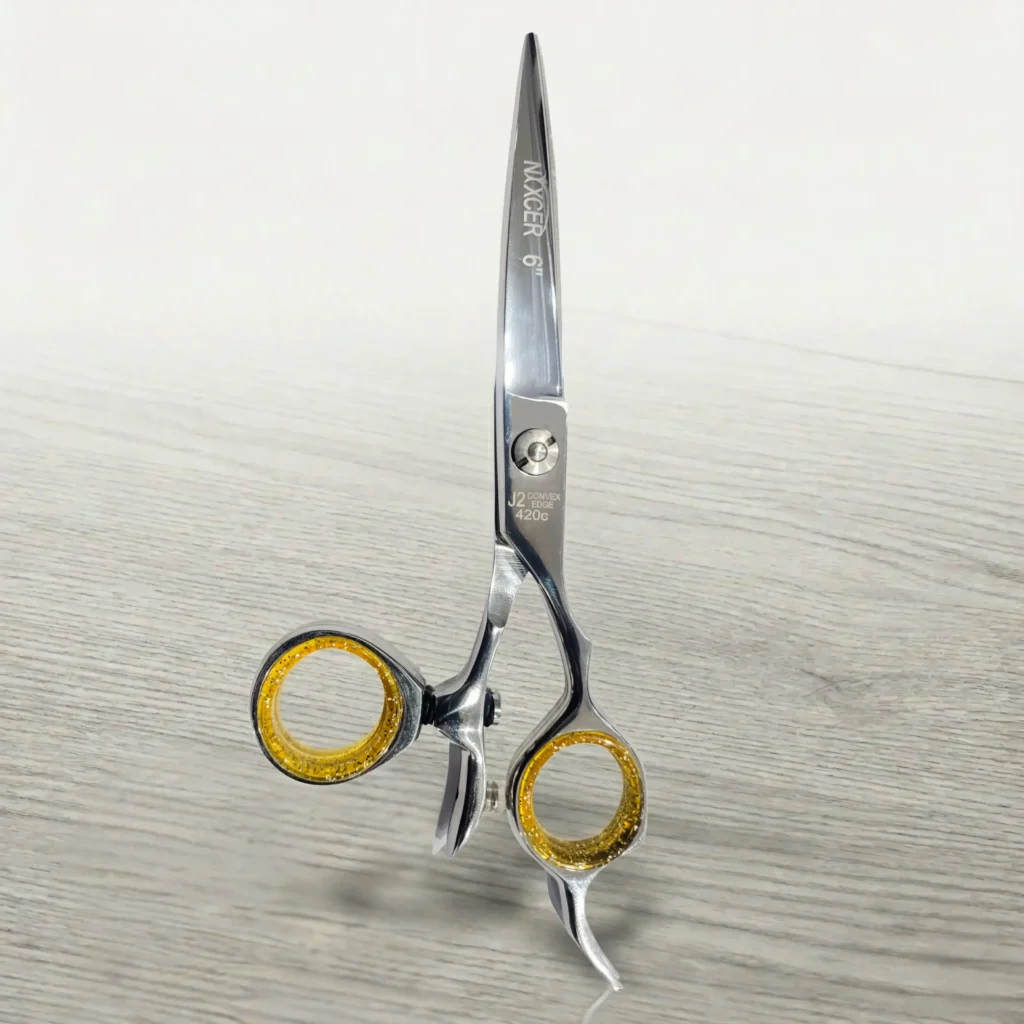
A swivel ring rotates with the thumb and may support changing cutting angles around the head. The mechanism should move smoothly without making the blades feel loose.
Finger Rest and Finger Inserts
A finger rest supports the little finger and helps stabilize the shear. Finger inserts reduce excess space when the rings are too large.
The fit should be secure without pinching. A correct grip helps the stylist control the tool with light pressure rather than squeezing.
OSHA guidance for repeated scissor work recommends tools that promote neutral joint positions and emphasizes keeping cutting tools maintained and sharp (OSHA scissor-work guidance). The guidance is not salon-specific, but the neutral-wrist principle is relevant to professional hairdressing.
Right-Handed and Left-Handed Scissors
True left-handed scissors reverse the blade arrangement so the user can see the cutting line and apply natural pressure. Flipping a right-handed tool does not create the same result.
Before investing in the right pair, confirm both the handle and blade orientation. The right hairdressing tool should provide a clear sightline from the heel to the tip.
Cutting Shears vs. Thinning and Texturizing Shears
Standard Cutting Shears
Standard hair cutting shears build the bob. They establish the perimeter, form graduation, connect sections, and create the main structure.
Thinning Scissors
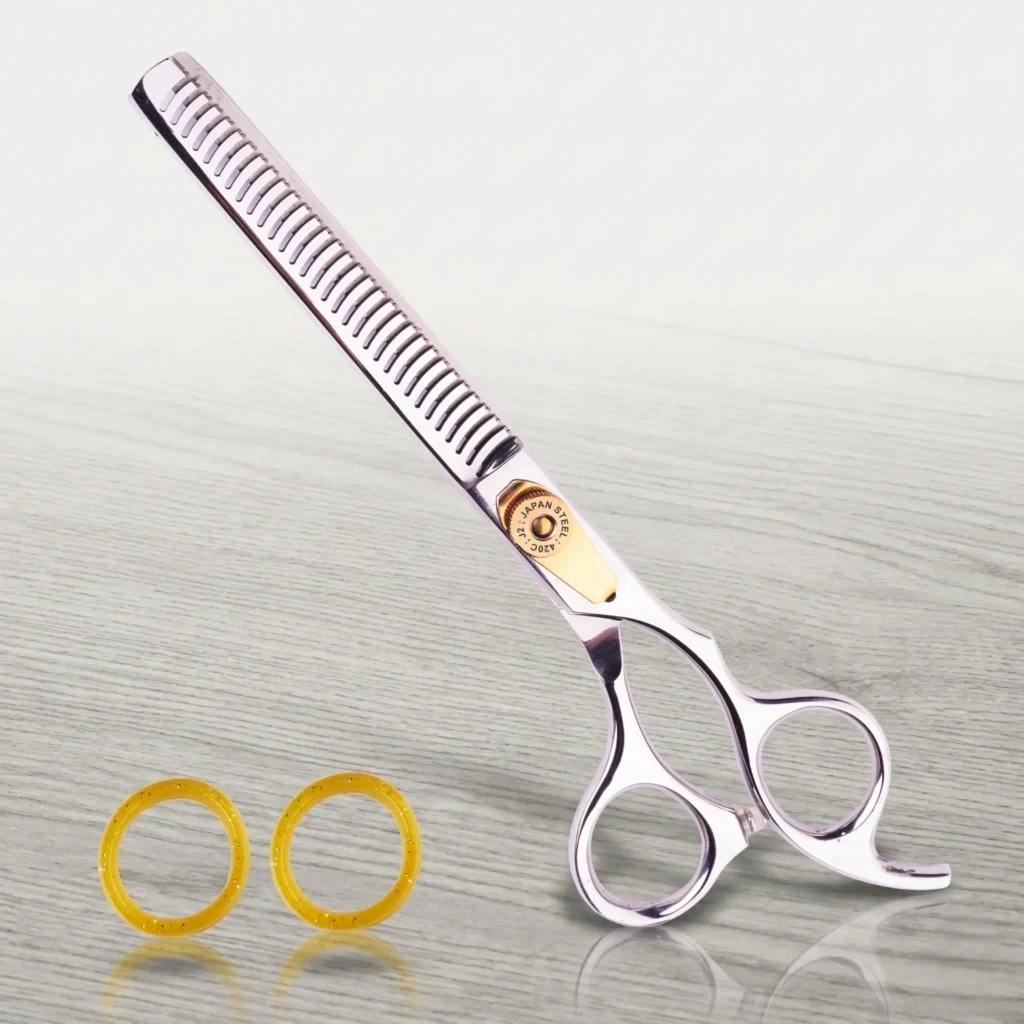
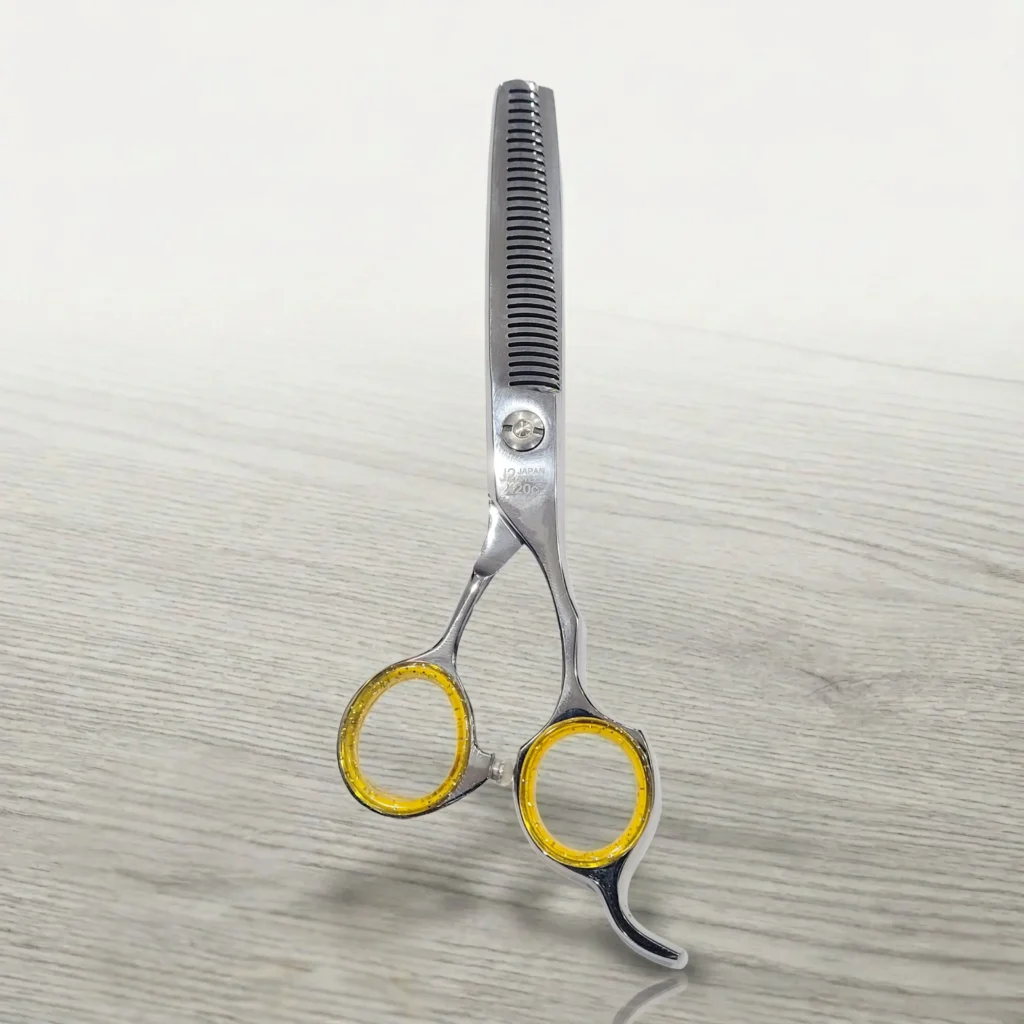
Thinning scissors use one toothed blade to remove only part of a section. They can soften a heavy transition or reduce controlled bulk after the shape is complete.
Texturizing Shears
Texturizing shears may have wider tooth spacing and a stronger removal pattern. They can create separation or movement, but overuse may weaken a bob’s perimeter.
The different types of hairdressing shears are not interchangeable. Use thinning and texturizing shears as finishing tools, not as a shortcut for inaccurate sectioning. A scissors set is useful only when each tool has a clear job.
Match the Scissors to Different Bob Techniques
Blunt Bob
Use straight or semi-convex professional shears to create a firm, even line. Work in small sections and close the blade decisively rather than chewing across the perimeter with partial cuts.
Graduated Bob
A 5.5- or 6.0-inch hairdressing shear provides control while the stylist follows vertical or diagonal guides. Cross-check the elevation and weight line before moving far from the center back.
Textured Bob
Use shallow point cutting to soften the ends while preserving density. Deep texturizing can create gaps, especially on fine hair or already layered sections.
Asymmetrical Bob
Precision matters because the imbalance is intentional. Mark the long and short sides clearly, then use the same tension and cutting style on both.
Dry-Finished Bob
Dry cutting reveals the natural fall, growth patterns, and small corners. Sharp hairdressing scissors should cut dry hair without pushing or dragging it.
Nixcer Outlet Options for Bob Cuts
Professional Sharp Series Razor Edge Scissors
Best For
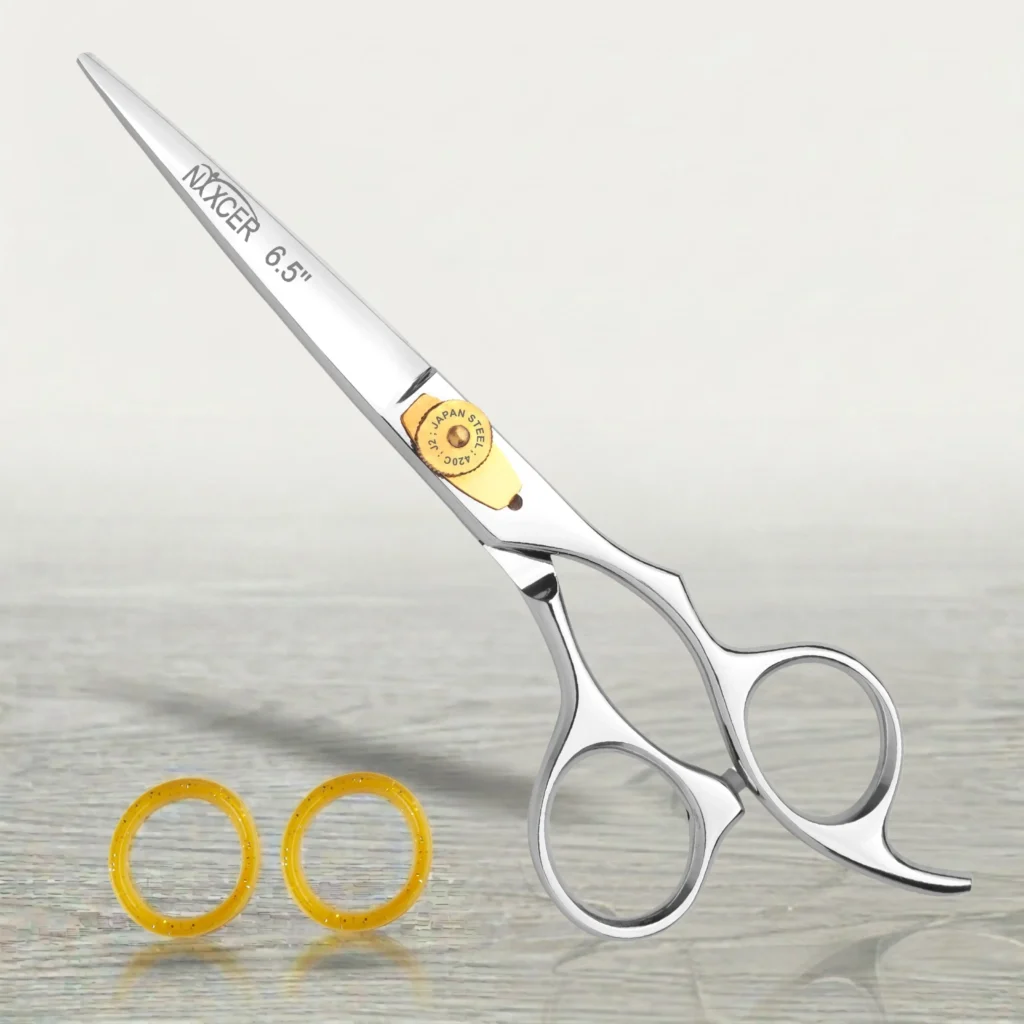
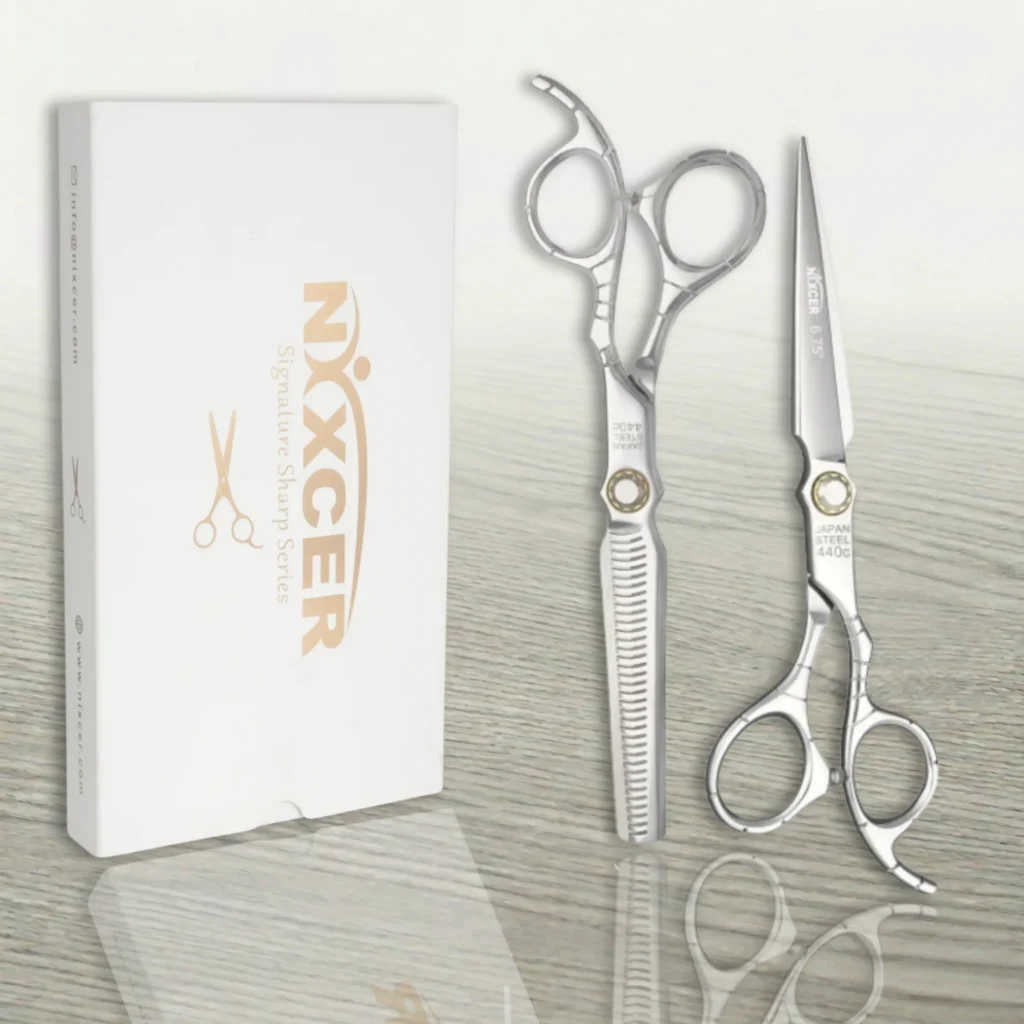
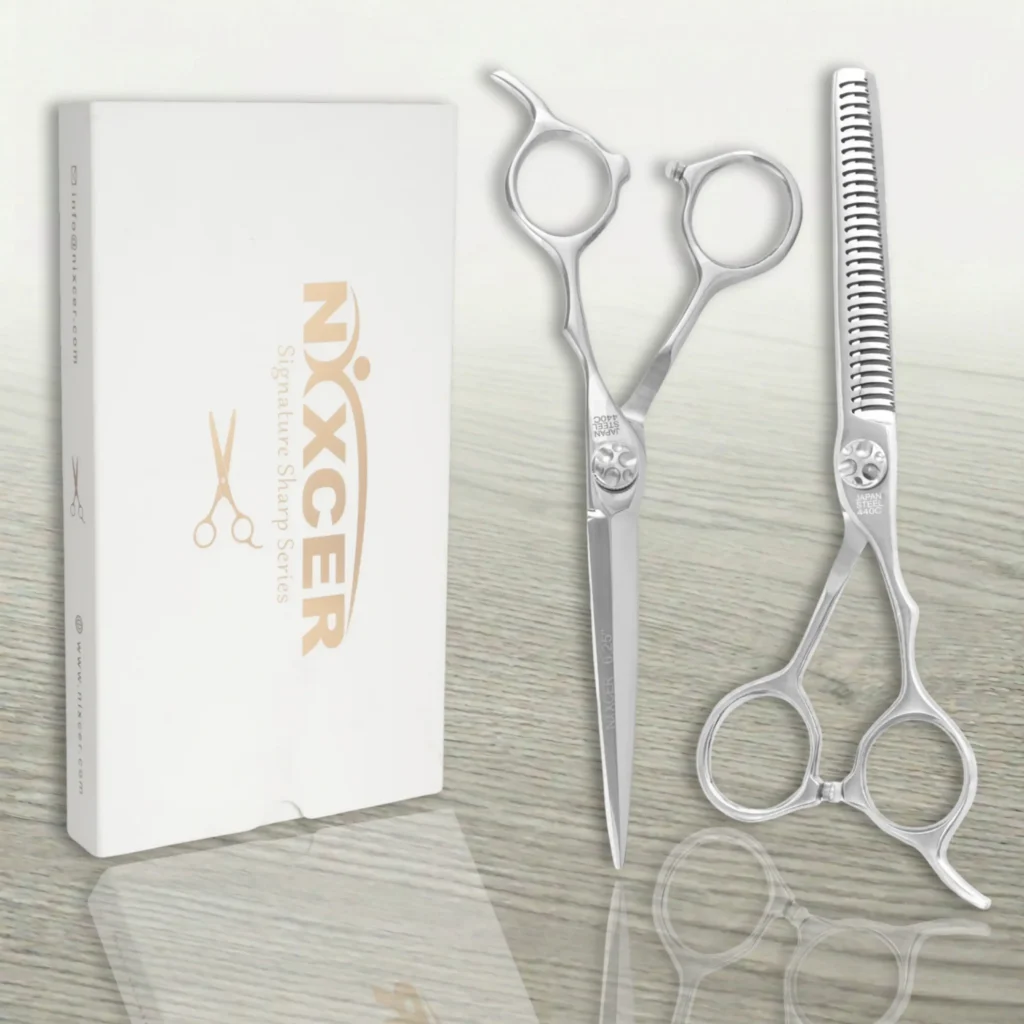
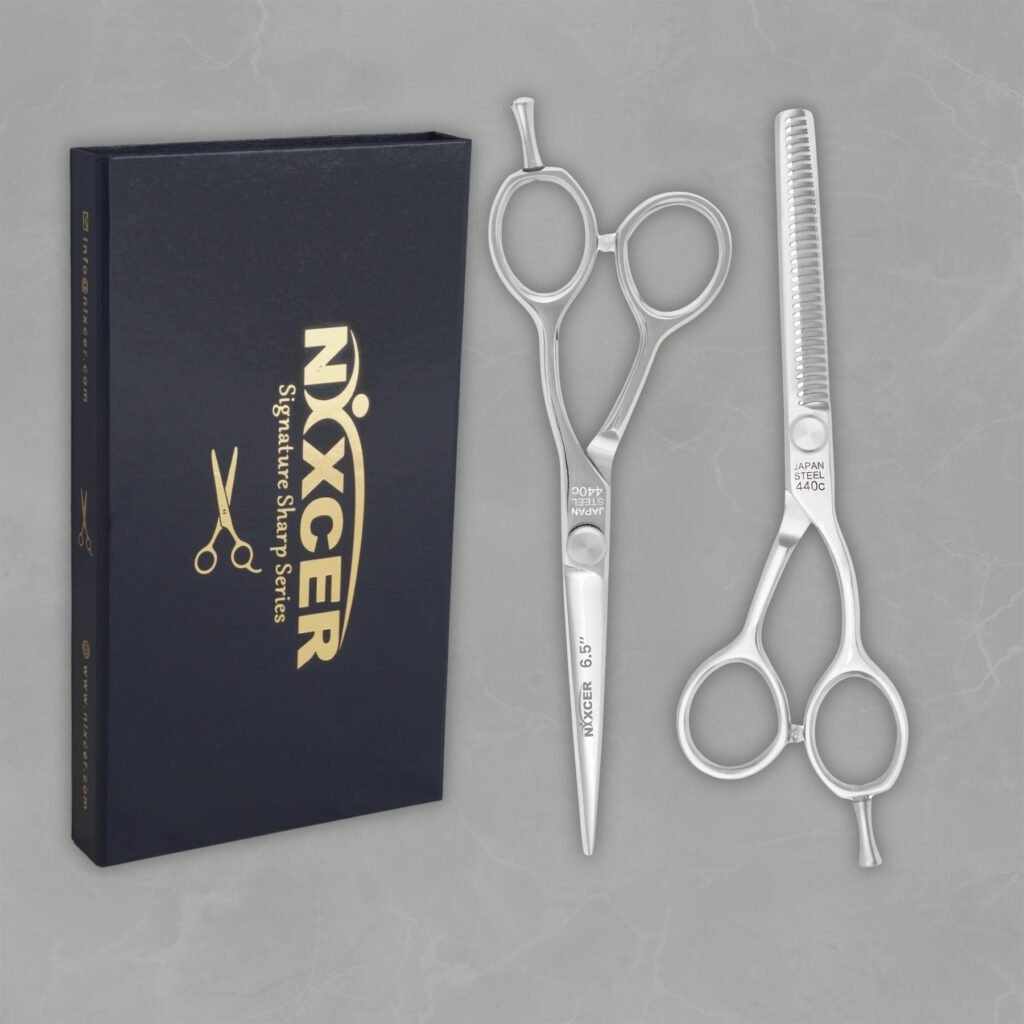
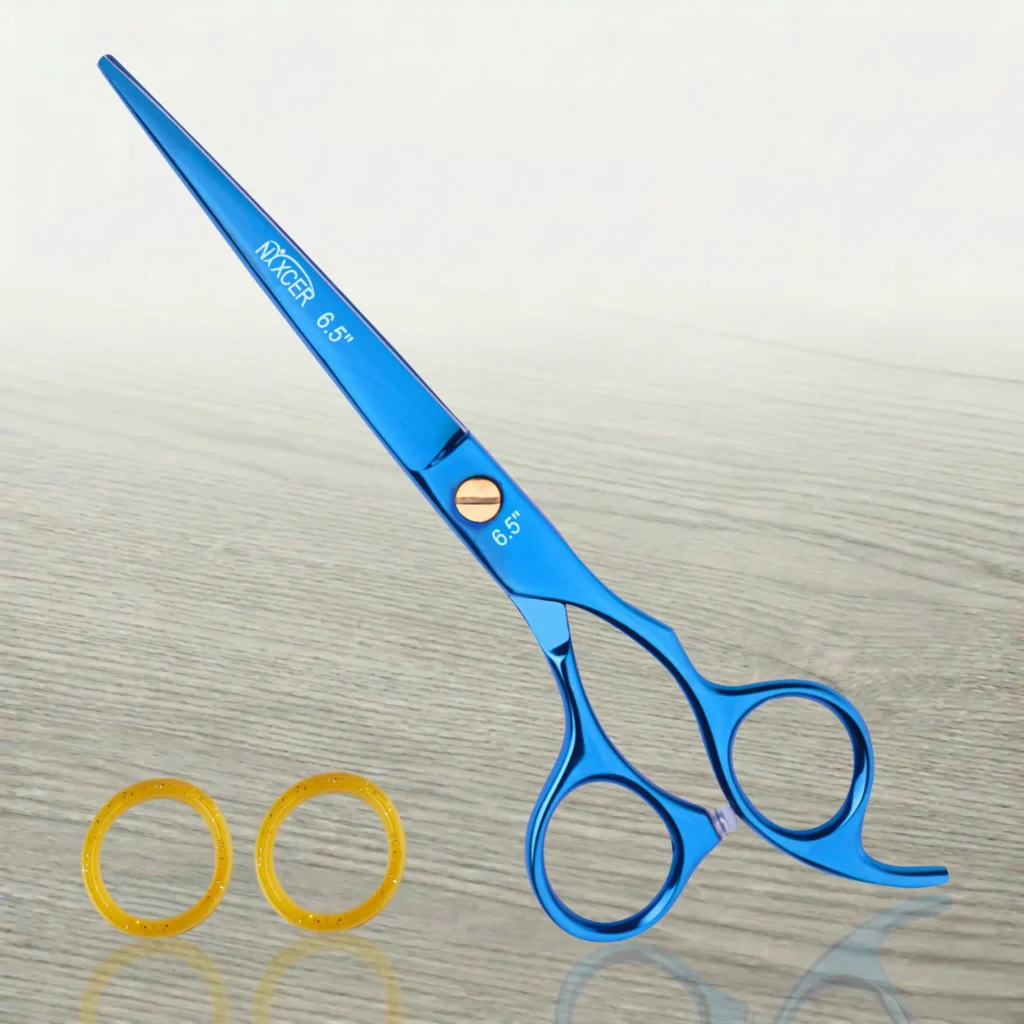
The Professional Sharp Series Razor Edge Hair Cutting Scissors are available in 6.0- and 6.5-inch options. The listed sharp edge and adjustable tension screw make this model relevant for clean lines, point work, and dry refinement.
Choose This Pair When
Choose the shorter option when control is the priority. Select the longer size when broad sections and scissor-over-comb are regular parts of the service.
Broad Blade Razor Edge Scissors
The Nixcer Broad Blade Razor Edge Hair Cutting Scissors use a 6.25-inch profile. A broad blade can add stability for thick hair, long perimeters, or a strong blunt line.
Professional Hair Thinning Scissors
Best For
The Nixcer Professional Series Hair Thinning Scissors can soften selected weight after the structure is accurate. Use them conservatively around the perimeter.
Use With Care
Do not repeatedly close the thinning shear in one area. Over-thinning may cause weak ends, visible gaps, or short pieces that grow out unevenly.
Browse the Nixcer Outlet scissors collection.
How to Choose the Best Pair for Your Hair Type
Fine Hair
Fine hair often benefits from a strong perimeter and minimal thinning. A shorter, sharp convex or semi-convex blade can make precise cuts without removing visual density.
Thick Hair
Thick hair may suit a longer or broader shear and smaller, controlled sections. Use texture tools only after the main shape is correct.
Wavy or Curly Hair
The right shears should follow the pattern rather than stretch it out of shape. Check the bob on dry hair because shrinkage and wave direction can change the visible line.
Straight Hair
Straight hair exposes every step in the perimeter. Clean alignment, steady tension, and sharp cutting edges are essential.
Choosing the right tool starts with the actual strand texture, density, damage, and finished style—not a generic label covering all types of hair.
Why Regular Scissors Are a Poor Choice
Regular scissors are made for paper, fabric, packaging, or household tasks. Their edge, balance, and handle geometry may push or crush hair rather than produce precise cuts.
Using unsuitable tools may leave rough ends or make existing split ends more visible. Dedicated professional hair cutting scissors are easier to control and maintain for haircutting work.
Care, Tension, and Sharpening
Even the best hairdressing scissors need routine care:
- Wipe loose hair from the blades after every service
- Clean and disinfect according to salon rules and product directions
- Dry the blades and pivot completely
- Apply a small amount of suitable scissor oil
- Check the adjustable tension screw regularly
- Store the pair in a protective case
- Keep the blades away from paper, comb teeth, and hard surfaces
- Use professional sharpening for the exact edge geometry
Correct care helps the blade stay sharper for longer. If the scissors push, fold, snag, or lose tip performance, stop using them until they are inspected.
Can You Cut a Bob at Home?
Home hairdressing is difficult with a bob because the most important line often sits at the back of the head. A mirror can reverse the view, and uneven tension can create a sloping perimeter.
If you choose hair cutting at home, use dedicated scissors, strong lighting, multiple mirrors, and very small sections. Trim hair conservatively and stop if the guide is not visible.
For a major change, graduation, asymmetry, or correction, book a trained salon professional. The best cuts come from good tools combined with sectioning, head-shape analysis, and practiced technique.
Final Verdict
Choosing the right scissors for a bob means matching the blade, length, handle, steel, and tension to the intended technique. A 5.5- to 6.0-inch straight, semi-convex, or convex shear suits most bob work. A 6.5-inch or broad-blade tool can improve coverage, while separate thinning tools handle controlled finishing.
Choose the best option by hand fit and cutting needs rather than marketing alone. Quality hair cutting scissors should feel balanced, close cleanly, and help the stylist repeat the same line without unnecessary pressure.
Frequently Asked Questions
What size scissors are best for bob cuts?
Most stylists prefer 5.5 to 6.0 inches for control. A 6.5-inch shear may suit broad lines, larger hands, or scissor-over-comb.
Is a convex blade good for a bob?
Yes. A convex blade can make smooth, precise cuts and support point or slide work. A beveled or semi-convex edge may provide more grip for a firm blunt line.
Should a bob be cut wet or dry?
Both approaches can work. Wet cutting helps organize the main shape, while dry cutting reveals the final fall and small imbalances.
Do I need thinning shears for a bob?
Not always. Build the shape with standard cutting scissors first. Use thinning shears only when a specific area needs controlled weight removal.
Are Japanese steel scissors worth considering?
Yes, but Japanese steel alone does not guarantee quality. Blade geometry, heat treatment, alignment, tension, and maintenance also affect performance.
How often should bob-cutting scissors be sharpened?
There is no universal schedule. Sharpen when the blades push, fold, snag, or lose tip accuracy. Workload, steel, maintenance, and technique affect service frequency.
What makes the best hair cutting scissors for professional use?
The best hair cutting scissors fit the hand, match the technique, hold alignment, and cut cleanly from heel to tip. Comfort and repeatable control matter more than decoration.
Can barber shears be used for bob cuts?
Yes. Longer barber scissors or barber shears can create broad lines or support scissor-over-comb. Shorter scissors remain useful for detail around the nape, ears, and fringe.