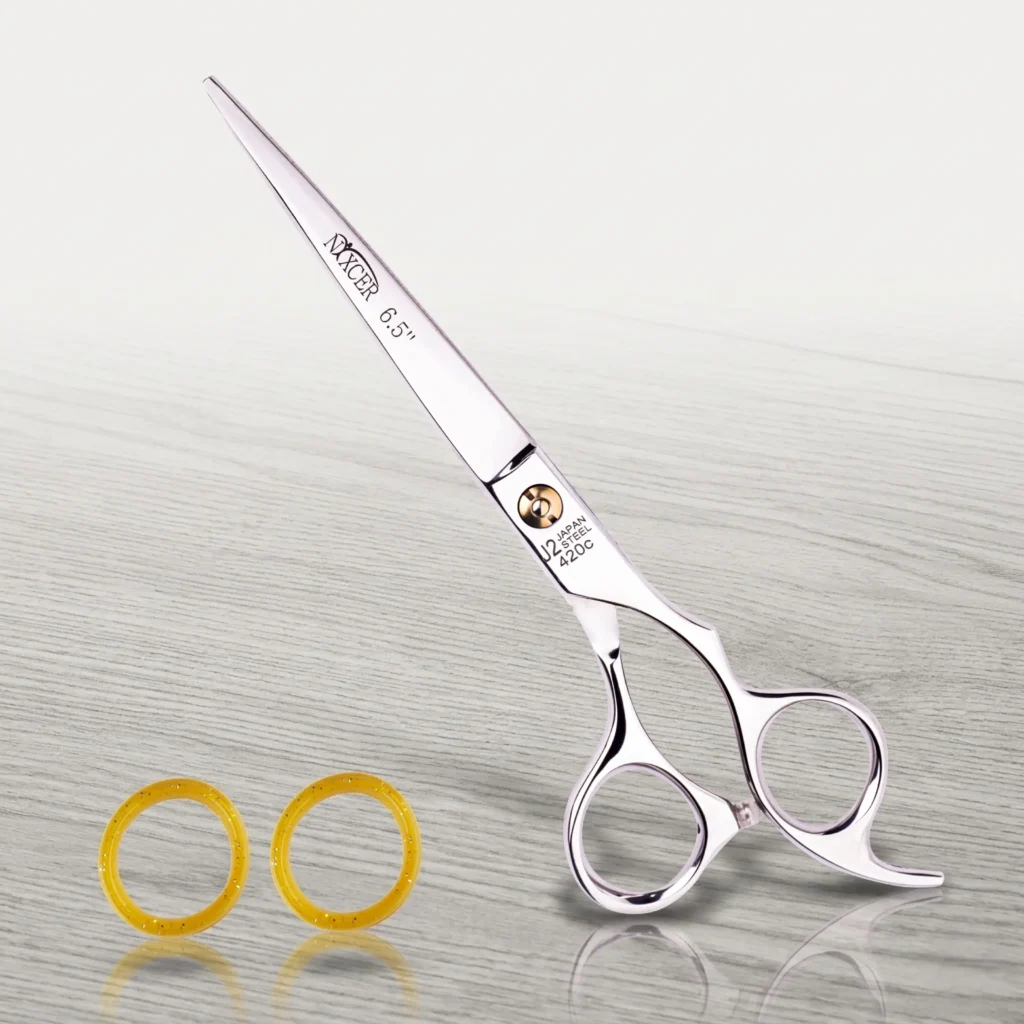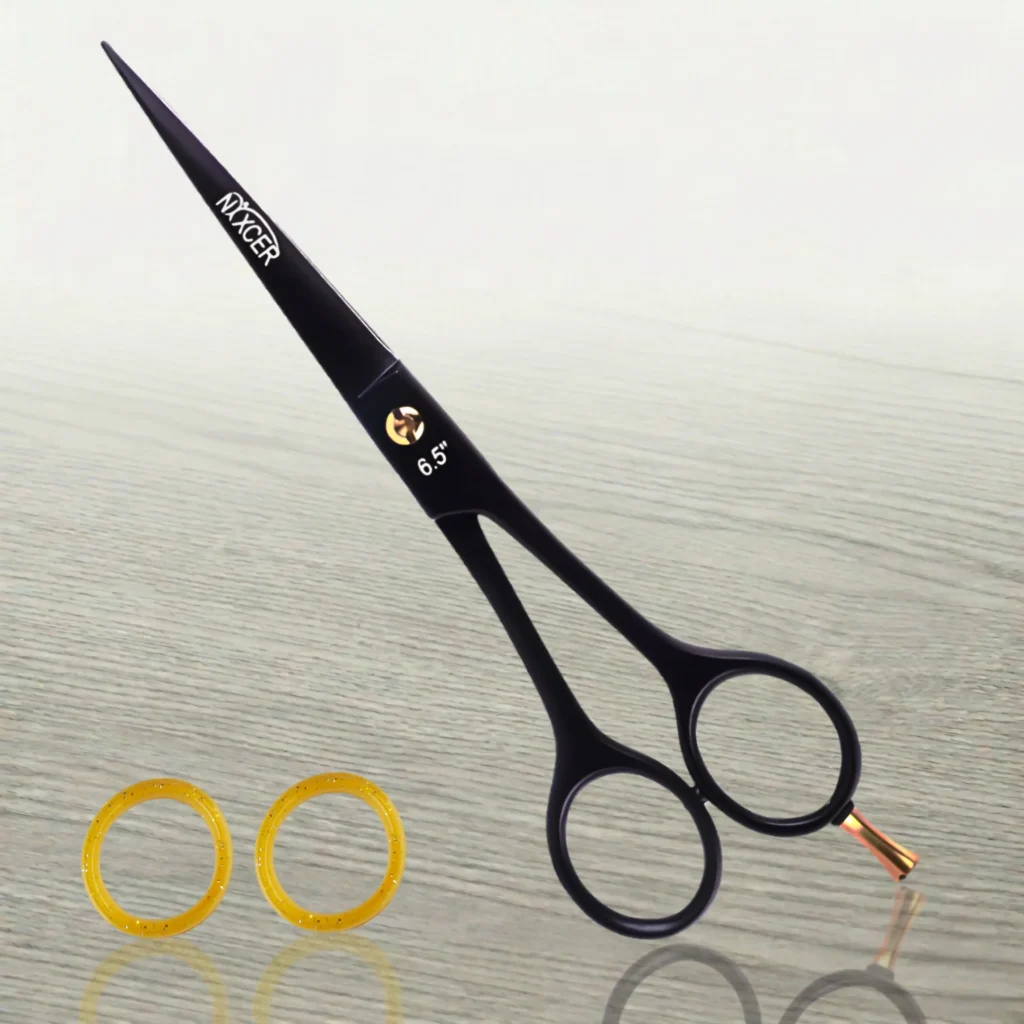
Quick Answer: What Should Be in a Hair Cutting Scissor Maintenance Kit?
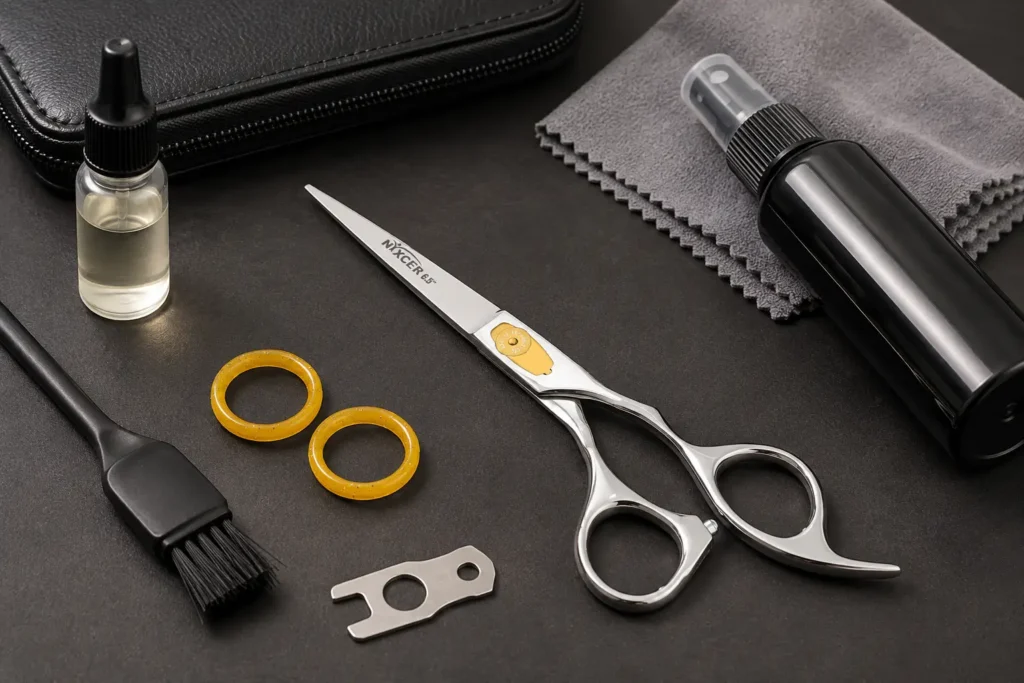
A good hair cutting scissor maintenance kit should include scissor oil, a soft microfiber cloth, a small tension adjustment tool, finger inserts, a protective case, a shear-safe disinfectant, and simple care instructions. For salon use, it should also include a maintenance schedule so every stylist knows when to clean, oil, check tension, and book professional sharpening.
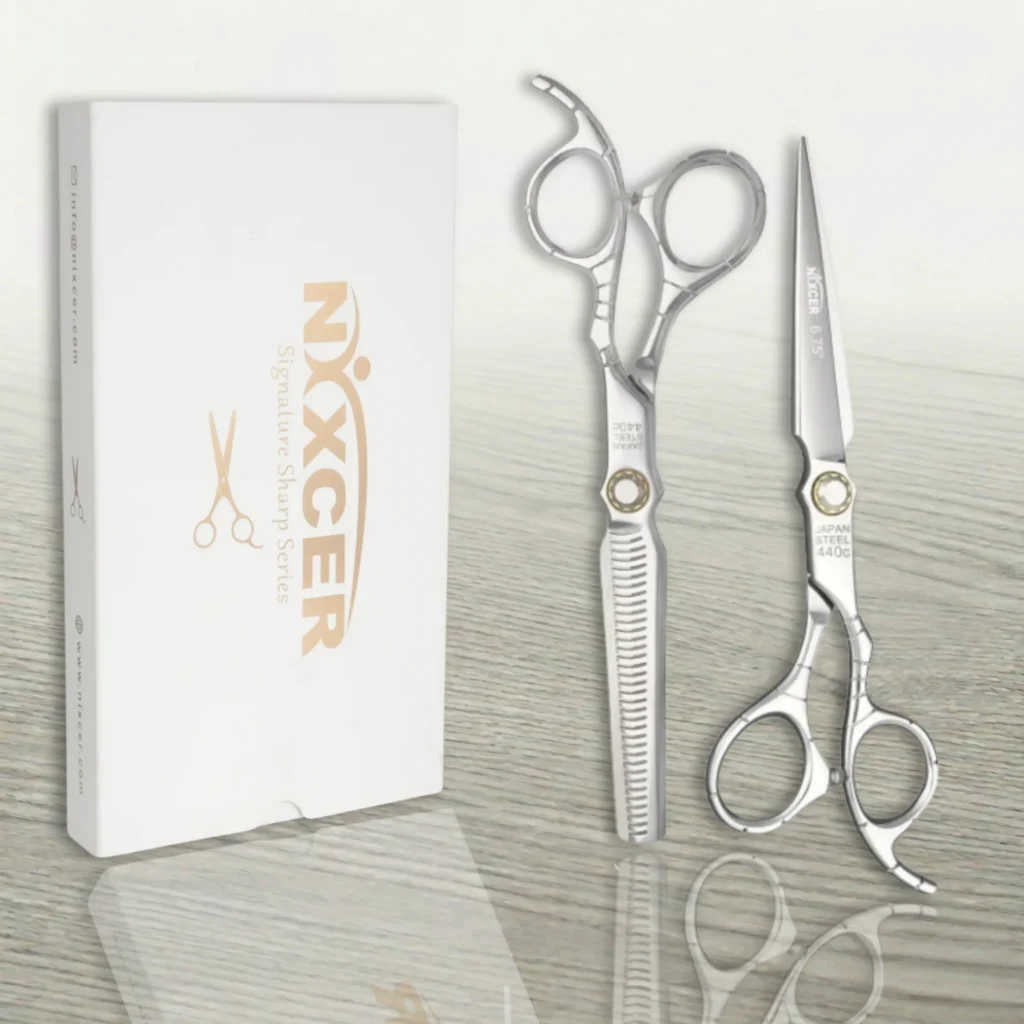
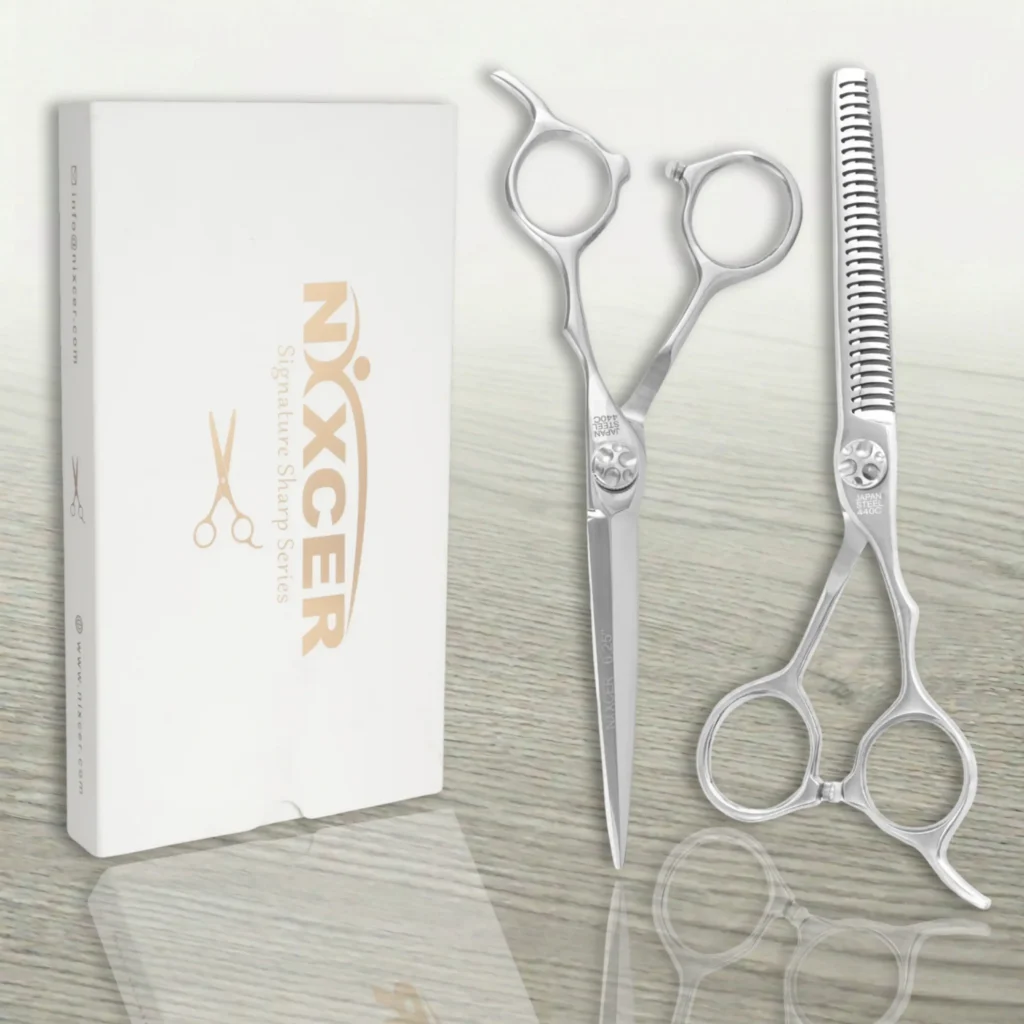
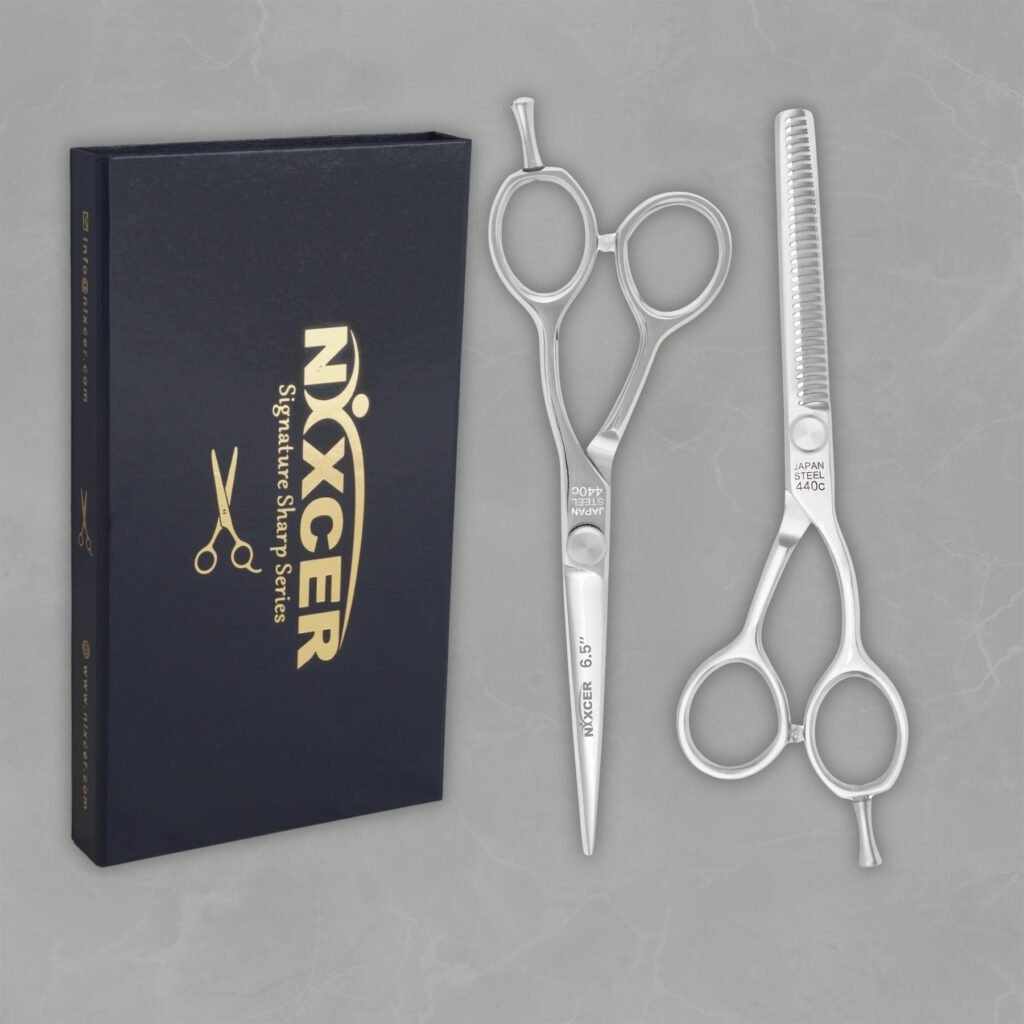
For Nixceroutlet customers, the goal is simple: protect the blade, keep the pivot smooth, prevent corrosion, and make every haircut feel clean and controlled. A kit does not need to be huge, but it should cover daily cleaning, weekly oiling, safe storage, tension checks, and sharpening reminders.
Why this matters
Hair cutting scissors are precision tools. When product residue, moisture, and tiny hair fragments sit on the blade or around the screw, the shear can start to drag, push hair, or feel rough. A maintenance kit turns care into a quick habit instead of a chore.
Why Hair Cutting Scissor Maintenance Kits Matter
Scissors do not fail only because the steel is poor. Many shears fail because they are stored wet, used on non-hair materials, never oiled, dropped in a drawer, or sharpened incorrectly. A maintenance kit helps prevent all of that.
In a salon, scissors touch hair, product, moisture, color residue, and disinfectant throughout the day. At home, they may be stored near combs, clips, razors, or other tools that can nick the cutting edge. Regular maintenance protects the blades before small problems become expensive repairs.
The real cost of skipped maintenance
Skipped care can lead to dull blades, rust spots, sticky pivot action, tension drift, hand fatigue, and uneven cutting. Once the edge is chipped or the alignment is off, basic cleaning will not fix it.
Think of it like hair care
You would not use a styling tool for months without cleaning it. Hair shears deserve the same attention because they touch the final shape of every haircut.
The Essential Items in a Scissor Maintenance Kit
A maintenance kit should be practical, compact, and easy to use. The best kits are built around the steps a barber or stylist actually performs: wipe, sanitize, dry, oil, test tension, store, and schedule sharpening.
Scissor oil
Scissor oil is the heart of the kit. It lubricates the pivot, reduces metal-on-metal friction, and helps the blades open and close smoothly. Use a lightweight oil made for scissors or precision cutting tools, not cooking oil or heavy machine oil.
Microfiber cleaning cloth
A soft microfiber cloth removes hair fragments, moisture, and product buildup without scratching the blade. Keep one cloth for dry wiping and another for disinfectant or cleaning solution if possible.
Tension adjustment tool
Many professional shears come with a small key or screw tool. This lets you make tiny tension adjustments when blades feel too loose or too tight. Only adjust in small steps, because over-tightening can create unnecessary wear.
Protective case or pouch
A case protects tips and edges from knocks. It also keeps scissors away from combs, clips, razors, and other metal tools that can damage the edge.
Finger inserts
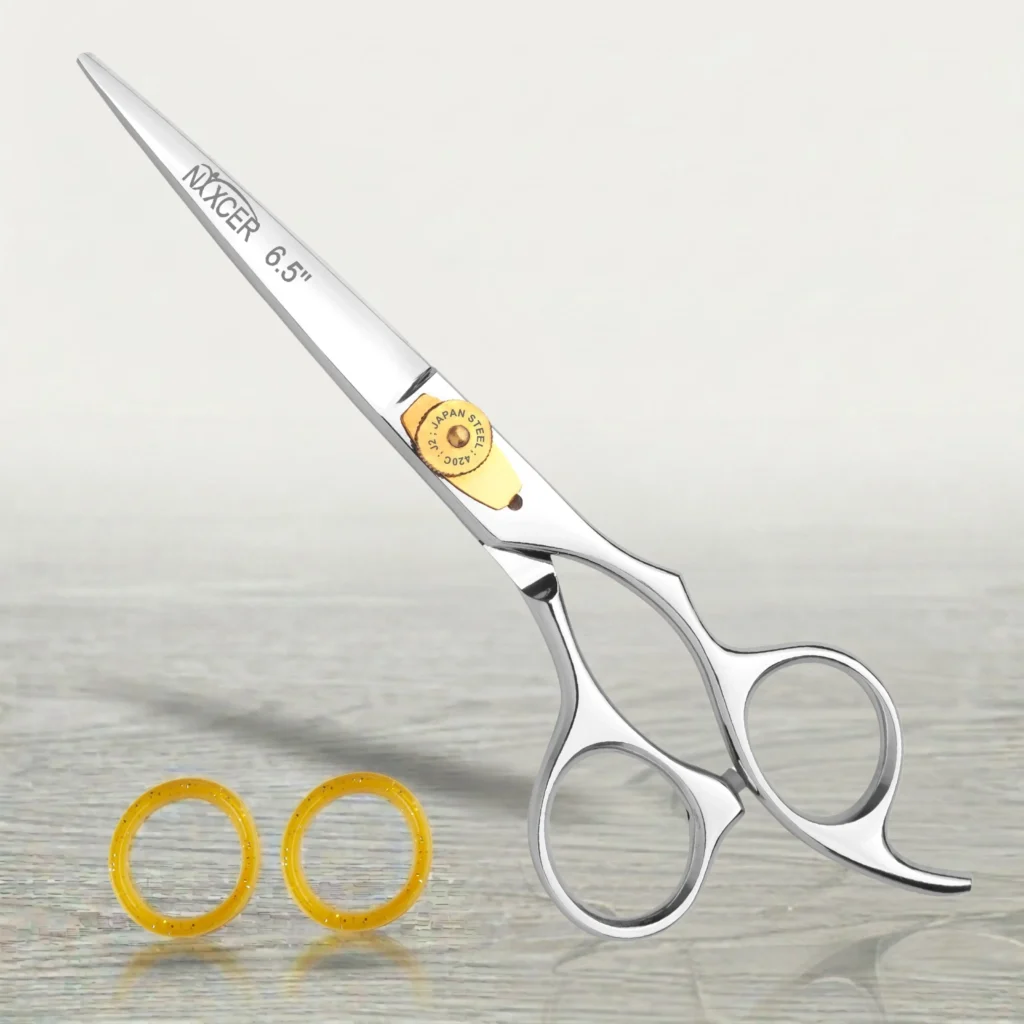
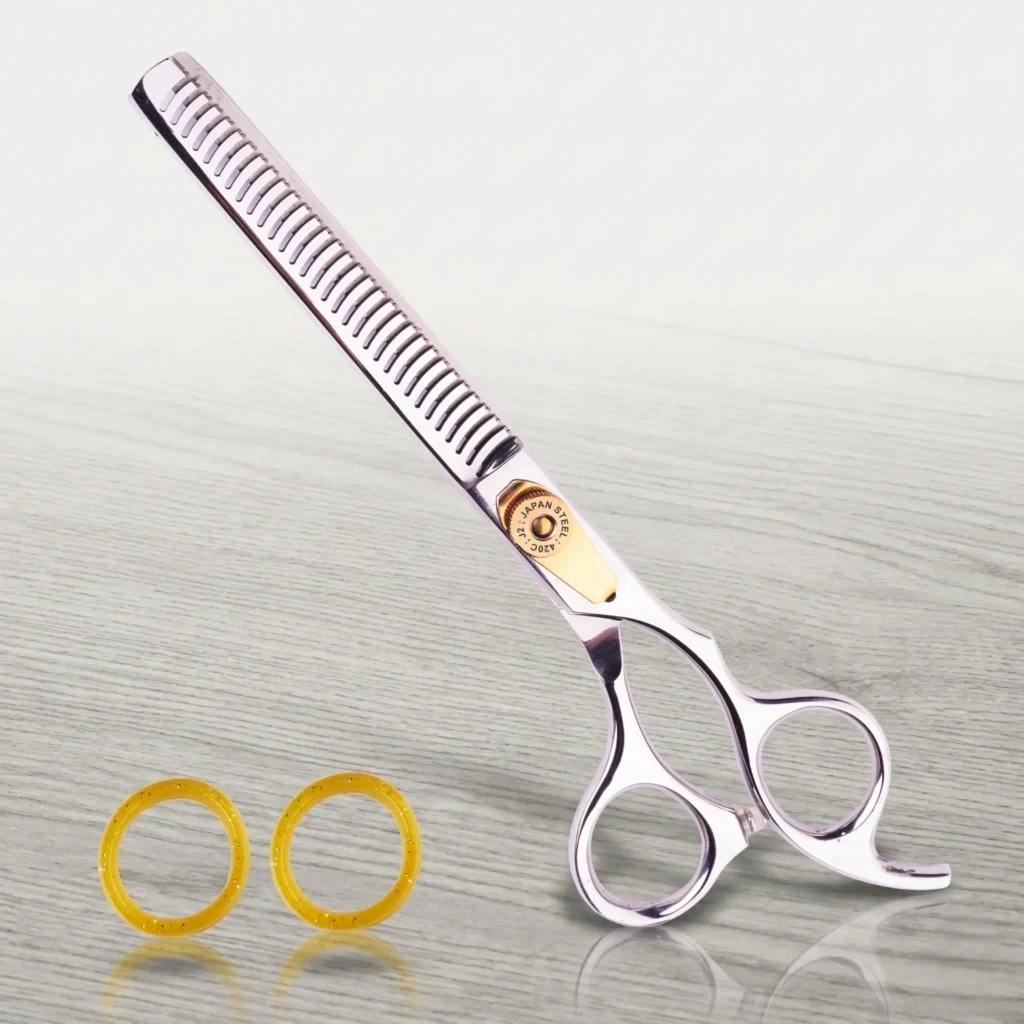
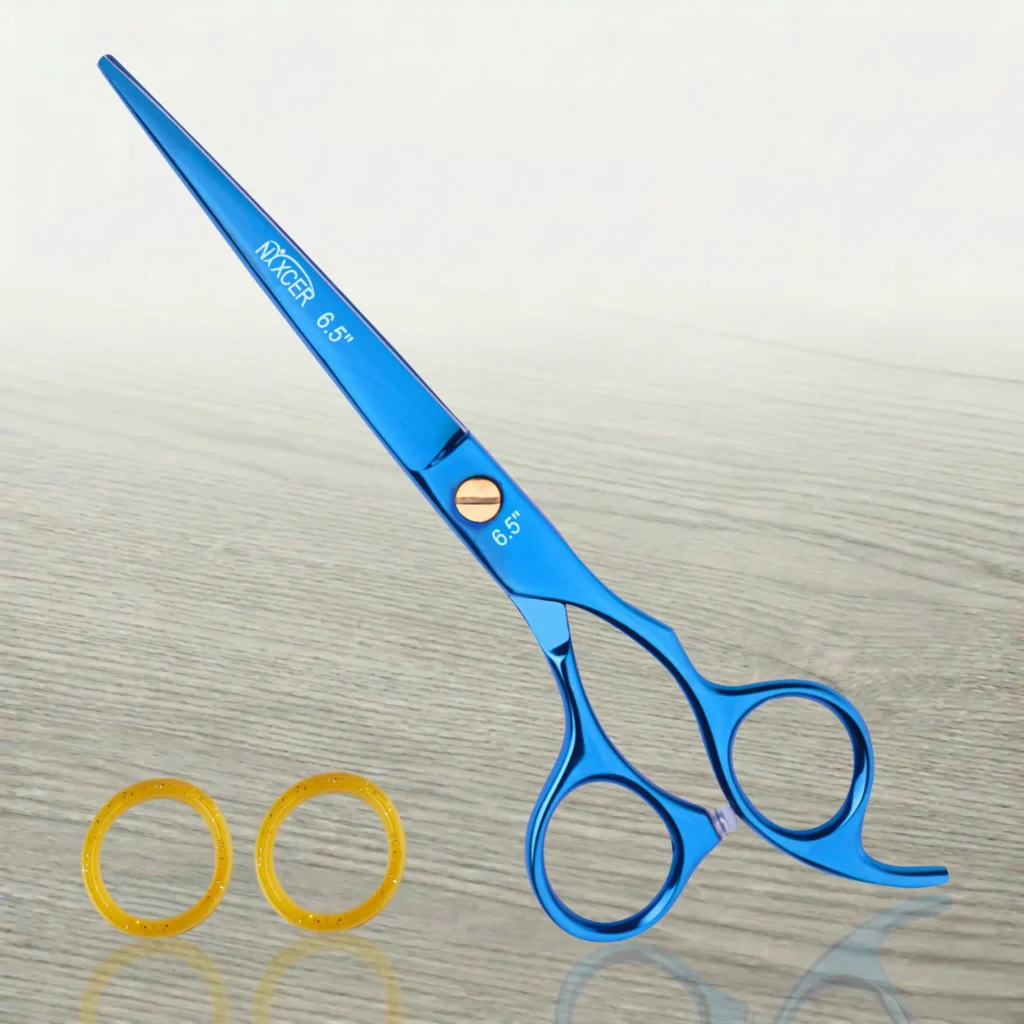
Finger inserts improve fit and control. If the finger hole feels too large, inserts can reduce slipping and help the hand stay relaxed.
Shear-safe disinfectant
Salon tools need hygiene. Use a disinfectant that is safe for metal scissors and follow the label directions. Avoid soaking the pivot or leaving liquid trapped around the screw.
Optional but useful extras
A small soft brush, alcohol wipes, a maintenance log card, and a blade-safe storage sleeve can make the kit more complete, especially for busy salon stations.
What Not to Put in Your Scissor Maintenance Kit
Some products look helpful but can damage professional hair cutting scissors. A maintenance kit should protect the edge, not create new problems.
Avoid WD-40 as regular lubricant
WD-40 is often misunderstood. It can displace moisture, but it is not the same as proper scissor oil for daily lubrication. It may leave residue or strip existing lubrication from precision pivots.
Avoid kitchen sharpeners
Hair scissors have specific edge geometry. A kitchen knife sharpener can ruin convex edges, bevels, and alignment. Sharpening should be done by a professional who understands hairdressing shears.
Avoid rough cloths or abrasive pads
Steel wool, rough towels, and abrasive sponges can scratch the blade. Scratches can hold moisture and product buildup, which increases corrosion risk.
Simple rule
If an item is not made for scissors, salon tools, or precision metal care, do not make it part of your scissor maintenance routine.
Daily Scissor Maintenance Routine
Daily care should take less than one minute. The goal is to remove residue before it dries, protect the pivot, and store the scissors safely.
Step 1: Wipe after each cut
Use a clean microfiber cloth to wipe the blades from the pivot toward the tip. This removes hair, oil, spray, color residue, and tiny fragments that can dull the blade.
Step 2: Sanitize safely
Apply shear-safe disinfectant according to directions. Do not soak the scissors unless the manufacturer specifically allows it. Moisture trapped near the screw can cause rust or sticky movement.
Step 3: Dry completely
Before oiling or storing, make sure the scissor is fully dry. Pay attention to the pivot, inside edges, and screw area.
Step 4: Store in a case
Close the blades gently and place the scissors in a protective case. Do not throw them loose into a station drawer.
Salon habit
Keep the cloth and oil visible at your station. If the kit is easy to reach, maintenance actually happens.
Weekly Maintenance: Oil, Tension, and Deeper Cleaning
Weekly care goes a little deeper than daily wiping. It keeps the pivot smooth and catches small tension problems early.
How to oil hair cutting scissors
Place one small drop of scissor oil at the pivot or screw area. Open and close the blades five to ten times so the oil spreads through the joint. Wipe away any excess oil so it does not transfer to hair.
How to check tension
Open the scissors halfway and let one handle drop gently. If the blades slam shut, tension may be too loose. If they barely move or feel stiff, tension may be too tight. Make only tiny adjustments with the correct tool.
How to deep clean
For deeper cleaning, remove visible buildup with a soft cloth and a safe cleaner. If your scissors can be disassembled, do it only if you know the model and can reassemble it correctly. When in doubt, ask a scissor technician.
Weekly checklist
Clean, dry, oil, test tension, inspect the edge, and confirm the case is clean. That small rhythm keeps professional scissors dependable.
How Often Should You Sharpen Hair Cutting Scissors?
Sharpening depends on usage, steel quality, cutting technique, and maintenance habits. A busy stylist may need professional sharpening every few months. A home user may go much longer. The better sign is performance, not the calendar.
Signs scissors need sharpening
Book sharpening if the scissors push hair, fold hair, snag at the tips, feel crunchy, or require extra pressure. If the cut is no longer clean, do not keep forcing it.
Why professional sharpening matters
Professional sharpeners understand convex edges, bevel edges, ride lines, and scissor balance. Poor sharpening can remove too much metal, change the blade angle, or damage the finish.
Do not wait too long
Cutting with dull scissors can stress the hair and the hand. Sharpening at the right time protects both the tool and the haircut.
Maintenance Kit for Salon Stylists vs Home Users
A salon kit and a home kit have the same core items, but the salon version needs stricter hygiene and more frequent checks.
Salon maintenance kit
A salon kit should include scissor oil, several microfiber cloths, shear-safe disinfectant, tension tool, finger inserts, case, station storage, and a sharpening log. Multiple stylists should not share one dirty cloth all day.
Home maintenance kit
A home kit can be simpler: one oil, one cloth, one case, and a reminder card. The most important rule is to use hair scissors only on hair, not paper, tags, tape, or fabric.
Best Nixceroutlet advice
If you buy professional scissors from Nixceroutlet, build the maintenance kit on day one. New scissors are easiest to protect before any damage starts.
Common Scissor Care Mistakes to Avoid
Most scissor problems come from small repeated mistakes. Fixing those habits is often more useful than buying a new tool too early.
Mistake 1: Oiling dirty scissors
Oil should go on clean, dry scissors. If you oil over hair fragments and product residue, you trap debris near the pivot.
Mistake 2: Cutting non-hair materials
Professional hair scissors are made for hair. Paper, plastic, thread, and packaging can dull the edge quickly.
Mistake 3: Dropping scissors into drawers
Loose storage leads to nicks, tip damage, and misalignment. A case is not decoration; it protects the cutting edge.
Mistake 4: Over-adjusting tension
Too much tension creates friction. Too little tension makes hair fold between the blades. Adjust gently and test before cutting.
Quick fix
If your shears feel wrong, stop and inspect them. Forcing damaged or misaligned scissors usually makes the problem worse.
How to Build a Budget-Friendly Maintenance Kit
You do not need an expensive kit to start. You need the right basics and a routine you will actually follow.
Starter kit
Start with scissor oil, a microfiber cloth, a protective case, and a small tension tool if your scissors support adjustment. These four items cover most daily needs.
Professional upgrade
Add disinfectant, extra cloths, finger inserts, a soft brush, a station organizer, and a sharpening reminder card. This setup is better for salons, barbers, and students who cut often.
Premium kit
A premium kit can include separate storage for multiple shears, humidity-safe storage, a maintenance log, and model-specific tools. This is useful if you own cutting shears, thinning shears, and texturizing shears.
Value tip
The cheapest maintenance kit is the one that prevents a costly repair. Small care habits save the edge.
Frequently Asked Questions
What oil should I use for hair cutting scissors?
Use lightweight scissor oil made for shears or precision cutting tools. Avoid cooking oil, heavy machine oil, and general household lubricants.
How often should I oil my hair scissors?
For salon use, oil daily or after several uses. For home use, oil after cleaning and before long storage.
Can I sharpen hair scissors at home?
It is not recommended. Hair scissors have specialized edges, and the wrong sharpener can damage the blade angle.
Do I need to disinfect scissors after every client?
Yes, salon tools should be disinfected according to local hygiene rules and product directions. Always dry them fully afterward.
What is the most important item in a scissor maintenance kit?
Scissor oil and a microfiber cloth are the top basics. Together, they handle lubrication and daily residue removal.
Final Thoughts
A hair cutting scissor maintenance kit is small, but it protects one of the most important tools in a haircut. Clean blades cut better, oiled pivots move smoother, and protected scissors stay useful longer.
For Nixceroutlet customers, the best kit is the one you will actually use: cloth, oil, case, tension tool, disinfectant, and a simple routine. Keep it close, use it often, and your scissors will reward you with smoother cutting performance.