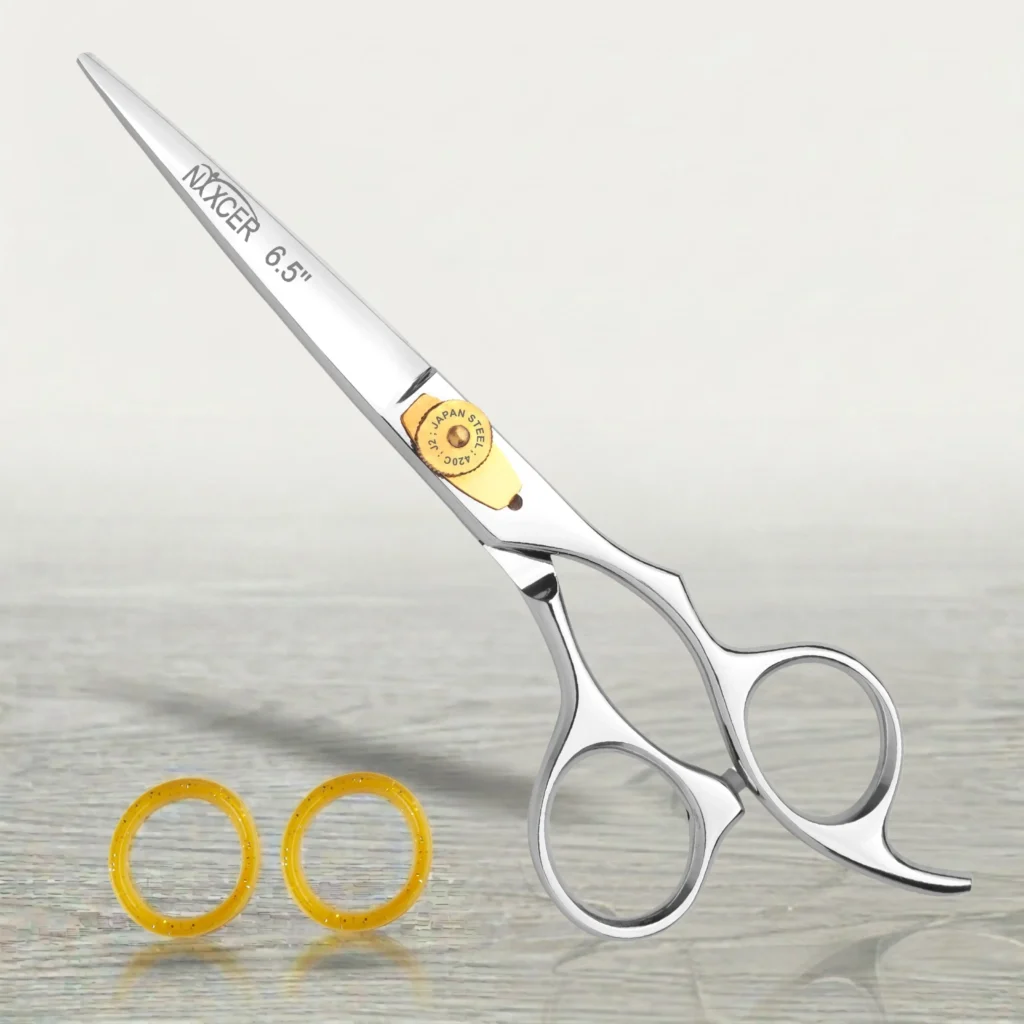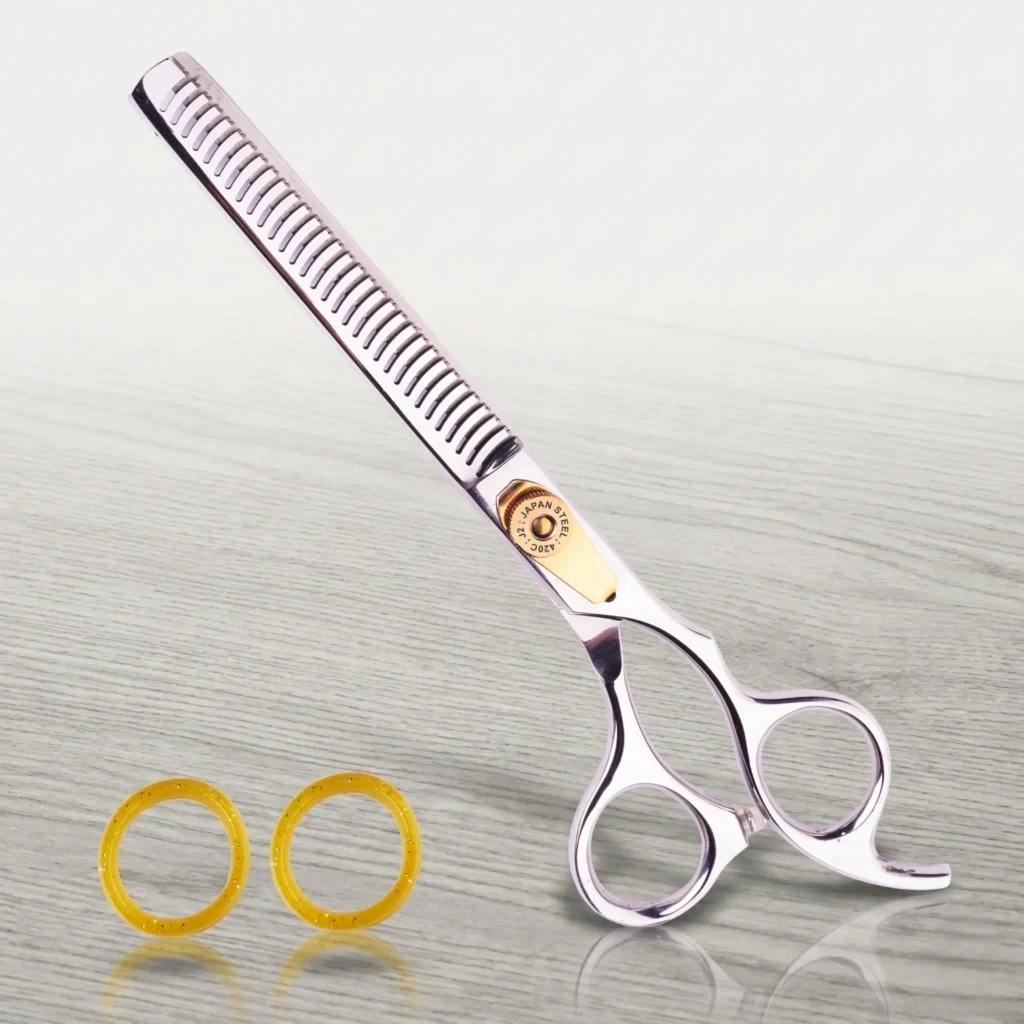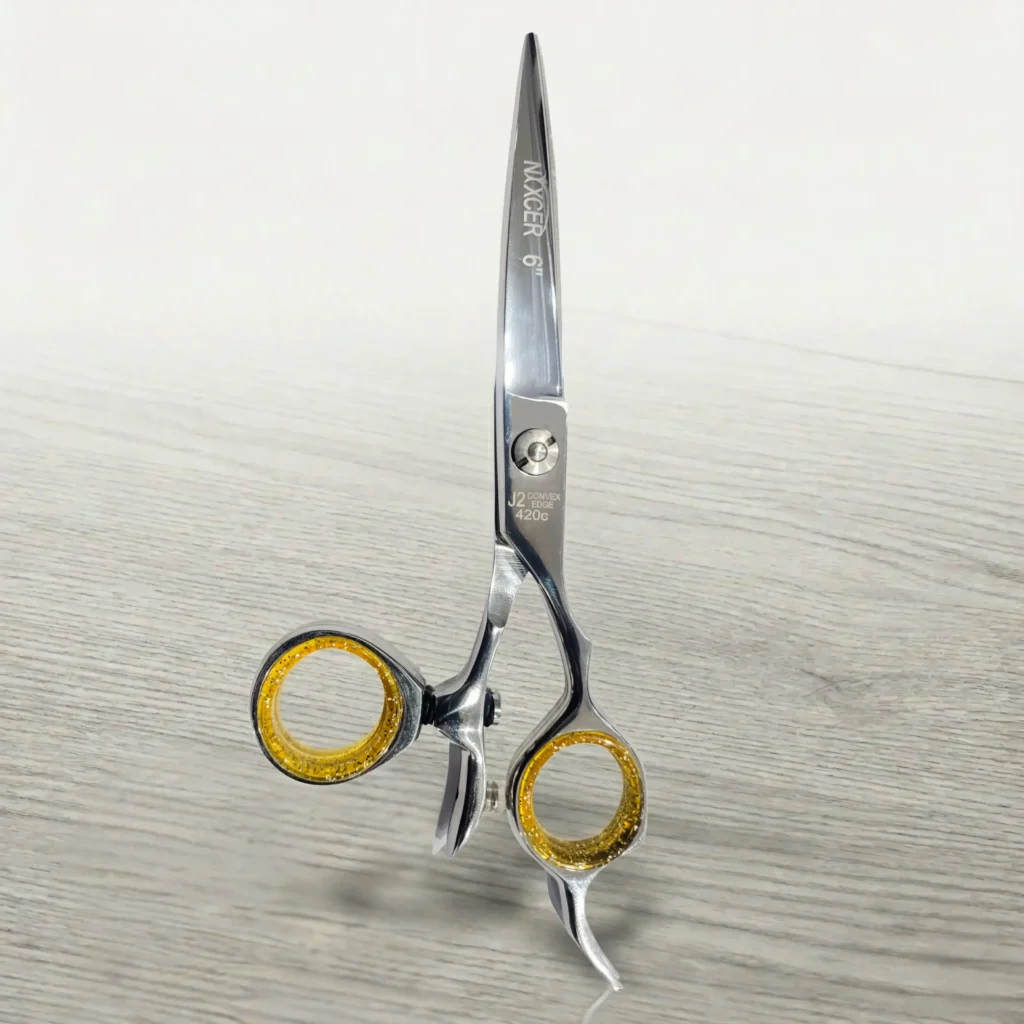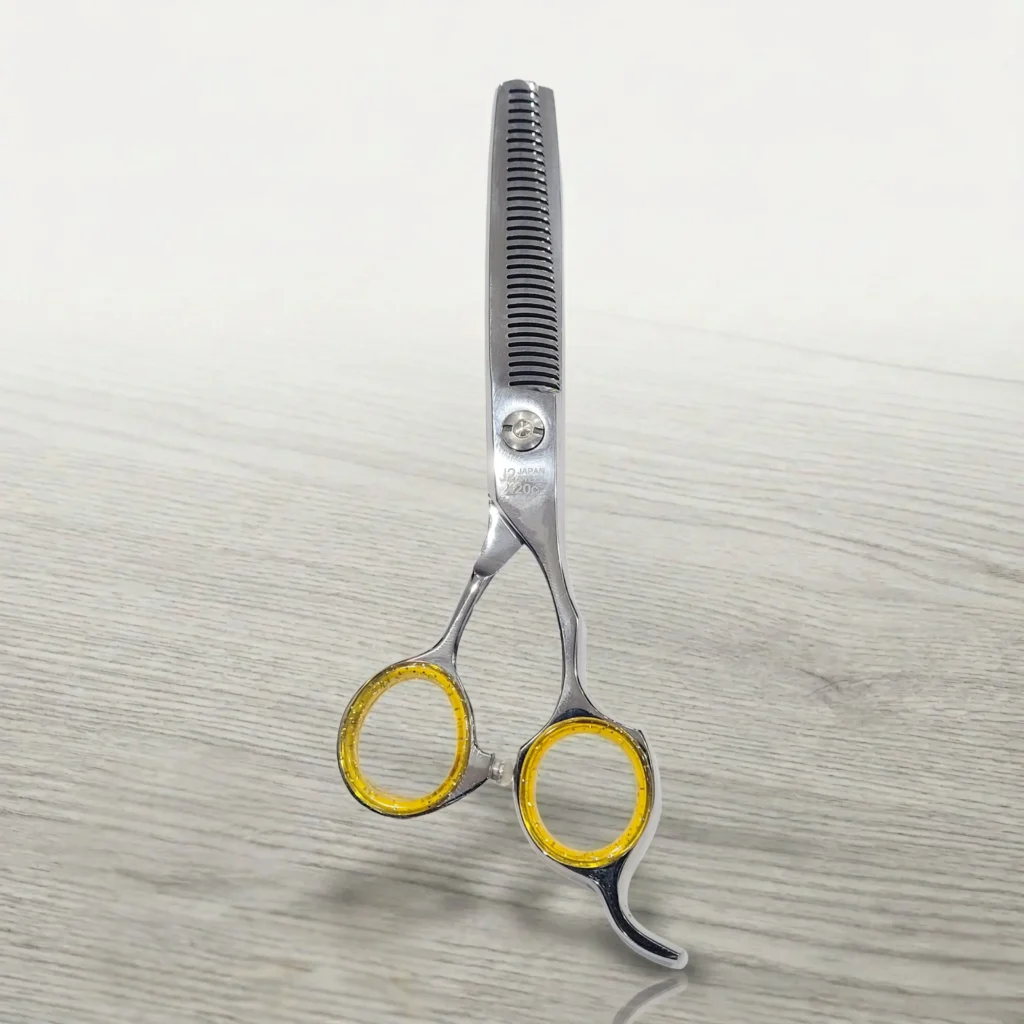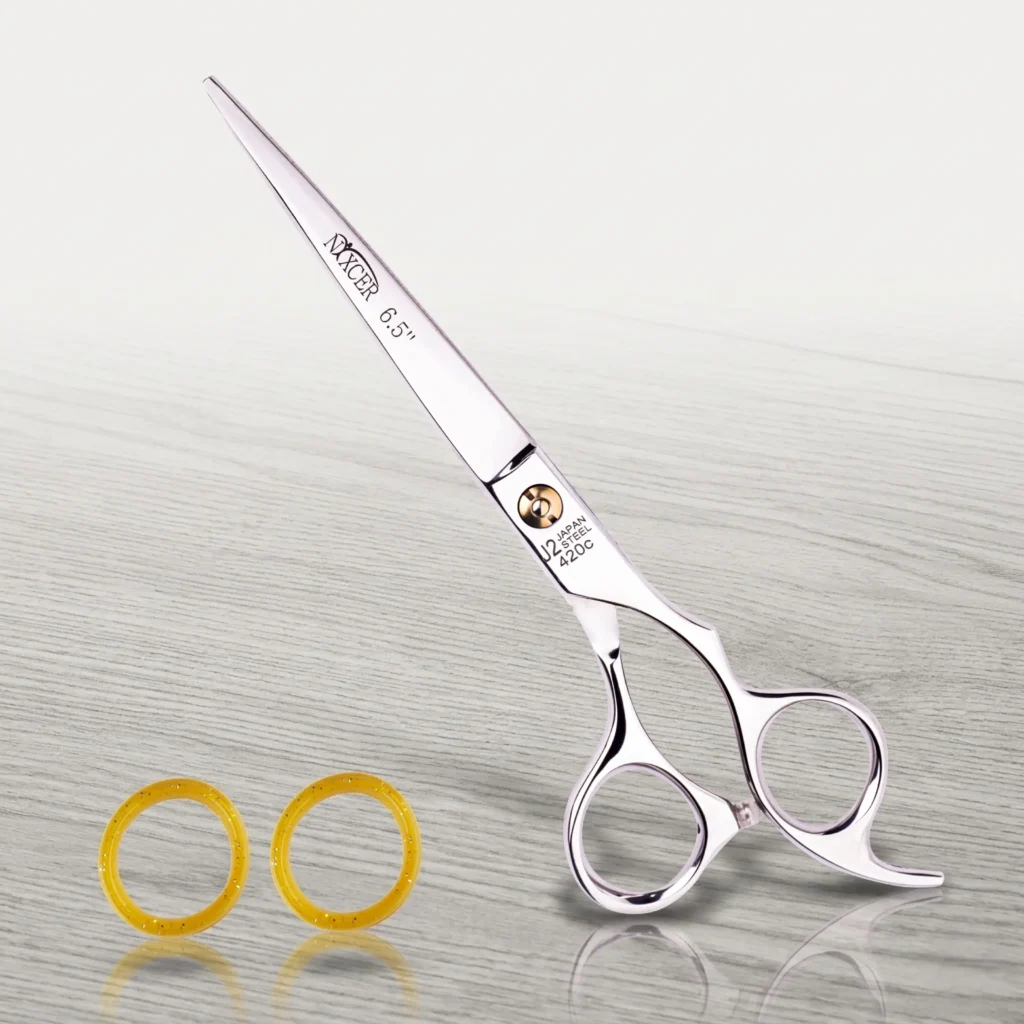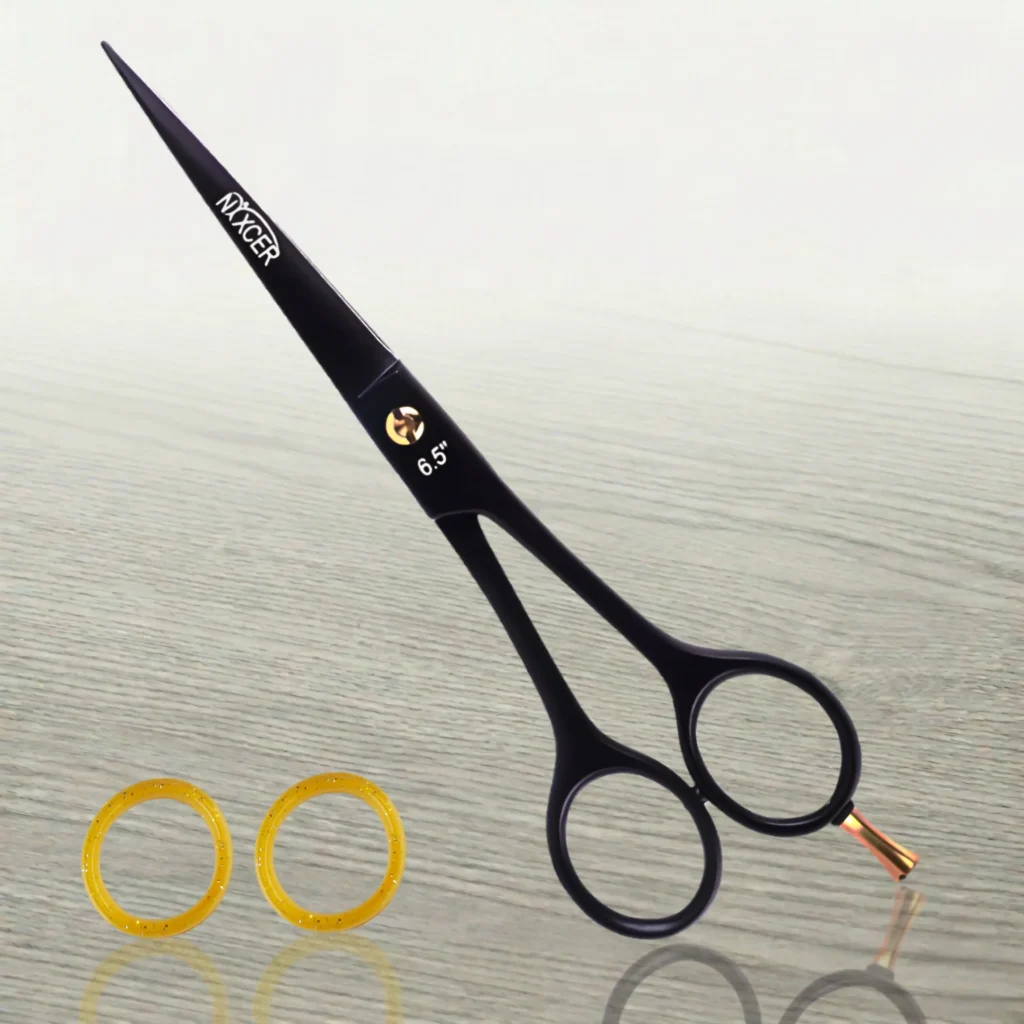
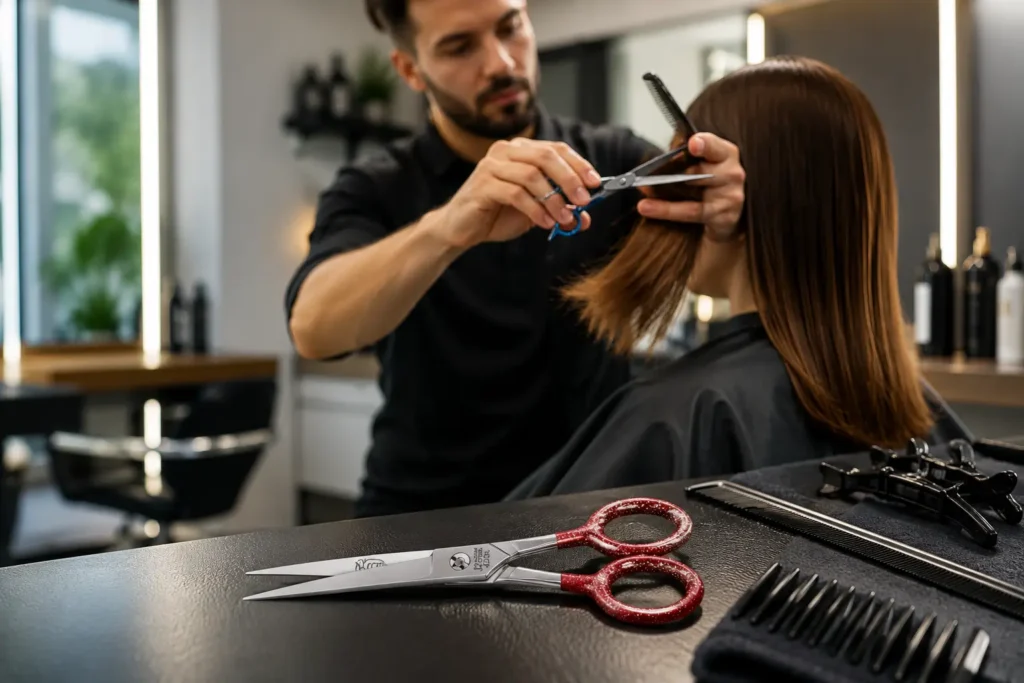
Ergonomic hair cutting scissors are built to make cutting easier, reduce strain, and support better precision during long hours behind the chair. A stylist repeats the same scissor motion hundreds of times a day, so the right shear, scissor, hair shears, and hair cutting shears can make a real difference in comfort and performance. At Nixceroutlet, the focus is on practical tools that help professional hairstylists cut hair with better control while reducing fatigue.
The best ergonomic shears combine ergonomic design, blade sharpness, handle design, thumb comfort, wrist support, and balance. They help keep the hand in a neutral position, reduce hand strain, and improve your performance without forcing the stylist into awkward posture.
Why Ergonomics Matters in Hairdressing
Hairdressing is creative work, but it is also repetitive physical work. Scissors are used for cutting techniques, point cutting, cutting and thinning, detailing, and finishing every style.
Repetitive motion adds up
Repetitive motion can stress the wrist, thumb, ring finger, tendon, shoulder, and neck. Over time, repetitive strain can affect comfort and precision.
Posture affects cutting precision
Good posture helps the stylist keep control while cutting. Poor posture can cause strain on your hands, hands and wrists, shoulders, and back.
Core point
Ergonomics is not only about comfort. It also supports cutting precision and cutting efficiency.
Common Strain Problems for Hairstylists
Hairstylists and barbers often deal with repetitive strain injuries, rsi, wrist strain, hand fatigue, and strain and fatigue from long cutting sessions.
Carpal tunnel syndrome
Carpal tunnel syndrome can be linked with repeated hand motion and pressure on the median nerve. Ergonomic tools may help reduce awkward wrist positions and excessive force.
Tendon irritation
A tendon can become irritated when the wrist bends repeatedly during scissor work. Neutral wrist position is important because it lets the hand move with less stress.
Thumb and finger pressure
A tight thumb ring or poor finger fit can create pressure points. The ring finger should support the tool without forcing the hand to clamp down.
Safety note
Ergonomic scissors can help prevent strain, but pain, numbness, or weakness should be checked by a qualified health professional.
What Makes Scissors Ergonomic?
Ergonomic scissors are designed for comfort, control, and natural hand movement. The goal is to minimize strain while keeping the blade stable.
Offset handle
An offset handle reduces thumb reach and can place the wrist in a more relaxed position while cutting.
Swivel shears
Swivel shears use a rotating swivel thumb so the thumb can move naturally. This helps maintain a neutral wrist position at different angles.
Balanced weight
High-quality ergonomic hair shears should feel balanced from handle to tip. Balance gives better control and reduces strain on the wrist.
Design rule
Shears with ergonomic handle design should feel stable, not heavy, loose, or awkward.
Offset Handles vs Swivel Handles
Both shears with offset handles and swivel shears can reduce strain, but they do it differently.
Offset handle shears
Offset handle shears shorten the thumb reach and support a relaxed hand position. They are common in professional shears and hairdressing scissors.
Swivel handle shears
Swivel shears let the thumb rotate, which may reduce strain on the wrist during advanced cutting techniques.
Which one is better?
The right choice depends on the stylist, cutting style, wrist mobility, and daily workload. Shears with ergonomic layouts are useful only if they fit the hand.
Practical rule
Choose comfortable and ergonomic shears by hand fit first, then blade and length.
How Ergonomic Shears Improve Precision
Precision depends on control. If the hand is tired, tense, or twisted, the scissor may not follow the planned line.
Better control while cutting
Ergonomic shears improve control while cutting because the hand can stay relaxed. This is useful for point cutting, detail work, and fine finishing.
Control while reducing strain
Good ergonomic hair scissors support control while reducing pressure on the fingers, thumb, and wrist.
Cutting easier with less force
Sharp blades and proper tension make cutting easier. A dull blade forces the stylist to squeeze harder.
Precision rule
Less strain usually means steadier hands, and steadier hands improve cutting precision.
Blade Quality Still Matters
Ergonomic design matters, but the blade still does the cutting. A comfortable scissor with a dull blade can still cause fatigue during extended use.
Sharp blade
A sharp blade reduces force and helps the shear cut cleanly through thin hair, thick hair, and textured hair.
Professional sharpening
Professional sharpening keeps the blade edge clean and helps reduce hand pressure during repetitive cutting.
Crafted from high-quality japanese steel
Some professional hair cutting shears are crafted from high-quality japanese steel or similar durable alloys. Always verify the exact product listing before buying.
Blade rule
Ergonomic cutting works best when the shears are sharp, clean, and adjusted.
How to Hold Ergonomic Hair Shears Properly
Hair cutting shears properly fitted to the hand make a major difference. Even ergonomic shears can cause strain if held incorrectly.
Thumb placement
The thumb should sit lightly in the thumb ring. Avoid pushing the thumb too deep because it limits motion.
Ring finger support
The ring finger stabilizes the scissor. The hand should not squeeze tightly to keep the shear under control.
Neutral position while cutting
Keep a neutral position while cutting. A neutral wrist position reduces strain on the wrist and helps the blade follow the section cleanly.
Grip reminder
The goal is less strain, not a tighter grip.
Choosing Ergonomic Shears by Cutting Style
Different cutting techniques need different ergonomic features. The right tool should support your daily style of work.
Precision cutting
For precision work, choose ergonomic scissors with a stable blade, smooth tension, and strong tip control.
Texturizing and thinning
For cutting and thinning, use thinning shears or thinning scissors that open smoothly and do not require extra force.
Long scissor-over-comb work
For barber work or long scissor-over-comb sections, a longer shear with balanced weight may reduce strain.
Technique rule
Choose ergonomic tools based on the way you cut, not only the way the shear looks.
Ergonomic Features to Look For
Good ergonomic features improve comfort and efficiency without sacrificing cutting performance. In practical scissor tech, the best designs support the hand first and the cutting line second, because both are connected.
Offset or crane handle
An offset or crane handle can reduce thumb reach and help keep the elbow and wrist in a better position.
Rotating swivel thumb
A rotating swivel thumb can make cutting easier at complicated angles because the thumb can follow the motion.
Finger inserts and ring fit
Correct ring fit reduces pressure on the fingers and helps maintain comfort and performance.
Feature checklist
Look for ergonomic hair, ergonomic hairdressing, smooth tension, balanced weight, and a handle that minimizes strain.
Work Habits That Reduce Strain
The scissor matters, but work habits matter too. Ergonomics includes tool choice, body position, and repetition control.
Keep shoulders relaxed
Relaxed shoulders reduce strain and support better posture during long cutting days.
Keep elbows closer
Keeping elbows closer to the body can reduce strain on the wrist and shoulders.
Take short breaks
Short breaks help reduce repetitive motion injuries and allow the hands to recover.
Work rule
Ergonomic shears work best when paired with neutral posture and controlled repetition.
Nixceroutlet Ergonomic Hair Cutting Options
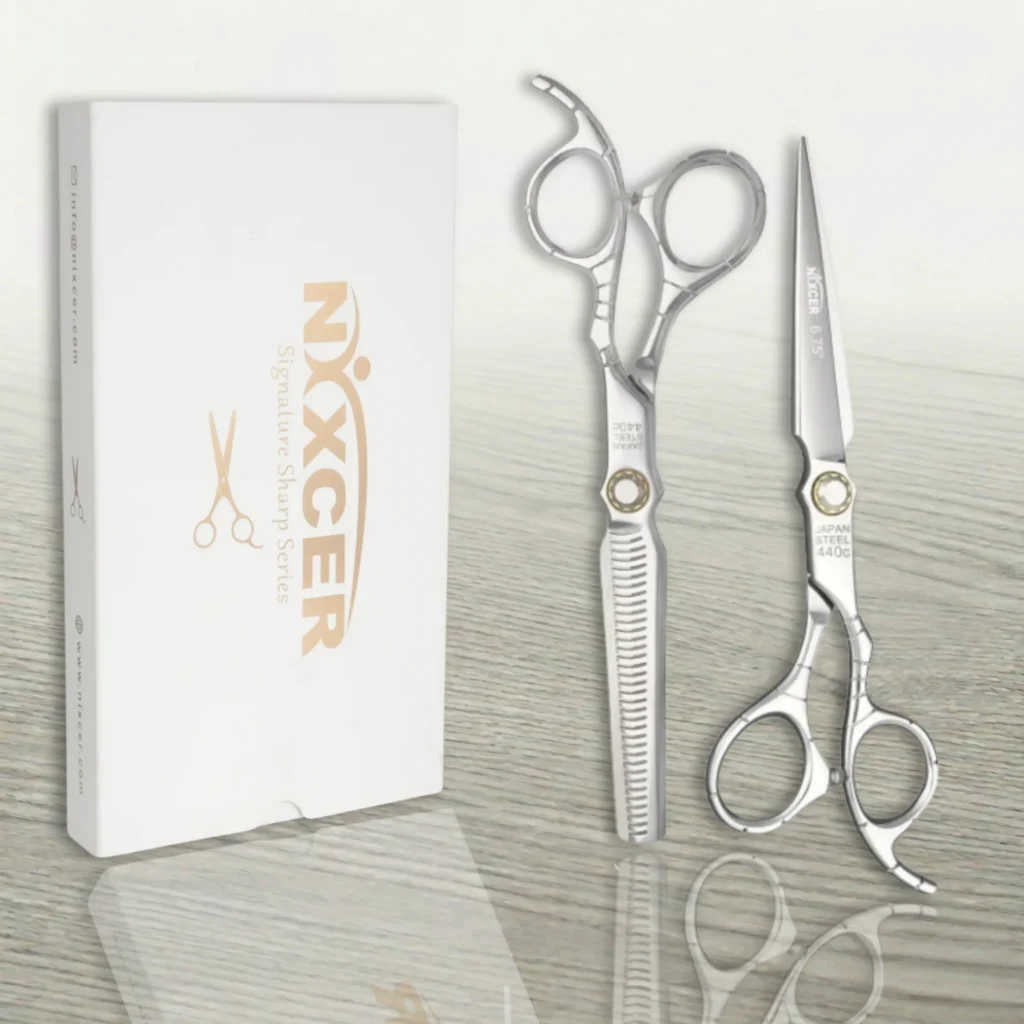
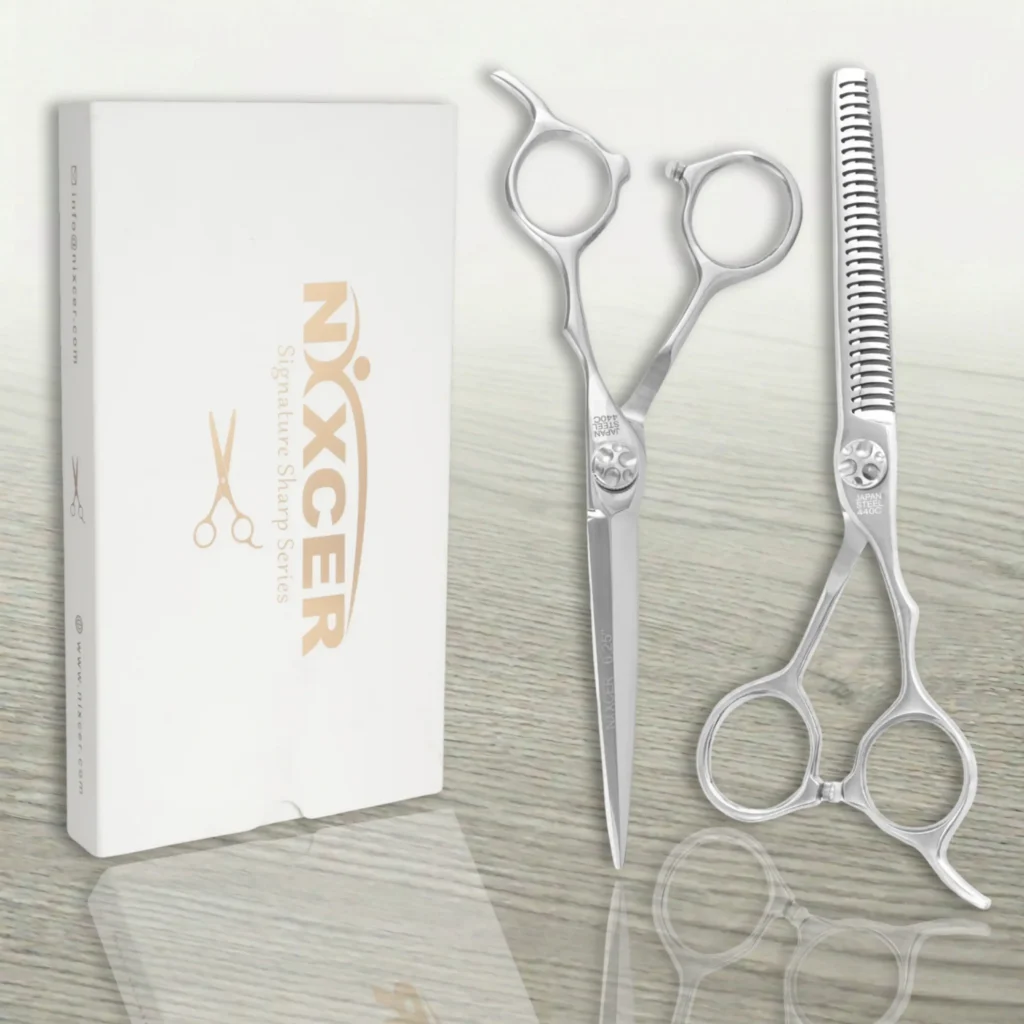
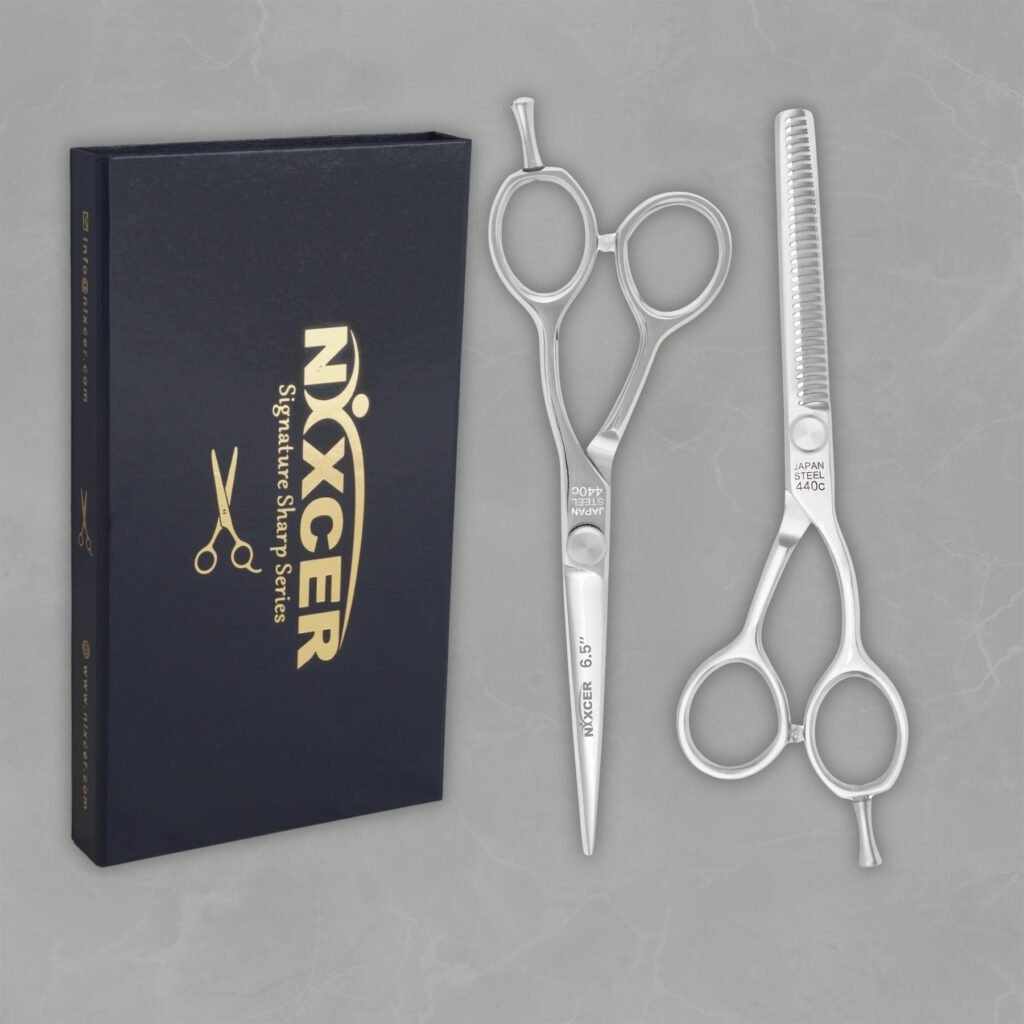
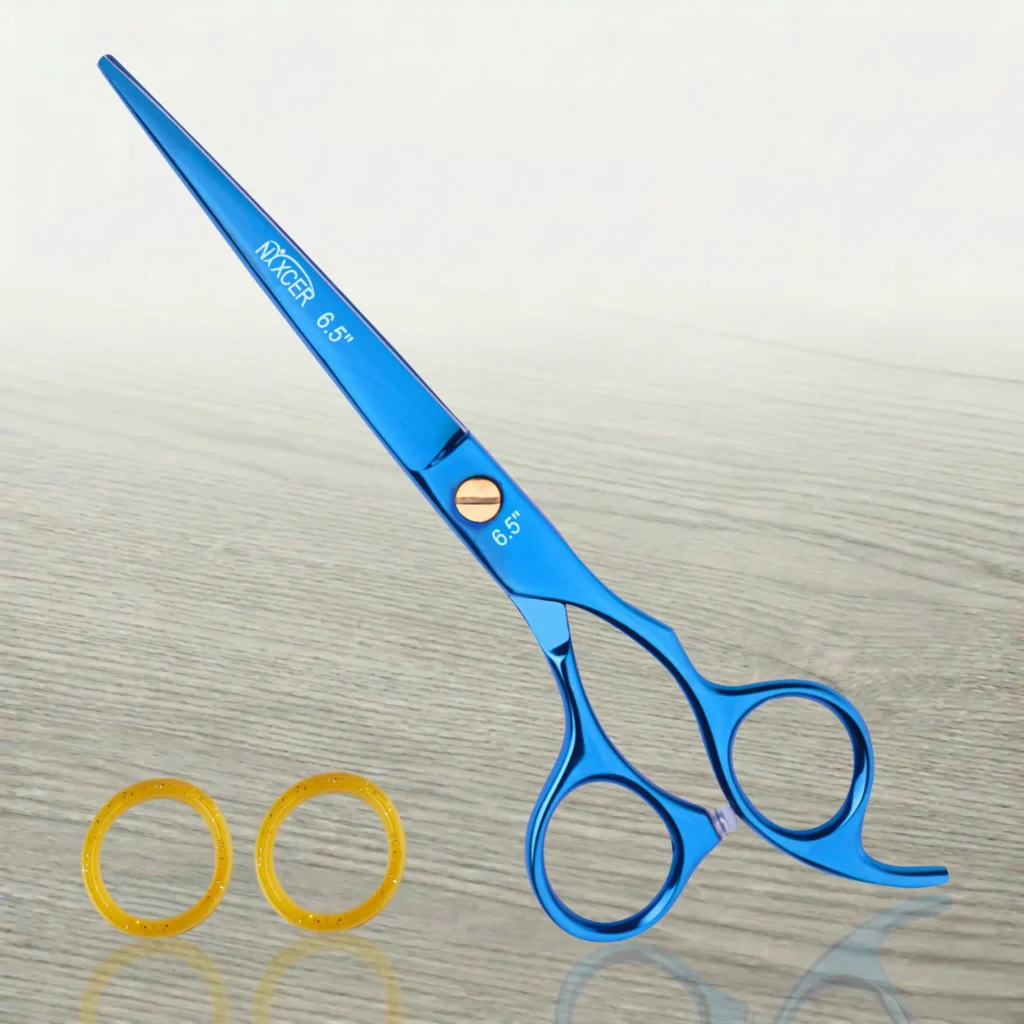
Nixceroutlet offers hair cutting scissors, hair shears, thinning shears, and professional hair cutting shears for stylists and barbers. You can compare available tools on the Nixcer Outlet shop.
For clean cutting work
The Professional Sharp Series Razor Edge Hair Cutting Scissors can support everyday cutting, point cutting, and precision work.
For thinning and texture
The Nixcer Professional Series Hair Thinning Scissors can support controlled thinning when the haircut needs softer weight removal.
Buying note
Check size, blade, handle design, thumb ring comfort, and whether the shear is designed for comfort before buying.
Care and Maintenance for Ergonomic Shears
Maintenance is part of ergonomics. Poorly maintained scissors increase friction and force.
Clean after every service
Remove hair, product, and moisture after each client. Clean tools move more smoothly.
Oil the pivot
A small amount of scissor oil keeps the pivot smooth and supports cutting efficiency.
Check tension
Loose or tight tension can increase pressure on the hand and reduce precision.
Maintenance rule
Well-maintained shears reduce hand fatigue because they require less force.
Common Mistakes to Avoid
Ergonomic scissors help, but poor selection or poor technique can still create strain.
Buying only by appearance
A stylish shear is not always ergonomic. Fit, balance, and motion matter more than finish.
Ignoring pain
Do not ignore wrist strain, numbness, or pain. Small problems can become bigger during a hairdressing career.
Using dull tools
Dull blades increase force, reduce control, and make repetitive cutting harder.
Professional rule
A professional hairstylist should choose tools that protect comfort and support long-term work.
Final Thoughts
Ergonomic hair cutting scissors reduce strain by helping the wrist, thumb, and fingers work in a more natural position. They also support cutting precision because a relaxed hand can guide the blade more accurately.
For professional hairstylists, the right ergonomic shears are not a luxury. They are part of a sustainable hairdressing career. Choose high-quality shears, keep them sharp, use good posture, and select ergonomic tools that match your hand and cutting style.
FAQs
Do ergonomic hair cutting scissors really reduce strain?
They can reduce strain when they fit the hand, support neutral wrist position, and are used with good posture and cutting technique.
Are swivel shears better than offset shears?
Swivel shears can help some stylists because the thumb rotates naturally. Offset shears are simpler and still ergonomic for many users.
What causes wrist strain for hairstylists?
Common causes include repetitive motion, awkward wrist angles, tight gripping, dull blades, and long hours without enough recovery.
Can ergonomic shears help prevent carpal tunnel syndrome?
They may help reduce risk factors like awkward posture and excessive force, but they cannot guarantee prevention or treat symptoms.
What should I look for in ergonomic hair shears?
Look for offset handles, comfortable thumb fit, balanced weight, sharp blades, smooth tension, and a design that keeps your wrist relaxed.