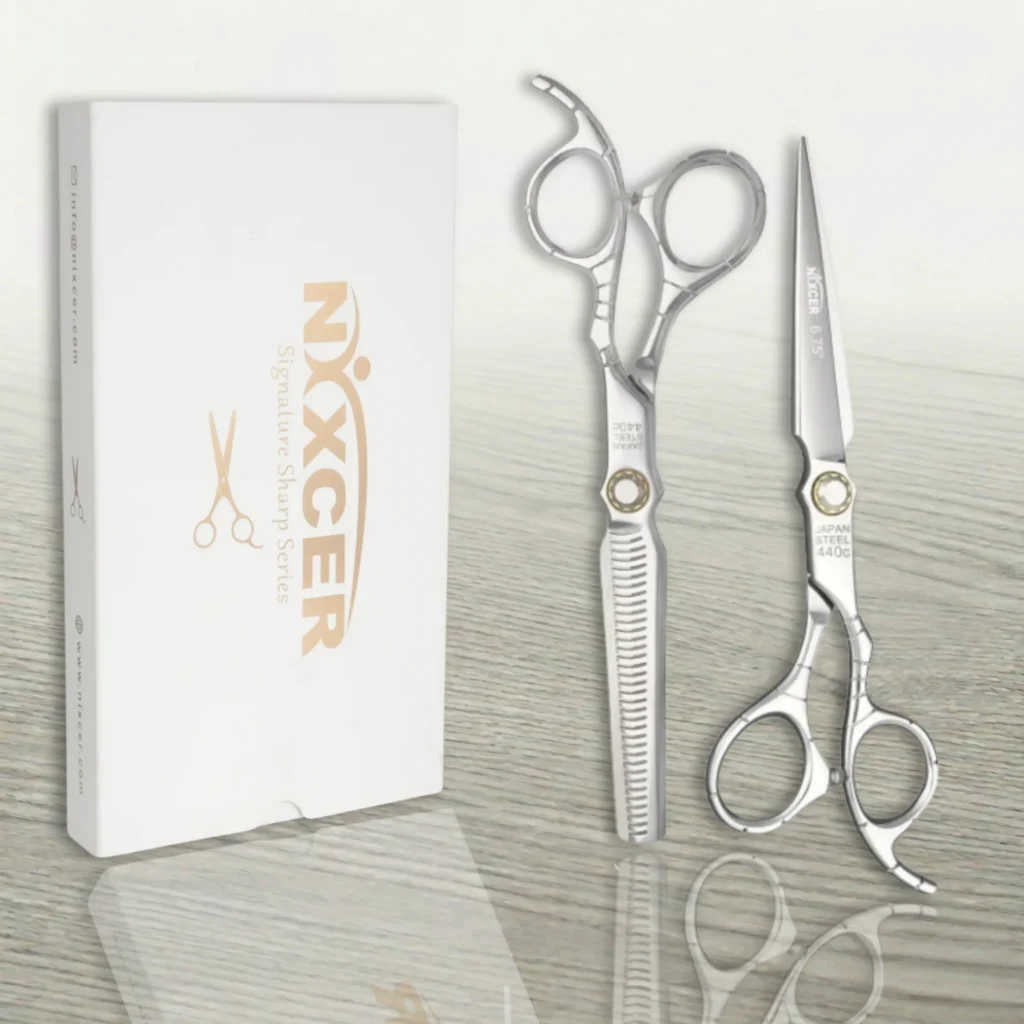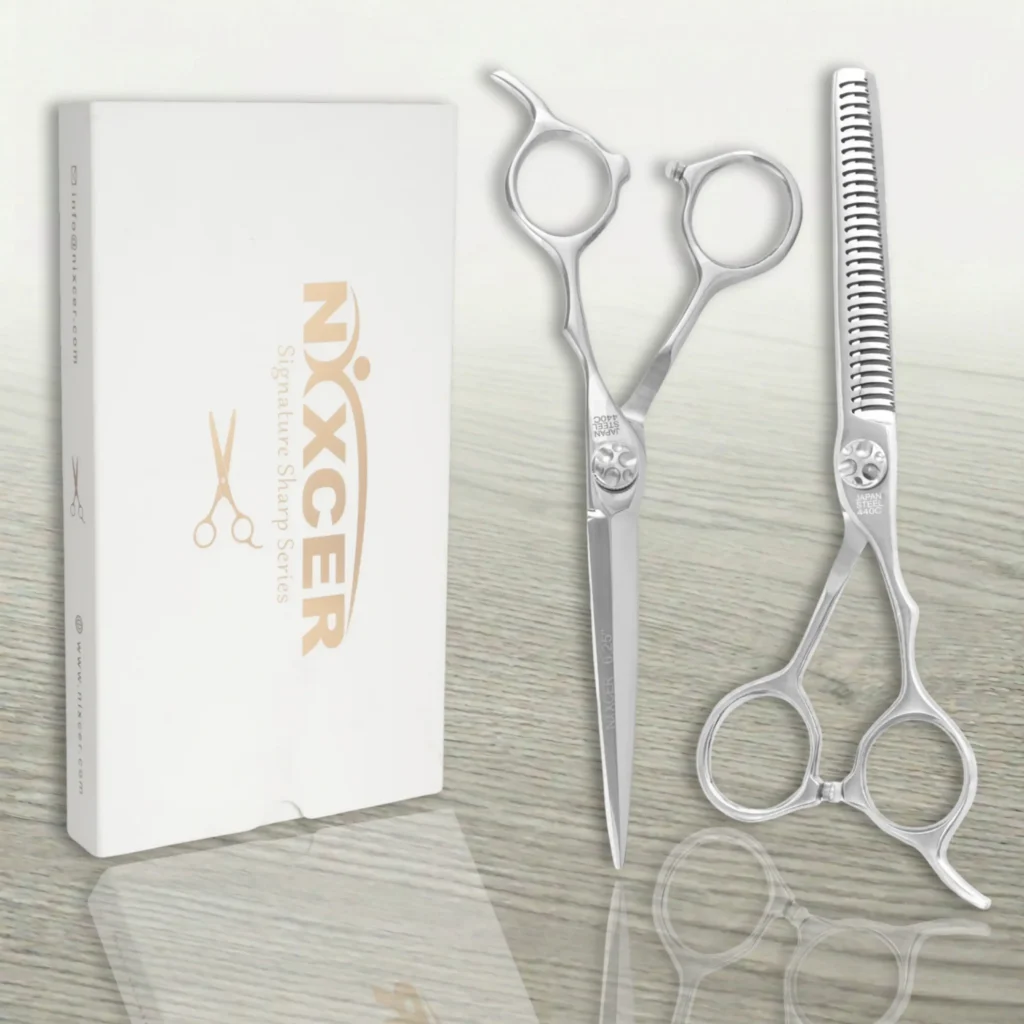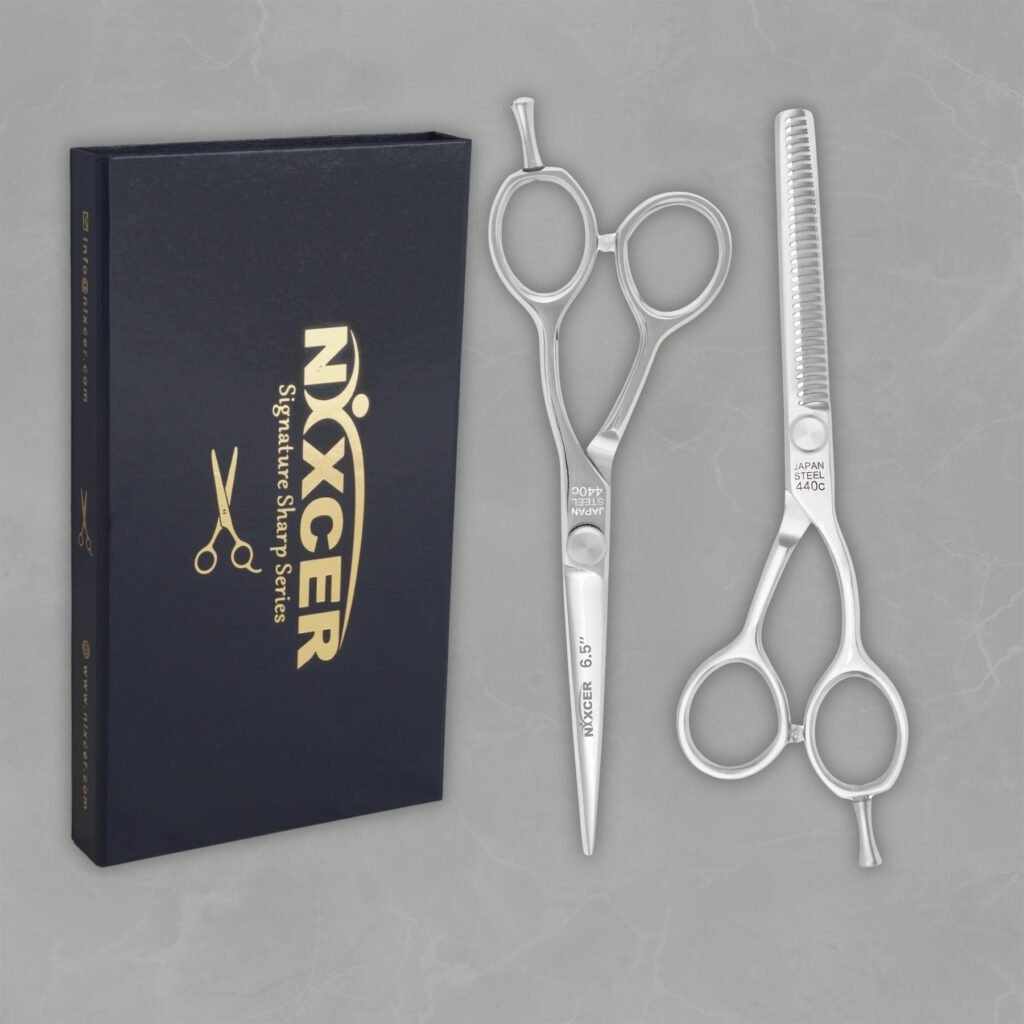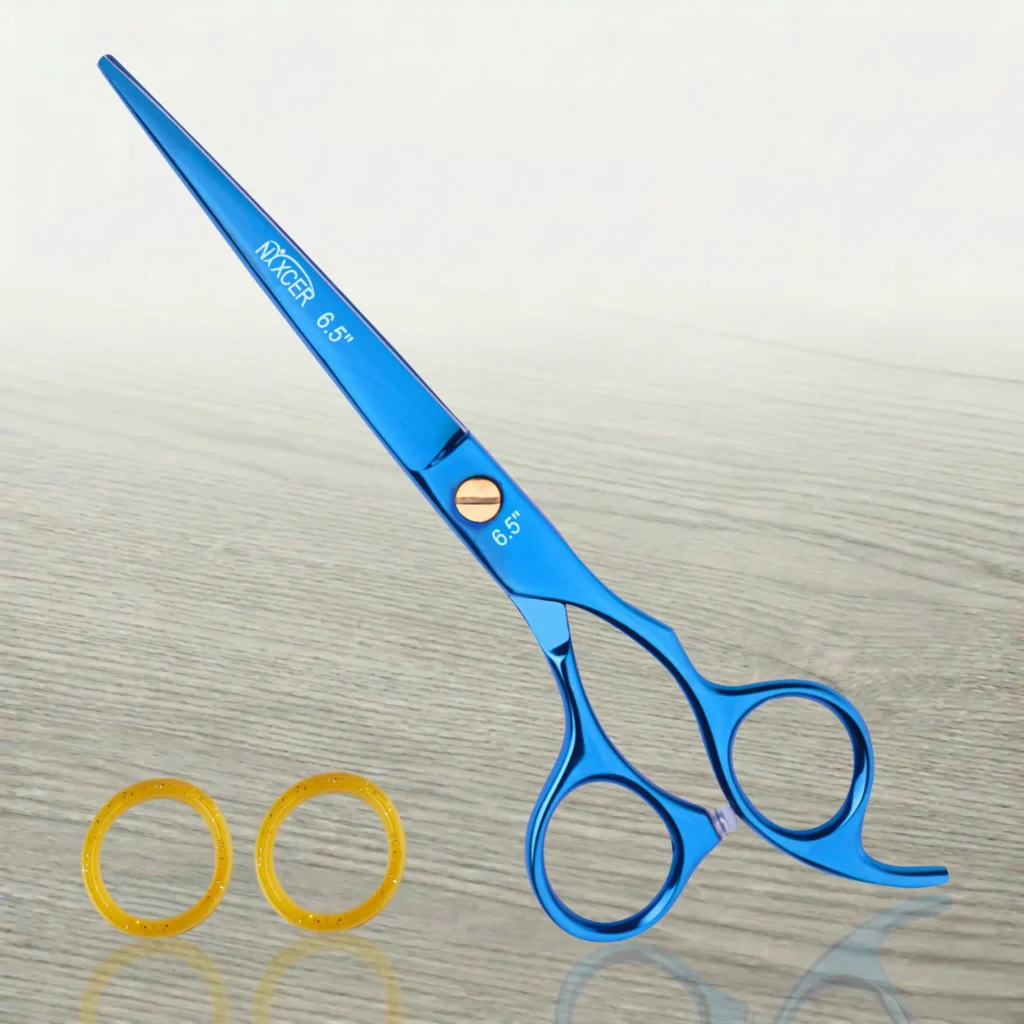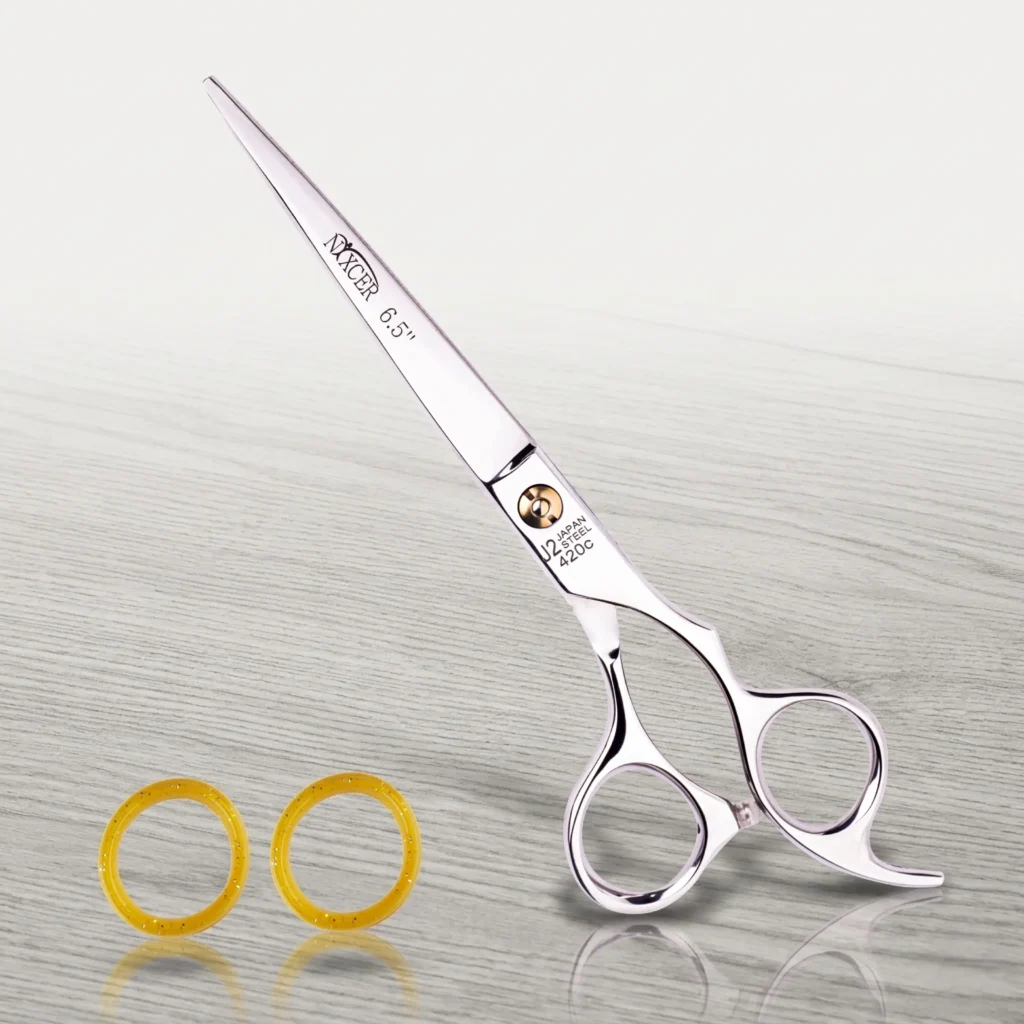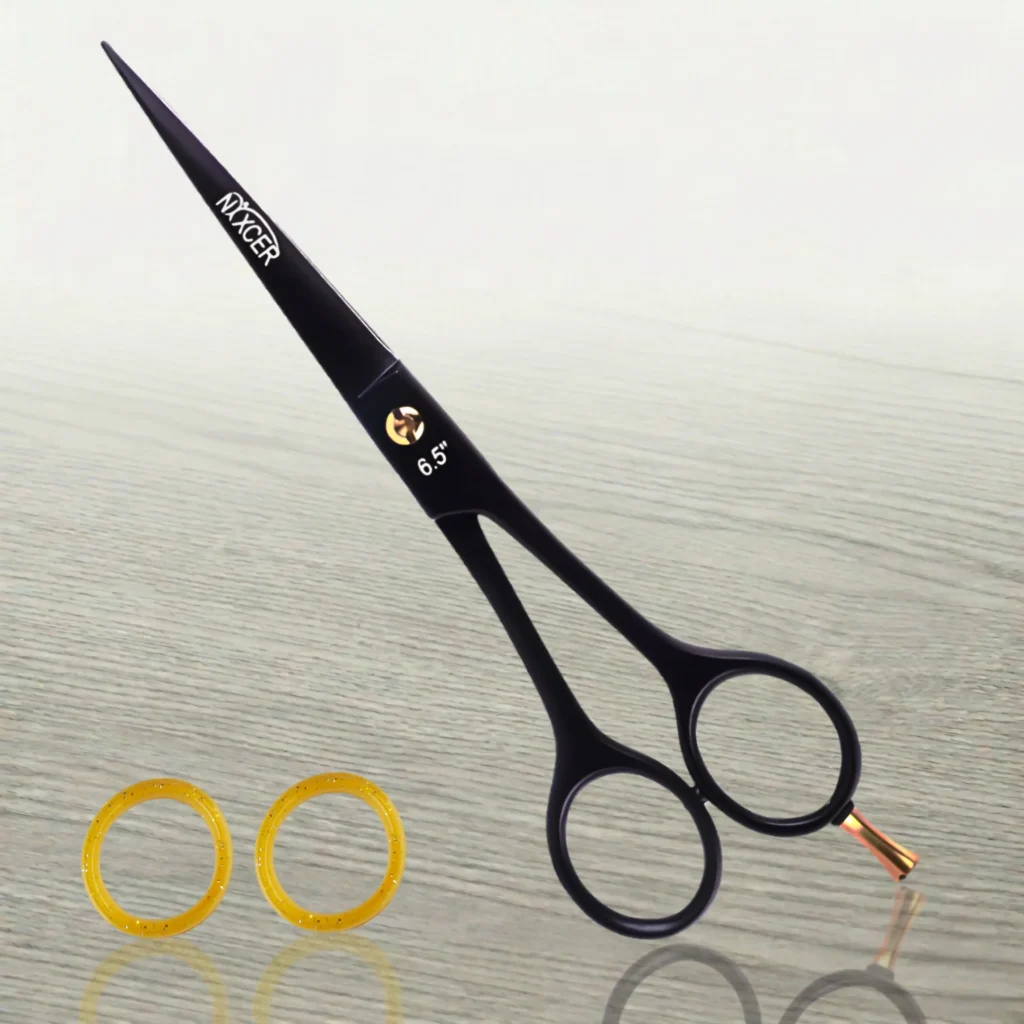
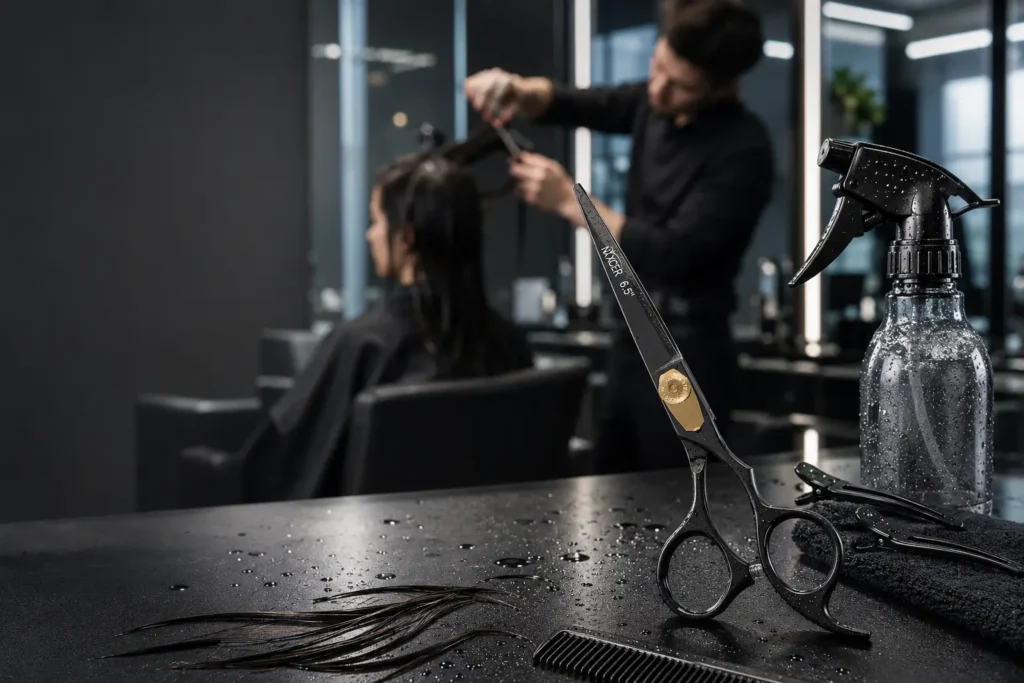
Wet cutting is one of the most common salon methods because wet hair is easier to section, control, and shape into clean lines. The right scissor, shear, hair cutting shear, or cutting shear should move through damp strands smoothly without pushing the hair away from the blade. At Nixceroutlet, the goal is to help barbers, stylists, and professional hair users choose the best hair cutting scissors for wet cutting with better control, less drag, and cleaner results.
To choose the best professional hair cutting shears, focus on blade design, handle comfort, steel quality, length, and the cutting technique you use most often. A good pair of scissors should cut hair cleanly, support wet cutting shears work, and still be useful for dry cutting refinement when the haircut needs final detail.
Many buyers search for best hair cutting shears, best hairdressing scissors, best shears, and japan scissors before comparing actual comfort and performance. Those terms are useful, but the final choice still depends on the client’s hair, the stylist’s hand, and the type of wet cutting work being done.
What Is Wet Cutting?
Wet cutting means cutting wet hair after the hair has been shampooed, sprayed, or dampened. It is popular because wet hair groups together, stretches slightly, and makes strong sectioning easier.
Why stylists use wet cutting
Wet cutting helps create clean structure, blunt lines, bobs, trims, and balanced shape. It is especially useful when the stylist wants precision and consistent tension through each section.
When wet cutting works best
Wet cutting works well for straight cuts, strong perimeters, basic layering, and cutting thick hair when the goal is clean control.
Quick answer
The best wet cutting scissors are sharp, smooth, comfortable, and designed to cut through damp hair without bending or dragging the strand.
Wet Cutting vs Dry Cutting
Wet cutting and dry cutting both matter. Wet cutting gives clean control, while dry hair cutting shows natural movement, shrinkage, and final texture.
Wet cutting
Wet cutting is best when the haircut needs clean lines and strong shape. Wet and dry hair behave differently, so a stylist should understand both methods.
Dry cutting
Dry cutting helps refine curls, face-framing, layers, and final balance. A dry cutting shear may have a different blade feel than wet cutting shears.
Wet or dry
Many professionals use wet or dry methods together. They build the shape wet, then refine the finished haircut dry.
Practical rule
If the client’s hair changes shape after drying, check the cut dry before finishing.
Why Regular Scissors Are Not Enough
Regular scissors and ordinary scissors are not made for haircutting. They can bend the hair, create hair damage, and leave a rough cutting edge.
Professional hair cutting requires sharpness
Professional hair cutting scissors use a sharper cutting blade than general household scissors. This helps prevent crushing the hair shaft.
Low-quality scissors create drag
Low-quality scissors can push damp hair out of the line instead of cutting through it cleanly.
Hair-cutting scissors are designed for control
Hair-cutting scissors and haircutting shears are designed for smooth motion, sharper cutting, and consistent control.
Tool rule
Using the right tool is essential because scissors designed for hair reduce pulling and help create a cleaner hair cut.
Best Blade Type for Wet Cutting
The type of blade affects how the scissor moves through wet hair. Choose the blade based on your cutting style and the types of hair you cut most often.
Different types of scissors are used for different tasks, so do not assume one blade shape fits every salon job.
Convex blade
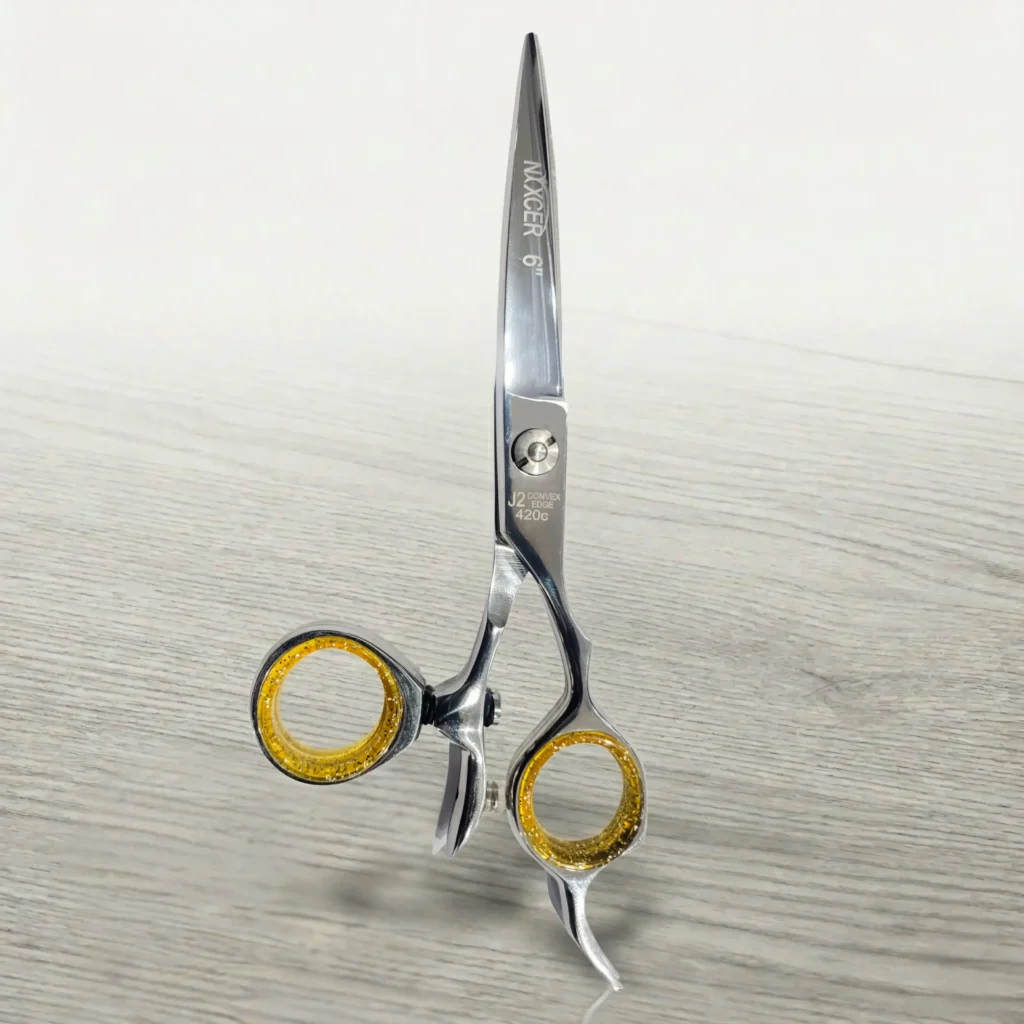
A convex blade is popular for smooth wet cutting, slide cutting, and precision cutting. It can glide through hair with less resistance.
Beveled blade
A beveled cutting edge can be durable and practical for standard salon work. It may not glide as smoothly as a convex blade for advanced slide cutting.
Cutting blade maintenance
Even the best blade will fail if you do not sharpen your scissors. If the scissor folds hair, you need to sharpen or service it.
Blade choice
Choose scissors based on the type of blade, wet cutting needs, and whether you also do dry cutting thick hair refinement.
Choosing the Right Shear Length
Size matters. The right pair of scissors should match your hand, the size hair you work with, and the cutting tasks you perform.
Shorter shears
Shorter shears are useful for detail work, point cutting, fringe control, and smaller sections.
Longer scissors
Longer scissors are useful for strong lines, scissor-over-comb work, and cutting large panels with fewer passes.
Size scissors by task
Size scissors according to your cutting technique. Wet bobs may need a longer shear, while detail work may need a shorter one.
Simple rule
Choose the right shears by matching length, hand comfort, and the haircut you cut most often.
Handle Design and Comfort
Comfort affects control. A wet cutting session may involve repeated combing, sectioning, and steady blade movement.
Offset handle
An offset handle can reduce wrist strain and help the stylist keep a relaxed hand position.
Pair of shears balance
A balanced pair of shears should feel stable from the handle to the tip. If the tool feels awkward, precision suffers.
Professional shears for long use
Professional shears should feel comfortable through repeated salon work, not just one test cut.
Comfort test
Use your shears for a few simple cutting motions before deciding if they fit your hand.
Wet Cutting Shears by Hair Type
Different types of hair need different shears. A shear that works on fine hair may not be the right hair tool for coarse hair.
Fine hair
Fine hair needs sharp scissors and light pressure. Avoid heavy thinning shears unless the hair type truly needs weight removal.
Thick hair
Thick hair needs stronger cutting power. Cutting thick hair wet can make section control easier, but the blade must stay sharp.
Coarse hair
Coarse hair can resist the blade. Quality shears with a strong cutting edge help prevent dragging.
Different hair textures
Different hair textures respond differently after drying. Different types of hair may need wet cutting for shape and dry checking for final balance.
Always check the client’s hair in natural fall before deciding how much length or weight to remove.
Hair type rule
Find the right shear by matching the tool to hair type, density, and final cutting style.
Wet Cutting Techniques That Need Good Scissors
Wet cutting is not only one method. Hair cutting techniques vary by style, texture, and finish.
Blunt cutting
Blunt cutting needs sharp, steady hair scissors to create a strong line.
Point cutting
Point cutting can soften ends while the hair is damp, but many stylists recheck it on dry hair.
Slide cutting
Slide cutting needs a smooth blade. A convex edge usually supports this technique better than a dull or rough blade.
Texturizing shear work
A texturizing shear or thinning shears can remove bulk after the main shape is built. Use them carefully on wet hair because the final density can look different after drying.
Technique note
Types of hair cutting include wet cutting, dry cutting, point cutting, slide cutting, blunt cutting, and texturizing.
Professional vs Home Use Wet Cutting Scissors
Professional hair cutting tools are built for repeated use. Hair at home work still needs a sharp, clean pair of scissors made for hair.
Professional hair cutting shears
Hair cutting shears for professionals and best professional hair cutting shears should support precision, comfort, and clean wet cutting.
Home use scissors
If you cut hair at home, use real hair cutting scissors. Do not use regular scissors because they can damage the hair.
Choosing the right shears
Choosing the right shears means comparing blade, length, handle, steel, sharpness, and whether the shears work wet and dry.
Home warning
For major hair cut changes, a hair stylist or barber is safer than DIY wet cutting.
How to Choose the Best Hair Cutting Scissors for Wet Cutting
Use this buying process to choose the best hair cutting tool for wet work.
Step 1: Choose scissors by blade
Choose scissors with a blade that supports your work. A convex blade is strong for smooth work; a beveled blade can be durable for standard cutting.
Step 2: Choose the best hair cutting size
Choose the best hair cutting length based on control. Shorter shears help detail work, while longer scissors support strong lines.
Step 3: Choose the best professional hair fit
Choose the best professional hair scissors by testing comfort, balance, and opening motion. The right pair of scissors should not fight your hand.
Step 4: Check sharpening needs
Need to sharpen your scissors? If they push, fold, or catch wet hair, service them before the next client.
Buying summary
Choose hair cutting scissors that fit your hand, your cutting technique, your hair type, and your wet cutting workload.
Nixceroutlet Tools for Wet Cutting
Nixceroutlet offers hair cutting scissors, hair shears, barber scissors, and professional hair cutting options for wet and dry hair. You can compare tools on the Nixcer Outlet Shop.
For clean wet cutting
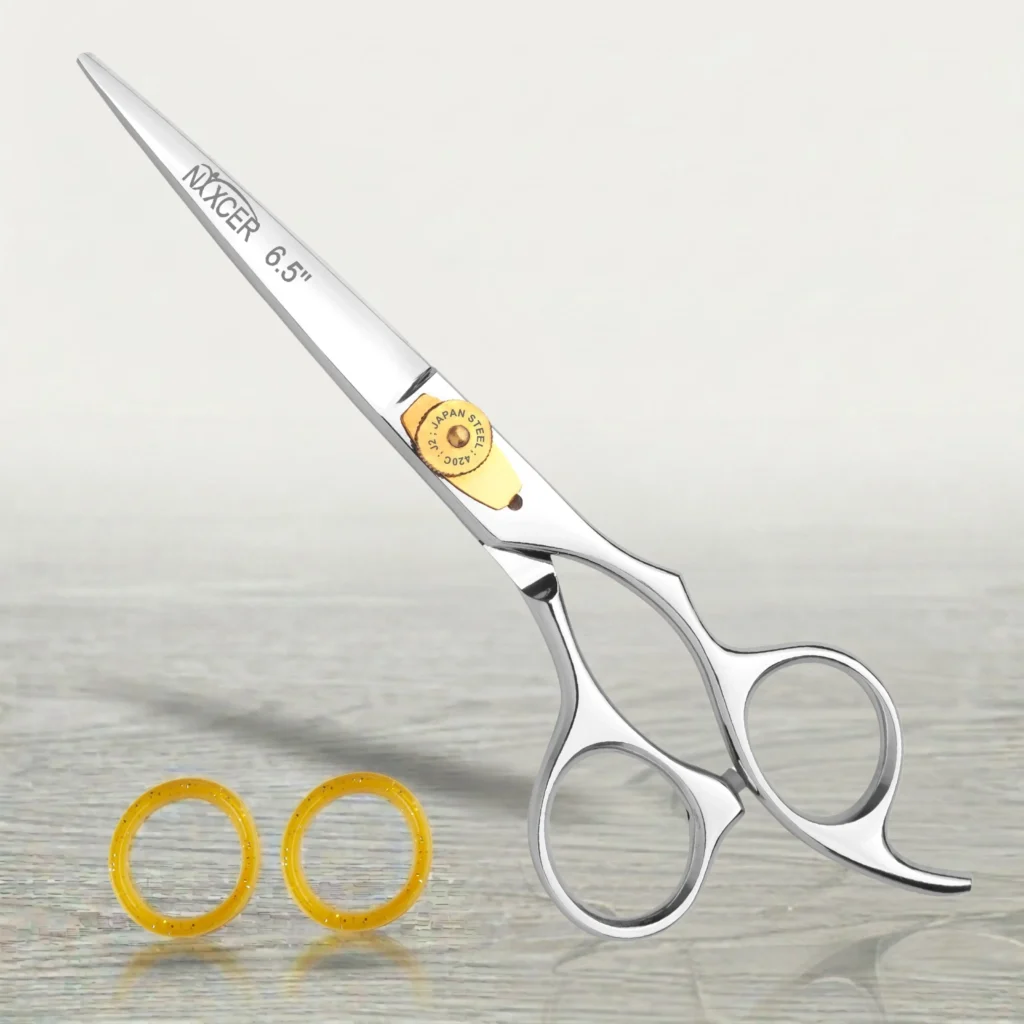
The Professional Sharp Series Razor Edge Hair Cutting Scissors can support wet cutting, trims, point cutting, and clean everyday salon work.
For controlled texture
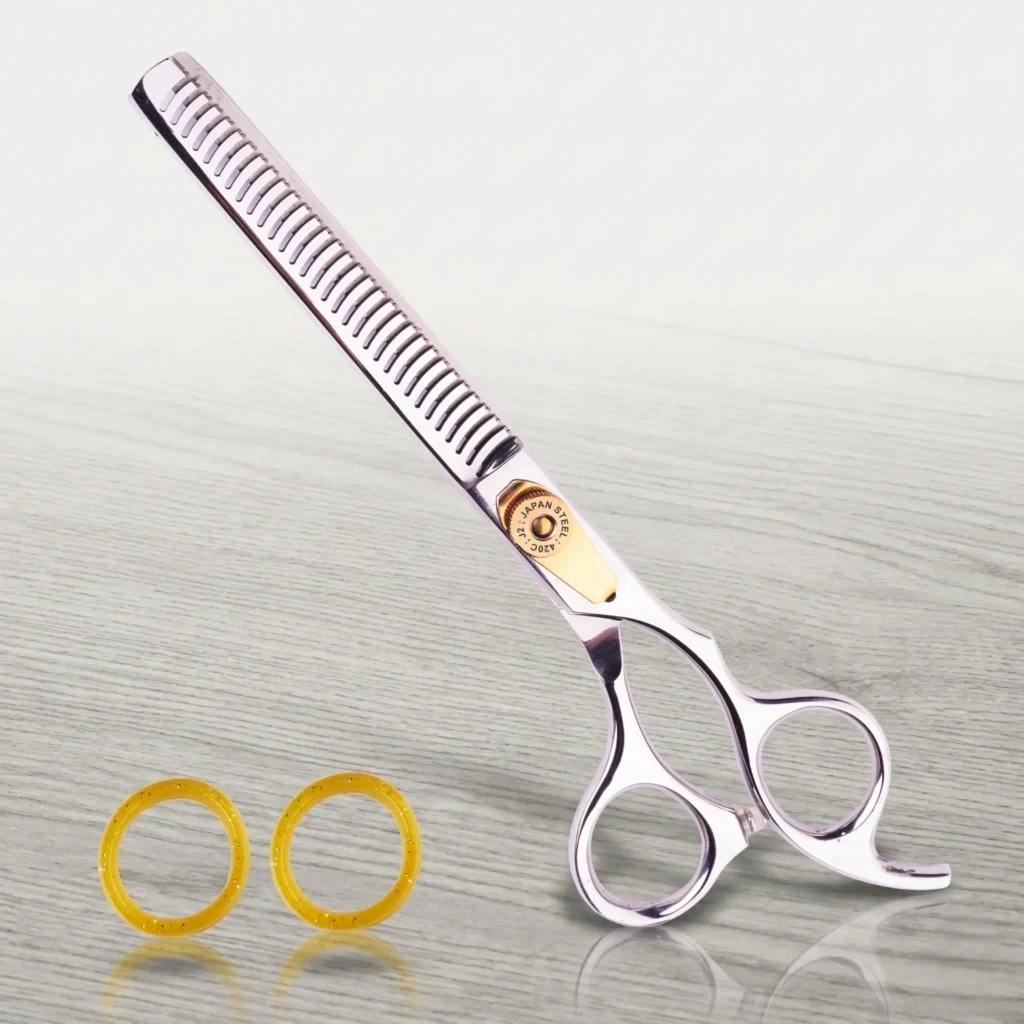
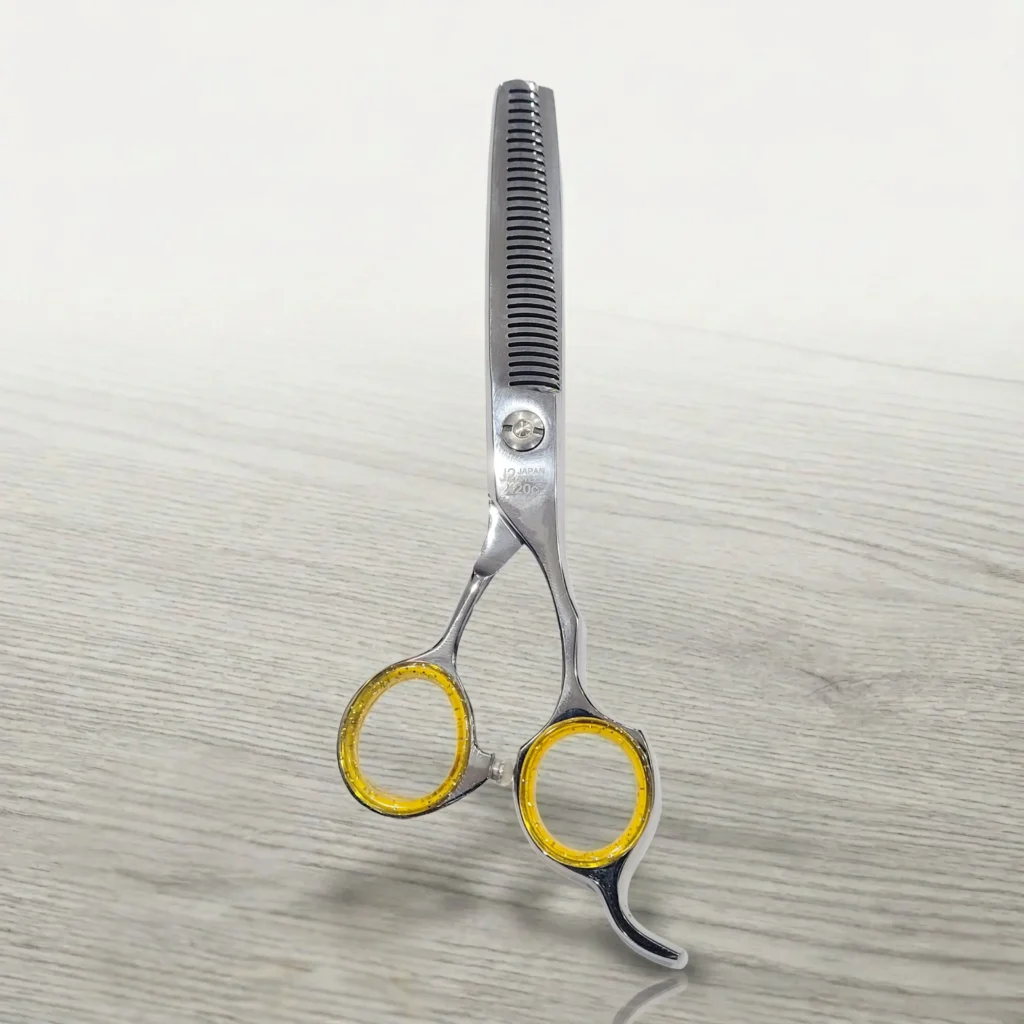
The Nixcer Professional Series Hair Thinning Scissors can help refine bulk after the main wet cut is complete.
Product note
Always check the listing for size, steel, handle style, and whether the shear matches your right hair cutting needs.
Maintenance for Wet Cutting Shears
Wet cutting exposes shears to moisture, product, and fine hair particles. Maintenance protects the cutting edge.
Clean after use
Wipe blades after every service. Clean moisture and hair from the pivot area.
Use your shears to cut hair only, not paper, plastic, thread, or packaging.
Oil and adjust
Oil the pivot and check tension regularly. Poor tension can reduce control.
Sharpen professionally
Sharpen your scissors with a professional sharpener who understands hairdressing scissor blade geometry.
Care rule
Best quality shears last longer when cleaned, oiled, stored safely, and sharpened correctly.
Final Thoughts
Choosing wet cutting scissors is essential if you want smooth control, clean lines, and less hair damage. The best hair cutting scissors for wet cutting should have the right blade, balanced handle, strong sharpness, and enough comfort for daily work.
For professional hair users, invest in professional hair cutting shears that match your cutting style. For hair at home, keep the work simple and use only proper hair-cutting scissors. The right shears make wet cutting cleaner, safer, and easier to repeat.
FAQs
What scissors are best for wet cutting?
The best hair cutting scissors for wet cutting are sharp, smooth, comfortable, and designed for clean control through damp hair.
Can I use dry cutting shears on wet hair?
Some dry cutting shears can work wet and dry, but always check the tool design and cutting style before using them.
What blade is best for wet cutting?
A convex blade is often preferred for smooth wet cutting and slide cutting, while beveled blades can be practical for standard cutting.
How often do wet cutting scissors need sharpening?
Sharpen them when they start pushing, folding, or catching wet hair. Professional use usually requires regular sharpening.
Should beginners cut wet or dry hair?
Beginners can control wet hair more easily, but they should remember that hair may shrink or shift after drying.