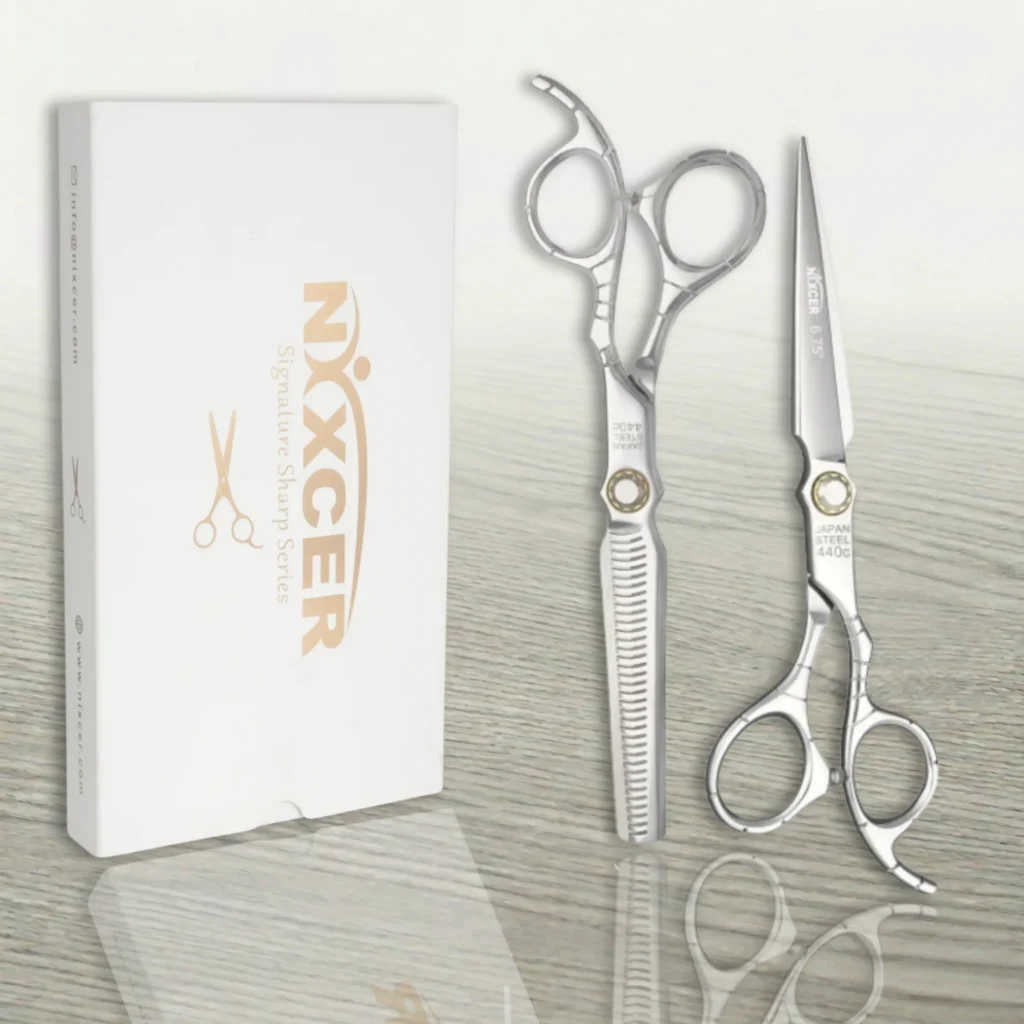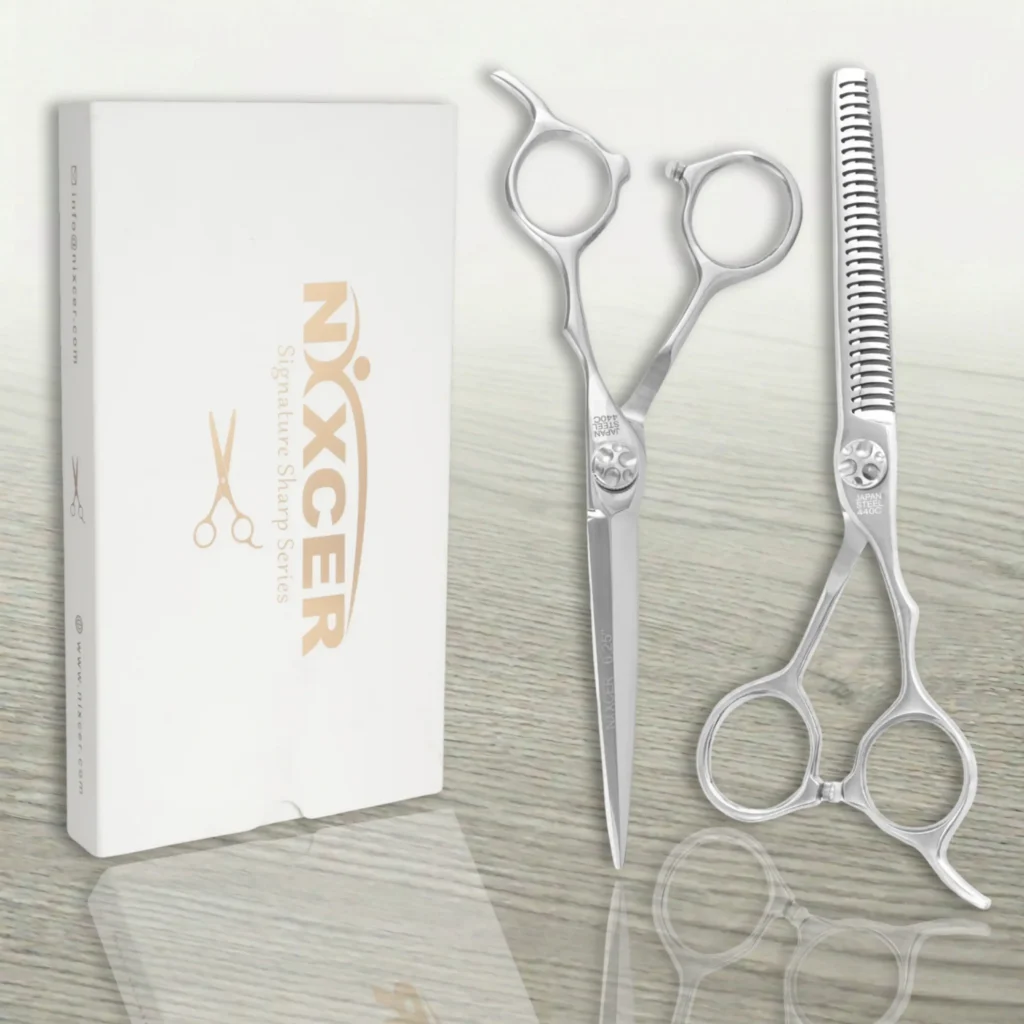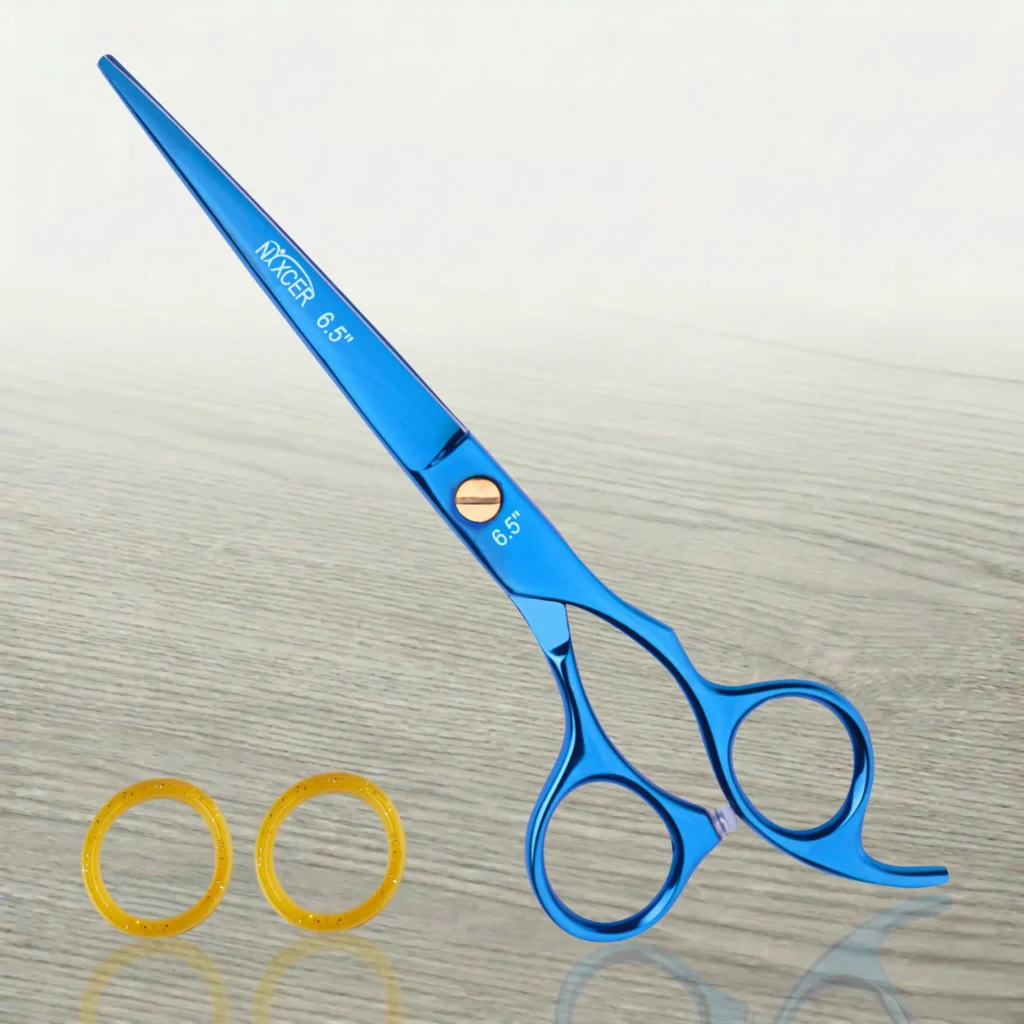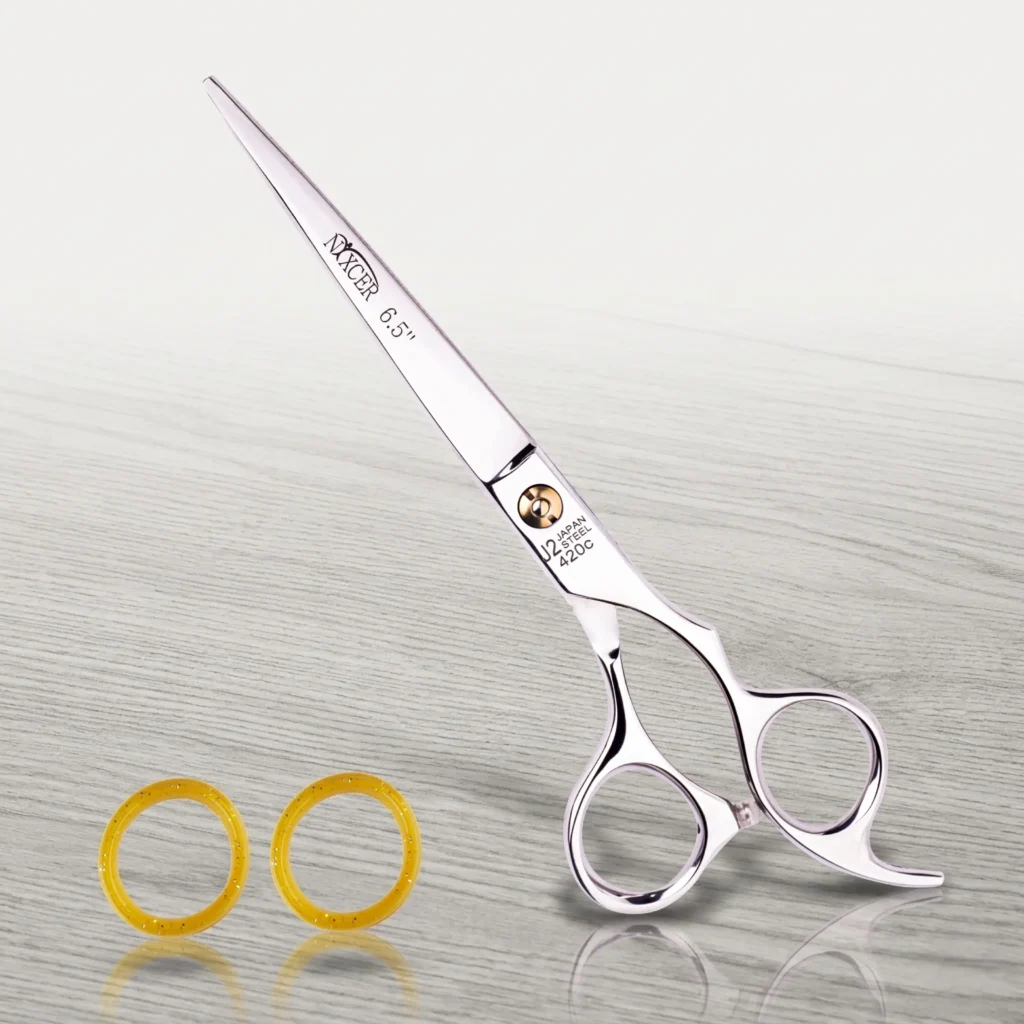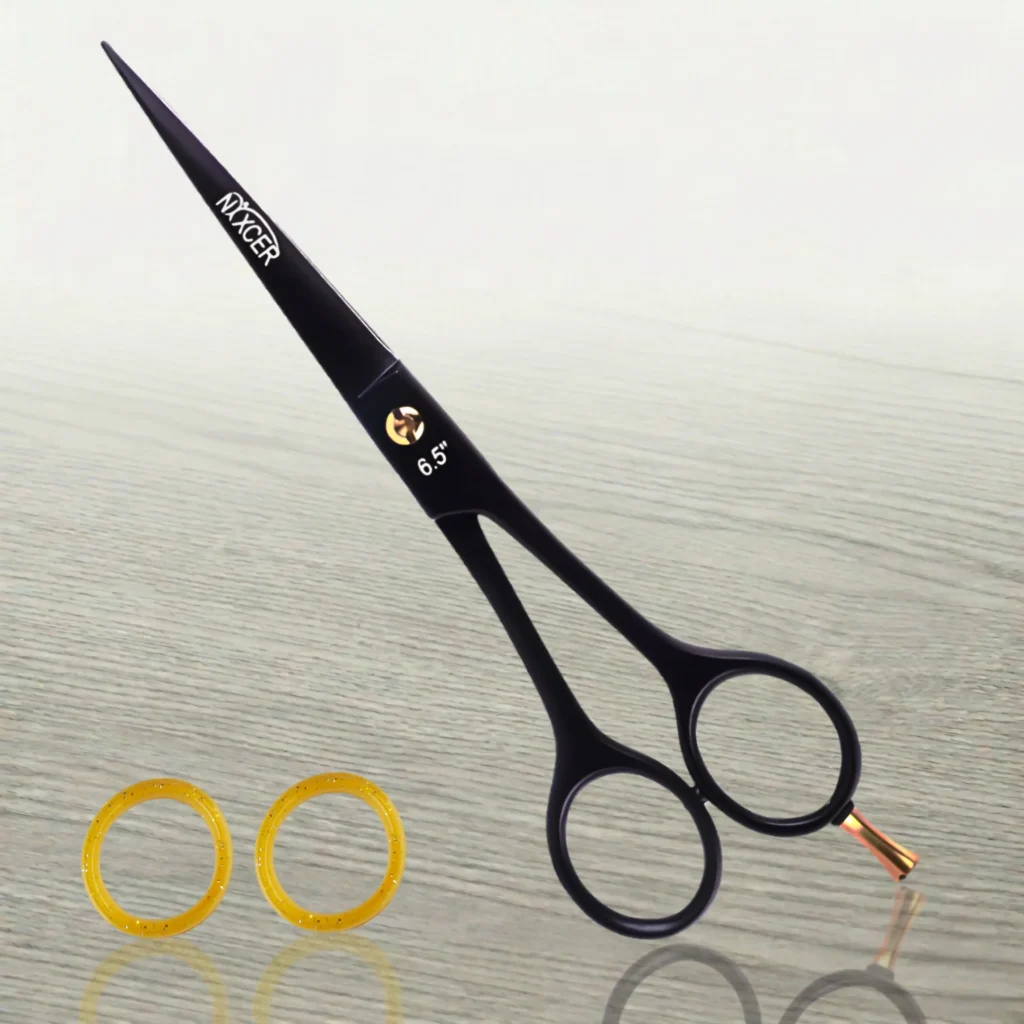
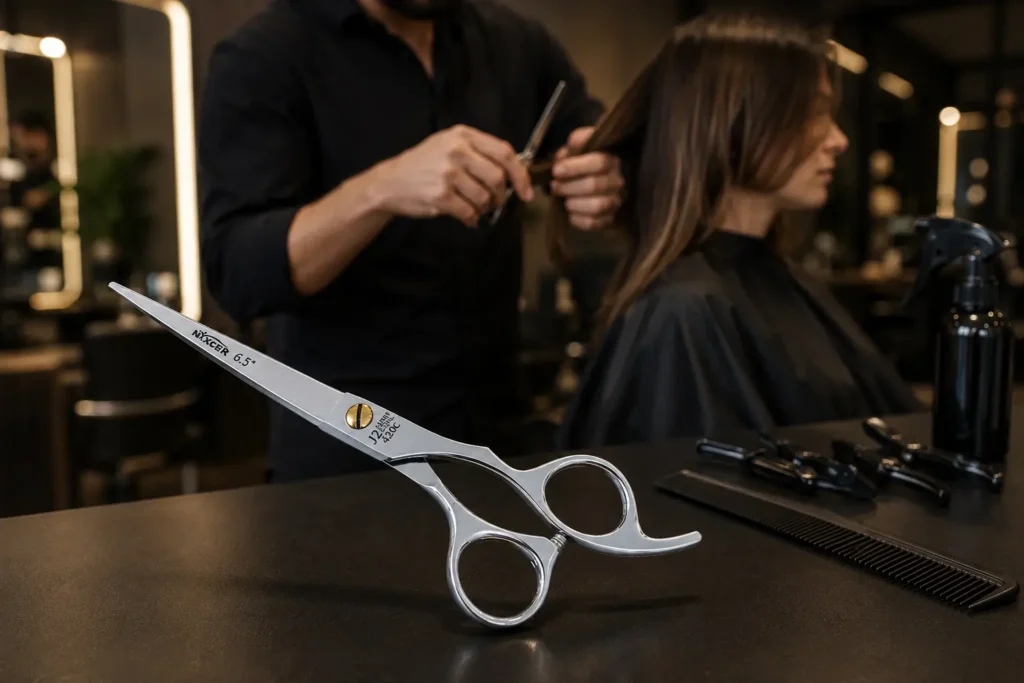
Chipping techniques are used to soften a hair cut, create texture, remove harsh edges, and make the finish look more natural. Instead of cutting a straight blunt line, the stylist uses the tips of hair cutting scissors to chip small pieces into the ends or surface of the hair. The result is softer movement, better blend, and controlled texture to the hair.
At Nixceroutlet, the goal is to help a barber, hairdresser, hairstylist, or careful home user understand how to use hair cutting scissors with better control and precision. To chip hair well, you need sharp hair scissors, a steady comb, the correct way to hold the tool, and a clear cutting technique that removes only what the haircut needs.
What Are Chipping Techniques in Haircutting?
Chipping techniques are haircutting techniques where the scissor tips cut small notches into the hair. This helps break up a heavy line without removing a large amount of length.
Chipping is different from blunt cutting
Blunt cutting creates a solid edge. Chipping creates a softer edge by cutting into the line with small controlled movements.
Chipping is different to thinning
Chipping is different to thinning because it focuses on softening shape and adding separation. Thinning scissors remove density from a section of hair, while chipping uses cutting shears or hair shears to add surface texture.
Simple meaning
To chip means to use the tips of the scissors to create small controlled cuts that soften the haircut.
Why Use Chipping in a Hair Cut?
Chipping can make a hair cut look more lived-in and less heavy. It is useful when a line looks too solid or the style needs more natural movement.
It helps create texture
When you texturize hair with chipping, you create small spaces in the edge. This can make the hair move better and look less flat.
It helps blend different lengths
Chipping helps blend different lengths, especially around layers, bangs, and face-framing pieces.
It can soften thick hair
Thick hair often needs softer edges. Chipping can help remove a heavy look without using thinning shears too aggressively.
Best result
A good chip cut should look soft and intentional, not jagged or broken.
The Right Tools for Chipping Techniques
You need the right tools before you cut hair with chipping. The wrong pair of scissors can fray the ends, push the hair, or create uneven marks.
Hair cutting scissors
Hair cutting scissors are the main tool for chipping. They should be sharp enough to cut through hair cleanly with just the tips.
Hair cutting shears
Hair cutting shears and haircutting shears are professional terms for scissors made for cutting hair. Scissors and shears are often used together in salon language.
Texturizing scissors
Texturizing scissors can also soften a haircut, but they are not the same as chipping. Chipping gives the stylist more exact control over each small cut.
Hairdressing scissors
Hairdressing scissors are made for professional hairdressing work, so they give cleaner control than regular scissors to cut hair at home.
Thinning scissors
Use thinning scissors only when the hair is too dense. Use thinning scissors carefully because they can remove more hair than expected.
Japan scissors note
Many stylists search for japan scissors or professional Japanese-style shears because sharpness and balance are important for detailed scissor tech.
How to Hold Hair Cutting Scissors Correctly
Before using scissors while cutting, learn how to hold them correctly. A stable scissor grip gives cleaner control and helps reduce hand fatigue.
Use the western grip
The western grip is a common way to hold haircutting scissors. Place the ring finger in the lower handle, the thumb in the thumb ring, and rest the little finger on the tang.
Place your index finger for control
The index finger rests along the handle or shank. This helps guide the blade and gives better control and precision.
Open and close with the thumb
Do not squeeze with the whole hand. Open and close the scissors with the thumb while the ring finger keeps the tool stable.
Hold the scissors steady
When you hold the scissors steady, the tips land where you want them. This is why learning to hold hair scissors correctly matters before chipping.
Hold your scissors lightly
The best way to hold a pair of scissors is with a relaxed hand. Holding hair scissors too tightly can make chipping rough and uneven.
Correct grip reminder
If you want to hold hair cutting scissors correctly, keep the wrist relaxed, keep the hand steady, and let the blade do the cutting.
How to Prepare Hair for Chipping
Preparation keeps the haircut controlled. Before you cut the hair, decide where the style needs softness and where it needs strength.
Work with small sections of hair
Small sections of hair help the stylist see the edge clearly. A large section can hide mistakes and make the chip pattern uneven.
Use a comb for clean tension
A comb helps place the hair in its natural fall. Comb each section before you chip so the length and shape are clear.
Check hair with scissors before cutting
Before you cut hair with scissors, place the blade near the section and check the angle. This keeps the chip pattern controlled.
Choose dry hair or wet hair
Dry hair shows the real finish and movement. Wet hair can be easier to control, but the final texture may change after drying.
Professional tip
For finishing work, many hairstylists prefer chipping on dry hair because the result is easier to see.
Step-by-Step: How to Use Hair Cutting Scissors for Chipping
This guide explains a safe, simple chipping method. For major style changes, a professional hairdresser is the better choice.
Step 1: Finish the main haircut first
Do not start with chipping. Build the main haircut shape first, then use chipping techniques for detail and softening.
Step 2: Lift a section of hair
Hold a section of hair between your fingers. Keep the hair between your fingers with steady but gentle tension.
Step 3: Angle the scissors
Angle the hair-cutting scissors into the ends. Do not cut straight across unless you want a blunt edge.
Step 4: Use the tips
Use the tips of the scissors to create small chips. The tips give more control than the full blade.
Step 5: Chip slowly
Make one or two small cuts, comb the hair down, and check the finish. Repeat only if more texture is needed.
Step 6: Check the balance
Look at the haircut from different angles. Chipping should support the haircut, not make one side look weaker.
Control rule
Cut less than you think. You can always chip more, but you cannot put the length back.
Point Cut vs Chip Cut
Point cut and chip cut techniques are closely related. Both use the scissor tips, but the intent can be slightly different.
Point cut
A point cut softens a line by cutting into the ends. It is commonly used to reduce bluntness and create natural separation.
Chip cut
A chip cut is usually more focused on tiny notches and visible texture. It can be used to shape bangs, layers, and short textured edges.
When to use each one
Use point cutting for soft blending. Use chipping when you need more detailed surface texture or a broken edge.
Slide cutting
Slide cutting is another softening method, but it glides along the hair instead of making small chips. Use it only with sharp shears correctly maintained.
Common techniques
Common techniques include point cutting, chipping, slide cutting, and light thinning, but each one creates a different finish.
Chipping for Different Hair Types
Every hair type reacts differently. The right technique depends on density, length, and natural movement.
Thick hair
Thick hair can handle more chipping, but still work slowly. Combine chipping with thinning shears only if the hair has too much density.
Thin hair
Thin hair needs very light chipping. Too much texture can make the ends look weak.
Straight hair
Straight hair shows every cut. Use tiny chips and check the line often.
Layered hair
Chipping can help layers blend and move. It is useful when different lengths need a softer connection.
Texture warning
Do not chip every section the same way. Match the cutting technique to the hair type.
Chipping at Home: What to Know
Cutting hair at home can be tempting, but chipping requires control. Hair cutting scissors at home should be sharp, clean, and used only for small changes.
Use hair scissors, not household scissors
If you use hair scissors, make sure they are real haircutting scissors. Household scissors can damage hair and create rough ends.
Keep the job small
Use hair cutting scissors at home only for small softening or a tiny trim. Avoid dramatic chipping if you are not trained.
Stop early
When using scissors at home, stop before the hair looks thin. Check the finish after styling before cutting more.
Safety note
If the haircut needs shape correction, visit a professional hairdresser or barber.
Common Chipping Mistakes
Chipping looks simple, but small mistakes can change the full haircut.
Cutting too deep
Deep chips can create gaps. Start with shallow cuts and build slowly.
Using dull scissors
Dull scissors can fray the ends and make the hair look damaged.
Chipping too close to the root
Chipping is usually done near the ends or surface, not close to the scalp.
Using thinning scissors instead of chipping
Thinning shears remove density. Chipping shapes texture. Use the right technique for the right result.
Nixceroutlet Tools for Chipping Techniques
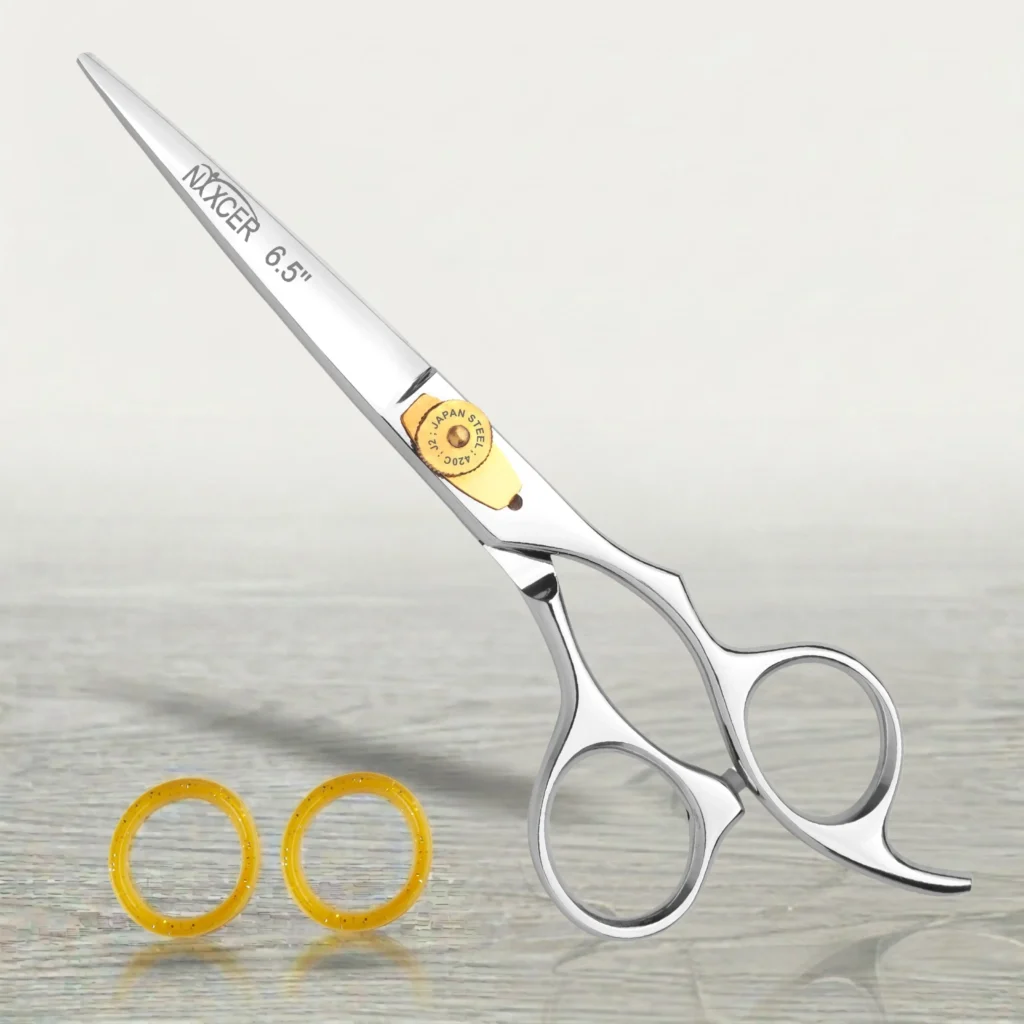
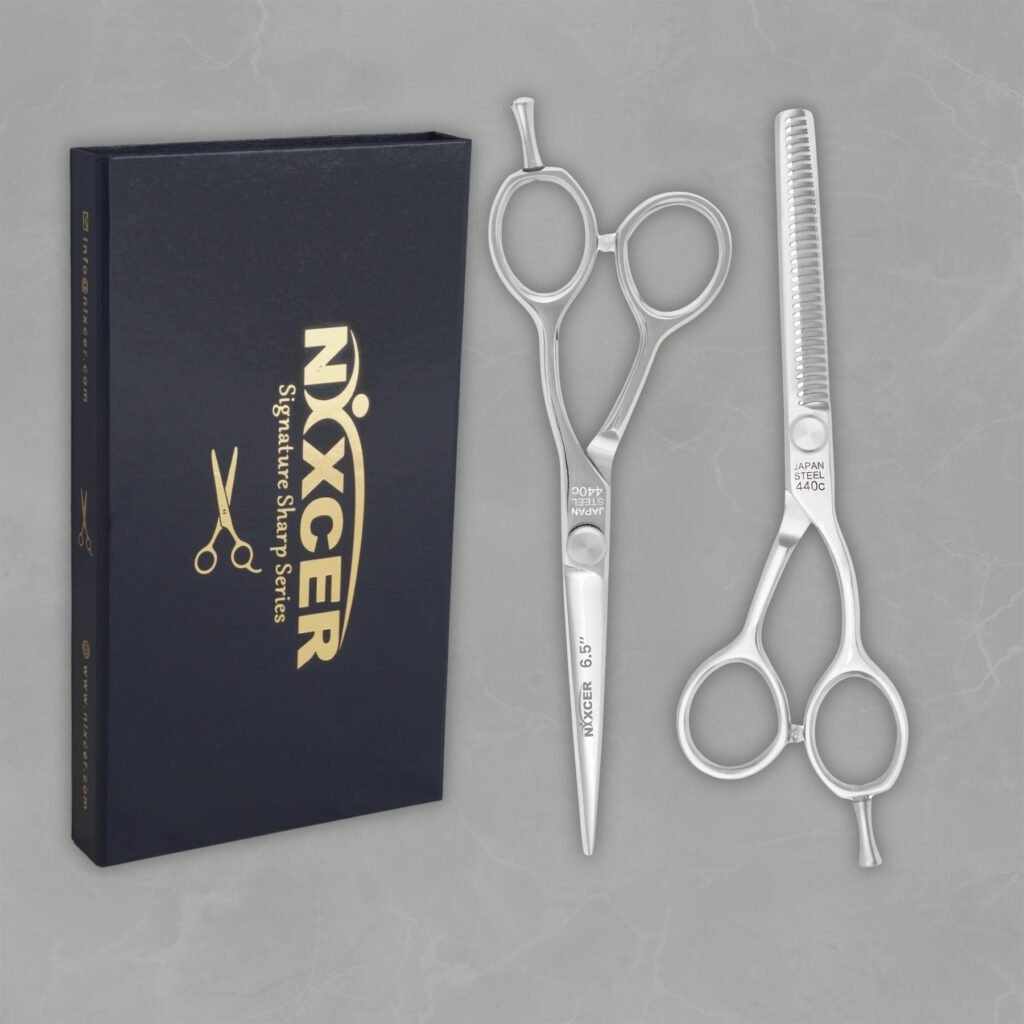
For chipping, choose sharp cutting shears that feel balanced. You can compare professional options on the Nixcer Outlet.
For precise chipping
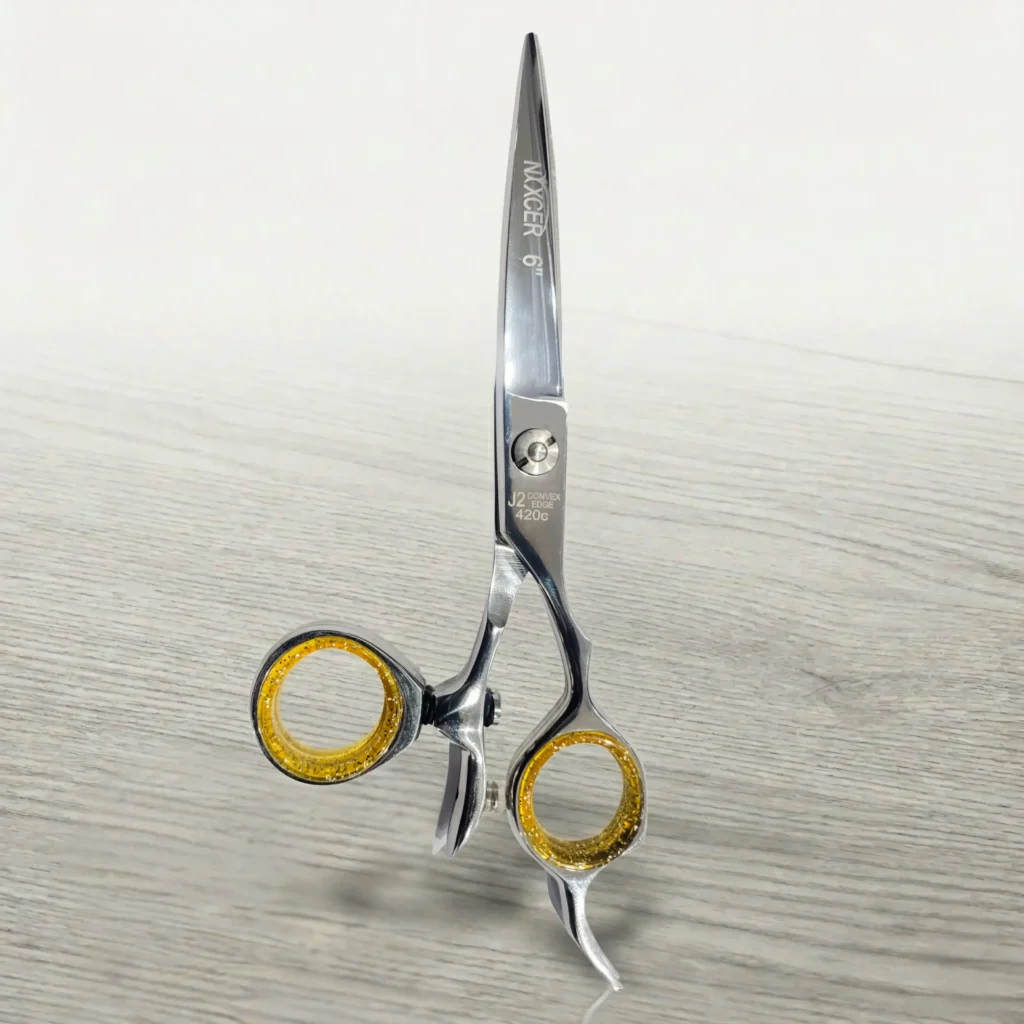
The Professional Sharp Series Razor Edge Hair Cutting Scissors can help with controlled point cut work, chipping, and detailed edge softening.
For a balanced pair
A balanced pair of shears helps the hand stay relaxed while using the tips for detailed chipping work.
For controlled weight removal
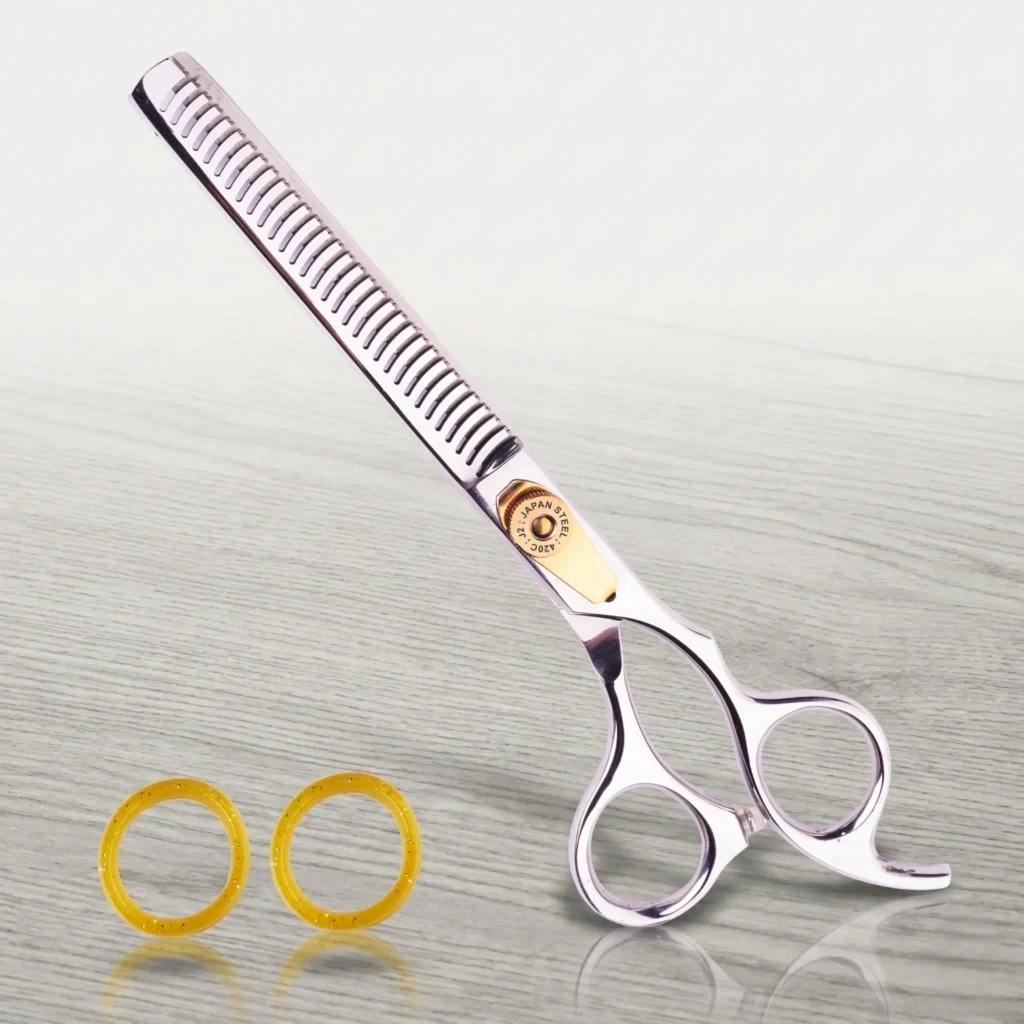
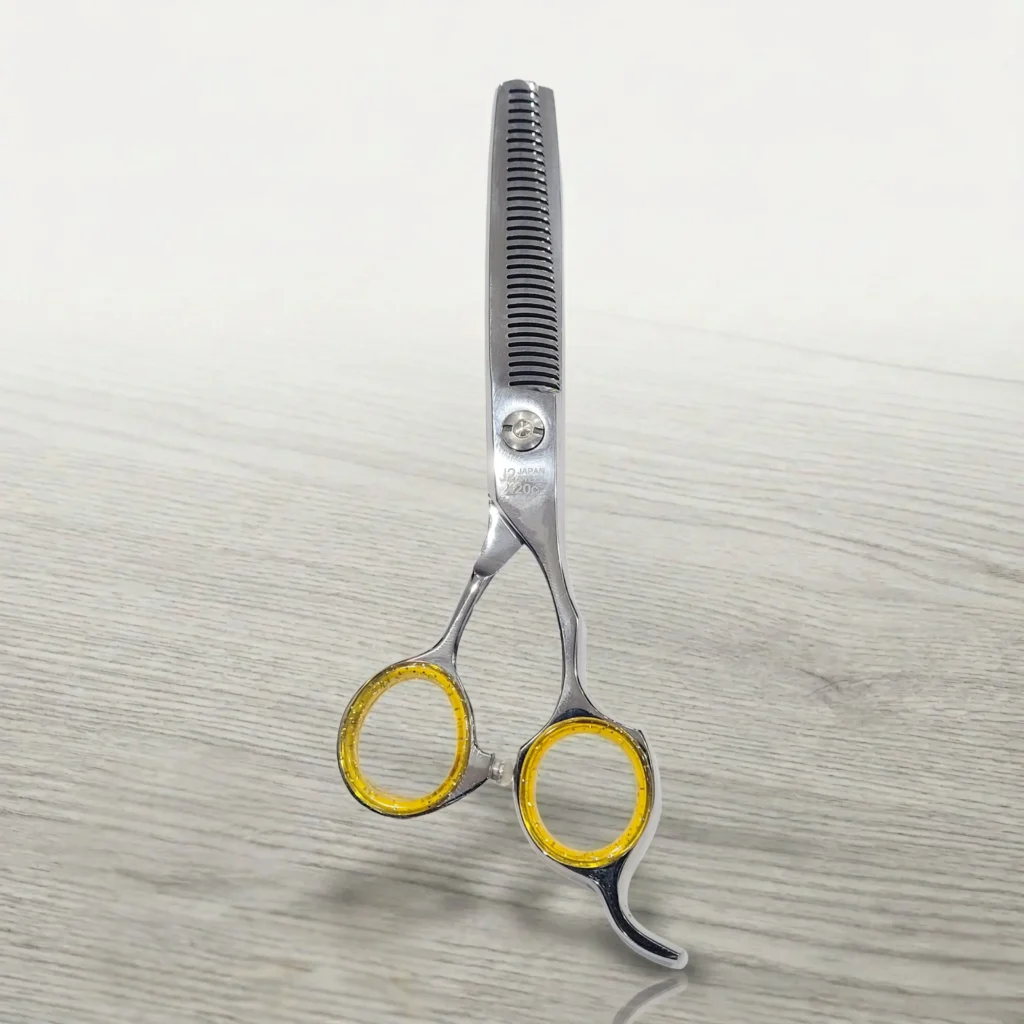
The Nixcer Professional Series Hair Thinning Scissors can help refine thick areas after the main haircut shape is finished.
Buying tip
A good pair of hair cutting scissors should feel comfortable, sharp, balanced, and easy to open and close.
Final Thoughts
Learning how to use hair cutting scissors for chipping techniques is about control. You need sharp hair shears, a steady comb, small sections, and the correct scissor grip.
Chipping is useful when you want to create texture, soften a heavy hair cut, or blend different lengths. Work slowly, use the tips, and check the result often. With the right tools and careful technique, chipping can make a haircut look lighter, softer, and more professional.
FAQs
What is chipping in haircutting?
Chipping is a cutting technique where the tips of the scissors make small cuts into the ends to soften a line and create texture.
Is chipping the same as thinning?
No. Chipping shapes the edge and texture. Thinning scissors remove density from the hair.
Can I use chipping techniques at home?
You can use light chipping at home for small changes, but major haircutting should be done by a professional.
How do I hold scissors correctly for chipping?
Use the western grip: ring finger in the lower hole, thumb in the thumb ring, index finger guiding the handle, and little finger on the rest.
Should chipping be done on wet or dry hair?
It can be done on both, but dry hair shows the final texture more clearly.